EN
EN
What is Aluminum Profile and How Does It Work?
2026/09/30
Source aluminum profiles for versatile modular framing. Learn extrusion mechanics, strength benefits & corrosion resistance. Request details.

2026/09/09
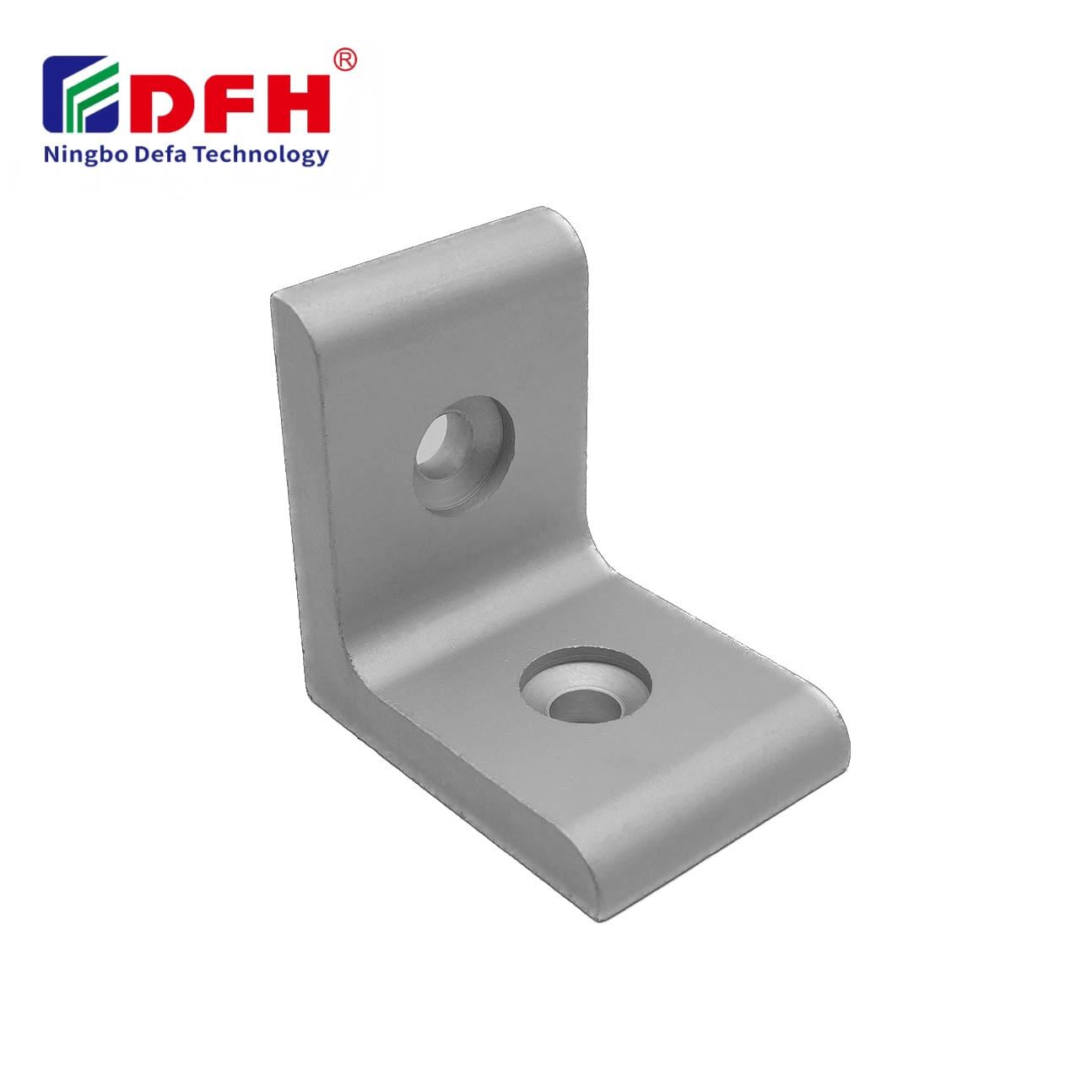
Proper storage of a T Nut is essential for maintaining the integrity and performance of your fastening hardware over extended periods. Whether you manage inventory for manufacturing, construction, or maintenance operations, understanding how to store T nuts long-term prevents corrosion, degradation, and functionality loss. T nuts are critical components in modular assembly systems, aluminum profile frameworks, and industrial applications where reliable fastening is non-negotiable. Neglecting storage best practices can result in rust formation, thread damage, and compromised holding strength that creates safety risks and operational delays.
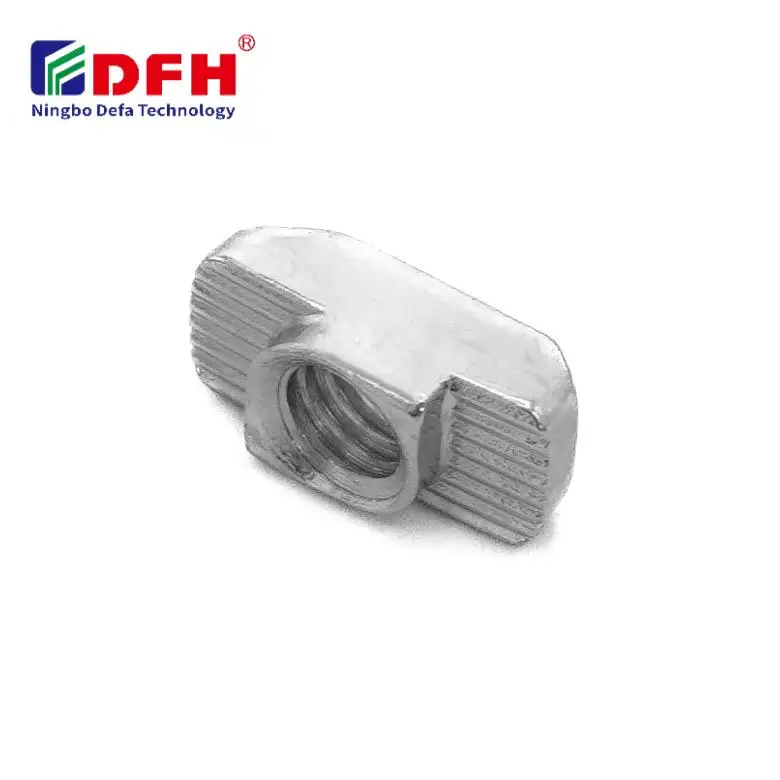
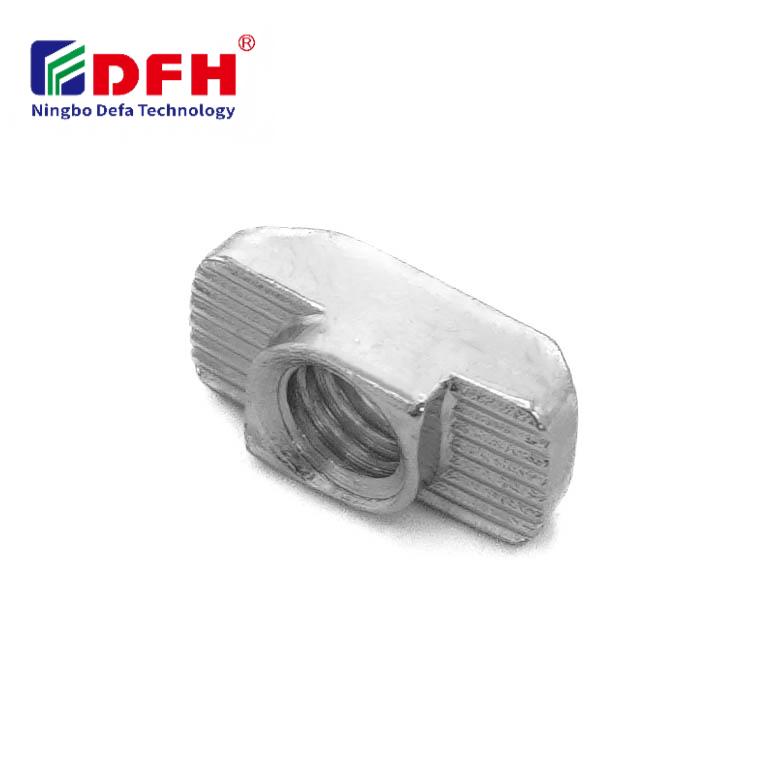
The lifespan of fastening hardware depends significantly on environmental conditions and storage methodology. T-slot nuts and threaded inserts exposed to humidity, temperature fluctuations, and oxidizing agents deteriorate rapidly, even when not in active use. By implementing strategic storage protocols, you protect your investment, ensure consistent product availability, and maintain the quality of your assembly processes. This guide covers the essential practices that industrial professionals and facility managers use to preserve T nuts and threaded insert components effectively.
Moisture is the primary enemy of T nut longevity and fastening hardware performance. Storing T nuts in climate-controlled environments with relative humidity below 50 percent significantly reduces rust and corrosion risk. Temperature fluctuations cause metal expansion and contraction, which stresses the threads and weakens the structural integrity of your T-slot nut components. Select storage areas that maintain consistent temperatures, ideally between 60 and 80 degrees Fahrenheit, to minimize dimensional changes and preserve thread accuracy.
Avoid storing threaded insert products in basements, outdoor structures, or uninsulated facilities where condensation accumulates. Direct exposure to sunlight, rain, and temperature swings accelerates oxidation and causes premature deterioration of metal fastening hardware. Industrial-grade storage rooms with dehumidification systems provide optimal protection for long-term T nut preservation. If dedicated climate control is unavailable, use sealed plastic containers with desiccant packets to create a protective microenvironment around your inventory.
Choose storage locations away from chemical vapors, salt air, and corrosive atmospheres that attack metal surfaces. Coastal environments and facilities near chemical plants expose fastening hardware to accelerated corrosion that undermines the reliability of T nuts and threaded inserts over months or years. Elevated shelving and pallets keep T-slot nut inventory off concrete floors where ground moisture wicks upward into storage containers. Position your fastening hardware storage away from water sources, HVAC discharge areas, and humidity-generating processes like cleaning or steaming operations.
Vacuum-sealed bags with individual desiccant packets provide the highest level of protection for T nut storage over extended timeframes. This packaging method removes oxygen and controls humidity at the component level, preventing oxidation from occurring inside sealed environments. When vacuum sealing is impractical, use heavy-duty plastic bins with airtight lids and include silica gel packets or moisture-absorbing canisters alongside your threaded insert inventory. Check desiccant saturation monthly and replace packets when they show color changes indicating moisture absorption.
For bulk fastening hardware storage, kraft paper and waxed cardboard containers maintain breathability while offering basic moisture protection compared to plastic alternatives. Layer T nuts between sheets of kraft paper or specialized corrosion-inhibiting paper that contains volatile corrosion inhibitors. These papers release protective compounds that coat metal surfaces and prevent rust formation during storage without requiring removal before use. Avoid standard newspaper or uncoated paper that absorbs moisture and transfers it to your T-slot nut components.
Organize threaded insert and T nut inventory by size, material grade, and thread pitch to enable quick rotation and reduce search time in storage. Implement clear labeling with storage dates and lot numbers to monitor how long each batch has been stored and rotate older stock into active use first. Create inventory lists that track which containers hold specific T nut specifications and thread profiles, ensuring operators can access the correct fastening hardware without disturbing other stored components. This systematic approach minimizes container opening frequency and reduces humidity exposure for the entire inventory.
Applying light machine oil or specialized anti-corrosion coatings to T nuts before storage creates a protective barrier against oxidation and rust formation. This treatment works especially well for carbon steel and mild steel threaded inserts that lack inherent corrosion resistance. Wipe excess oil from the surface to prevent accumulation of dust and contaminants, then store coated fastening hardware in sealed containers with desiccants. Oil-treated T-slot nuts maintain thread clarity and functionality without degradation over multi-year storage periods.
For stainless steel or zinc-plated T nuts, verify that any applied coating is compatible with the existing surface finish to avoid chemical reactions or galvanic corrosion. Some threaded insert manufacturers pre-apply protective oils to their fastening hardware, so confirm the original treatment before applying additional coatings. Remove excess coating with clean, lint-free cloths and allow proper drying time before sealing containers. This preparation step ensures your T nut storage maintains both surface protection and clean thread geometry required for reliable assembly operations.
Conduct quarterly visual inspections of stored T nuts and threaded inserts to detect early signs of corrosion or environmental compromise. Open sample containers from different storage areas to check for rust spots, discoloration, or unusual odors that indicate moisture infiltration or chemical exposure. Document inspection findings and adjust environmental controls or desiccant replacement schedules based on observed conditions. This proactive monitoring approach prevents catastrophic deterioration and ensures your T-slot nut inventory remains functional and ready for deployment when needed.
Maintain storage logs recording temperature and humidity readings alongside visual condition reports. If you observe any concerning changes, investigate storage location conditions immediately and relocate affected fastening hardware to a more stable environment. Replace any compromised desiccant packets and verify container seals are intact. These maintenance protocols extend the reliable storage life of T nuts significantly beyond standard recommendations and protect your operational readiness.
T nuts can be stored for five to ten years or longer when proper environmental controls, desiccant management, and protective packaging are maintained consistently. High-quality fastening hardware stored in climate-controlled environments with sealed containers and regular inspection protocols shows minimal degradation even after extended periods. The specific storage duration depends on material composition, original surface treatment, and how strictly you follow preservation guidelines. Stainless steel threaded inserts typically outlast carbon steel components under identical storage conditions.
High-humidity storage causes rapid rust formation on carbon steel and mild steel T nuts, even within weeks of exposure. Thread corrosion creates rough surfaces that prevent smooth installation and compromise joint strength when the fastening hardware is finally used. Zinc-plated and stainless steel threaded inserts resist humidity better but still experience degradation if moisture levels exceed 70 percent relative humidity consistently. This corrosion damage is often irreversible, making the affected T-slot nuts unsuitable for precision assembly applications and requiring replacement.
Vacuum sealing combined with desiccant packets provides excellent short to medium-term protection but requires periodic inspection because bag seals can degrade over time. Oxygen infiltration eventually occurs through microscopic leaks or seal failure, allowing oxidation to resume on stored threaded inserts. Replace vacuum-sealed bags every two to three years or when you observe any visible seal degradation. For indefinite storage of critical fastening hardware, maintain vacuum sealing as your primary method while also storing containers in climate-controlled rooms as a secondary protective layer.
2026/09/30
Source aluminum profiles for versatile modular framing. Learn extrusion mechanics, strength benefits & corrosion resistance. Request details.
2026/09/30
Source aluminum profiles for construction projects. Learn structural framing, cladding & window benefits for maximum ROI. Download guide.
2026/09/30
Source optimal aluminum profile sizing techniques. Evaluate load, space, alloy, environment & cost factors to prevent deflection. Download guide.
2026/09/30
Struggling with fastener failures or rework? Master screw sizing by diameter, pitch, material, and load—plus industry-specific standards. Optimize reliability & compliance now.
2026/09/30
Source aluminum profiles for industrial engineering. Discover strength-to-weight ratios, corrosion resistance & 30% cost savings. Download guide.
2026/09/30
Source heat-resistant aluminum profile systems. Master thermal expansion science & stress management strategies for industrial builds. Download guide.