EN
EN
What is Aluminum Profile and How Does It Work?
2026/09/30
Source aluminum profiles for versatile modular framing. Learn extrusion mechanics, strength benefits & corrosion resistance. Request details.

2026/09/08
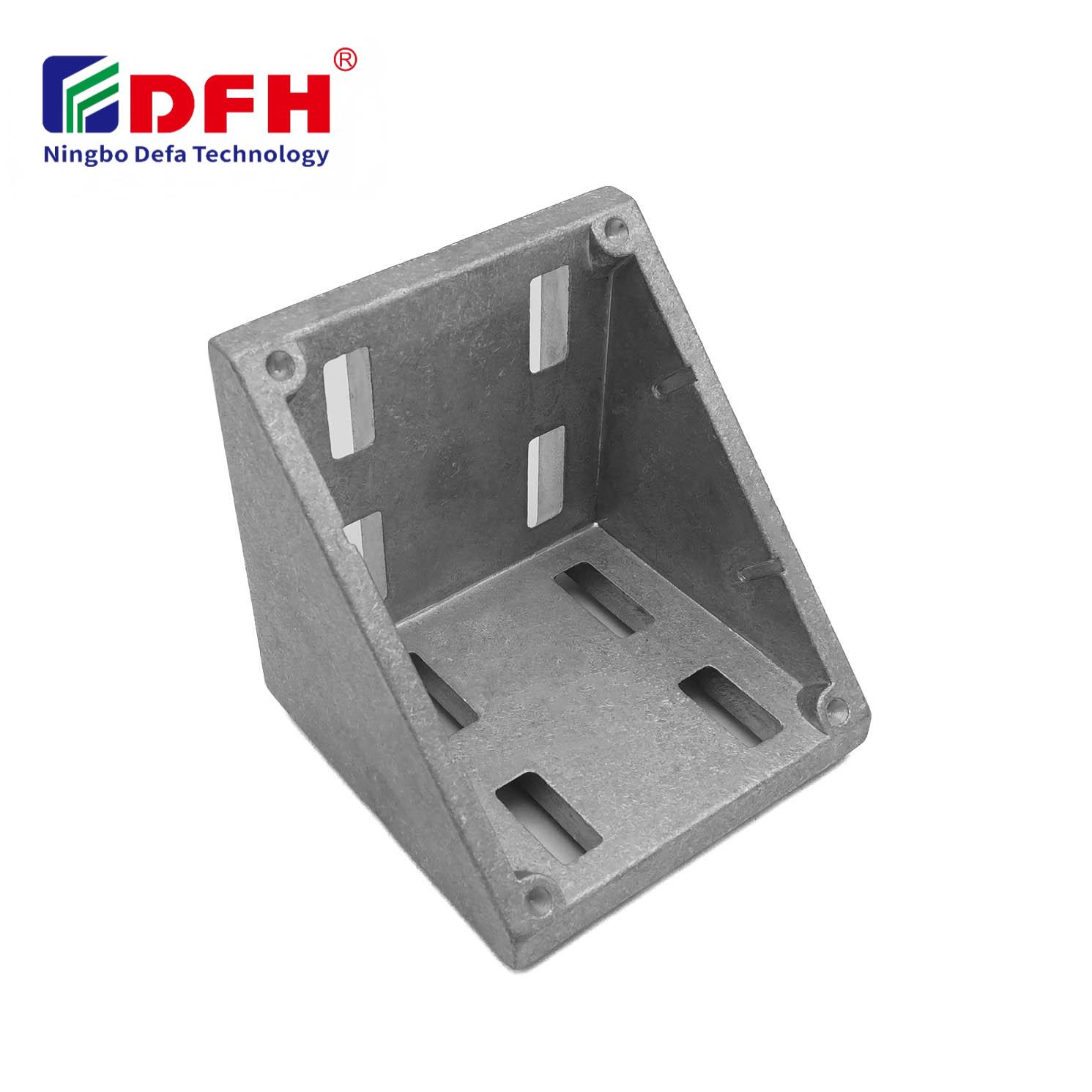
Selecting and installing end connectors safely is a critical responsibility in industrial and electrical applications. Improper selection or installation of cable end connectors can lead to equipment failure, safety hazards, and costly downtime. Whether you're working with power distribution systems, control circuits, or data transmission infrastructure, understanding the fundamentals of end connectors will help you make informed decisions and ensure reliable system performance.
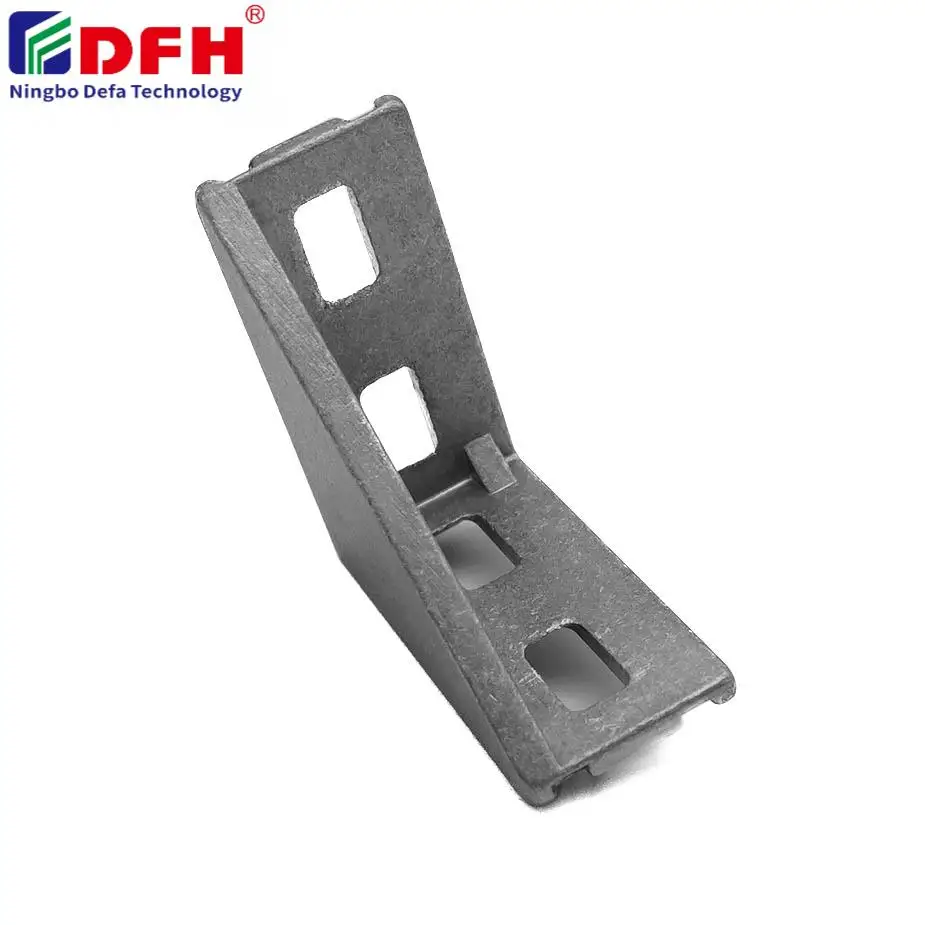
The process of working with end connectors involves more than just plugging components together. It requires careful evaluation of electrical specifications, environmental conditions, mechanical compatibility, and regulatory compliance. This guide walks you through the essential steps to select appropriate cable end connectors and connector terminals while maintaining the highest safety standards throughout the installation process.
Cable end connectors come in numerous designs, each serving specific applications and environments. The primary categories include circular connectors, rectangular connectors, modular connectors, and specialty connectors designed for harsh conditions. When evaluating cable end connectors for your application, you must first determine the electrical current requirements, voltage ratings, and frequency specifications that your system demands. Connector terminals within each category vary based on pin count, contact material, and contact configuration, making proper classification essential before proceeding with installation.
Each type of end connector exhibits different mating cycles, insertion force requirements, and durability characteristics. Circular connectors typically offer superior environmental sealing and are often preferred in aerospace and military applications. Rectangular connection hardware, by contrast, provides compact mounting solutions for panel-mounted systems and high-density applications. Understanding these distinctions helps you narrow your selection to connectors that match both your technical needs and your operational environment.
Every cable end connector carries specific electrical ratings that must match or exceed your system's requirements. The amperage capacity, voltage tolerance, and contact resistance of connector terminals directly influence system reliability and safety. You should always verify that the connection hardware you select is rated for continuous operation under your peak load conditions, accounting for temperature variations and potential aging effects. Mechanical ratings, including mating cycles and vibration resistance, equally determine connector longevity in challenging industrial environments.
Material compatibility is another critical consideration when selecting end connectors. Copper contacts offer excellent conductivity but may corrode in high-humidity or chemical environments, whereas gold-plated or silver-plated connector terminals provide enhanced corrosion resistance. The insulation material of your cable end connector must withstand the temperature range and chemical exposures present in your installation location. Temperature ratings for connection hardware typically range from -40°C to 85°C in standard applications, though specialized connectors extend beyond these limits.
Your installation environment fundamentally shapes which cable end connectors will perform safely and reliably. Indoor control rooms require basic protection from dust and accidental contact, whereas outdoor substations demand IP67-rated connection hardware with sealed enclosures and corrosion-resistant coatings. Explosive atmospheres, food processing facilities, and marine environments each impose unique challenges that connector terminals must address through proper materials, sealing mechanisms, and insulation grades.
Temperature cycling causes expansion and contraction in cable end connectors and connector terminals, potentially loosening connections over time. Applications subject to extreme temperature swings or thermal shock require connectors with materials and designs that accommodate movement without compromising electrical contact. Vibration-prone environments, such as those near rotating machinery, demand connectors with mechanical retention features and locking mechanisms to prevent accidental disconnection during operation.
All end connectors used in regulated industries must comply with applicable international, national, and industry-specific standards. IEC, UL, and CSA certifications verify that connection hardware meets electrical safety, thermal performance, and mechanical reliability benchmarks. When selecting cable end connectors, always confirm that the products carry relevant certifications for your market and application context. Missing or mismatched certifications can invalidate equipment warranties, create liability exposure, and pose genuine safety risks to personnel and infrastructure.
Safety standards also dictate proper wire gauge compatibility, contact sizing, and strain relief requirements for connector terminals. These specifications prevent dangerous situations such as wire pullout, arcing, or thermal runaway during normal operation or fault conditions. Your procurement process should always require certification documentation and test reports from manufacturers before approving any cable end connector for critical applications.
Before any installation begins, verify that your cable end connectors match the documented requirements and that all materials, tools, and personnel are ready. Inspect connector terminals for visible damage, corrosion, or manufacturing defects that could compromise safety or performance. Wire gauge, insulation type, and conductor material must align exactly with manufacturer specifications for your selected connection hardware. Many installation failures trace back to mismatches discovered too late, after partial assembly or during initial power-up testing.
Organize your workspace to ensure proper tool access and clear work surfaces. Specialized crimping tools designed for your specific cable end connector type are essential; using generic or misaligned tools will produce unreliable connections that may fail unexpectedly. Establish a pre-installation checklist that confirms wire stripping length, insulation retreat distance, and connector alignment before proceeding with any crimping or assembly step on your connection hardware.
Proper crimp depth, wire positioning, and connector terminal engagement determine whether your cable end connectors will perform reliably throughout their service life. Follow manufacturer guidelines precisely, using torque wrenches or crimp force indicators to verify that connections achieve proper firmness without over-compression that damages conductors. After assembly, visually inspect each connector terminal to confirm that insulation is properly seated, that no conductor strands are exposed, and that the connector body shows no signs of stress or misalignment.
Continuity testing and insulation resistance measurement validate the electrical integrity of your installed cable end connectors before the system operates under load. These tests catch assembly errors, damaged connector terminals, or connection hardware defects before they cause failures in live operation. Document all test results and retain them as proof of compliance with your installation standards and regulatory requirements. This documentation protects your organization and provides essential reference data for future troubleshooting or maintenance activities.
For harsh outdoor installations, prioritize IP67 or higher sealing ratings, corrosion-resistant materials such as stainless steel or nickel-plated connector terminals, and cable end connectors designed for wide temperature ranges. UV-resistant insulation and drain holes in your connection hardware prevent water accumulation and extend service life. Always verify that your selected end connectors carry environmental certifications specific to your geographic region and climate conditions.
Visual inspection provides an initial verification that your cable end connector crimp is correct. The insulation should retreat slightly onto the conductor without exposing strands, and the connector body should show even, flush compression around the entire terminal. A gentle pull test by hand can reveal loose connections on your connection hardware. However, continuity testing and insulation resistance measurement with a multimeter offer more reliable confirmation that your installed end connectors meet electrical standards.
Wire gauge directly determines which connector terminals will safely carry your system current and provide proper mechanical support for your cable end connector. Undersized connector terminals create excess resistance and heat, while oversized terminals may not crimp properly or may damage insulation during assembly. Always consult the manufacturer's compatibility chart to match your specific wire gauge with the appropriate connector terminals and cable end connectors for your connection hardware.
2026/09/30
Source aluminum profiles for versatile modular framing. Learn extrusion mechanics, strength benefits & corrosion resistance. Request details.
2026/09/30
Source aluminum profiles for construction projects. Learn structural framing, cladding & window benefits for maximum ROI. Download guide.
2026/09/30
Source optimal aluminum profile sizing techniques. Evaluate load, space, alloy, environment & cost factors to prevent deflection. Download guide.
2026/09/30
Struggling with fastener failures or rework? Master screw sizing by diameter, pitch, material, and load—plus industry-specific standards. Optimize reliability & compliance now.
2026/09/30
Source aluminum profiles for industrial engineering. Discover strength-to-weight ratios, corrosion resistance & 30% cost savings. Download guide.
2026/09/30
Source heat-resistant aluminum profile systems. Master thermal expansion science & stress management strategies for industrial builds. Download guide.