EN
EN
What is Aluminum Profile and How Does It Work?
2026/09/30
Source aluminum profiles for versatile modular framing. Learn extrusion mechanics, strength benefits & corrosion resistance. Request details.

2026/09/14
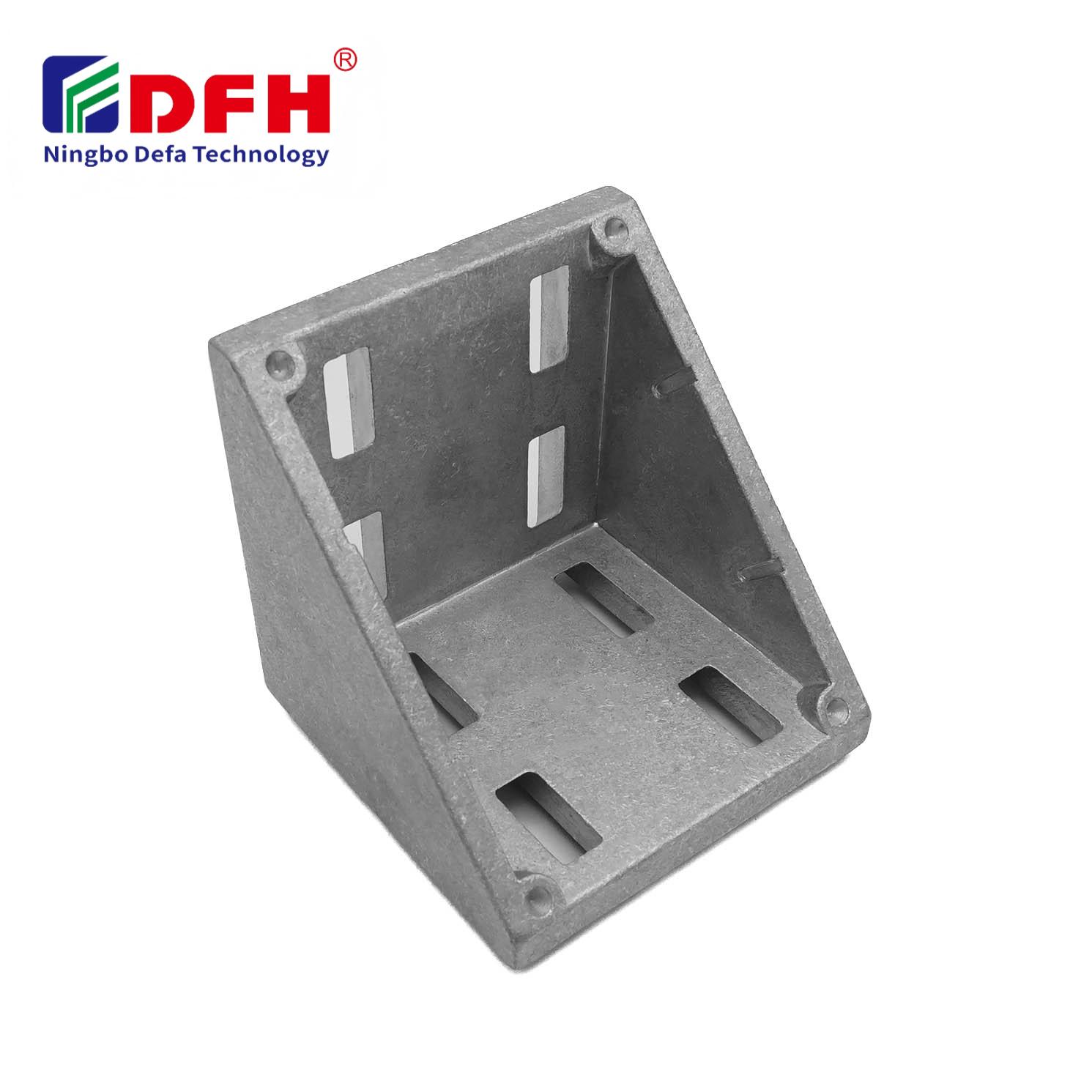
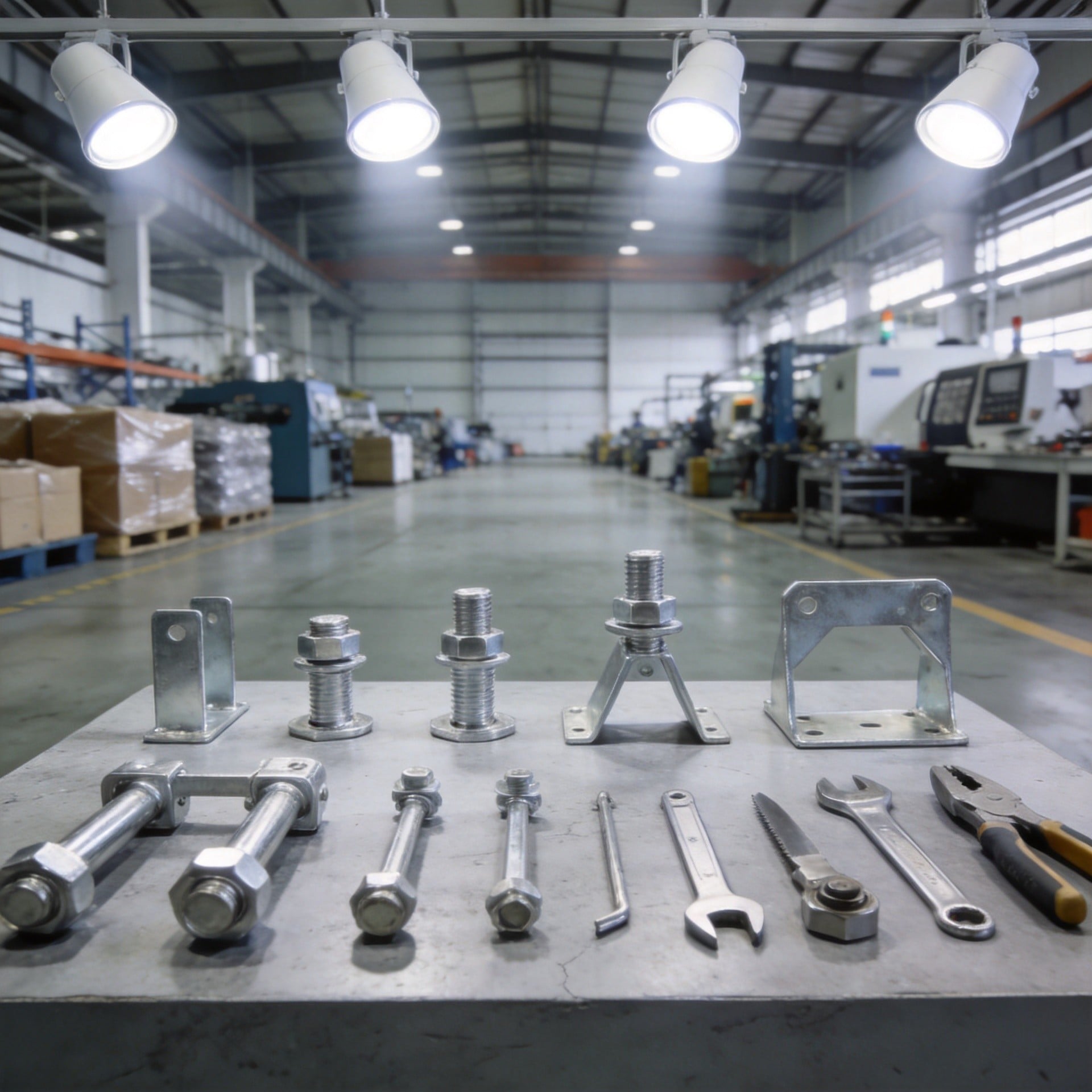
Proper installation of plate connectors is critical for ensuring structural integrity and safety in industrial and construction applications. Whether you are assembling metal frameworks, reinforcing load-bearing connections, or implementing structural fastening systems, understanding the correct installation procedures protects both workers and the final structure. Plate connectors serve as vital connection hardware solutions that transfer loads between structural members, making their correct placement and fastening absolutely essential.
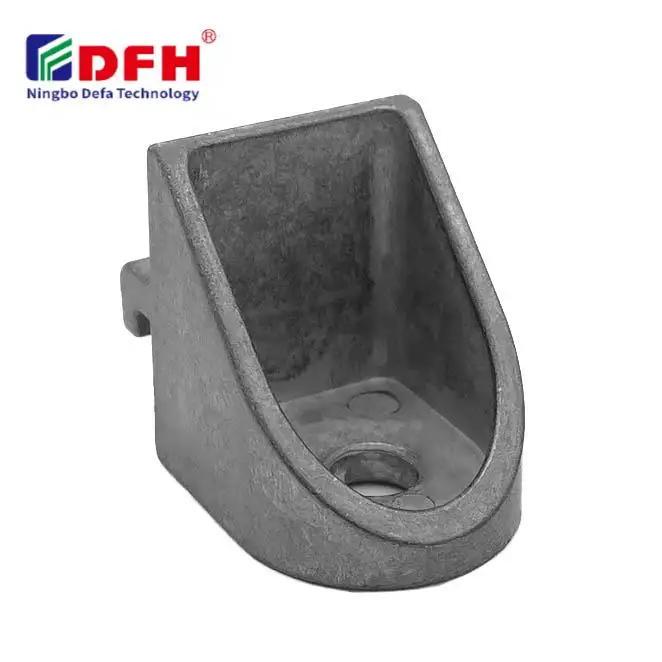
The installation process requires careful attention to design specifications, material compatibility, and environmental conditions. Load-bearing connectors must be installed to exact tolerances to maintain structural performance under stress. This guide walks through the essential steps, safety protocols, and best practices for installing plate connectors in demanding industrial environments, ensuring your structural fastening systems perform reliably throughout their service life.
Before beginning any installation work, thoroughly review the engineering specifications and design drawings for your plate connectors and connection hardware solutions. These documents specify load capacities, hole spacing, bolt sizes, material grades, and surface treatments required for your particular application. Understanding these requirements prevents costly mistakes and ensures the load-bearing connectors meet structural demands. Each structural fastening system has unique requirements based on the forces it must resist, so careful study of specifications is your first critical step.
Assemble all necessary tools before beginning installation of your plate connectors. You will need calibrated wrenches, torque wrenches, alignment guides, and inspection equipment specific to your connection hardware solutions. Verify that all fasteners match the specified grade and size for your structural fastening systems. Inspect all plate connectors for surface damage, corrosion, or manufacturing defects before installation. Proper preparation with the right tools prevents installation errors and ensures load-bearing connectors perform as engineered.
Correct alignment is fundamental when installing plate connectors in your structural fastening systems. Position the connector against the structural members it will join, ensuring all bolt holes align properly with the receiving members. Use alignment pins or guides to maintain consistent positioning during the initial fastening phase. Even small misalignments in your connection hardware solutions can create stress concentrations and reduce load-bearing connector performance. Take time to verify alignment before tightening fasteners, as correcting misalignment after partial installation becomes difficult and may compromise the connection.
Install fasteners in a specific pattern to ensure even pressure distribution across plate connectors. Begin with fasteners at the outer edges of your structural fastening systems, working toward the center. This radial pattern prevents buckling or warping of the plate during tightening. Tighten each fastener to approximately fifty percent of final torque in the first pass, then complete the final tightening in a second pass. This progressive tightening method ensures all connection hardware solutions clamp uniformly without distortion, maintaining the integrity of load-bearing connectors throughout assembly.
Apply torque values precisely as specified in the engineering documents for your plate connectors. Undertightening leaves gaps between components and reduces connection strength, while overtightening can strip threads or damage fasteners in your structural fastening systems. Use calibrated torque wrenches to apply exact force specifications for all connection hardware solutions. Document the torque applied to each fastener in your load-bearing connectors during installation. Verification of proper torque values demonstrates compliance with specifications and provides critical evidence for quality control inspections.
After completing plate connector installation, conduct thorough visual and mechanical inspections. Check that all fasteners are present and properly seated in your structural fastening systems. Look for visible gaps, misalignment, or damage in the connection hardware solutions and load-bearing connectors. Perform torque verification checks on sample fasteners to confirm tightness has not relaxed since installation. For critical applications, ultrasonic testing or magnetic particle inspection may verify connection integrity beneath the surface. These quality assurance steps confirm your structural fastening systems will reliably support the intended loads throughout service.
Environmental conditions significantly affect Plate Connectors performance and installation procedures. Temperature fluctuations can change material dimensions, affecting the fit of your connection hardware solutions. In corrosive environments, ensure all fasteners and load-bearing connectors have appropriate coatings or materials that resist degradation. Moisture exposure requires selection of stainless steel or galvanized components for structural fastening systems intended for outdoor or marine service. Allow temperature-stabilized materials to acclimate before installation when moving from different climate conditions. Environmental factors directly impact both the installation process and long-term reliability of your structural fastening systems.
Install fasteners using a radial pattern from outer to inner positions, applying fifty percent of final torque in the first pass and completing final tightening in a second pass. This progressive sequence ensures even pressure distribution across the plate connectors and prevents warping or misalignment of your structural fastening systems and connection hardware solutions.
Use alignment pins or guides to maintain consistent positioning of plate connectors before tightening fasteners. Verify bolt hole alignment between the connector and receiving members before beginning fastener installation. Never proceed with fastening if visible gaps or misalignment exist, as correction becomes very difficult after partial installation of load-bearing connectors and structural fastening systems.
Conduct visual inspection to confirm all fasteners are present and properly seated in your plate connectors. Perform torque verification checks on sample fasteners to ensure tightness after installation. For critical applications, ultrasonic testing or magnetic particle inspection can verify integrity of connection hardware solutions and structural fastening systems beneath the surface.
2026/09/30
Source aluminum profiles for versatile modular framing. Learn extrusion mechanics, strength benefits & corrosion resistance. Request details.
2026/09/30
Source aluminum profiles for construction projects. Learn structural framing, cladding & window benefits for maximum ROI. Download guide.
2026/09/30
Source optimal aluminum profile sizing techniques. Evaluate load, space, alloy, environment & cost factors to prevent deflection. Download guide.
2026/09/30
Struggling with fastener failures or rework? Master screw sizing by diameter, pitch, material, and load—plus industry-specific standards. Optimize reliability & compliance now.
2026/09/30
Source aluminum profiles for industrial engineering. Discover strength-to-weight ratios, corrosion resistance & 30% cost savings. Download guide.
2026/09/30
Source heat-resistant aluminum profile systems. Master thermal expansion science & stress management strategies for industrial builds. Download guide.