EN
EN
What is Aluminum Profile and How Does It Work?
2026/09/30
Source aluminum profiles for versatile modular framing. Learn extrusion mechanics, strength benefits & corrosion resistance. Request details.

2026/09/02
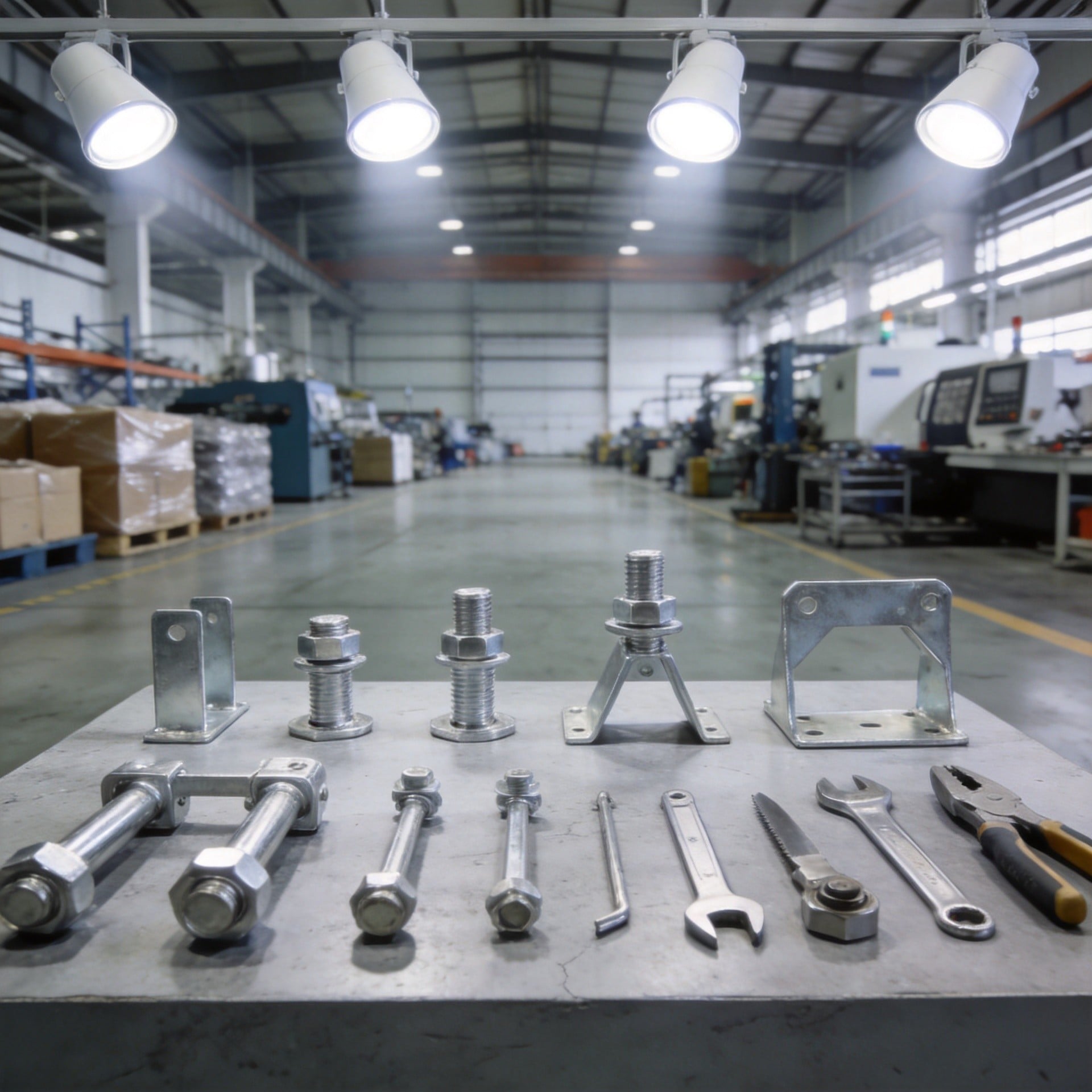
Installing a Pipe Rack System requires careful planning, precise execution, and thorough inspection to ensure safe, reliable operation in industrial environments. A properly installed industrial pipe support structure protects your facility's infrastructure, maintains code compliance, and prevents costly downtime caused by pipe failures or misalignment. Whether you are upgrading an existing system or installing a modular piping framework for the first time, understanding the installation process is critical for long-term performance and safety.
The installation of a heavy-duty pipe mounting solution involves multiple stages, from site assessment and component preparation through final testing and certification. Each step directly impacts system integrity, operational efficiency, and worker safety throughout the facility's operational life. This guide walks you through the complete installation workflow, providing actionable insights that help you avoid common mistakes and achieve professional results.
Before you begin installing your industrial pipe support structure, conduct a thorough site assessment to identify existing infrastructure, load-bearing capacity, and environmental conditions. Measure the exact dimensions of your installation space, including ceiling height, wall positions, and potential obstacles that might interfere with the modular piping framework. Document soil conditions, floor composition, and any corrosive elements present, as these factors directly influence anchor specifications and material selection for your heavy-duty pipe mounting solution.
Create a detailed installation layout that clearly marks anchor points, pipe routes, and support intervals. Use CAD drawings or scaled diagrams to visualize the final system and identify any conflicts early. Verify that all structural supports can handle the combined weight of pipes, fluid contents, and accessories. Consult structural engineers if your facility has unusual architectural features or if load calculations exceed standard thresholds for typical industrial pipe support structures.
Organize all components before installation begins, including brackets, fasteners, pipe sections, and welding materials. Verify that each piece matches your specifications and purchase order, checking for manufacturing defects, corrosion, or damage. A modular piping framework must have all parts functioning perfectly to maintain system integrity and reliability. Sort components by installation sequence to streamline the workflow and minimize disruptions.
Inspect all fasteners for proper threading, coating integrity, and size accuracy. Heavy-duty pipe mounting solutions depend on high-quality hardware to distribute loads evenly and prevent failure. If you discover defective components, contact your supplier immediately and do not proceed until replacements arrive and are verified.
Begin by positioning the primary support columns of your industrial pipe support structure according to your layout plan. Use laser levels and plumb bobs to ensure perfect vertical alignment, as even slight deviations compound across multiple support points and compromise system performance. Mark anchor locations precisely on the foundation, then drill or prepare mounting holes according to specifications. For modular piping frameworks, proper alignment prevents stress concentrations and ensures uniform load distribution throughout the system.
Install anchor bolts into prepared locations, ensuring they sit flush with the foundation surface. Tighten bolts in a cross-pattern sequence to distribute clamping force evenly and prevent warping or misalignment of the base assembly. Use a calibrated torque wrench to apply the exact torque specified for your heavy-duty pipe mounting solution, as under-tightening creates movement and over-tightening risks thread damage or bolt failure.
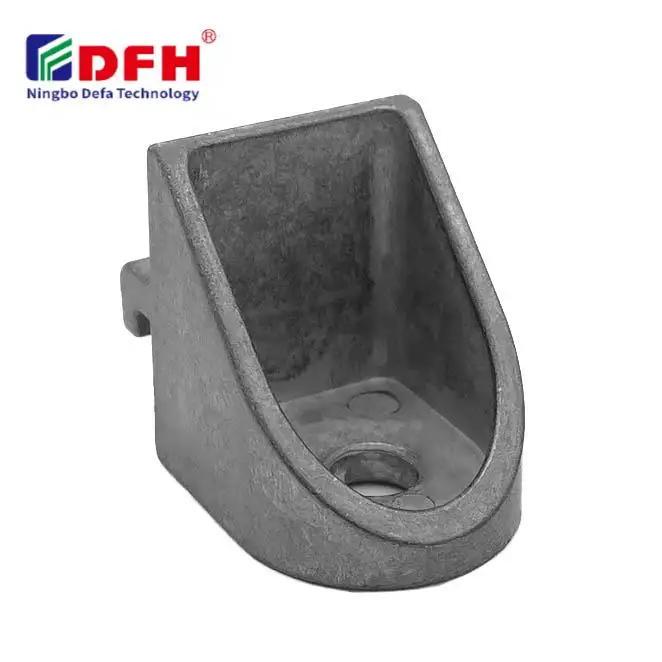
Once primary columns are secured, install support brackets that will carry the individual pipes. Each bracket must be positioned at the exact height and angle specified in your design documentation. Brackets on a pipe rack system require proper orientation to direct loads vertically downward, preventing lateral forces from destabilizing the structure. If your industrial pipe support structure includes offset or angled brackets, verify alignment using digital inclinometers before final tightening.
Secure brackets using high-strength fasteners rated for your pipe diameter and fluid pressure class. A modular piping framework gains reliability from consistent, deliberate fastening practices applied uniformly across all connection points. Apply thread-locking compound to critical fasteners to prevent vibration-induced loosening, particularly in systems handling high-flow or high-pressure fluids.
Position individual pipes onto the installed brackets, starting from lowest elevation and working upward. Ensure pipes rest completely within brackets without gaps or contact points that could cause vibration or stress concentration. A well-designed industrial pipe support structure distributes weight uniformly along the pipe length rather than creating pressure points at mounting locations. Space support intervals according to pipe diameter, wall thickness, and material specifications to prevent sagging or deflection.
Verify that all pipes follow the planned route without obstruction or interference with building systems, equipment, or walkways. Maintain adequate clearance from electrical lines, HVAC ducts, and other utilities. Your heavy-duty pipe mounting solution must allow room for thermal expansion, so use adjustable brackets where temperature fluctuations are expected. Document final pipe positions with photographs and measurements for future maintenance reference.
Connect all pipe ends using appropriate threaded fittings, flanged connections, or welded joints according to your system design and applicable codes. Inspect all connection points for proper sealing and correct orientation before pressurizing. A modular piping framework requires careful attention to connection quality to prevent leaks that could threaten safety or operational continuity.
Conduct a full pressure test of the complete pipe rack system before commissioning. Gradually increase pressure while monitoring all joints, brackets, and fasteners for signs of leakage or movement. Document test results, including maximum pressure achieved and any observations. Professional inspection and certification by qualified engineers provide assurance that your industrial pipe support structure meets all applicable safety and performance standards.
Load capacity depends on pipe diameter, wall thickness, material type, and fluid properties. A heavy-duty pipe mounting solution must support the pipe weight, fluid weight, and any accessories or insulation. Calculate combined loads and verify that your bracket spacing and fastener ratings exceed these totals by at least the specified safety factor, typically 1.5 to 2.0 for industrial applications. Consult engineering specifications for your specific pipe dimensions and installation environment.
Thermal expansion occurs when temperature changes cause pipes to expand or contract, creating stress on rigid connections and supports. Use adjustable bracket systems with sliding or hinged mounts that allow controlled movement in the direction of primary expansion. At fixed support points, apply flexible couplings or bellows-type expansion joints to absorb length changes without transferring stress to the pipe rack system itself. Monitor expansion during commissioning and adjust support positions if movement exceeds tolerance limits.
Perform visual inspections monthly to check for corrosion, loose fasteners, or visible damage to your industrial pipe support structure. Retorque critical fasteners every six months and apply fresh protective coatings annually to prevent rust and material degradation. Test connections and check for leaks quarterly, especially in high-temperature or high-pressure applications. Maintain detailed maintenance records to track system condition and plan replacement needs before failure occurs.
2026/09/30
Source aluminum profiles for versatile modular framing. Learn extrusion mechanics, strength benefits & corrosion resistance. Request details.
2026/09/30
Source aluminum profiles for construction projects. Learn structural framing, cladding & window benefits for maximum ROI. Download guide.
2026/09/30
Source optimal aluminum profile sizing techniques. Evaluate load, space, alloy, environment & cost factors to prevent deflection. Download guide.
2026/09/30
Struggling with fastener failures or rework? Master screw sizing by diameter, pitch, material, and load—plus industry-specific standards. Optimize reliability & compliance now.
2026/09/30
Source aluminum profiles for industrial engineering. Discover strength-to-weight ratios, corrosion resistance & 30% cost savings. Download guide.
2026/09/30
Source heat-resistant aluminum profile systems. Master thermal expansion science & stress management strategies for industrial builds. Download guide.