EN
EN
What is Aluminum Profile and How Does It Work?
2026/09/30
Source aluminum profiles for versatile modular framing. Learn extrusion mechanics, strength benefits & corrosion resistance. Request details.

2026/09/03
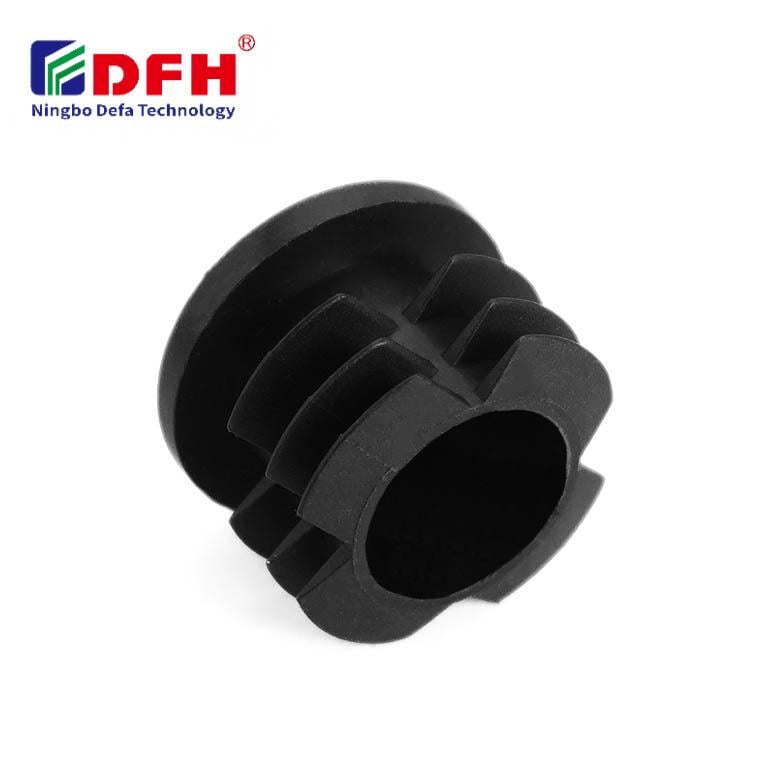
Designing a pipe rack system is one of the most critical infrastructure decisions in industrial facilities, refineries, chemical plants, and power generation stations. A well-designed pipe rack system forms the backbone of efficient fluid transport, utility routing, and equipment interconnection across your entire operation. The success of your facility depends on careful planning, precise structural calculations, and adherence to industry standards that govern heavy-duty pipe mounting solutions.
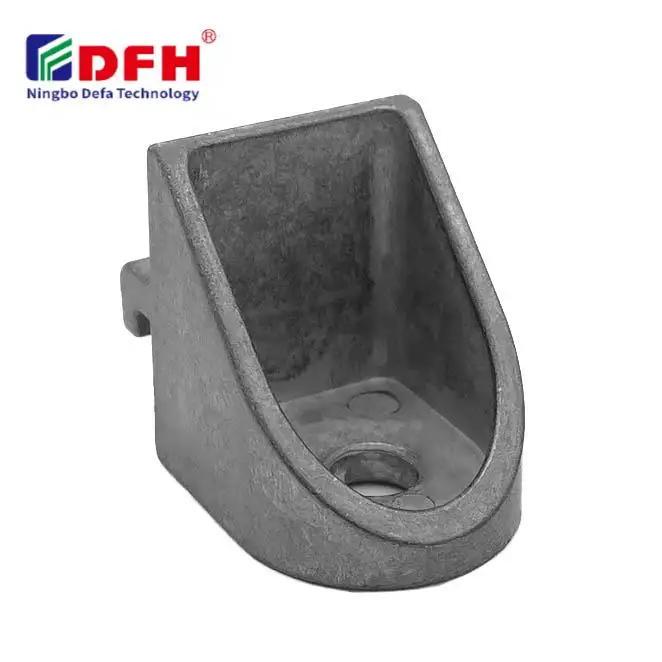
Building an effective industrial pipe support structure requires understanding load demands, environmental conditions, regulatory compliance, and long-term maintenance accessibility. Your facility's operational efficiency, safety profile, and lifecycle costs all hinge on how thoughtfully you approach the initial design phase. This guide walks you through essential design principles, structural considerations, and practical strategies for creating a robust modular piping framework that serves your operations reliably for decades.
The foundation of any pipe rack system design begins with comprehensive load analysis. You must calculate dead loads from the pipes, fittings, insulation, and permanent equipment, then add operational loads including fluid weight, pressure variations, and thermal expansion forces. A proper heavy-duty pipe mounting solution accounts for dynamic loads from vibration, shock loads from pressure surges, and environmental loads such as wind, seismic activity, and snow accumulation depending on your geographic location.
Material selection for your industrial pipe support structure directly influences structural performance and lifecycle cost. Carbon steel remains the industry standard for most applications due to its strength-to-weight ratio and cost-effectiveness, though stainless steel, composite materials, and specialized alloys may be necessary in corrosive or high-temperature environments. Your modular piping framework must accommodate thermal expansion and contraction cycles, vibration isolation, and the ability to adjust or reconfigure connections as process requirements evolve over time.
Pipe spacing in your rack system must balance structural efficiency with operational accessibility and maintenance requirements. Industry standards typically recommend maintaining minimum clearances between parallel pipes to allow for inspection, cleaning, and repair operations without disassembling adjacent components. Your heavy-duty pipe mounting solution should also consider elevation gradients necessary for drainage, ensuring that gravity-dependent systems function properly and preventing accumulation of condensates or trapped liquids that could cause corrosion or pressure buildup.
Vertical elevation strategy within an industrial pipe support structure directly impacts flow characteristics and system reliability. Sloping piping toward collection points minimizes stagnant zones, supports self-draining capabilities, and reduces maintenance burden. A well-planned modular piping framework incorporates ladder access routes, platform areas for equipment inspection, and cable trays or conduit pathways for electrical and instrumentation systems running parallel to process pipes.
Your pipe rack system's skeletal structure typically consists of vertical columns, primary beams, secondary beams, and lateral bracing systems that work together to distribute loads safely to the foundation. Column spacing directly affects beam sizing and overall material consumption; closer spacing reduces individual beam spans and deflection but increases column quantity and foundation loads. An optimized industrial pipe support structure balances these competing factors to minimize total material volume while maintaining deflection limits typically specified at L/240 to L/360 depending on code requirements and operational sensitivity.
Lateral stability in a heavy-duty pipe mounting solution comes from cross-bracing patterns, shear walls, or specialized moment-resistant connections that resist wind forces, seismic loading, and operational vibrations. Your modular piping framework must incorporate expansion joints or pin connections at strategic locations to accommodate thermal growth, preventing excessive stresses that could compromise structural integrity. Corrosion protection through galvanizing, coating systems, or material selection ensures your infrastructure maintains design capacity throughout its operational life.
The foundation system for your pipe rack system must be sized based on soil conditions, bearing capacity, settlement characteristics, and regional seismic or environmental hazards. Detailed geotechnical investigation determines foundation depth, type (pile, spread footing, or mat foundation), and reinforcement requirements. An industrial pipe support structure's foundation inadequacy can cascade into alignment problems, connection failures, and catastrophic incidents; therefore, foundation design deserves equal engineering rigor as the superstructure itself.
Modern facility design increasingly favors modular approaches where your pipe rack system components can be standardized, replicated, and reconfigured as operational needs evolve. A modular piping framework allows you to add sections, relocate equipment, or adjust piping routes with minimal disruption to existing infrastructure. This flexibility reduces downtime during process modifications and capital project expansions, directly improving return on infrastructure investment over the facility's lifetime.
Designing a flexible heavy-duty pipe mounting solution requires proportioned spacing, standardized connection details, and reserve capacity planning. Anticipate future capacity increases, process improvements, and regulatory changes by incorporating 15 to 25 percent spare capacity in your structural design. Your industrial pipe support structure should include utility corridors and routing flexibility that accommodates future electrical, instrumentation, and mechanical systems without requiring major structural modifications.
A well-designed pipe rack system prioritizes maintenance worker safety and operational efficiency through thoughtful layout planning. Provide safe access routes, handholds, and platform areas near critical connections, valves, and instrumentation points. Your modular piping framework should minimize suspended work requirements and enable trained personnel to perform routine inspections, cleaning, and minor repairs without specialized equipment or extended facility shutdowns. Clear spatial organization reduces confusion during emergency response and emergency isolation procedures.
The primary standards include ASME B31.3 for process piping, API 650 for atmospheric storage, and local building codes that apply to your jurisdiction. Additionally, OSHA regulations govern worker safety, and many facilities adopt NFPA standards for specific applications. Your design engineer must verify compliance with all applicable codes and obtain necessary engineering approvals before construction begins on your industrial pipe support structure.
Thermal expansion creates longitudinal stress in rigid pipe racks that can exceed material yield strength if not properly managed through expansion joints, flexible supports, or intentional offset routing. Vibration from compressors, pumps, and flowing media can fatigue support connections and cause resonance if natural frequencies align with operating frequencies. Your modular piping framework must include vibration isolation devices, elastomeric supports, or damping systems to minimize these destructive forces and extend component life.
Design timeline typically ranges from 6 to 16 weeks depending on complexity, size, and regulatory requirements. Preliminary budgeting for design engineering usually represents 3 to 8 percent of total construction cost. Early engagement with experienced structural engineers, equipment vendors, and local inspectors accelerates the process and prevents costly revisions. Investing adequate time and resources in thorough design upfront prevents expensive field modifications, construction delays, and operational inefficiencies.
2026/09/30
Source aluminum profiles for versatile modular framing. Learn extrusion mechanics, strength benefits & corrosion resistance. Request details.
2026/09/30
Source aluminum profiles for construction projects. Learn structural framing, cladding & window benefits for maximum ROI. Download guide.
2026/09/30
Source optimal aluminum profile sizing techniques. Evaluate load, space, alloy, environment & cost factors to prevent deflection. Download guide.
2026/09/30
Struggling with fastener failures or rework? Master screw sizing by diameter, pitch, material, and load—plus industry-specific standards. Optimize reliability & compliance now.
2026/09/30
Source aluminum profiles for industrial engineering. Discover strength-to-weight ratios, corrosion resistance & 30% cost savings. Download guide.
2026/09/30
Source heat-resistant aluminum profile systems. Master thermal expansion science & stress management strategies for industrial builds. Download guide.