EN
EN
What is Aluminum Profile and How Does It Work?
2026/09/30
Source aluminum profiles for versatile modular framing. Learn extrusion mechanics, strength benefits & corrosion resistance. Request details.

2026/09/04
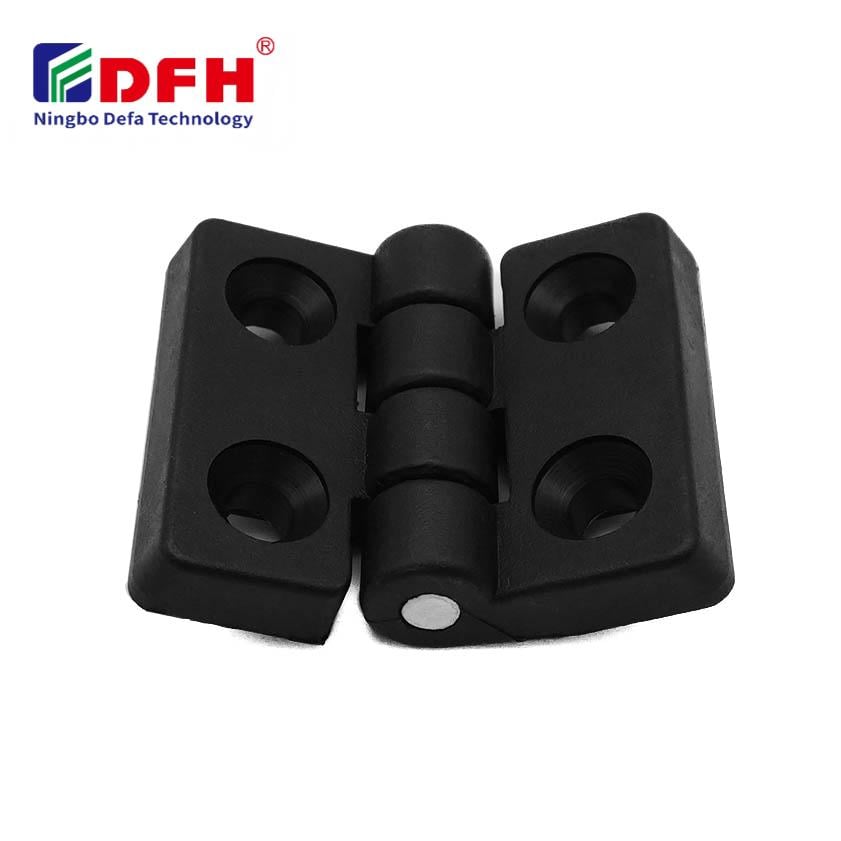
Adjusting leveling feet safely is essential for maintaining equipment stability, preventing damage to floors, and ensuring optimal performance across industrial and commercial environments. Whether you're working with machinery, furniture, or specialized equipment, understanding the proper technique for adjusting leveling feet can prevent costly mistakes and extend the lifespan of your installations. This comprehensive guide walks you through best practices, safety considerations, and practical steps for achieving stable, level installations every time.
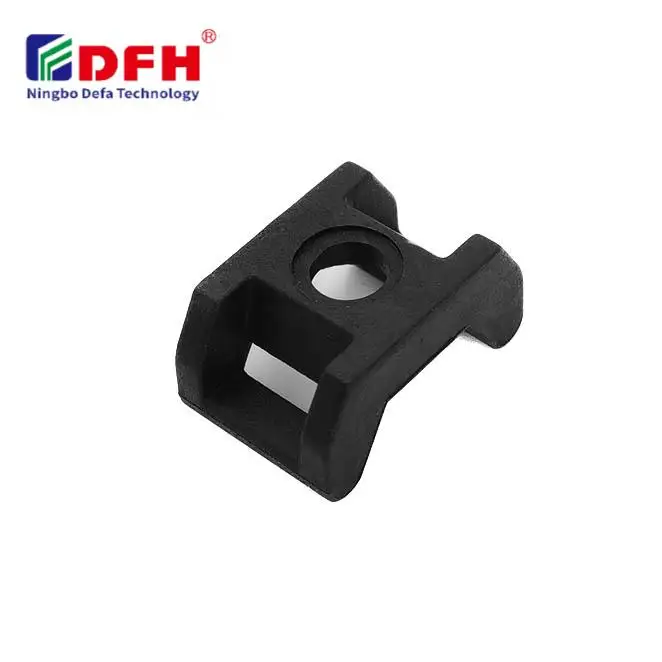
Proper leveling is not just about aesthetics—it directly impacts equipment longevity, operational safety, and energy efficiency. Uneven surfaces create stress points on machinery frames, accelerate wear on moving components, and can cause vibration-related failures. When you understand how to work with adjustable leveling feet correctly, you protect your investment and create a foundation for reliable performance.
Adjustable leveling feet are mechanical components designed to compensate for uneven floor surfaces and maintain equipment alignment. These furniture leveling pads typically feature a threaded bolt mechanism that allows vertical height adjustment without moving the entire piece. The feet support equipment weight while the leveling feet absorb minor floor irregularities, vibration, and thermal expansion. Modern equipment stabilizer feet come in various materials—rubber, nylon, or elastomer compounds—each chosen for specific floor protection and stability requirements.
Improper adjustment of furniture leveling pads can cause equipment to tip, slide, or settle unevenly over time. When adjustable leveling feet are tightened incorrectly, the base frame may warp or crack under uneven load distribution. Safety becomes critical in industrial settings where large machinery relies on proper equipment stabilizer feet positioning. Rushing through the adjustment process risks floor damage, equipment misalignment, and personal injury. Taking time to follow proper procedures ensures your installation remains stable and secure throughout its operational life.
Before adjusting any leveling feet, gather a precision level, appropriately sized wrenches or adjustment tools, and locate all furniture leveling pads on your equipment. Turn off and unplug electrical equipment if applicable, then position it carefully away from walkways. Use your level to check the current position in both directions—front-to-back and side-to-side. Document the current angles so you understand which adjustable leveling feet require adjustment and by how much. This assessment phase prevents unnecessary adjustments and identifies potential structural issues before they worsen.
Begin adjusting equipment stabilizer feet in a diagonal pattern rather than one side at a time. Start at one corner, make a small adjustment—typically one-quarter to one-half turn—then move to the opposite diagonal foot. This cross-pattern distribution prevents the equipment from tilting during the process. After each adjustment cycle, check your level reading again and make note of changes. Work slowly and deliberately; rushing leads to over-tightening and binding. The goal is smooth, even contact between all furniture leveling pads and the floor surface, with consistent weight distribution across all four feet.
Once the equipment sits level in both directions, perform a final level check and gently rock the unit side-to-side and front-to-back to confirm stability. All adjustable leveling feet should maintain firm contact with the floor throughout this test. If you notice any lifting or movement, make micro-adjustments to individual feet until all movement stops. After confirming stability, slightly snug the lock nuts on your equipment stabilizer feet if they have them—just enough to prevent rotation, but not so tight that you risk stripping threads or damaging the foot base. Many modern furniture leveling pads use nylon or elastomer components that can crack under excessive force.
The most frequent mistake is over-tightening adjustable leveling feet, which can crack elastomer pads, strip adjustment threads, or permanently deform the foot mechanism. When tightening lock nuts, use moderate hand pressure only—if you need a power tool or excessive force, you're likely applying too much stress. Over-tightened leveling feet often cause premature failure and require expensive replacement. Remember that furniture leveling pads are designed to flex slightly, which helps absorb vibration and protects your equipment. Never use impact tools or apply sudden force when adjusting equipment stabilizer feet.
Uneven leveling creates concentrated stress points on equipment frames and floors. When only some of your adjustable leveling feet make full contact with the floor, the unloaded feet cannot absorb their share of the equipment weight. This imbalance forces the frame to absorb excess load and creates internal stress that eventually causes cracks or warping. Proper use of furniture leveling pads means ensuring all feet share the load equally. Using only one or two leveling feet to compensate for major floor unevenness is ineffective and dangerous; instead, assess whether you need a different solution for severely uneven surfaces.
The surface beneath your equipment stabilizer feet significantly affects stability and foot performance. Uneven concrete, warped wooden floors, or tilted surfaces require more careful adjustment of adjustable leveling feet but remain manageable with proper technique. Damaged or degraded floor surfaces may not provide adequate support even with correctly adjusted furniture leveling pads. Periodically inspect both the floor surface and your leveling feet for wear, cracks, or deterioration. Environmental changes like humidity, temperature fluctuations, and settling floors can require occasional re-leveling to maintain optimal equipment performance.
Check your adjustable leveling feet every six months to one year, or immediately after relocating equipment. Heavy machinery may require more frequent checks, particularly after increased vibration or thermal cycling. Environmental changes like floor settling or temperature swings can shift equipment position. If you notice vibration, movement, or noise from your furniture leveling pads, perform a level check right away. Regular inspection prevents small misalignments from becoming major problems.
If your adjustable leveling feet won't stay locked, first verify you're not over-tightening, which can damage the locking mechanism. Check that the lock nut threads are clean and undamaged. If the problem persists, the furniture leveling pads may be worn and need replacement. Apply medium threadlock compound (not permanent strength) to the adjustment bolt before installing a new set of leveling feet. This prevents vibration from loosening your adjustments without making future adjustments impossible.
Standard adjustable leveling feet typically have about one-half to three-quarter inch adjustment range. For floor variations exceeding one inch, leveling feet alone won't solve the problem. Instead, consider shim materials under the feet or invest in specialized wide-range equipment stabilizer feet designed for rough surfaces. Major floor unevenness indicates you may need to address the floor itself through leveling compound or professional smoothing. Always assess whether furniture leveling pads are the right solution before attempting extreme adjustments.
2026/09/30
Source aluminum profiles for versatile modular framing. Learn extrusion mechanics, strength benefits & corrosion resistance. Request details.
2026/09/30
Source aluminum profiles for construction projects. Learn structural framing, cladding & window benefits for maximum ROI. Download guide.
2026/09/30
Source optimal aluminum profile sizing techniques. Evaluate load, space, alloy, environment & cost factors to prevent deflection. Download guide.
2026/09/30
Struggling with fastener failures or rework? Master screw sizing by diameter, pitch, material, and load—plus industry-specific standards. Optimize reliability & compliance now.
2026/09/30
Source aluminum profiles for industrial engineering. Discover strength-to-weight ratios, corrosion resistance & 30% cost savings. Download guide.
2026/09/30
Source heat-resistant aluminum profile systems. Master thermal expansion science & stress management strategies for industrial builds. Download guide.