EN
EN
What is Aluminum Profile and How Does It Work?
2026/09/30
Source aluminum profiles for versatile modular framing. Learn extrusion mechanics, strength benefits & corrosion resistance. Request details.

2026/09/14
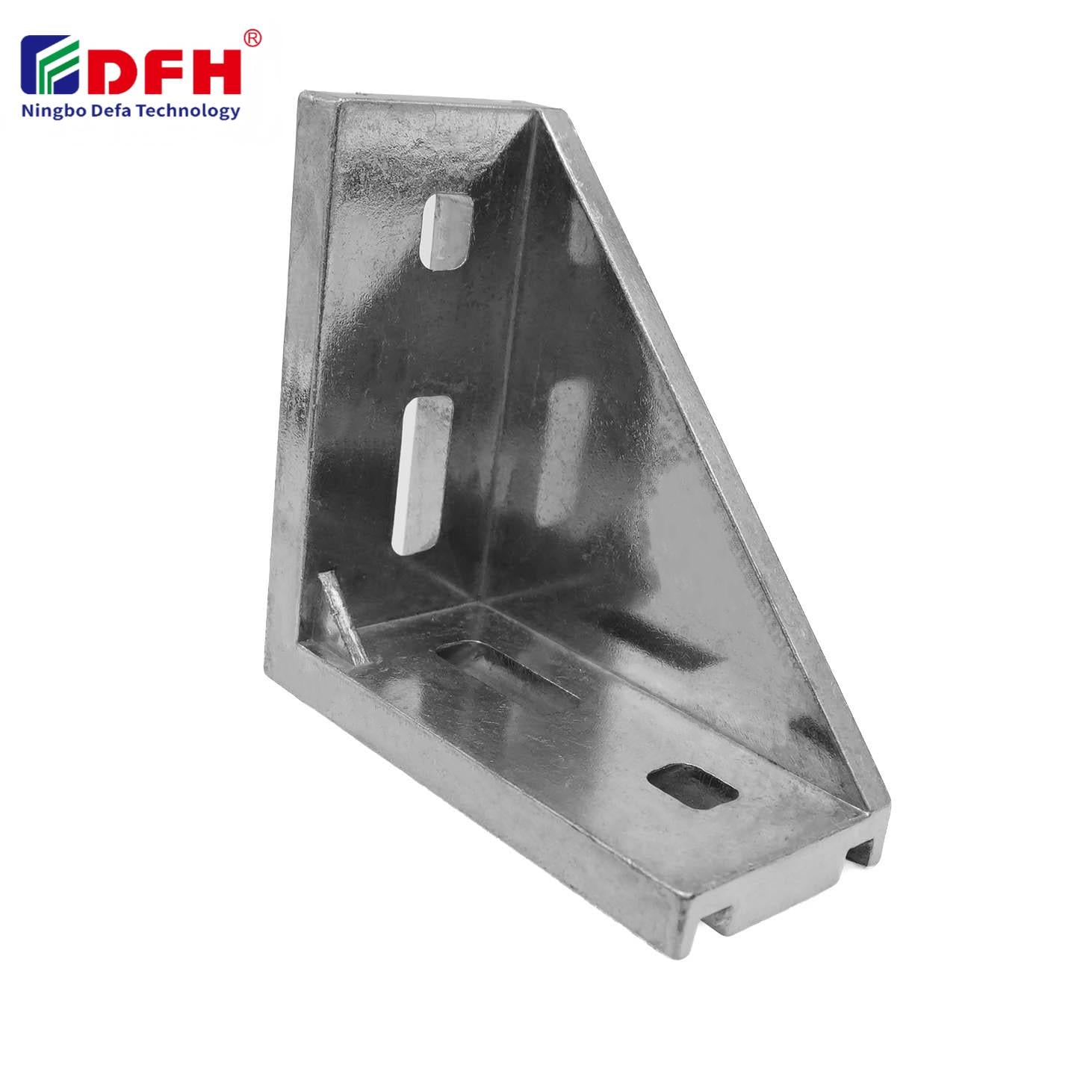
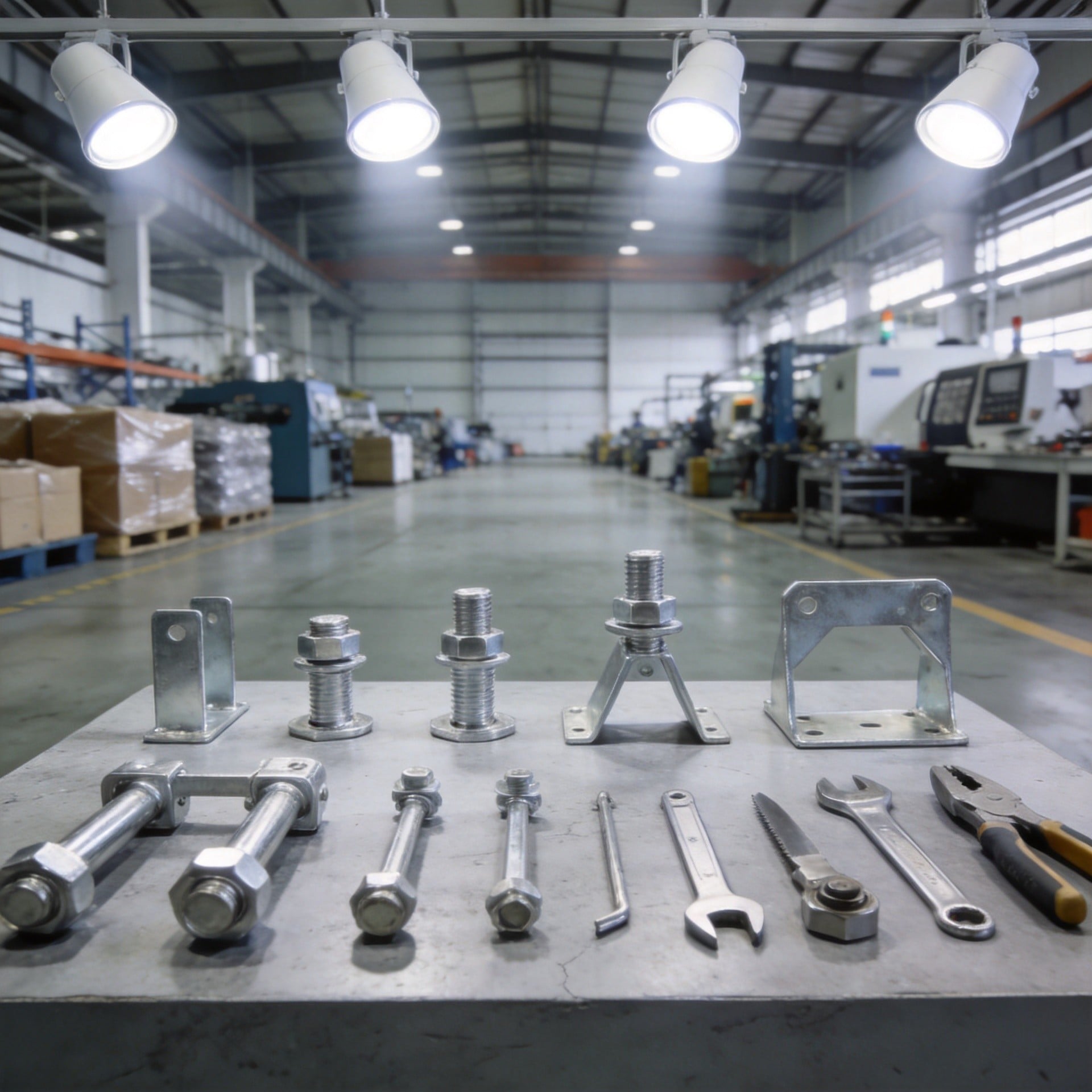
Proper maintenance of an aluminum profile is essential for extending its lifespan and ensuring optimal performance in industrial applications. Aluminum profiles are widely used in structural framing, machinery components, and architectural designs due to their lightweight nature and corrosion resistance. However, exposure to environmental elements, moisture, and contaminants can gradually degrade the surface and compromise functionality. Establishing a structured maintenance routine protects your investment and prevents costly downtime or replacement cycles.
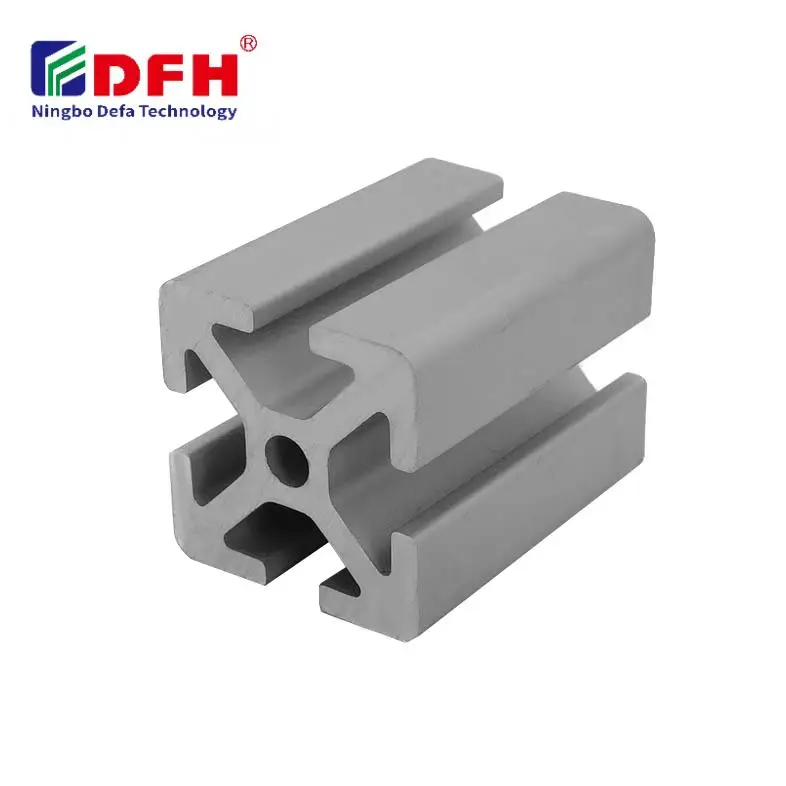
Regular maintenance transforms aluminum extrusion systems into reliable, long-lasting assets. Whether you work with industrial aluminum components in manufacturing, construction, or assembly environments, understanding maintenance best practices ensures consistent performance. This guide covers practical strategies for cleaning, inspecting, and protecting aluminum profiles to keep them in peak condition.
Keeping aluminum profiles clean is the foundation of any maintenance program. Dust, dirt, and environmental pollutants accumulate on surfaces over time, potentially trapping moisture and accelerating corrosion. Use soft brushes or microfiber cloths to remove loose debris gently without scratching the aluminum extrusion finish. For light soiling, lukewarm water mixed with mild detergent works effectively. Apply the solution with a soft cloth, working in the direction of the grain, then rinse thoroughly with clean water and dry immediately to prevent water spotting.
Industrial environments often expose aluminum structural framing to stubborn stains, grease, or chemical residues. For these situations, use specialized aluminum cleaners that dissolve contaminants without damaging the protective oxide layer. Always test cleaning agents on inconspicuous areas first. Avoid abrasive scrubbers, steel wool, or harsh acids that can pit or discolor the surface. After treatment, rinse multiple times with distilled water to remove all residue, then dry completely. This careful approach preserves the integrity of your aluminum profile investment.
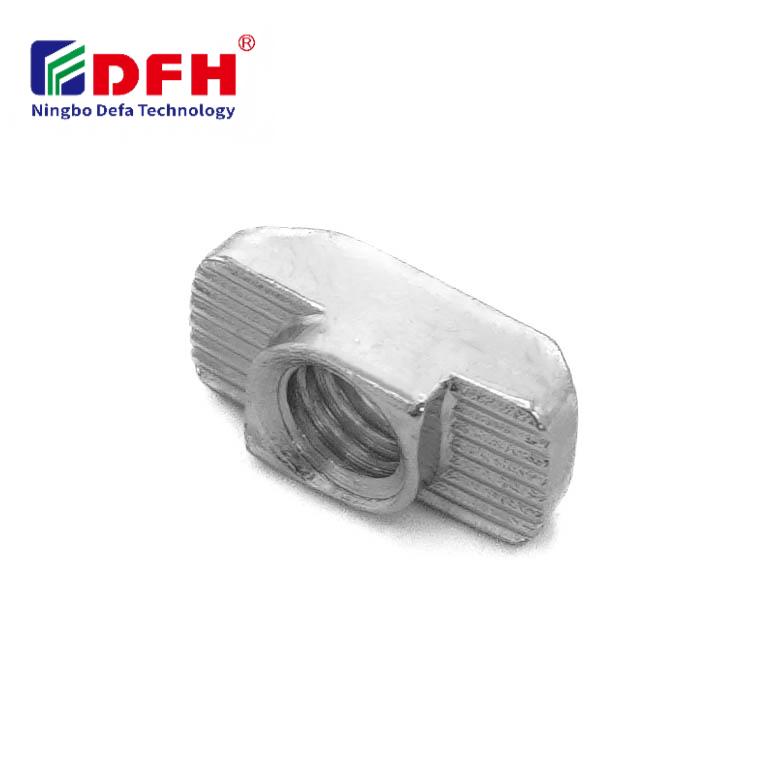
Monthly visual inspections help identify problems before they become serious. Look for surface discoloration, white powdery deposits, or dark spots that may indicate early corrosion or oxidation. Check joints and connection points where aluminum extrusion components meet other materials, as these areas are moisture traps. Examine fasteners and hardware for rust or corrosion that could migrate to the aluminum profile. Document findings in a maintenance log to track patterns over time. Early detection allows you to address issues promptly and prevent structural compromise.
Physical damage reduces the protective properties of industrial aluminum components. Inspect for dents, cracks, scratches, or bent sections that expose underlying metal. Minor scratches can be touched up with appropriate aluminum sealers to prevent corrosion starting points. Deeper damage may require professional repair or section replacement depending on the application. Pay particular attention to areas subject to vibration, movement, or frequent handling. Addressing mechanical damage quickly maintains the structural integrity of your aluminum structural framing system.
Protective coatings create a barrier against moisture and corrosive elements. Anodized aluminum extrusion offers excellent protection when maintained properly. For additional protection, consider applying clear polymer coatings or waxes specifically designed for aluminum. These treatments enhance the natural oxide layer and provide UV resistance. Apply coatings according to manufacturer specifications, typically every 12 to 18 months depending on environmental exposure. In harsh industrial or coastal environments, annual applications may be necessary. Well-maintained coatings significantly extend the service life of your aluminum profile investment.
Controlling the environment around industrial aluminum components prevents degradation. Maintain proper ventilation to minimize moisture accumulation, particularly in indoor storage or assembly areas. Separate aluminum extrusion from incompatible materials like copper or untreated steel, which can trigger galvanic corrosion. Store profiles in dry conditions away from direct sunlight when not in use. Use protective covers or tarps for long-term outdoor storage. In aggressive environments with salt spray, chemical exposure, or high humidity, increased protection and more frequent inspection cycles become essential. Environmental management reduces maintenance frequency and extends aluminum structural framing durability.
Monthly visual inspections and quarterly deep cleaning represent a practical maintenance baseline for most industrial environments. High-contamination or coastal areas may require monthly cleaning. Establish inspection schedules based on your specific application and environmental conditions. More frequent attention prevents small issues from becoming expensive problems with industrial aluminum components.
Mild household cleaners with neutral pH are generally safe for aluminum extrusion surfaces. Avoid bleach, ammonia, or highly acidic cleaners that damage the protective oxide layer. Test any new cleaning product on a small area first. For industrial-grade cleaning needs, use specialized aluminum cleaners formulated for your specific surface finish.
Professional intervention becomes necessary when you observe pitting corrosion, structural cracks, severe discoloration that doesn't respond to cleaning, or widespread coating failure on aluminum profiles. Also seek expert help if fasteners corrode rapidly or if you notice movement or misalignment in structural components. Early professional assessment prevents safety issues and costly emergency repairs to your aluminum extrusion systems.
2026/09/30
Source aluminum profiles for versatile modular framing. Learn extrusion mechanics, strength benefits & corrosion resistance. Request details.
2026/09/30
Source aluminum profiles for construction projects. Learn structural framing, cladding & window benefits for maximum ROI. Download guide.
2026/09/30
Source optimal aluminum profile sizing techniques. Evaluate load, space, alloy, environment & cost factors to prevent deflection. Download guide.
2026/09/30
Struggling with fastener failures or rework? Master screw sizing by diameter, pitch, material, and load—plus industry-specific standards. Optimize reliability & compliance now.
2026/09/30
Source aluminum profiles for industrial engineering. Discover strength-to-weight ratios, corrosion resistance & 30% cost savings. Download guide.
2026/09/30
Source heat-resistant aluminum profile systems. Master thermal expansion science & stress management strategies for industrial builds. Download guide.