EN
EN
What is Aluminum Profile and How Does It Work?
2026/09/30
Source aluminum profiles for versatile modular framing. Learn extrusion mechanics, strength benefits & corrosion resistance. Request details.

2026/09/11
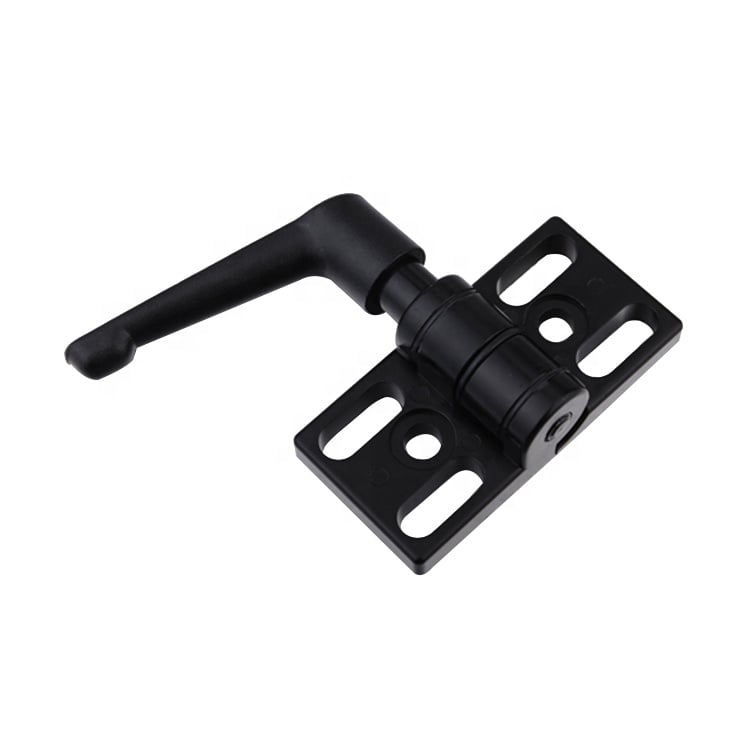
An Aluminum Profile is one of the most durable materials available for industrial construction, architectural systems, and equipment framing. When properly manufactured, installed, and maintained, aluminum profiles can deliver exceptional longevity, often exceeding 30 to 50 years in typical applications. However, the actual lifespan depends on numerous factors including material grade, surface treatment, environmental exposure, operational stress, and maintenance practices. Understanding these variables is essential for engineers, manufacturers, and facility managers who depend on aluminum extrusion components for critical infrastructure and production systems.
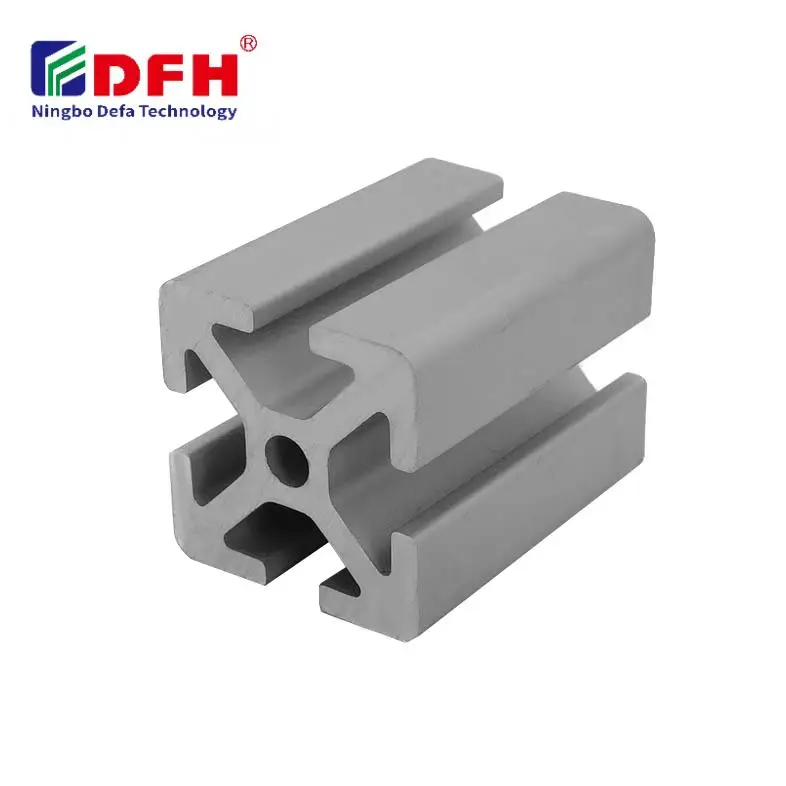
The durability of aluminum structural framing depends on recognizing that different grades, alloys, and environmental conditions produce dramatically different service lives. A residential window frame exposed to moderate climates may last 40 years or more, while an industrial aluminum extrusion used in a coastal salt-spray environment requires premium corrosion protection to achieve even 20 years. This guide explores the key factors influencing aluminum profile longevity, practical maintenance strategies, and how to optimize performance across diverse industrial aluminum components.
The specific alloy composition of an aluminum profile dramatically influences how long it will remain serviceable. Common aerospace-grade alloys like 6063 and 6061 offer excellent strength-to-weight ratios and superior corrosion resistance compared to lower-grade alloys. Industrial aluminum components manufactured from 6063 extrusion typically perform well in indoor factory environments, architectural applications, and moderate outdoor exposure. When an aluminum extrusion is specified for harsh chemical environments, coastal regions, or high-temperature industrial settings, premium alloys with enhanced corrosion resistance become necessary to avoid premature degradation.
An untreated aluminum profile will develop a natural oxide layer that provides basic protection, but this passive defense is insufficient for demanding applications. Anodizing creates a controlled oxide surface layer that significantly extends service life by preventing moisture and corrosive agents from reaching the base metal. Powder coating, liquid paint systems, and specialized composite coatings offer additional protection layers tailored to specific environmental challenges. Industrial aluminum components used in food processing plants, pharmaceutical facilities, or salt-air maritime environments benefit tremendously from multi-layer protection systems that can extend effective service life by 15 to 25 years compared to bare aluminum profiles.
Geographic location and atmospheric conditions are primary determinants of aluminum structural framing durability. Inland temperate climates with controlled humidity and mild temperature fluctuations allow aluminum extrusion components to perform reliably for 40 to 50 years with minimal intervention. Coastal environments introduce salt spray, moisture, and chloride ions that accelerate corrosion through galvanic mechanisms and pitting. Desert regions present extreme temperature cycling and intense ultraviolet radiation that can degrade protective coatings over time. Industrial areas with high pollution, chemical vapors, or acid rain further reduce the expected lifespan of unprotected aluminum profiles, potentially limiting service life to 15 to 20 years unless premium corrosion protection is implemented.
The mechanical demands placed on aluminum extrusion components directly affect long-term durability and fatigue resistance. Structural framing subjected to constant dynamic loads, vibration, or cyclic stress experiences gradual material fatigue that can initiate micro-cracks at stress concentration points. Properly designed aluminum profiles with adequate wall thickness, strategic reinforcement ribs, and careful load path design can operate indefinitely under static loads within design limits. However, repetitive shock loads, impact events, or sustained loads near yield strength gradually degrade material properties and reduce effective lifespan. Industrial aluminum components in printing presses, conveyor systems, or automation equipment may require replacement after 20 to 30 years due to accumulated fatigue, even if corrosion protection remains intact.
Systematic maintenance programs are essential for maximizing aluminum profile service life and identifying degradation before critical failures occur. Regular visual inspections can detect early signs of corrosion, coating damage, paint peeling, or micro-crack formation. Cleaning aluminum extrusion surfaces with mild detergent and soft brushes removes accumulated dust, salt deposits, and chemical residues that accelerate corrosive attack. Annual inspections of fastener connections, seal integrity, and coating condition help identify maintenance priorities before problems cascade into structural concerns. For industrial aluminum components operating in severe environments, more frequent inspections every three to six months coupled with spot repainting or touch-up coating applications can extend service life by 10 to 15 additional years.
When aluminum profiles show localized corrosion, coating failure, or minor structural degradation, targeted repair and refurbishment strategies can restore function and extend overall service life. Replacing isolated fasteners, resealing connections, or spot-repainting damaged areas prevents water infiltration and halts progressive corrosion in early stages. Complete re-coating or re-anodizing of aging aluminum extrusion components can effectively reset the service life clock by 10 to 20 years, depending on the refurbishment method and environmental exposure level. Structural reinforcement through strategic welding, mechanical fastening of backing plates, or installation of supplementary bracing can address fatigue damage and extend the useful life of aluminum structural framing systems. Many industrial aluminum components originally designed for 30-year service life have been successfully refurbished for an additional 20 to 30 years through disciplined maintenance and selective replacement programs.
Most manufacturers offer warranties ranging from 5 to 10 years for aluminum extrusion components, though this represents a conservative guarantee rather than an accurate prediction of actual service life. Warranty periods protect against manufacturing defects and material failures under normal service conditions, not environmental degradation. Real-world aluminum profiles often perform reliably well beyond warranty periods—frequently 30 to 50 years—when exposed to benign environments and maintained according to manufacturer specifications. Extended service life depends more on environmental factors, maintenance discipline, and design appropriateness than on warranty terms.
Yes, aluminum profiles remain fully recyclable throughout their service life and after final removal from service, making them an environmentally responsible material choice. Industrial aluminum components can be melted and reformed into new extrusions without significant loss of material properties or quality degradation. This closed-loop recycling capability means that aged aluminum extrusion systems can be recovered and remanufactured into new applications. The recyclability of aluminum profiles contributes to their overall lifecycle value and supports sustainable industrial practices across manufacturing, construction, and infrastructure sectors.
Aluminum structural framing should be evaluated for replacement when visible corrosion penetrates deeply into the base metal, structural dimensions are compromised, coating systems fail across significant surface areas, or mechanical fatigue creates visible cracks or permanent deformation. Severe pitting that reduces wall thickness below design minimums, seepage of corrosive products into sealed compartments, or loss of electrical conductivity in grounding applications are clear signals that industrial aluminum components have reached end of service life. Regular inspections help identify these conditions early, allowing planned replacement rather than emergency failure response.
2026/09/30
Source aluminum profiles for versatile modular framing. Learn extrusion mechanics, strength benefits & corrosion resistance. Request details.
2026/09/30
Source aluminum profiles for construction projects. Learn structural framing, cladding & window benefits for maximum ROI. Download guide.
2026/09/30
Source optimal aluminum profile sizing techniques. Evaluate load, space, alloy, environment & cost factors to prevent deflection. Download guide.
2026/09/30
Struggling with fastener failures or rework? Master screw sizing by diameter, pitch, material, and load—plus industry-specific standards. Optimize reliability & compliance now.
2026/09/30
Source aluminum profiles for industrial engineering. Discover strength-to-weight ratios, corrosion resistance & 30% cost savings. Download guide.
2026/09/30
Source heat-resistant aluminum profile systems. Master thermal expansion science & stress management strategies for industrial builds. Download guide.