EN
EN
What is Aluminum Profile and How Does It Work?
2026/09/30
Source aluminum profiles for versatile modular framing. Learn extrusion mechanics, strength benefits & corrosion resistance. Request details.

2026/09/14
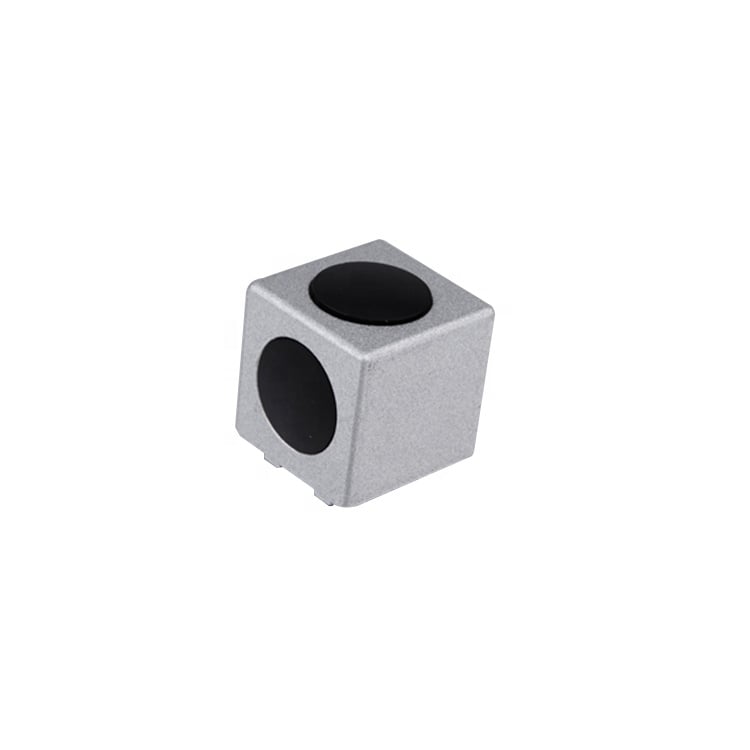
When evaluating materials for industrial applications, the cost comparison between aluminum profiles and alternative materials often determines project feasibility and long-term value. An aluminum profile serves as a foundational component in countless industries, from automotive manufacturing to structural framing systems. Understanding how aluminum extrusion pricing stacks up against competing materials requires a deeper look at total cost of ownership, material properties, and lifecycle expenses rather than initial purchase price alone.
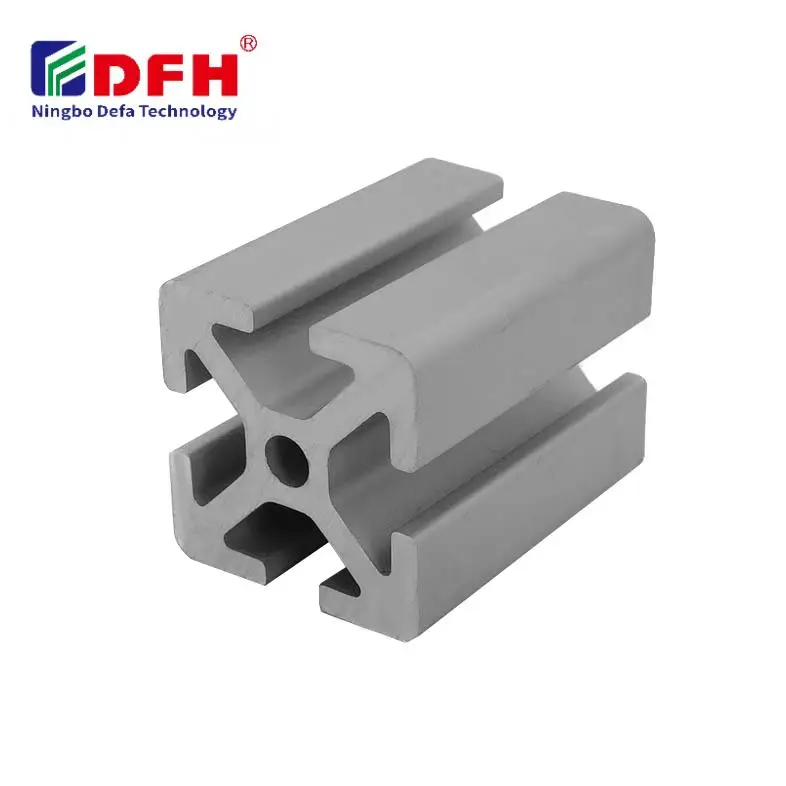
Many manufacturers and engineers face a critical decision when selecting materials for their projects. The choice between Aluminum Profile systems and alternatives like steel, plastic composites, or timber hinges on both upfront costs and performance expectations. This guide explores the financial and practical dimensions of this choice, helping you make data-driven decisions aligned with your operational requirements.
The starting point for any cost comparison involves examining baseline material pricing. Aluminum extrusion typically costs more per unit weight than steel but significantly less than titanium or advanced composites. Industrial aluminum components are often priced between midrange and premium compared to standard alternatives. Steel framing materials may have lower per-kilogram costs, yet aluminum structural framing offers superior weight-to-strength ratios that can offset the initial price differential.
Fluctuating commodity markets directly impact aluminum extrusion pricing. Global supply chains, energy costs, and production capacity influence what you pay at purchase. Bulk ordering of industrial aluminum components typically yields volume discounts, making large-scale projects more economically attractive than small prototype runs. Understanding these pricing dynamics helps you forecast budgets and negotiate supplier terms effectively.
Beyond raw material cost, fabrication complexity matters significantly. Aluminum structural framing often requires less machining than steel counterparts because aluminum is easier to cut, drill, and shape. This processing advantage reduces labor costs and production timelines. An aluminum profile's lightweight nature also simplifies handling during assembly, decreasing logistical expenses compared to heavier material alternatives that demand specialized equipment or additional workforce overhead.
Secondary operations like anodizing, painting, or specialized coatings add cost but enhance durability and appearance. Many industrial aluminum components benefit from protective treatments that extend service life and reduce maintenance intervention. These value-adding processes contribute to total manufacturing cost yet deliver measurable returns through improved corrosion resistance and aesthetic consistency across large installations.
Aluminum extrusion naturally resists corrosion through spontaneous oxidation, creating a protective oxide layer. This self-protecting characteristic significantly reduces long-term maintenance costs compared to untreated steel, which requires regular painting, coating reapplication, or rust removal. In harsh environments—coastal zones, chemical processing facilities, or high-moisture settings—an aluminum profile's inherent corrosion resistance justifies premium initial pricing through years of maintenance-free operation.
Industrial aluminum components placed in demanding conditions demonstrate superior longevity when properly specified. Steel alternatives may necessitate comprehensive protective systems, scheduled inspections, and periodic refurbishment. Aluminum structural framing minimizes these hidden costs, delivering transparent lifecycle economics. When you factor maintenance labor, downtime, material replacement, and environmental compliance into the equation, aluminum solutions often prove more cost-effective than initially apparent.
An aluminum profile's strength-to-weight ratio outperforms many alternatives, enabling lighter designs that reduce structural support requirements and transportation costs. Where steel might demand robust foundations and additional bracing, aluminum extrusion achieves equivalent performance with less material volume. This efficiency translates directly to project cost reduction across multiple categories: material savings, shipping expenses, installation labor, and energy consumption in applications requiring moving parts.
Industrial aluminum components excel in applications where weight constraints matter. Aerospace, automotive, and precision machinery industries leverage aluminum structural framing precisely because the material delivers premium strength without excessive mass penalty. The engineering flexibility inherent to aluminum enables designers to optimize systems that would be cost-prohibitive using denser alternatives.
Production facilities frequently select aluminum extrusion for conveyor systems, workstations, and modular frameworks. The rapid assembly capability of aluminum profiles, enabled by standardized slot systems and interlocking components, dramatically reduces installation time compared to welded steel structures. Labor savings often exceed 40 percent, making aluminum structural framing the economical choice despite potentially higher material costs. Industrial aluminum components designed for quick reconfiguration also provide flexibility for process changes without complete replacement.
Construction projects exposed to weather elements benefit substantially from aluminum profile selections. Railings, canopies, architectural facades, and solar mounting systems demonstrate exceptional durability in outdoor settings where maintenance access is limited or expensive. Aluminum extrusion requires minimal intervention across decades of service, while painted steel or coated alternatives may require complete refinishing every 5–10 years. For projects with 20–30 year operational horizons, lifecycle cost calculations consistently favor aluminum structural framing despite higher initial procurement expenses.
When industrial aluminum components require custom dimensions, complex integrations, or rapid prototyping, aluminum's machinability advantage becomes financially decisive. Design engineers can modify specifications with shorter lead times and lower tooling costs than steel alternatives. An aluminum profile's versatility supports innovation cycles that would be budget-prohibitive with rigid material alternatives, making it the strategic choice for companies competing on design differentiation and market responsiveness.
Commodity market volatility, energy-intensive production processes, and global supply chain factors influence aluminum extrusion pricing. Steel's lower per-unit cost masks higher total ownership expenses through maintenance, corrosion treatment, and processing labor. An aluminum profile's premium pricing typically recovers through reduced fabrication time, improved corrosion resistance, and lower installation complexity. Industrial aluminum components offer better value when lifecycle costs are calculated rather than focusing solely on material pricing.
Plastic composites may have lower material costs initially but often require reinforcement structures that eliminate initial savings. Aluminum structural framing provides greater load-bearing capacity with less supplementary support. Plastic alternatives also degrade under UV exposure and temperature extremes, necessitating replacement or refurbishment. Aluminum profiles deliver superior durability across environmental challenges, making composite materials cost-effective primarily for non-structural, interior applications with minimal performance demands.
Aluminum profiles become financially justified in applications demanding corrosion resistance, long service life, rapid assembly, or lightweight performance. Projects with 10+ year operational horizons, outdoor exposure, or frequent reconfiguration requirements generate measurable cost savings through reduced maintenance, extended service intervals, and design flexibility. Industrial aluminum components excel in industries where labor costs are substantial or equipment downtime carries high operational penalties. Evaluate total cost of ownership rather than purchase price alone to identify scenarios where aluminum extrusion delivers superior economic value.
2026/09/30
Source aluminum profiles for versatile modular framing. Learn extrusion mechanics, strength benefits & corrosion resistance. Request details.
2026/09/30
Source aluminum profiles for construction projects. Learn structural framing, cladding & window benefits for maximum ROI. Download guide.
2026/09/30
Source optimal aluminum profile sizing techniques. Evaluate load, space, alloy, environment & cost factors to prevent deflection. Download guide.
2026/09/30
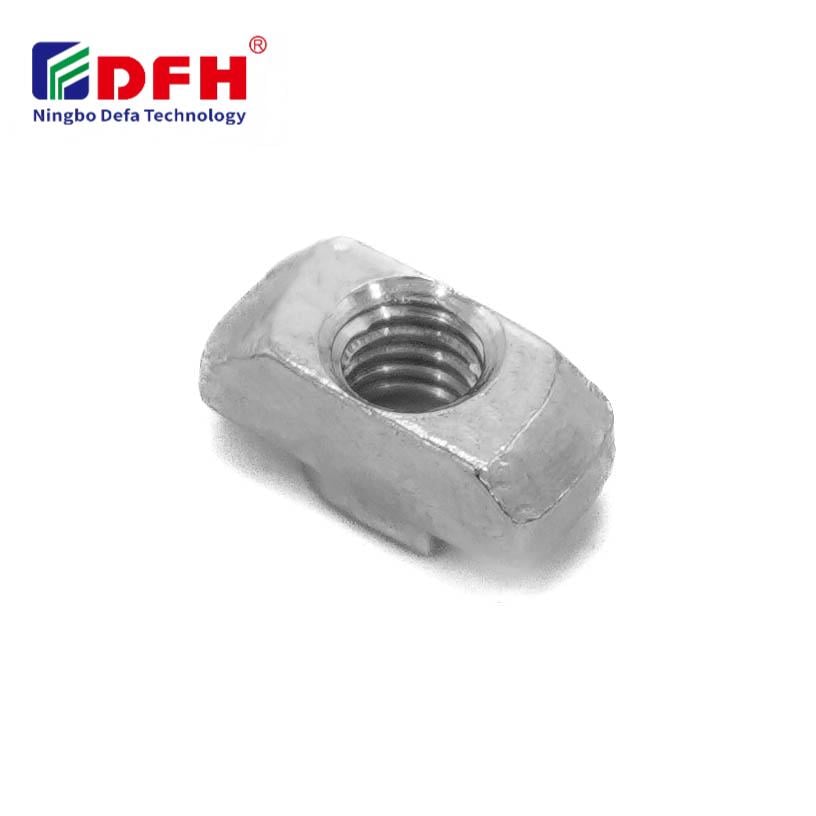
Struggling with fastener failures or rework? Master screw sizing by diameter, pitch, material, and load—plus industry-specific standards. Optimize reliability & compliance now.
2026/09/30
Source aluminum profiles for industrial engineering. Discover strength-to-weight ratios, corrosion resistance & 30% cost savings. Download guide.
2026/09/30
Source heat-resistant aluminum profile systems. Master thermal expansion science & stress management strategies for industrial builds. Download guide.