EN
EN
What is Aluminum Profile and How Does It Work?
2026/09/30
Source aluminum profiles for versatile modular framing. Learn extrusion mechanics, strength benefits & corrosion resistance. Request details.

2026/09/10
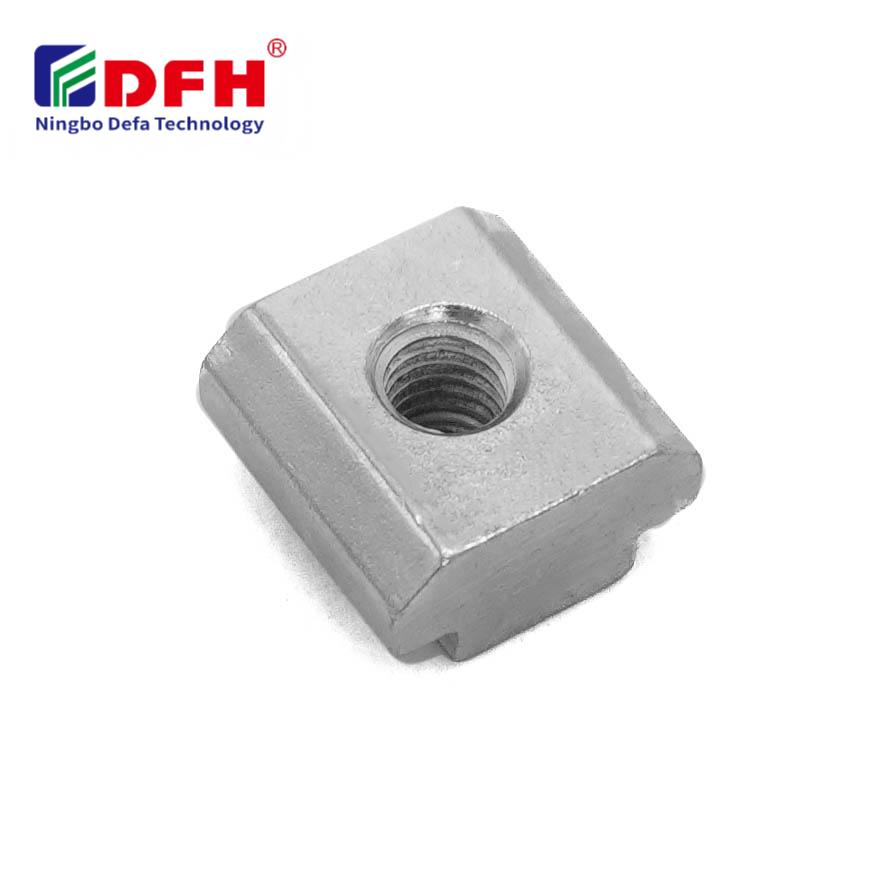
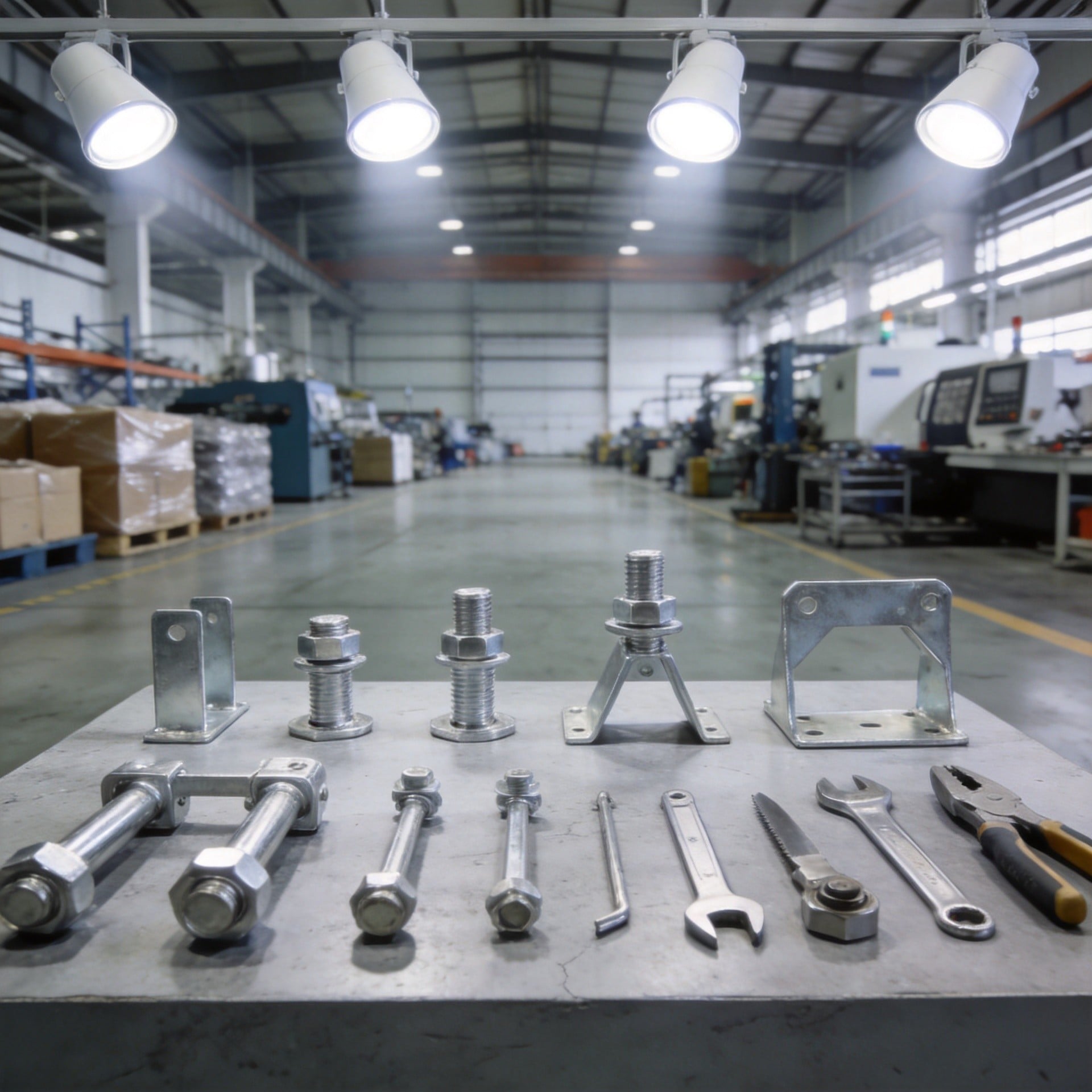
Selecting the right Plate Connectors is a critical decision that directly affects the structural integrity and performance of your fastening project. Whether you are designing a building framework, assembling industrial machinery, or connecting load-bearing components, the choice of plate connectors determines how safely and effectively your structural fastening systems will perform under stress. This article guides you through the essential factors to consider when evaluating connection hardware solutions for your specific application.
The complexity of selecting appropriate structural fastening systems lies in balancing load requirements, material compatibility, installation constraints, and cost efficiency. Understanding the fundamentals of load-bearing connectors and how they interact with your overall structure is essential for avoiding costly mistakes and ensuring long-term reliability. This guide provides the knowledge you need to make informed decisions about your connection hardware solutions.
The first step in selecting plate connectors is accurately calculating the loads your connection will experience. Load-bearing connectors must support both static and dynamic forces, including tension, compression, shear, and torsional stresses. You need to determine the maximum load in pounds per square inch (PSI) and identify whether your application involves sustained loads, impact loads, or cyclical stress patterns. Structural fastening systems fail when connectors are undersized for their intended purpose, making precise load analysis non-negotiable.
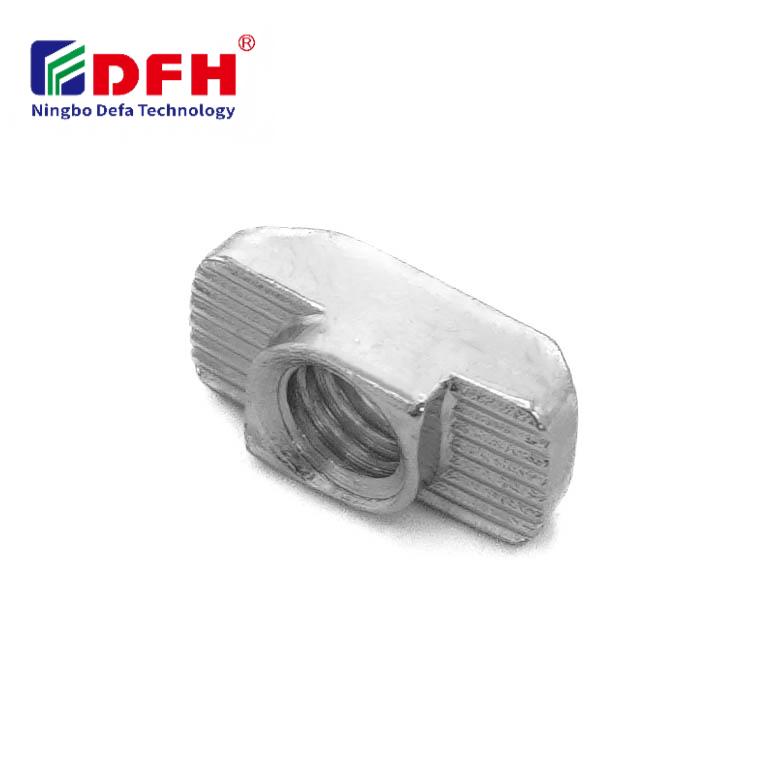
Material selection significantly influences connector performance and longevity. Steel plate connectors offer high strength and are ideal for heavy industrial applications, while aluminum options provide lighter weight solutions for specific use cases. Stainless steel connectors deliver superior corrosion resistance in environments exposed to moisture, chemicals, or salt air. Your choice of material directly impacts both the capacity of your connection hardware solutions and the lifetime cost of maintenance and replacement.
Industry standards such as AISC (American Institute of Steel Construction) and NFPA (National Fire Protection Association) establish minimum sizing requirements for load-bearing connectors in different applications. Manufacturers provide data sheets specifying the safe working load for each plate connector size and material combination. Cross-referencing your calculated load requirements against these standards ensures your structural fastening systems meet regulatory compliance and safety margins. Undersizing to reduce cost creates liability and safety risks that far outweigh the initial savings.
Connector thickness, bolt hole diameter, and surface area all factor into safe load capacity. Thicker plates distribute loads more effectively, reducing stress concentration at fastener points. Larger bolt holes accommodate higher-grade fasteners that can transfer greater forces through connection hardware solutions. Understanding how these geometric variables affect capacity prevents specification errors that could compromise structural integrity.
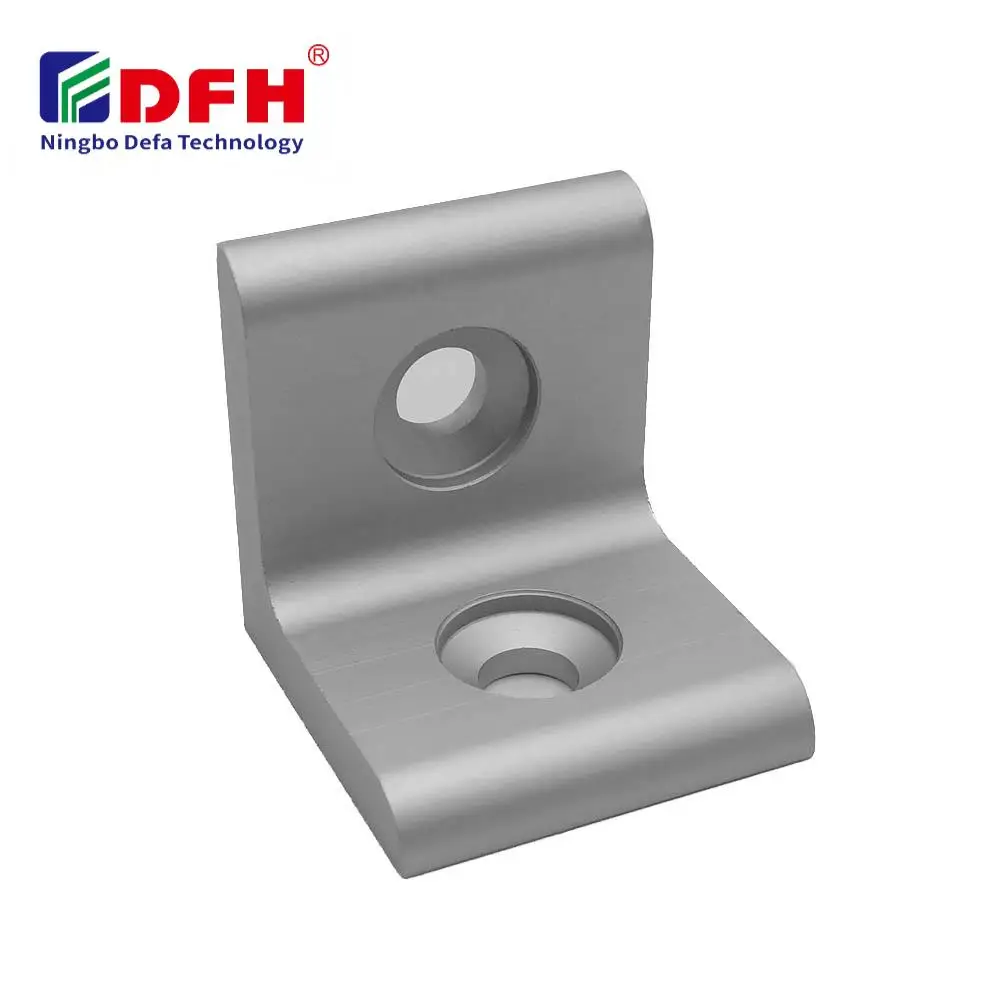
Plate connectors come in numerous configurations designed to join members at different angles and orientations. Flat plate connectors work well for simple lap joints, while angle plates accommodate perpendicular member connections. Gusset plates reinforce connections where multiple members converge, distributing loads more evenly across your structural fastening systems. T-plates, corner brackets, and splice plates each serve specific geometric requirements in your connection hardware solutions framework.
The orientation and positioning of plate connectors affect load distribution and overall system performance. Connectors aligned with primary load directions transfer forces efficiently, while misalignment creates bending moments that reduce capacity. Your design must account for the actual load paths through each connection, ensuring load-bearing connectors sit in optimal positions relative to member centerlines and force vectors. Improper positioning is one of the most common mistakes in structural fastening systems selection.
The bolt pattern on plate connectors determines which fastening hardware you can use and how loads distribute across multiple connection points. Standard patterns follow industry conventions, simplifying sourcing and installation. Fastener grade, diameter, and spacing all interact to determine the overall load capacity of your connection hardware solutions. Using mismatched or inferior fasteners negates the benefits of properly sized plate connectors and creates failure points.
The number of bolts, their spacing, and the plate thickness must work together in your structural fastening systems design. Fewer, larger bolts can sometimes work as effectively as more numerous smaller fasteners, depending on load type and distribution. Proper edge distance and spacing prevent bolt shear failures and plate tearing around fastener holes. These geometric relationships are critical when specifying load-bearing connectors for critical applications.
Practical installation considerations often determine whether a plate connector design is feasible in real-world conditions. Some connection hardware solutions require access from multiple sides, while others fit into tight spaces. The number of bolts required, bolt accessibility, and wrench swing clearances all affect installation time and labor costs. Site conditions, member positioning, and sequencing constraints may eliminate theoretically optimal designs in favor of practical alternatives that still meet structural requirements.
Temporary bracing during installation affects connector selection, particularly for load-bearing connectors in tall structures. Some designs require sequential tightening or allow for adjustment during assembly, while others demand precise prefabrication. Understanding installation logistics prevents costly field modifications and schedule delays. Your structural fastening systems design must balance structural performance with constructability.
While cost should not drive design decisions at the expense of safety, plate connectors often represent negotiable budget items where intelligent selection delivers savings without compromise. Standard sizes and materials cost less than custom options, making catalog connectors attractive when application requirements align. However, oversizing to accommodate multiple possible uses wastes material and increases weight unnecessarily in your connection hardware solutions.
Future modifications and maintenance access should influence connector selection for structures with extended lifespans. Load-bearing connectors positioned for easy inspection and bolt replacement reduce long-term maintenance costs. Corrosion-resistant materials in exposed locations prevent premature failure and expensive repairs. Planning for the full lifecycle of your structural fastening systems ensures that initial connector selection supports reliable performance throughout the structure's service life.
Plate connector size is primarily determined by the calculated load your connection must support, the type of stress (tension, compression, shear), material strength, bolt grade and diameter, and the specific industry standards applicable to your application. You must analyze both static and dynamic loads, then select from available connection hardware solutions that provide the required safety margin. Consulting manufacturer load tables and engineer calculations ensures you choose load-bearing connectors that match your structural fastening systems requirements.
Load calculation begins with identifying all forces acting on the connection, including self-weight, equipment loads, wind, seismic effects, and operational impacts. You sum these loads and apply appropriate safety factors per relevant codes and standards. The resulting design load must be compared against the rated capacity of available plate connectors and connection hardware solutions. If no standard option is adequate, custom load-bearing connectors or design modifications become necessary.
No, connector capacity varies significantly based on material properties and fastener compatibility. Steel plate connectors offer different load ratings than aluminum options, and fastener grade directly influences the connection's overall capacity. A structural fastening systems design that works with one material combination may fail with another, even if physical dimensions appear identical. Always verify that your selected load-bearing connectors and connection hardware solutions are specifically rated for the materials and fasteners you intend to use.
2026/09/30
Source aluminum profiles for versatile modular framing. Learn extrusion mechanics, strength benefits & corrosion resistance. Request details.
2026/09/30
Source aluminum profiles for construction projects. Learn structural framing, cladding & window benefits for maximum ROI. Download guide.
2026/09/30
Source optimal aluminum profile sizing techniques. Evaluate load, space, alloy, environment & cost factors to prevent deflection. Download guide.
2026/09/30
Struggling with fastener failures or rework? Master screw sizing by diameter, pitch, material, and load—plus industry-specific standards. Optimize reliability & compliance now.
2026/09/30
Source aluminum profiles for industrial engineering. Discover strength-to-weight ratios, corrosion resistance & 30% cost savings. Download guide.
2026/09/30
Source heat-resistant aluminum profile systems. Master thermal expansion science & stress management strategies for industrial builds. Download guide.