EN
EN
What is Aluminum Profile and How Does It Work?
2026/09/30
Source aluminum profiles for versatile modular framing. Learn extrusion mechanics, strength benefits & corrosion resistance. Request details.

2026/09/04
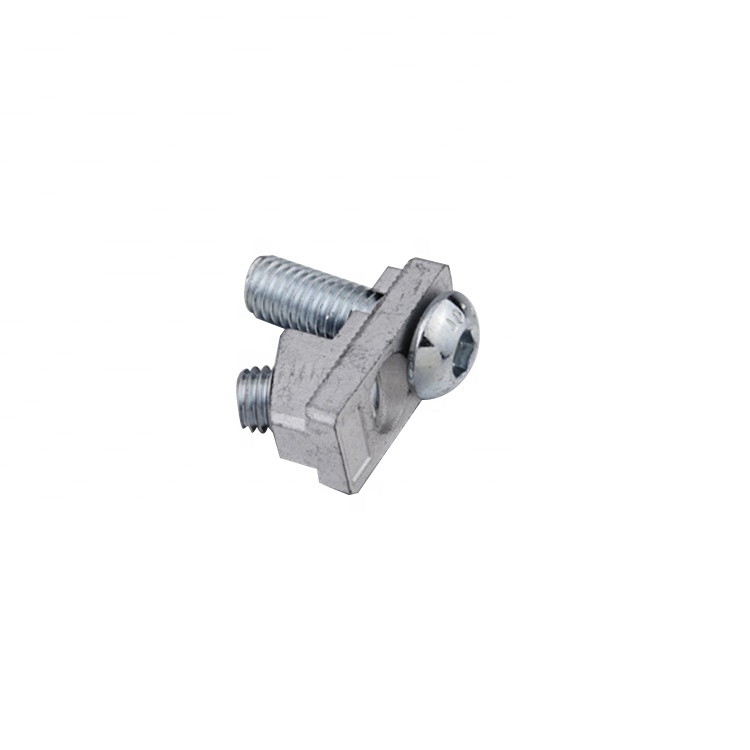
Choosing the correct inner connector size is one of the most critical decisions in designing modular assembly systems, yet many engineers and manufacturers approach this task without a clear methodology. The size of your inner connectors directly impacts structural integrity, load capacity, alignment precision, and long-term reliability of your assembled structures. Whether you are working with aluminum profiles, steel frameworks, or composite systems, the inner connectors you select must match your specific application requirements, load conditions, and dimensional constraints. This guide walks you through the essential factors that should inform your inner connector selection process.
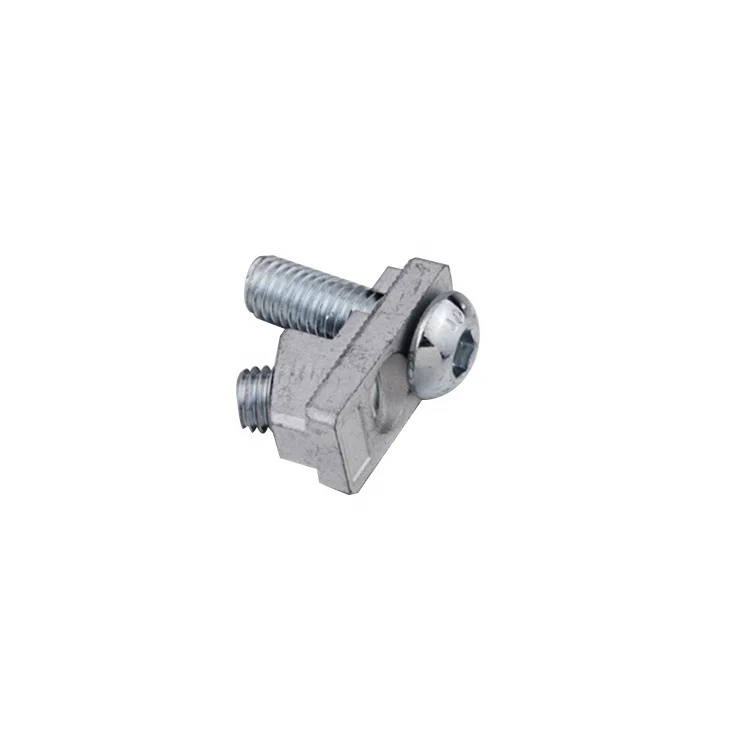
The process of selecting inner connectors is not simply about picking the smallest size that fits. Instead, it requires balancing multiple technical and practical considerations including load-bearing capacity, profile joint systems compatibility, installation space availability, cost efficiency, and operational environment. Internal connection hardware must be engineered to work seamlessly within your broader assembly architecture while meeting safety standards and performance benchmarks. Understanding how these factors interact will help you make decisions that reduce downtime, minimize waste, and ensure your structures perform reliably throughout their service life.
The foundation of inner connector selection begins with a thorough analysis of the loads your structure will experience. Vertical loads, horizontal forces, shear stresses, and dynamic vibration all influence which inner connector size can safely support your application. You must account for the total weight of components, machinery, or materials that will rest on or move through your assembled structure. Additionally, you should incorporate safety factors that are standard in your industry to ensure the inner connectors maintain performance even under unexpected stress conditions. Many engineers underestimate the importance of peak load scenarios, which can exceed average operating conditions by significant margins. By documenting these requirements early, you establish the minimum inner connector capacity needed for your project.
The material composition of your inner connectors influences how they respond to different load scenarios. Steel, aluminum, or specialized alloys each have distinct strength-to-weight ratios and corrosion resistance characteristics. If your assembly will operate in harsh environments exposed to moisture, chemicals, or temperature extremes, the inner connector material must withstand these conditions without degradation. Profile joint systems that incorporate protective coatings or stainless steel components offer enhanced durability but may require larger or more frequent replacements at higher costs. Understanding these trade-offs between material performance and total lifecycle costs ensures your connector selection remains economically sound while maintaining the structural requirements your application demands.
Modern assembly architectures rely on modular assembly components that must work cohesively across your entire structure. Your profile joint systems define the dimensional envelope available for inner connector installation, including the depth of T-slots, width of channels, and available mounting surfaces. The inner connector size you select must fit within these dimensional constraints while providing adequate contact area for secure fastening. Undersizing connectors to fit tight spaces can compromise load capacity and increase failure risk, while oversizing connectors may prevent proper profile alignment or create assembly conflicts. Careful attention to these dimensional relationships ensures your inner connectors integrate seamlessly into your overall design framework without requiring costly modifications or workarounds.
Many industries have adopted standardized profiles and internal connection hardware specifications to improve efficiency and reduce inventory complexity. Selecting inner connectors that align with recognized standards makes future maintenance simpler and reduces supply chain risks. Modular assembly components that follow established sizing conventions are often more readily available from multiple suppliers, improving your procurement flexibility. However, non-standard connector sizes may offer superior performance for specialized applications where the additional complexity and cost are justified by performance gains. Evaluate whether your application benefits from standardized solutions or whether custom inner connector dimensions would deliver meaningful advantages that outweigh the procurement challenges.
The inner connector size you select significantly affects how easily technicians can install, maintain, and replace components in your structure. Larger connectors may require specialized tools or additional working space that your assembly environment cannot accommodate. Smaller inner connectors can sometimes be installed in tight quarters but may require exceptional precision during assembly, increasing labor costs and error rates. Consider the skill level of personnel who will handle installation and maintenance; simpler, more intuitive inner connector designs reduce training requirements and human error. Additionally, modular assembly components that allow quick disconnection and reconnection minimize downtime when repairs or reconfiguration becomes necessary, adding practical value beyond mere structural capacity.
While internal connection hardware costs represent only a portion of total assembly expenses, these expenses accumulate quickly across large structures or high-volume production runs. Oversizing inner connectors beyond actual requirements increases material costs unnecessarily, while undersizing creates hidden costs through premature failures, emergency repairs, and operational disruptions. Profile joint systems that require fewer or simpler connectors can reduce assembly complexity and accelerate production timelines. Evaluate the total cost of ownership across the connector lifecycle, including initial purchase price, installation labor, maintenance intervals, and eventual replacement. This comprehensive view often reveals that mid-range inner connector sizes optimized for your specific requirements offer superior value compared to extremes on either end of the sizing spectrum.
The appropriate inner connector size depends on your load requirements, profile dimensions, and specific application. Most aluminum profile systems use standardized connector sizes ranging from M6 to M12 threads, with larger connectors accommodating heavier loads and longer spans. Start by calculating your maximum anticipated load, then consult your profile manufacturer's load tables to identify the minimum connector size that safely supports that load with appropriate safety margins. If your application requires exceptional precision or operates in demanding conditions, consider consulting engineering specifications or requesting sample testing to validate connector performance before committing to full-scale production.
Warning signs of undersized inner connectors include excessive deflection under normal loads, visible stress marks or deformation on connector surfaces, creaking or shifting sounds during operation, and premature failure in high-stress areas. If your modular assembly components show these symptoms, discontinue use immediately and evaluate larger inner connector sizes. Conducting load testing during the design phase helps prevent these failures from occurring in production environments. Request documentation from your internal connection hardware supplier regarding rated capacities and design safety factors to ensure your selected connectors include adequate performance margins for your specific use case.
Yes, using different inner connector sizes in different areas of your structure is often the most cost-effective and efficient approach. Profile joint systems typically experience varying stress levels across their length and width; areas bearing concentrated loads benefit from larger connectors while less-stressed areas can use smaller sizes safely. This strategy optimizes material usage and reduces overall assembly weight and cost compared to using uniformly large connectors throughout. However, ensure your documentation clearly identifies which connector size applies to each location to prevent installation errors. This mixed-sizing approach requires careful engineering analysis to verify that smaller connectors in lightly-loaded areas still maintain appropriate safety factors under worst-case conditions.
2026/09/30
Source aluminum profiles for versatile modular framing. Learn extrusion mechanics, strength benefits & corrosion resistance. Request details.
2026/09/30
Source aluminum profiles for construction projects. Learn structural framing, cladding & window benefits for maximum ROI. Download guide.
2026/09/30
Source optimal aluminum profile sizing techniques. Evaluate load, space, alloy, environment & cost factors to prevent deflection. Download guide.
2026/09/30
Struggling with fastener failures or rework? Master screw sizing by diameter, pitch, material, and load—plus industry-specific standards. Optimize reliability & compliance now.
2026/09/30
Source aluminum profiles for industrial engineering. Discover strength-to-weight ratios, corrosion resistance & 30% cost savings. Download guide.
2026/09/30
Source heat-resistant aluminum profile systems. Master thermal expansion science & stress management strategies for industrial builds. Download guide.