EN
EN
What is Aluminum Profile and How Does It Work?
2026/09/30
Source aluminum profiles for versatile modular framing. Learn extrusion mechanics, strength benefits & corrosion resistance. Request details.

2026/09/08
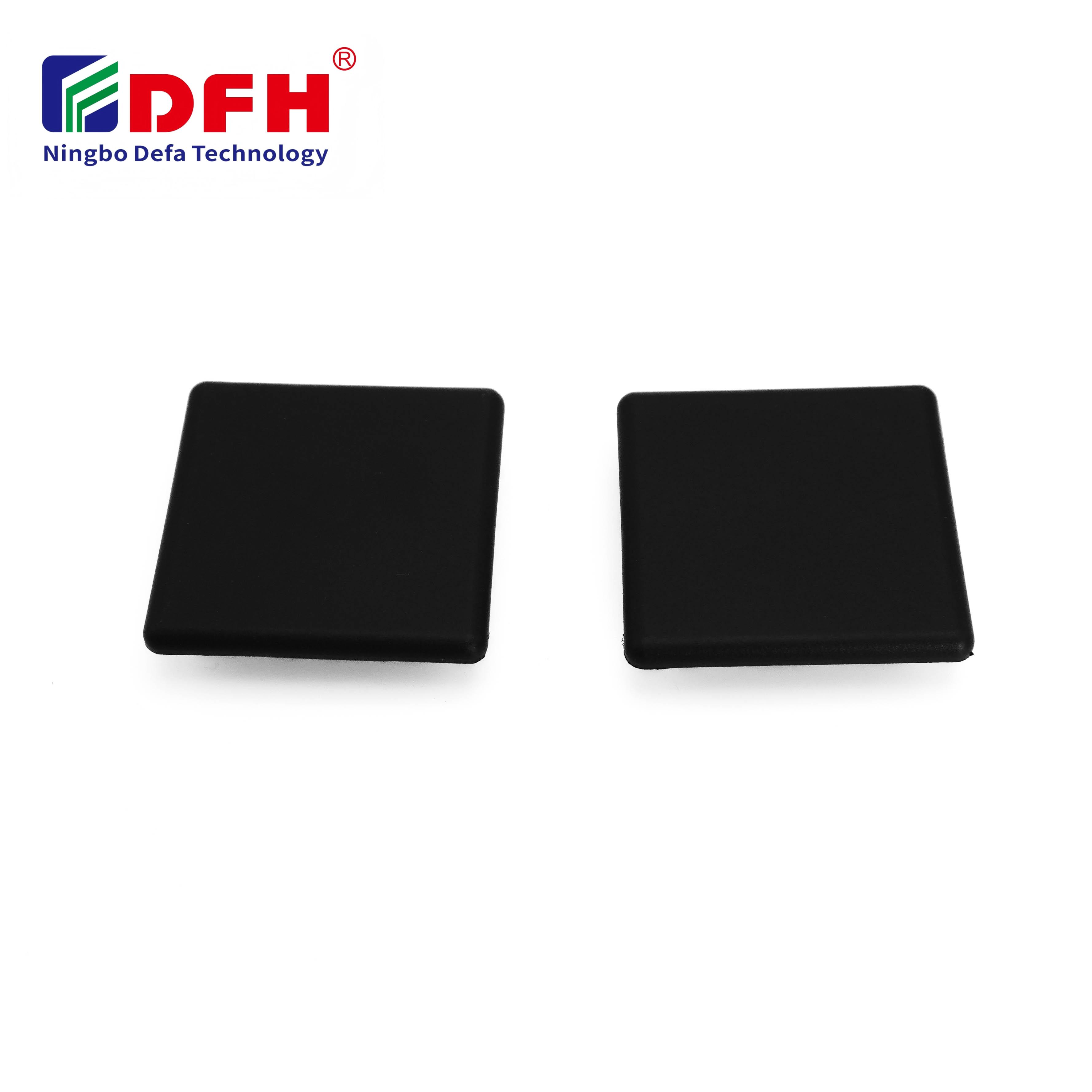
Choosing the correct end cap size is a critical decision that affects both the functionality and longevity of your assembly. An end cap serves as a protective barrier and structural component that seals pipe ends, cable ducts, or structural elements against environmental exposure and mechanical stress. The size you select must align precisely with your application requirements, installation environment, and operational demands. Understanding the factors that influence end cap selection ensures you avoid costly mistakes, prevent premature failures, and optimize system performance across industrial, construction, and utility settings.
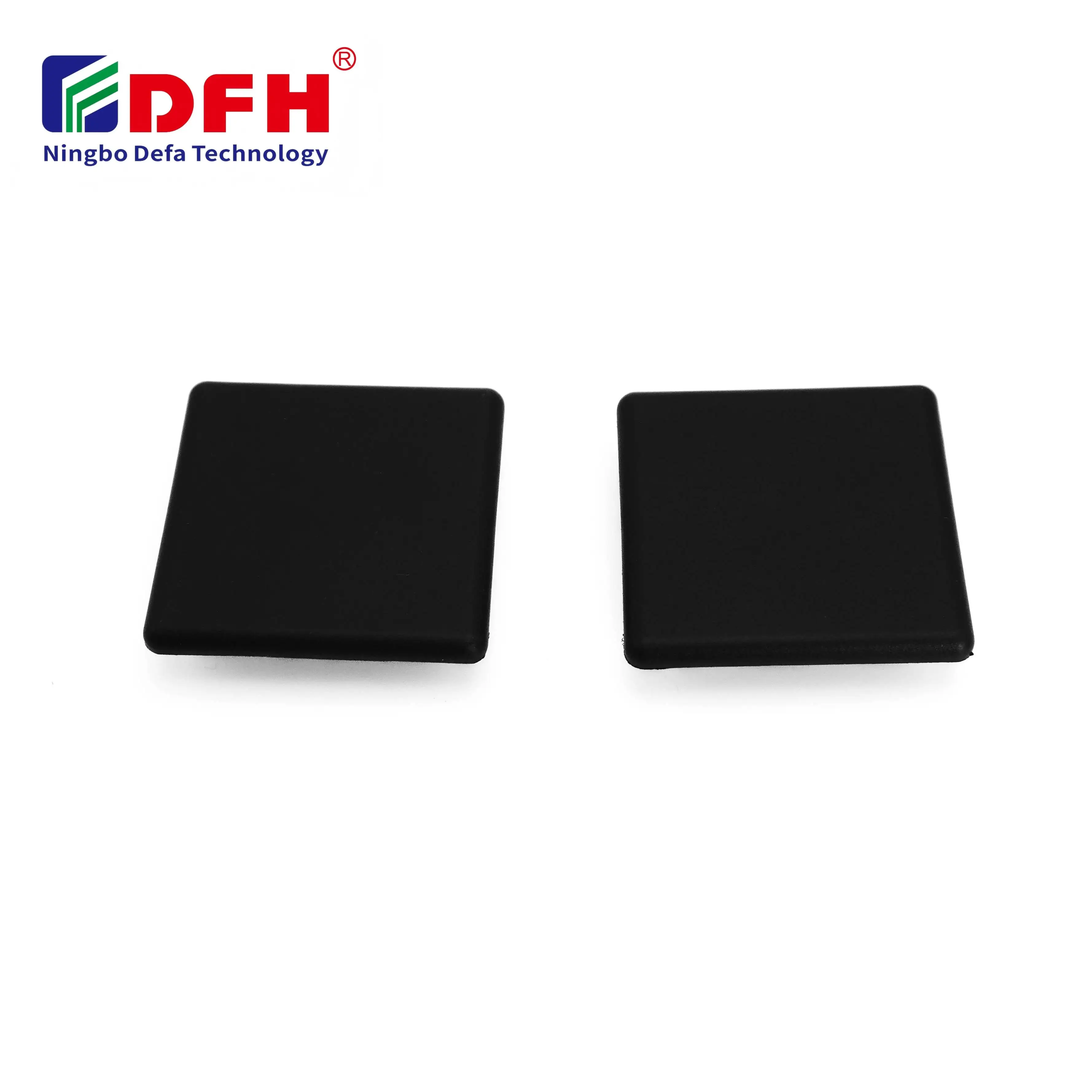
The process of selecting an end cap involves evaluating dimensional specifications, material compatibility, and application-specific constraints. Your choice directly influences how effectively the end cap performs under load, temperature fluctuation, and environmental conditions. This comprehensive guide walks you through the decision framework, helping you identify the right end cap size by examining measurement standards, application scenarios, and installation methods that matter most to your project.
End cap sizing begins with understanding the core dimensions that define fit and function. The outer diameter, inner diameter, and wall thickness of your pipe or structural member determine the end cap dimensions you need. Manufacturers produce end caps in standardized sizes ranging from small diameter applications in electronics and plumbing to large industrial piping systems. When measuring for an end cap, always verify the exact outer diameter of the component you intend to protect, as even slight variations can result in poor sealing or installation failure. The End Cap must fit snugly without forcing, which means obtaining precise measurements is non-negotiable.
Different end cap materials exhibit varying flexibility and compression characteristics that affect sizing strategy. Rubber and elastomer-based end caps provide slight compression tolerance, allowing them to accommodate minor diameter variations within acceptable ranges. Rigid plastic or metal end caps require exact sizing because they offer minimal give during installation. Nylon end caps represent a middle ground, offering modest compression capability while maintaining dimensional stability. Understanding your end cap materials helps you determine acceptable tolerance ranges and whether you should size up or down when measurements fall between standard sizes. Material selection directly influences end cap installation success and long-term performance.
In industrial settings, end cap applications encompass hydraulic lines, pneumatic systems, process piping, and coolant circulation networks. These demanding environments require end caps that seal completely under pressure while resisting chemical exposure and temperature swings. Size selection in piping applications demands attention to both inner and outer dimensions because the seal quality depends on achieving proper contact between the end cap and pipe wall. Oversized end caps may slip off under pressure; undersized ones may not seal properly. End cap installation in piping systems often involves compression fittings or threaded connections, making accurate sizing essential for system integrity.
End caps protect structural tubing, railing systems, cable ducts, and exposed ends in construction and infrastructure projects. Here, sizing focuses on outer diameter match and aesthetic alignment with the structure being protected. These applications prioritize weather resistance and mechanical durability over pressure sealing. End cap materials in structural applications typically include powder-coated steel, extruded aluminum, or engineered plastics designed to withstand UV exposure and temperature cycling. The sizing process emphasizes clean installation appearance and long-term material stability in outdoor environments. Proper end cap installation prevents water infiltration, debris accumulation, and corrosion that would compromise structural integrity over time.
Rubber and elastomer end caps offer flexibility and compression tolerance that simplifies sizing decisions in some applications. These materials conform slightly to accommodate modest diameter variations, providing a forgiving installation experience. Elastomer end cap materials resist oils, solvents, and environmental exposure effectively, making them ideal for automotive, marine, and chemical handling applications. However, their compression capability limits maximum service pressure and temperature ranges. When selecting elastomer end cap sizes, manufacturers typically recommend sizing to the nominal pipe diameter rather than maximum potential diameter because the material will compress during installation. This compression also means end cap installation requires controlled force to prevent over-compression and permanent deformation.
Nylon, polycarbonate, aluminum, and stainless steel end caps provide rigid, non-compressible sealing surfaces ideal for high-pressure applications and precision assemblies. These materials demand exact sizing because no material give exists to accommodate fit variations. End cap materials in this category offer superior chemical resistance, temperature stability, and structural strength compared to elastomers. Selection requires obtaining measurements to the nearest millimeter and verifying the end cap dimensions match specifications precisely. When rigid end cap installation is required, having backup stock in adjacent size ranges helps avoid costly project delays if initial sizing proves problematic. These materials excel in food processing, pharmaceutical, aerospace, and high-precision manufacturing environments.
Begin by measuring the component requiring an end cap protection using calibrated measuring tools. Obtain multiple measurements at different axial positions to verify dimensional consistency. Document not only the outer diameter but also any surface irregularities, taper, or bevel that might affect end cap fit. Consult your equipment specifications and installation drawings to confirm whether nominal dimensions or maximum material condition dimensions apply. Check whether existing end cap materials or competitors' products have established sizing precedents in your application. End cap installation experience from similar systems provides valuable validation of your size selection approach.
Evaluate the temperature range, pressure level, chemical exposure, and mechanical stress your end cap will experience throughout its service life. High-temperature applications may require metal or specialty plastic end caps; high-pressure systems demand rigid materials with exact sizing; corrosive environments necessitate specific material chemistry. Consider whether seasonal temperature cycling, UV exposure, or vibration will affect material properties over time. End cap applications in harsh environments often benefit from oversizing to material thickness rather than diameter to provide structural margin. Your operational context determines which end cap materials deliver adequate performance and how critical sizing precision becomes for long-term reliability.
An oversized end cap may slip off under operational loads, fail to seal properly, and expose the pipe or component to moisture and debris. In high-pressure applications, seal failure can result in fluid leakage and system contamination. End cap installation with improper fit compromises the fundamental protection function and can create vibration, noise, and premature material fatigue. Always verify that end cap sizing matches your component dimensions within acceptable manufacturer tolerances.
Substituting end cap materials requires careful consideration of application demands and material properties. Elastomer materials may work when rigidity is not critical, but switching from metal to plastic may reduce pressure capability and temperature stability. End cap installation specifications often reference specific materials based on performance testing and system validation. Before changing end cap materials to accommodate sizing limitations, consult with the system designer or manufacturer to ensure substitution does not compromise performance, safety, or warranty coverage in your application.
Surface finish, paint coating, and corrosion can affect effective diameter and end cap fit. When measuring for end cap applications on existing components, measure through any coatings present to determine actual outer dimensions. For new installations, end cap installation typically occurs before painting or finishing, allowing you to measure base material dimensions directly. End cap materials and sizing specifications assume clean, bare component surfaces. If uncertainty exists about final dimensions after finishing, consult your coating specification or conduct trial fitting before committing to full-scale end cap installation.
2026/09/30
Source aluminum profiles for versatile modular framing. Learn extrusion mechanics, strength benefits & corrosion resistance. Request details.
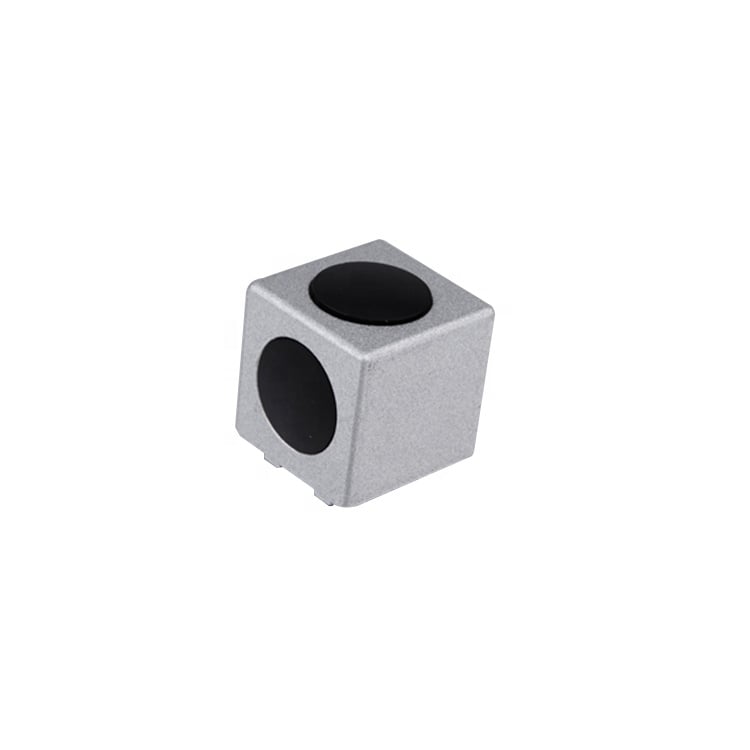
2026/09/30
Source aluminum profiles for construction projects. Learn structural framing, cladding & window benefits for maximum ROI. Download guide.
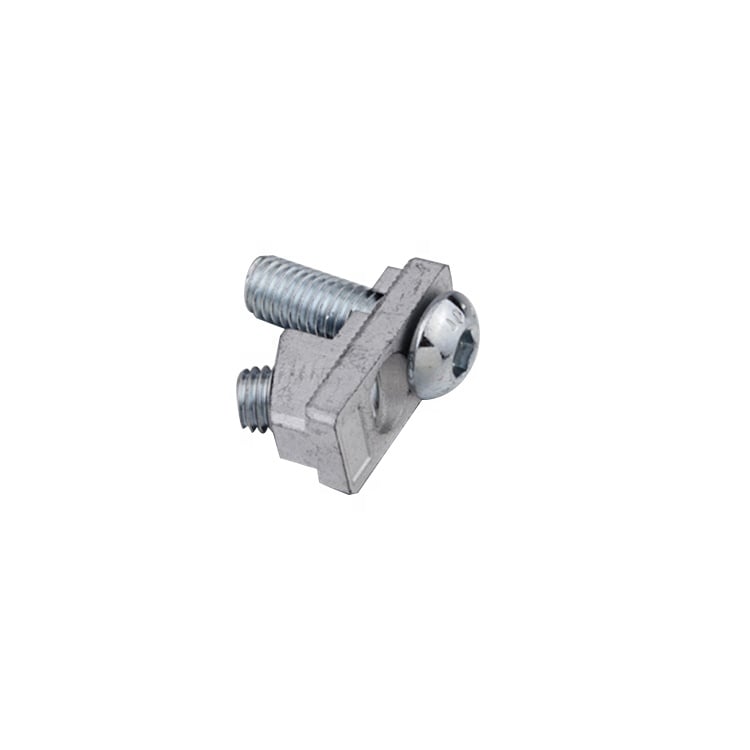
2026/09/30
Source optimal aluminum profile sizing techniques. Evaluate load, space, alloy, environment & cost factors to prevent deflection. Download guide.
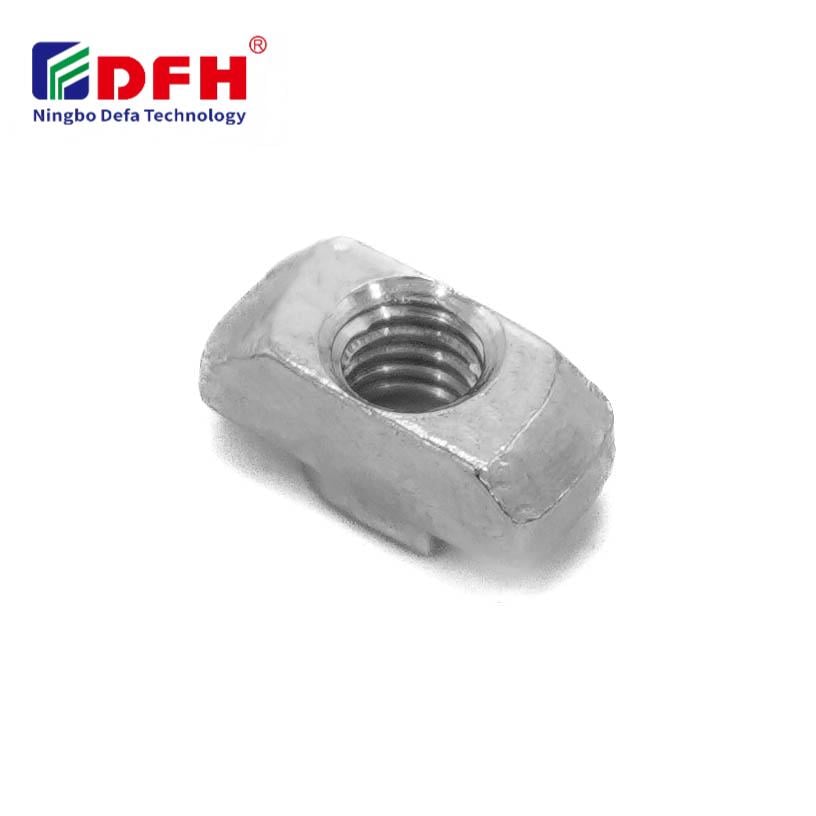
2026/09/30
Struggling with fastener failures or rework? Master screw sizing by diameter, pitch, material, and load—plus industry-specific standards. Optimize reliability & compliance now.
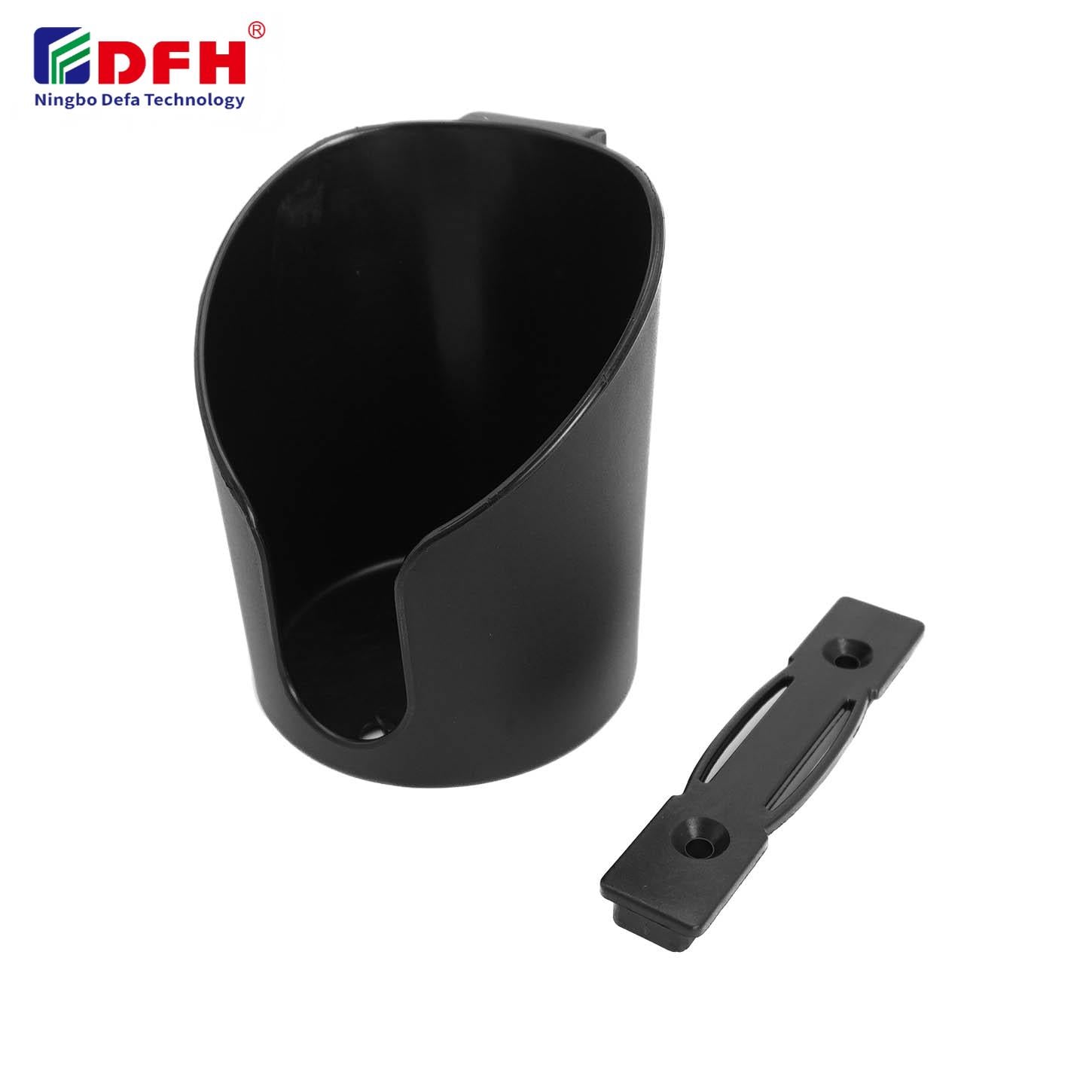
2026/09/30
Source aluminum profiles for industrial engineering. Discover strength-to-weight ratios, corrosion resistance & 30% cost savings. Download guide.
2026/09/30
Source heat-resistant aluminum profile systems. Master thermal expansion science & stress management strategies for industrial builds. Download guide.