EN
EN
What is Aluminum Profile and How Does It Work?
2026/09/30
Source aluminum profiles for versatile modular framing. Learn extrusion mechanics, strength benefits & corrosion resistance. Request details.

2026/09/08
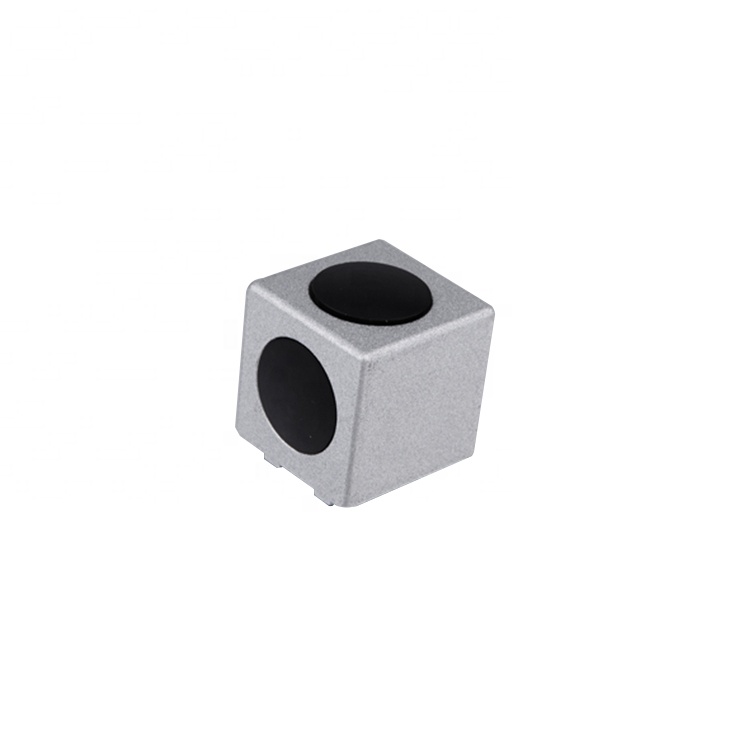
Selecting the correct End Connectors is one of the most critical decisions in any industrial assembly or installation project. The right choice ensures reliable connections, optimal performance, and long service life, while poor selection can lead to failures, downtime, and safety risks. Whether you're working with electrical systems, pneumatic equipment, or hydraulic assemblies, understanding how to evaluate and select appropriate connectors directly impacts your project's success.
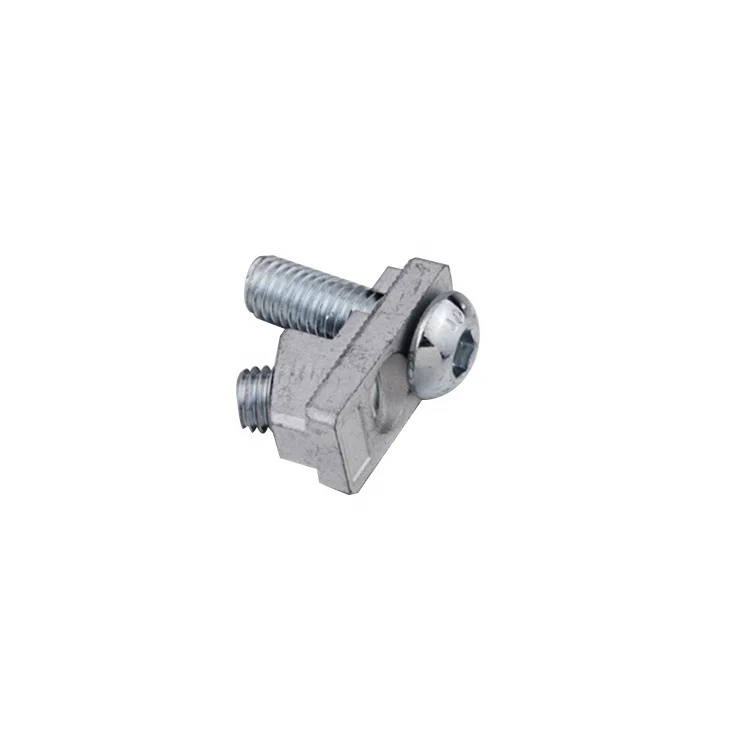
The process of selecting end connectors involves assessing multiple technical and operational factors specific to your application. Cable end connectors and connector terminals come in various designs, materials, and specifications, each suited to different environments and requirements. This guide walks you through the essential considerations that drive sound connector selection and helps you avoid costly mistakes in your industrial operations.
The first step in selecting end connectors is determining the specific application and system type. Are you connecting electrical conductors, transmitting pneumatic signals, or managing hydraulic flow? Each application demands different connector designs and materials. For electrical applications, cable end connectors must handle specific voltage and amperage ratings without overheating or degrading. Pneumatic connectors require airtight seals and resistance to moisture and contaminants. Hydraulic systems demand connectors that withstand high pressures and viscous fluid compatibility.
Understanding your system's fundamental purpose helps narrow down the connector family and initial specifications. Industrial machinery, control panels, sensor networks, and power distribution systems each impose unique demands on connection hardware. Document your application's voltage, current, pressure, or flow rate requirements before evaluating specific connector terminals or connection hardware options.
Environmental conditions play a decisive role in connector selection and long-term reliability. Will your end connectors operate indoors in climate-controlled facilities or outdoors in harsh weather? Temperature extremes, moisture exposure, chemical agents, and vibration all influence which connector materials and designs will survive your operating environment. Cable end connectors used in food processing facilities require stainless steel or corrosion-resistant coatings, while those in standard manufacturing may use zinc-plated steel connector terminals.
Temperature cycling and thermal stress can degrade connector materials and loosen connections over time. Connection hardware must tolerate the temperature range your system experiences, from installation conditions through peak operating scenarios and shutdown phases. Verify that elastomers, sealants, and metal alloys in your selected connectors maintain their properties across your full operating temperature window.
Precise dimensional compatibility is non-negotiable when selecting end connectors. Connector terminals must match the cable size, wire gauge, or tube diameter they're designed to terminate or connect. Mismatched connector terminals lead to poor electrical contact, increased resistance, or mechanical failure under load. Thread pitch, diameter, and length specifications must align exactly with mating components and housing requirements. Many industrial connection hardware standards specify metric or imperial threading, and mixing incompatible systems causes installation problems and joint failure.
Review the technical drawings and specifications for both the connector and the components or systems it interfaces with. Cable end connectors for automotive applications follow different dimensional standards than those for telecommunications or industrial control panels. Reference the relevant industry standard—ISO, DIN, NFPA, or your equipment manufacturer's specifications—to ensure compatibility before committing to a connector purchase.
Cable end connectors and connector terminals carry rated specifications for maximum voltage, current, pressure, or flow capacity. These ratings exist to prevent equipment damage, operator injury, and fire risk. Selecting connection hardware rated below your system requirements invites premature failure, while over-specifying adds unnecessary cost. Most industrial equipment documentation specifies the electrical or pressure requirements that connector terminals must meet.
Account for future demand growth and safety margins when reviewing ratings. A connector suitable for today's 10-amp circuit may become inadequate if you upgrade to 12-amp equipment next year. Conservative rating selection provides insurance against unexpected system modifications and reduces replacement frequency.
The material composition of end connectors directly determines their resistance to corrosion and chemical attack. In marine environments, food production facilities, or chemical plants, standard steel connector terminals quickly degrade without protective coatings or material upgrades. Stainless steel, nickel plating, and specialized polymers offer enhanced durability for hostile environments. Cable end connectors exposed to chloride spray, acidic vapor, or aggressive cleaning agents require materials engineered specifically for chemical resistance.
Evaluate the complete chemical exposure profile at your installation site. Connector terminals used near saltwater must resist chloride corrosion, while those in automotive facilities face road salt, brake dust, and fuel vapor exposure. Connection hardware in food processing environments must withstand frequent washdown and sanitizing chemicals without degrading. Material selection directly impacts maintenance costs and connector lifespan.
Mechanical stress, vibration, and repeated connection cycles wear on connector terminals over time. Cable end connectors in mobile equipment or machinery with significant vibration require robust construction and secure locking mechanisms. Connection hardware must resist loosening from thermal cycling, pressure pulsation, or mechanical shock. The material's tensile strength, fatigue resistance, and creep properties determine whether connectors maintain secure engagement under continuous stress.
Industrial applications often subject end connectors to repeated assembly and disassembly for maintenance, repair, or reconfiguration. Materials that embrittle or deform after repeated engagement cycles compromise reliability and increase labor costs. Connector terminals designed with durable mating interfaces and high-cycle-life materials provide better long-term value in demanding industrial settings.
The practicality of installing your selected end connectors affects both initial project cost and ongoing maintenance expense. Some connector terminals require specialized crimpers, applicators, or torque wrenches, which may not be available in your facility. Cable end connectors designed for hand-tightening installation reduce skill requirements and accelerate assembly, while others demand precision equipment and trained technicians. Assess whether your team possesses or can readily access the tooling needed for your connector choice.
Consider standardizing on connector types across your facility to streamline tooling investment and staff training. Standardized connection hardware reduces spare inventory, simplifies troubleshooting, and accelerates repairs. Verify that your selected end connectors integrate smoothly with your existing assembly processes and workforce capabilities.
Choosing connector terminals with consistent availability and manageable lead times protects your operations from unexpected downtime. Specialized or niche connector designs may offer superior performance but can create supply chain vulnerabilities if the single manufacturer experiences production delays or discontinues the product line. Cable end connectors aligned with mainstream industrial standards typically offer multiple qualified suppliers and shorter delivery timelines.
Evaluate supplier stability, geographic distribution, and minimum order quantities when finalizing your connection hardware selection. Locally available end connectors reduce lead times for urgent replacements and maintenance needs. Diversified supplier options prevent single-source dependency and provide leverage for volume pricing on connection hardware purchases.
Material compatibility with your operating environment, proper installation torque, and protection from mechanical stress or vibration are the primary determinants of connector terminal longevity. Cable end connectors fail prematurely when exposed to incompatible chemicals, over-tightened connections, or sustained vibration without proper locking mechanisms. Connection hardware installed within design specifications and protected from environmental hazards typically delivers the manufacturer's rated service life.
Cross-reference your system's technical documentation with the connector manufacturer's specifications to confirm dimensional, electrical, and pressure rating alignment. Verify thread type and size, voltage and amperage ratings for electrical applications, or pressure ratings for pneumatic and hydraulic systems. Consult your equipment manual or contact the equipment manufacturer directly if connector specifications are unclear, to avoid installation failures or safety risks from mismatched connection hardware.
Standard connector terminals designed for mainstream industrial applications typically cost 20–40% less than specialized variants engineered for extreme temperatures, corrosive environments, or unique interface requirements. End connectors with stainless steel construction, specialized coatings, or precision certifications command premium pricing but deliver extended lifespan and reduced failure rates in demanding applications. Cable end connectors selected for routine indoor industrial use offer the most economical option, while those specified for harsh marine or chemical environments justify their higher initial cost through superior durability and reliability.
2026/09/30
Source aluminum profiles for versatile modular framing. Learn extrusion mechanics, strength benefits & corrosion resistance. Request details.
2026/09/30
Source aluminum profiles for construction projects. Learn structural framing, cladding & window benefits for maximum ROI. Download guide.
2026/09/30
Source optimal aluminum profile sizing techniques. Evaluate load, space, alloy, environment & cost factors to prevent deflection. Download guide.
2026/09/30
Struggling with fastener failures or rework? Master screw sizing by diameter, pitch, material, and load—plus industry-specific standards. Optimize reliability & compliance now.
2026/09/30
Source aluminum profiles for industrial engineering. Discover strength-to-weight ratios, corrosion resistance & 30% cost savings. Download guide.
2026/09/30
Source heat-resistant aluminum profile systems. Master thermal expansion science & stress management strategies for industrial builds. Download guide.