EN
EN
What is Aluminum Profile and How Does It Work?
2026/09/30
Source aluminum profiles for versatile modular framing. Learn extrusion mechanics, strength benefits & corrosion resistance. Request details.

2026/09/09
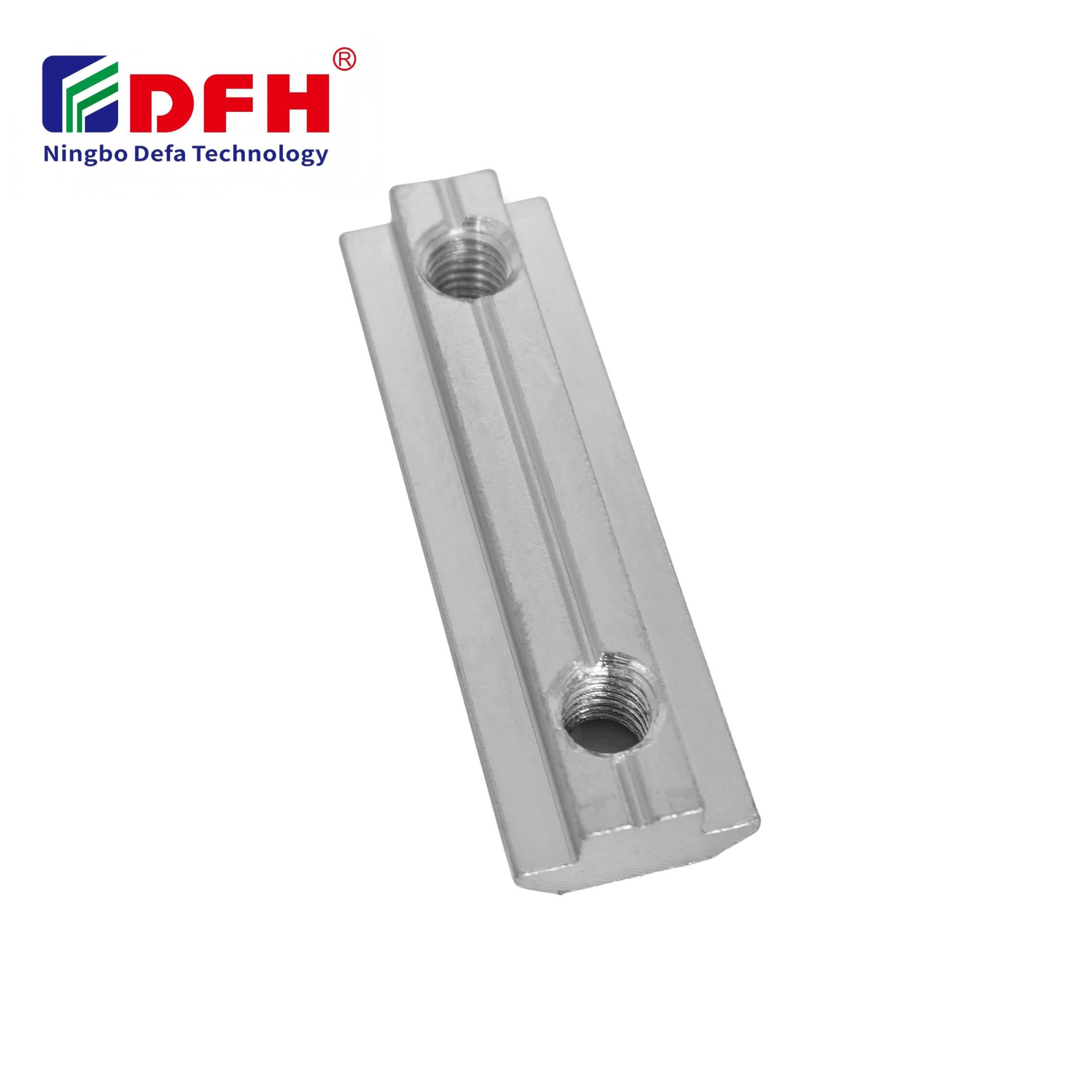
Fastening hardware failures in industrial assembly represent a persistent challenge, and T nut loosening stands among the most common causes of equipment downtime. Whether in machinery, automation systems, or structural assemblies, a loose T nut can compromise joint integrity, create safety hazards, and lead to costly rework. Understanding the root causes and implementing proven prevention strategies ensures that your fastening hardware remains secure throughout the operational lifecycle of your equipment.
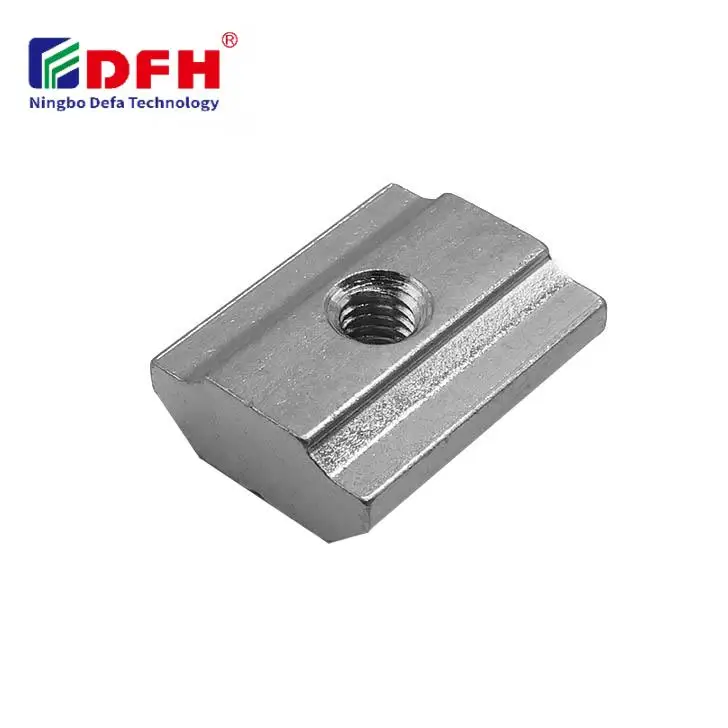
Modern industrial design increasingly relies on T-slot nut systems for flexibility and rapid reconfiguration. The threaded insert mechanism of a T nut allows quick assembly and repositioning without permanent drilling or welding. However, this convenience introduces a distinct vulnerability: vibration, thermal cycling, and mechanical stress can gradually loosen the fastening hardware if proper precautions are not taken. This guide explores practical, field-tested methods to keep your T nut connections stable and secure.
Vibration is the primary culprit behind most T nut loosening incidents. As machinery operates, cyclical forces induce micro-movements between the T nut and the bolt. Each small slip removes friction that holds the fastening hardware in place. Industrial environments—manufacturing floors, transportation systems, and automated production lines—expose T-slot nut assemblies to constant vibration. Even a threaded insert that initially feels tight can gradually work free under sustained or intermittent vibration loads.
Temperature fluctuations cause materials to expand and contract at different rates. When a T nut secures components with mismatched thermal coefficients, the resulting stress can loosen the threaded insert. Outdoor equipment, furnace-adjacent machinery, or systems subject to rapid temperature swings face heightened risk. The T nut and surrounding T-slot nut assembly experience repeated micro-movements as thermal gradients shift, gradually reducing clamp load and fastening hardware security.
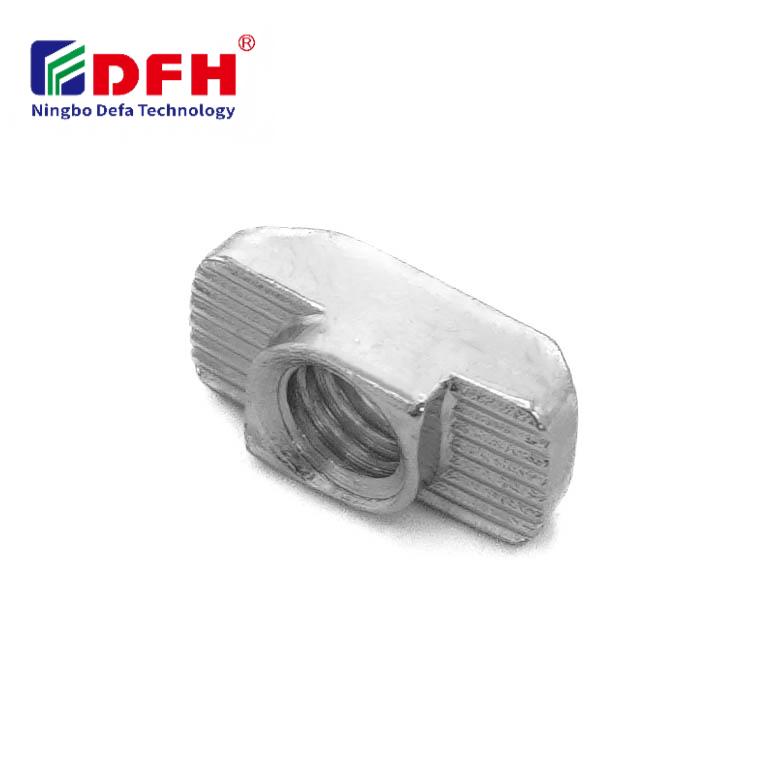
Mechanical solutions provide straightforward, reliable T nut loosening prevention. Lock washers designed for threaded insert applications create additional friction and deformation that resists rotational movement. Split-ring lock washers, tooth lock washers, and deformed-thread lock washers all work by increasing interface friction within the fastening hardware assembly. The T nut combined with appropriate lock washers creates a more stable T-slot nut connection that resists vibration-induced loosening. These mechanical approaches require no additional components beyond the standard lock washer and work immediately upon installation without curing time.
Anaerobic thread-locking adhesives represent a chemical approach to securing threaded insert connections. These compounds fill microscopic voids in the bolt and T nut interface, creating a barrier that prevents fastening hardware rotation. Medium-strength formulations allow future disassembly while providing robust T-slot nut security. The thread-locking compound cures in the absence of air, hardening only after the bolt is fully installed and the threaded insert connection is complete. Industrial applications favor this method because it works with standard T nut hardware without requiring special washers or modified fastening procedures.
Correct torque application directly influences how effectively fastening hardware resists loosening. Under-torquing leaves insufficient clamp load, allowing the threaded insert to slip under vibration. Over-torquing can strip the T nut threads or deform the T-slot nut body. Following manufacturer specifications and using calibrated torque wrenches ensures consistent, appropriate preload on the fastening hardware. Documentation of torque values during initial assembly creates a baseline for future maintenance and helps identify whether a T nut has actually rotated or simply appears loose.
Periodic inspection catches developing T nut loosening before it causes equipment failure. Scheduled vibration monitoring detects anomalies in machinery operation that may indicate loosening fastening hardware. Visual inspection and torque verification at regular intervals confirm that the threaded insert and T-slot nut connections remain within specification. Critical assemblies benefit from more frequent checks, particularly during the first operational period when initial settling occurs. Maintenance teams should document inspection findings to establish historical patterns and predict which fastening hardware locations face the highest loosening risk.
Selecting fastening hardware materials compatible with the operating environment reduces loosening risk. Stainless steel T nut assemblies resist corrosion in humid or chemical environments where rust-induced volume changes would otherwise promote loosening. For high-temperature applications, materials with stable thermal properties reduce the expansion-contraction cycling that undermines threaded insert security. The T-slot nut system should be evaluated not in isolation but as part of the broader assembly, considering whether surrounding components expand differently and create differential stress on the fastening hardware.
Excessive thread-locking compound can overflow into the T-slot nut cavities and harden in areas that complicate future maintenance. Use only the recommended quantity—a small drop on the bolt threads near the fastening hardware connection point is sufficient. Excess compound adds no additional security and creates cleanup challenges during future disassembly of the threaded insert assembly.
Critical fastening hardware in high-vibration environments should be inspected and re-torqued after the first 24 to 48 hours of operation, then at regular intervals based on equipment duty cycles. After this initial settling period, the T-slot nut typically remains stable if proper locking methods were used. However, quarterly or semi-annual inspections are prudent for mission-critical applications where T nut loosening could cause safety issues.
Most standard lock washers work with conventional threaded insert and T nut configurations, but some specialized T-slot nut geometries have limited clearance. Always verify that the lock washer fits properly within the T nut pocket without binding or causing assembly misalignment. Consulting the fastening hardware specification sheet ensures compatibility between the lock washer design and your specific T-slot nut system.
2026/09/30
Source aluminum profiles for versatile modular framing. Learn extrusion mechanics, strength benefits & corrosion resistance. Request details.
2026/09/30
Source aluminum profiles for construction projects. Learn structural framing, cladding & window benefits for maximum ROI. Download guide.
2026/09/30
Source optimal aluminum profile sizing techniques. Evaluate load, space, alloy, environment & cost factors to prevent deflection. Download guide.
2026/09/30
Struggling with fastener failures or rework? Master screw sizing by diameter, pitch, material, and load—plus industry-specific standards. Optimize reliability & compliance now.
2026/09/30
Source aluminum profiles for industrial engineering. Discover strength-to-weight ratios, corrosion resistance & 30% cost savings. Download guide.
2026/09/30
Source heat-resistant aluminum profile systems. Master thermal expansion science & stress management strategies for industrial builds. Download guide.