EN
EN
What is Aluminum Profile and How Does It Work?
2026/09/30
Source aluminum profiles for versatile modular framing. Learn extrusion mechanics, strength benefits & corrosion resistance. Request details.

2026/09/01
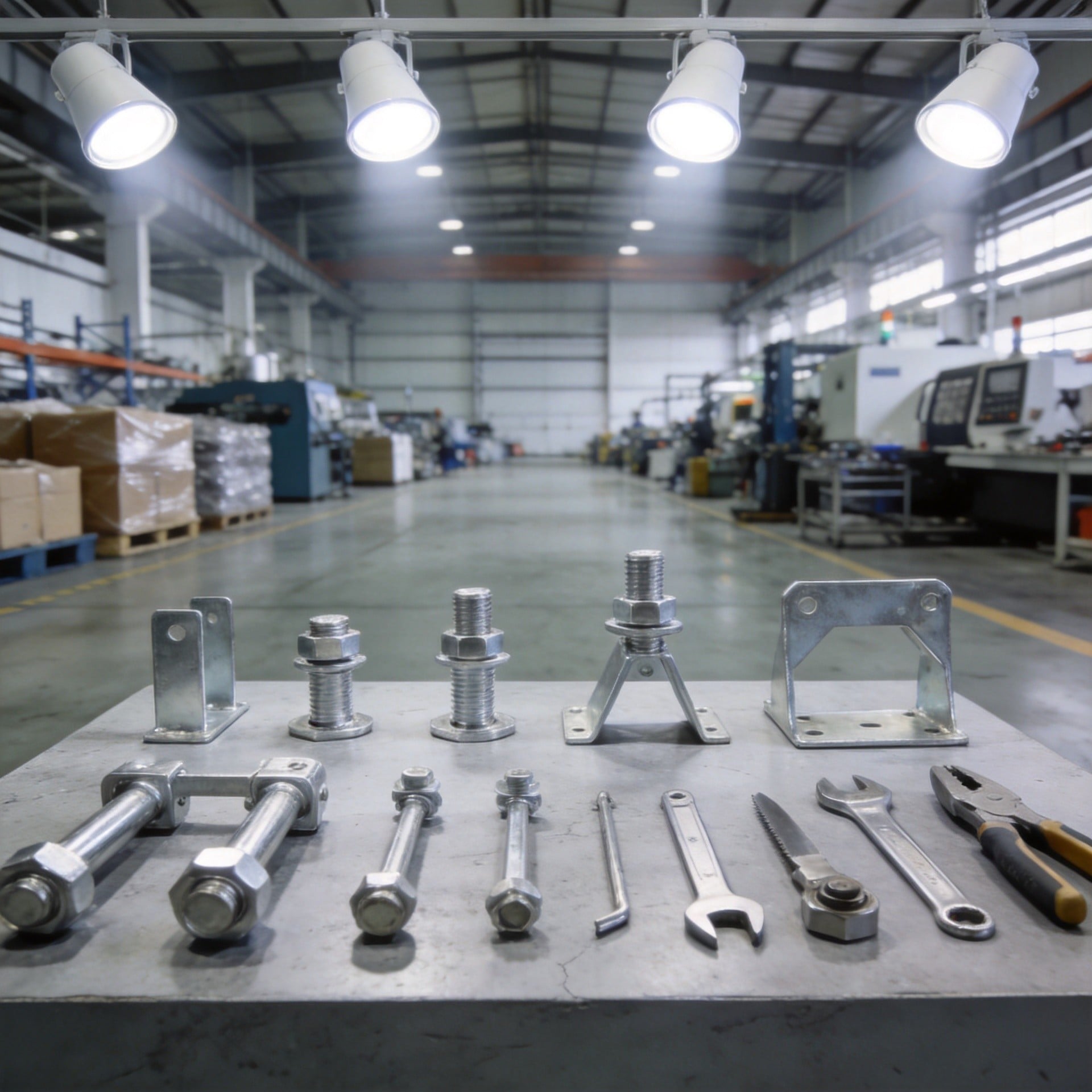
Designing a pipe rack system correctly is fundamental to maintaining safe, efficient, and cost-effective industrial operations. A well-engineered pipe rack system supports multiple utility lines—steam, water, compressed air, and process fluids—while ensuring accessibility for maintenance and compliance with safety codes. The stakes are high: poor design leads to structural failures, operational downtime, and regulatory violations.
This guide walks you through the critical design principles, structural considerations, and practical steps required to build a robust industrial pipe support structure. Whether you're planning a new installation or upgrading existing infrastructure, understanding the fundamentals of pipe rack design ensures your system performs reliably under real-world conditions.
The foundation of any successful pipe rack system begins with accurate load calculation. Dead loads include the weight of the pipes, insulation, and content. Live loads account for thermal expansion, pressure surges, and operational vibrations. Your modular piping framework must accommodate not only static weight but also cyclic stresses from temperature fluctuations and flow variations.
Dynamic analysis becomes critical in plants with rotating equipment or high-velocity fluid flow. Pipe vibration can cause fatigue cracking in welds and fasteners if your heavy-duty pipe mounting solution lacks proper damping. Engineers must calculate these forces using industry standards like ASME B31.3 and API 579 to ensure the frame withstands real operational demands without premature failure.
Selecting the correct material for your pipe rack system directly impacts service life and maintenance costs. Carbon steel remains the most common choice for industrial pipe support structures due to cost-effectiveness and strength. However, corrosive environments—such as those near coastal installations or chemical plants—demand stainless steel or properly coated alternatives to prevent rust and degradation.
The industrial pipe support structure must resist environmental factors specific to your facility. In high-temperature applications, materials must maintain adequate strength at elevated temperatures. For outdoor installations, consider hot-dip galvanizing or epoxy coating systems. Modular piping framework components should match material specifications throughout to ensure uniform corrosion resistance and thermal expansion behavior across the entire assembly.
Effective layout design minimizes future conflicts, improves maintenance access, and reduces installation costs. Begin by mapping all pipes, cables, and equipment requiring support on your heavy-duty pipe mounting solution. Vertical stacking should follow a logical hierarchy: utility lines requiring frequent maintenance near accessible heights, critical process lines in protected zones, and drainage systems at the bottom to prevent backflow.
A modular piping framework allows flexible reconfiguration as operations evolve. Design support spacing to balance structural efficiency with practical needs. Typically, spans of eight to twelve feet suit most industrial pipe support structures, but this varies based on pipe diameter, contents, and operational temperature. Leave adequate clearance above walkways and below roof structures to facilitate routine inspections without equipment relocation.
Your pipe rack system design must meet applicable building codes, industry standards, and local regulations. ASME B31.1 governs power piping, while ASME B31.3 covers process piping. The American Institute of Steel Construction (AISC) standards govern structural steel frame design. Local seismic and wind codes may impose additional design constraints that significantly affect frame capacity and material specifications.
Engage with code authorities early in the design phase to avoid costly revisions later. Coordinate with fire protection requirements, as flame spread classifications may limit material choices for your industrial pipe support structure. Document all design decisions, calculations, and material certifications thoroughly. This record becomes essential for inspections, modifications, and future regulatory audits of your pipe rack system.
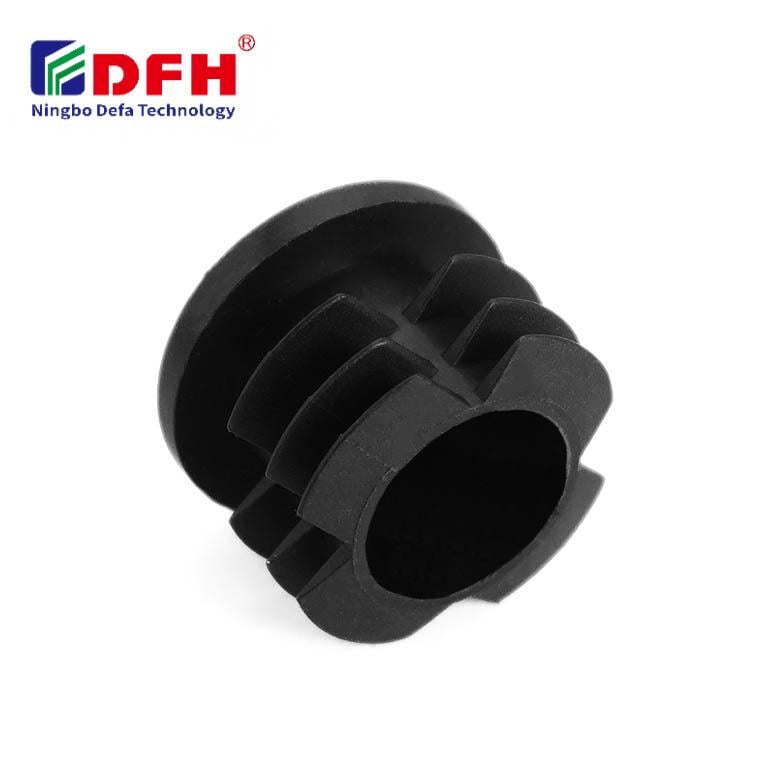
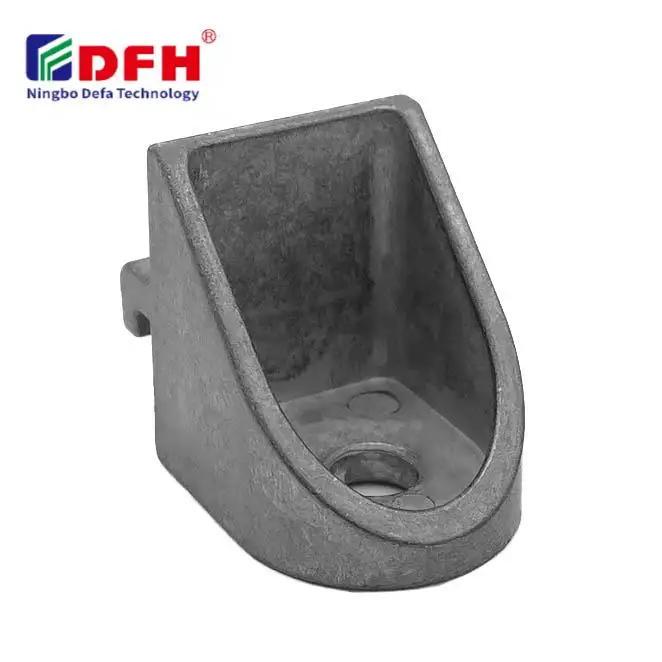
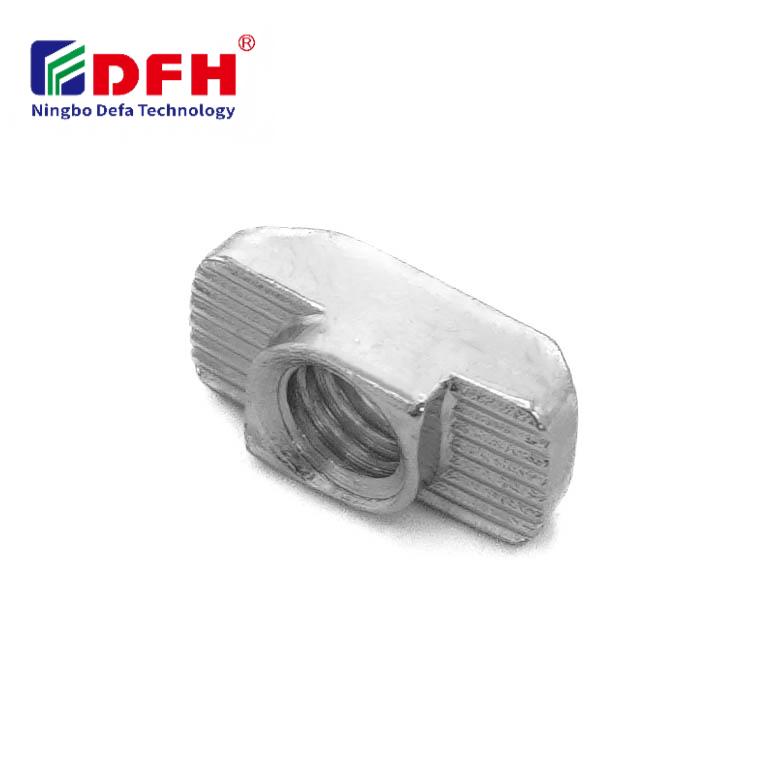
The heavy-duty pipe mounting solution you select must match both the structural frame and the pipe characteristics. Clamps, hangers, and guides distribute loads without concentrating stress at single points. For a modular piping framework, standardized hardware simplifies inventory management and reduces installation time. Spring supports absorb vibration and accommodate thermal expansion better than rigid clamps, particularly for high-temperature lines that experience significant length changes during operation.
Rubber isolation pads reduce noise transmission and vibration propagation through the pipe rack system structure. In facilities sensitive to acoustic disturbance, these components prove essential. Verify that all hardware materials remain compatible with both the pipes and the frame material to prevent galvanic corrosion and mechanical incompatibility. A cohesive industrial pipe support structure relies on well-matched components working together efficiently.
Proper installation execution transforms sound design into reliable operation. Begin by installing the primary frame structure, then verify alignment before installing secondary members and support hardware. Torque all bolted connections according to specification sheets; under-torquing reduces clamp effectiveness, while over-torquing can damage threaded holes or cause stress concentration cracking in your pipe rack system components.
Quality inspections must occur at multiple stages: frame erection, support installation, and final pressure testing. Document all welds with radiography or ultrasonic inspection where critical. Perform hydrostatic testing to verify the integrity of your modular piping framework before introducing normal operating fluids. This investment in construction quality prevents catastrophic failures and regulatory non-compliance that would far exceed the inspection costs.
Pipe diameter, wall thickness, operating temperature, and internal pressure all influence span distance. Larger diameter pipes with thicker walls can span greater distances. Process requirements and vibration characteristics specific to your industrial pipe support structure also matter significantly. Engineers typically perform deflection calculations under full operating loads to confirm safe span distances.
Thermal expansion causes pipes to lengthen under elevated temperatures, creating compressive forces on the structure if movement isn't accommodated. Your pipe rack system must include expansion loops, flexible sections, or sliding supports to allow controlled movement. Anchoring locations require careful placement to prevent buckling. Thermal analysis guides where to place fixed versus flexible supports within your heavy-duty pipe mounting solution.
Yes, but modifications require engineering review to ensure structural integrity remains adequate. Adding pipes increases dead load and dynamic stresses on your modular piping framework. Removing or relocating existing lines redistributes forces. All changes to an industrial pipe support structure demand structural re-analysis and potentially upgrading support hardware to maintain safe operations throughout the modified pipe rack system.
2026/09/30
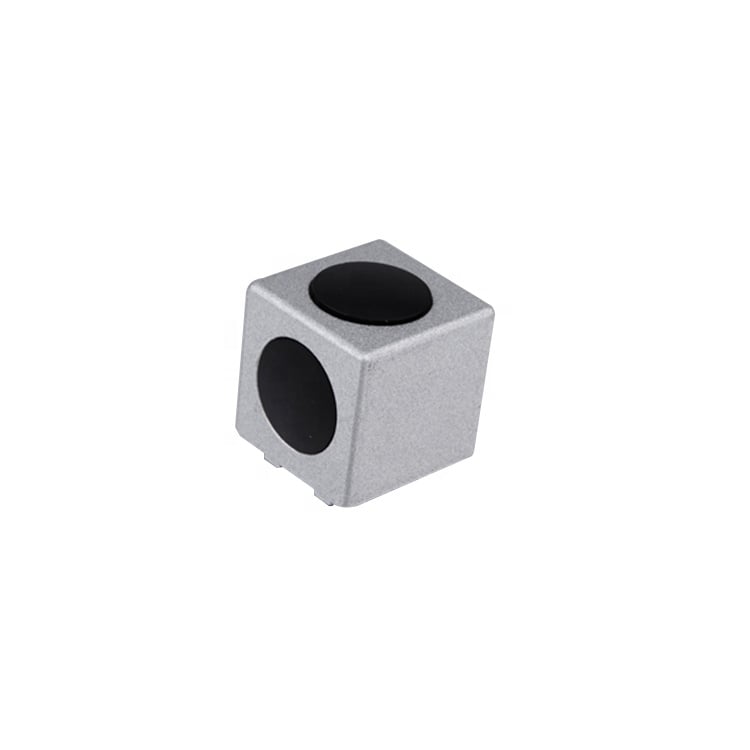
Source aluminum profiles for versatile modular framing. Learn extrusion mechanics, strength benefits & corrosion resistance. Request details.
2026/09/30
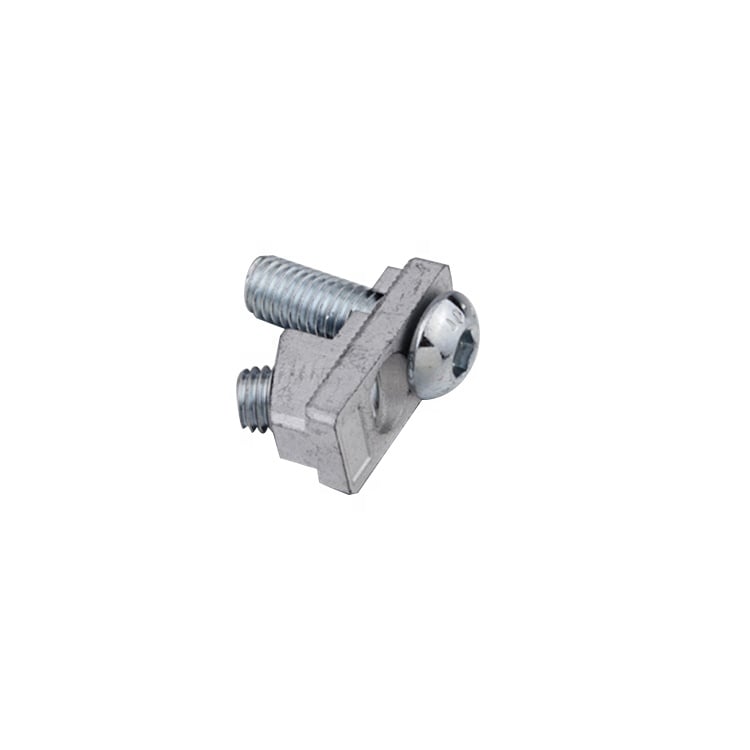
Source aluminum profiles for construction projects. Learn structural framing, cladding & window benefits for maximum ROI. Download guide.
2026/09/30
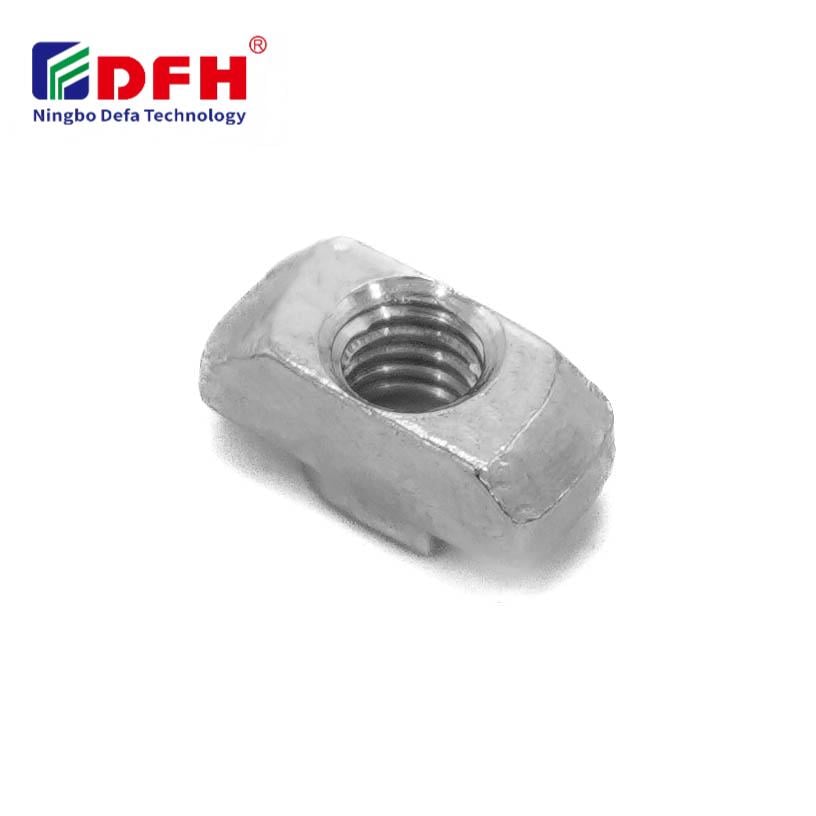
Source optimal aluminum profile sizing techniques. Evaluate load, space, alloy, environment & cost factors to prevent deflection. Download guide.
2026/09/30
Struggling with fastener failures or rework? Master screw sizing by diameter, pitch, material, and load—plus industry-specific standards. Optimize reliability & compliance now.
2026/09/30
Source aluminum profiles for industrial engineering. Discover strength-to-weight ratios, corrosion resistance & 30% cost savings. Download guide.
2026/09/30
Source heat-resistant aluminum profile systems. Master thermal expansion science & stress management strategies for industrial builds. Download guide.