EN
EN
What is Aluminum Profile and How Does It Work?
2026/09/30
Source aluminum profiles for versatile modular framing. Learn extrusion mechanics, strength benefits & corrosion resistance. Request details.

2026/09/10
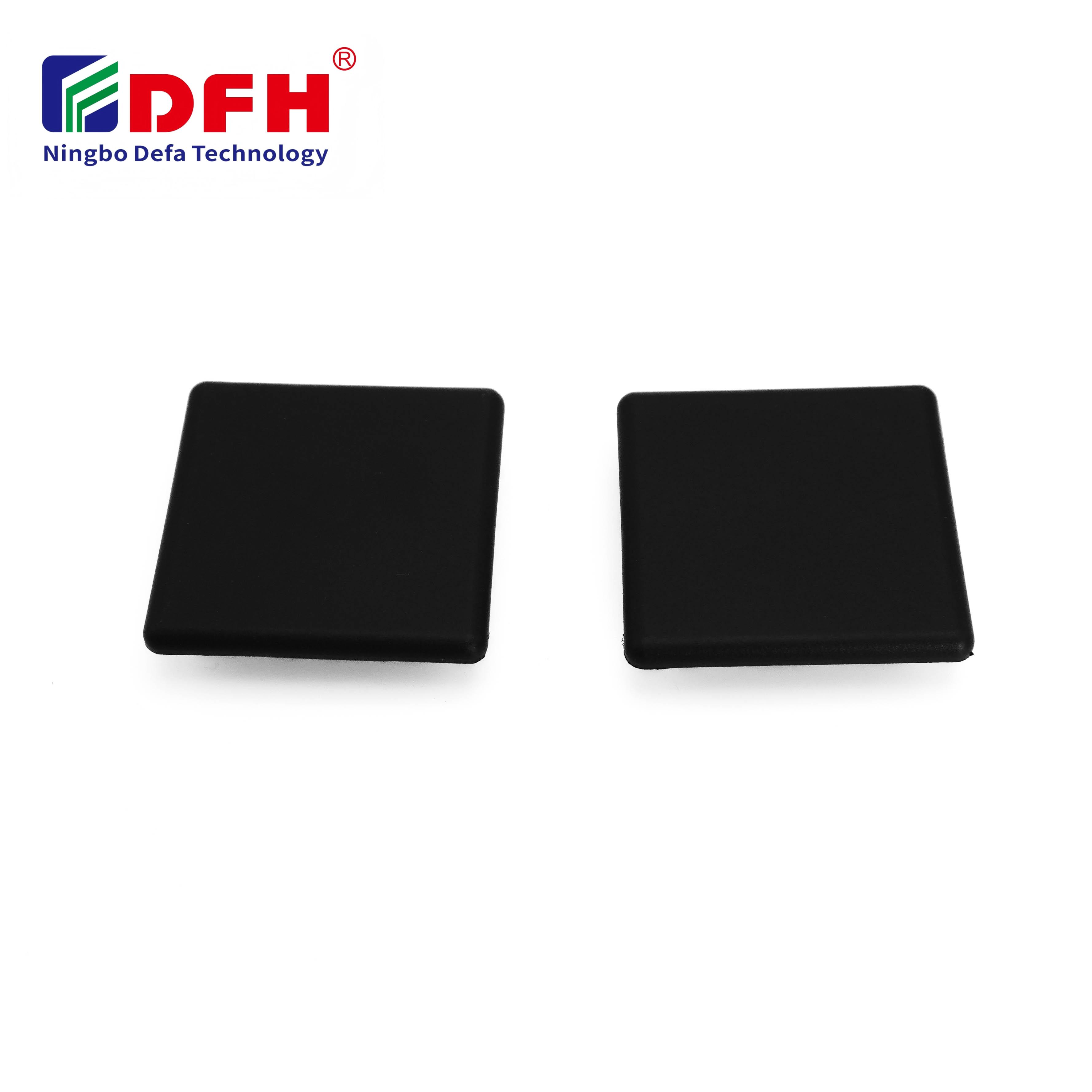
Selecting the correct end cap for your industrial application requires understanding multiple factors that directly impact performance, longevity, and system reliability. An end cap serves as a critical closure component in piping systems, railings, structural assemblies, and modular frameworks, protecting internal components from contamination, moisture, and physical damage. Whether you are designing a new installation or replacing worn components, the choice of end cap can determine whether your system operates efficiently or experiences premature failure.
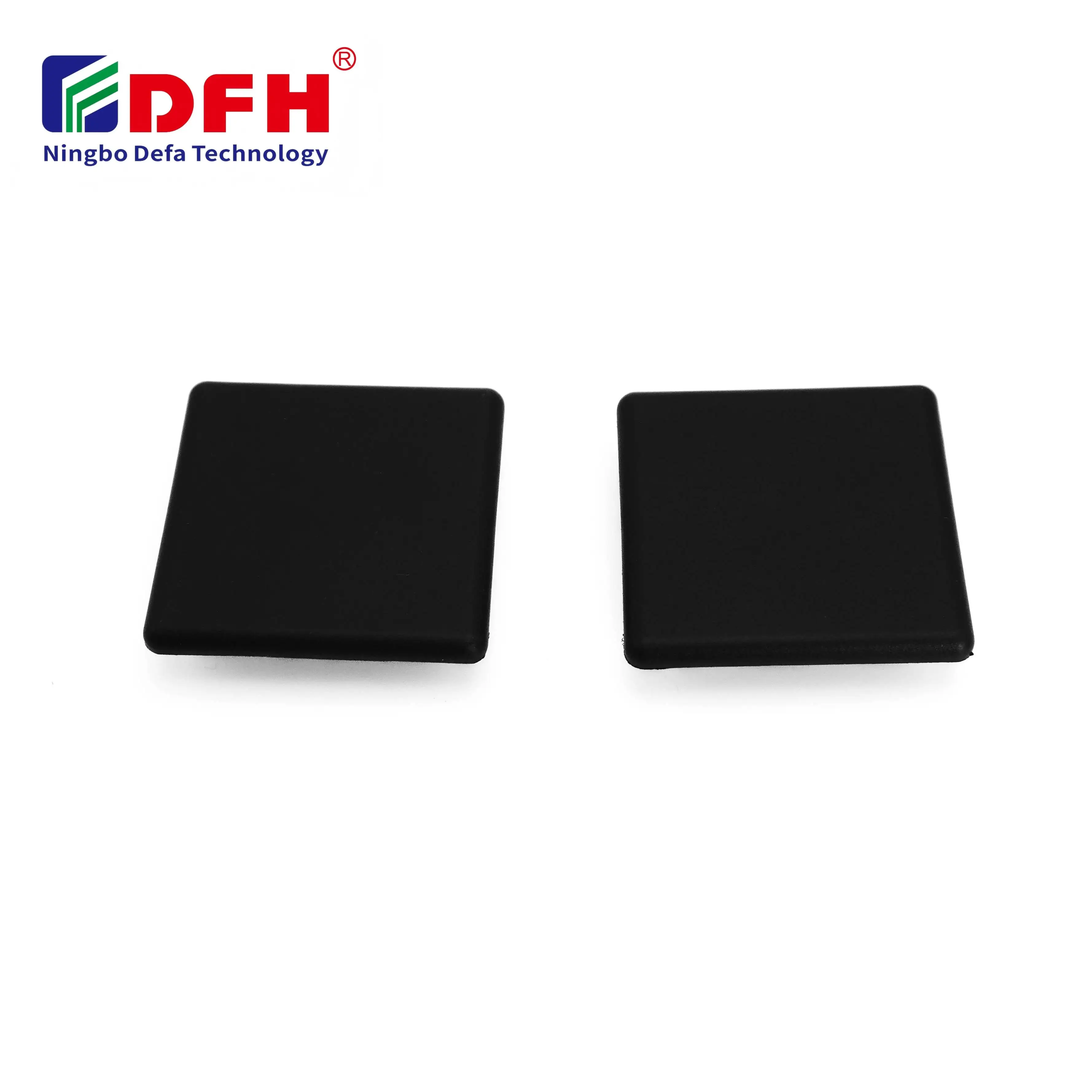
The process of choosing the correct end cap involves evaluating application-specific demands, material compatibility, installation constraints, and long-term maintenance requirements. This guide explores the essential criteria that will help you make an informed decision, ensuring your end cap selection aligns with your system's structural and functional requirements. Understanding these factors upfront prevents costly mistakes and extends the operational lifespan of your equipment.
Different industrial sectors rely on end caps for distinct purposes, and understanding your specific application context is the first step toward selecting the right component. End cap applications span across HVAC systems, where they seal ductwork transitions and prevent air leakage; railing assemblies, where they provide structural closure and aesthetic finishing; piping networks, where they protect connection points from rust and debris; and modular framework systems, where they ensure component compatibility and system integrity.
Manufacturing environments, construction sites, and commercial buildings each present unique demands for end cap performance. In high-moisture environments, an end cap must resist corrosion and water infiltration. In high-temperature applications, material thermal stability becomes critical. In chemical processing facilities, the end cap must withstand exposure to aggressive substances. By clearly defining your application context first, you narrow the selection criteria significantly and avoid purchasing components mismatched to your operational environment.
Performance demands vary substantially depending on whether your end cap operates indoors or outdoors, in a protected or exposed environment, and under static or dynamic loading conditions. Some applications require end cap installation in vibration-prone machinery, where the component must resist loosening and maintain a secure seal over extended operating cycles. Other applications involve minimal movement but demand chemical resistance or UV protection due to environmental exposure.
Understanding the pressure rating, temperature range, and mechanical stress your end cap will experience ensures you select a component rated for those specific conditions. Over-specifying creates unnecessary cost; under-specifying risks system failure. By mapping your performance demands clearly before selection, you eliminate guesswork and establish realistic criteria for evaluating candidate components.
End cap materials determine durability, cost, performance characteristics, and long-term reliability in your application. Common end cap materials include nylon, offering lightweight properties and chemical resistance; aluminum, providing strength and corrosion resistance for outdoor use; stainless steel, delivering superior corrosion performance in harsh chemical or marine environments; and rubber compounds, suited for vibration dampening and flexible sealing applications.
Each material presents distinct advantages and trade-offs. Nylon end caps are economical and suitable for many indoor applications but may degrade under prolonged UV exposure. Aluminum end caps offer excellent weight-to-strength ratios and good corrosion resistance, making them popular in construction and industrial frameworks. Stainless steel end cap materials deliver maximum corrosion resistance for food processing, pharmaceutical, and marine sectors but at higher cost. Your material selection should align with environmental exposure, temperature range, chemical compatibility, and budget constraints specific to your application.
Successful end cap installation depends on proper dimensional compatibility with your existing system components. Measure internal and external diameters, wall thicknesses, and connection interfaces precisely before purchasing. An end cap that appears similar but differs by a fraction of a millimeter will not seal properly or may require dangerous force to install, damaging both the cap and surrounding components.
End cap installation also involves selecting appropriate fastening methods. Some applications use threaded inserts, others rely on press-fit connections, and still others employ adhesive bonding or mechanical clips. Understanding your system's fastening approach before purchase prevents compatibility problems and ensures smooth, professional installation. Verify that your chosen end cap materials are compatible with any bonding agents, sealants, or fastening hardware your system requires. This compatibility check prevents chemical reactions, material degradation, or joint failure after installation.
Once you have defined your application context, performance demands, and material requirements, create a structured comparison framework. List your non-negotiable requirements, such as temperature rating, pressure rating, or specific material composition, and immediately eliminate any options that fail these criteria. Then evaluate remaining candidates against your secondary priorities, such as cost, lead time, supplier reliability, and availability.
Document the comparison systematically rather than relying on memory or informal notes. This approach creates an audit trail showing why you selected a particular end cap and helps justify decisions to stakeholders or regulatory bodies if needed. It also prevents duplicate evaluation work if similar decisions arise in future projects, as you have established repeatable criteria.
Before committing to large orders, validate your selection through small-scale testing or pilot deployment if practical. Request samples from the supplier and confirm that dimensions, material quality, and finish match your expectations. Verify end cap installation procedures with your maintenance team to identify any unexpected complications before full-scale implementation. Check supplier documentation for compatibility warnings, installation best practices, or maintenance recommendations that might influence your decision.
Communicate your final selection to your procurement, maintenance, and operations teams. Ensure everyone understands the end cap specifications, why this component was chosen, and any special handling or installation requirements. This internal communication prevents accidental substitutions and ensures consistent application of your selection criteria across future purchases and installations.
For outdoor applications, prioritize corrosion resistance and UV stability as primary factors. Select end cap materials such as stainless steel or treated aluminum that withstand environmental exposure. Verify that end cap installation hardware uses corrosion-resistant fasteners, and confirm that the component maintains performance across your region's temperature extremes. End cap materials that work indoors may degrade rapidly in outdoor conditions, so outdoor-specific options are worth the additional investment for long-term reliability.
Proper end cap installation requires precise dimensional matching and correct fastening method application. Measure all connection points carefully before purchasing to guarantee compatibility. Follow the supplier's installation instructions exactly, using appropriate tools and techniques for your specific fastening system. Do not force an end cap into place, as this damages both the cap and surrounding components. If you encounter resistance during end cap installation, stop and verify dimensional accuracy rather than proceeding with excessive force that might compromise the seal or structural integrity.
End cap materials perform differently depending on environmental exposure and operational stress. An end cap material suitable for a temperature-controlled indoor facility may fail rapidly outdoors due to UV degradation or moisture infiltration. Similarly, an end cap material rated for ambient temperature may become brittle in cold climates or degrade in high-temperature applications. Assess each installation environment separately rather than assuming uniform material performance. When multiple environments exist within your operation, specify different end cap materials matched to local conditions rather than standardizing on a single option.
2026/09/30
Source aluminum profiles for versatile modular framing. Learn extrusion mechanics, strength benefits & corrosion resistance. Request details.
2026/09/30
Source aluminum profiles for construction projects. Learn structural framing, cladding & window benefits for maximum ROI. Download guide.
2026/09/30
Source optimal aluminum profile sizing techniques. Evaluate load, space, alloy, environment & cost factors to prevent deflection. Download guide.
2026/09/30
Struggling with fastener failures or rework? Master screw sizing by diameter, pitch, material, and load—plus industry-specific standards. Optimize reliability & compliance now.
2026/09/30
Source aluminum profiles for industrial engineering. Discover strength-to-weight ratios, corrosion resistance & 30% cost savings. Download guide.
2026/09/30
Source heat-resistant aluminum profile systems. Master thermal expansion science & stress management strategies for industrial builds. Download guide.