EN
EN
What is Aluminum Profile and How Does It Work?
2026/09/30
Source aluminum profiles for versatile modular framing. Learn extrusion mechanics, strength benefits & corrosion resistance. Request details.

2026/09/24
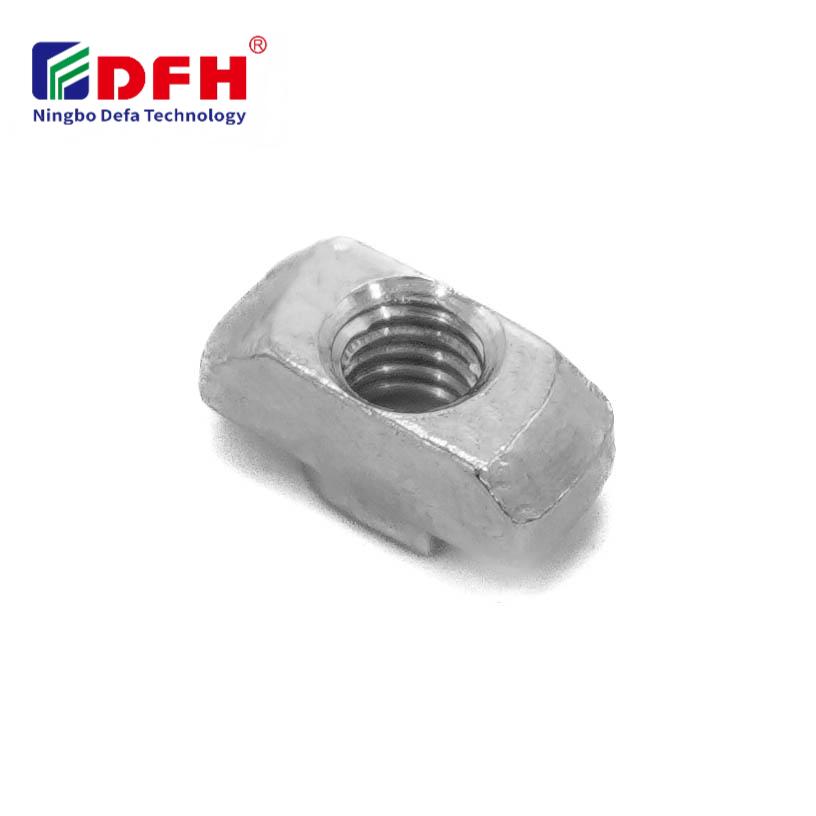
Aluminum slot systems have become the backbone of modern modular assembly and manufacturing environments. These versatile frameworks rely on specialized fastening components to create strong, flexible connections. Understanding how a T Nut secures to aluminum slot systems is essential for engineers, fabricators, and maintenance professionals who design or operate these structures daily.
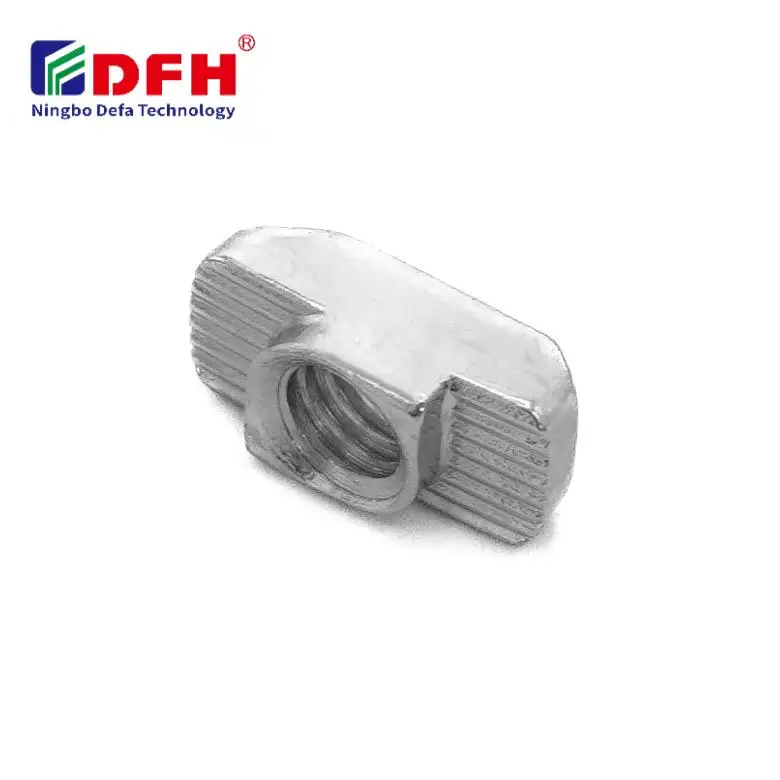
The slot nut assembly process combines mechanical design with practical installation wisdom. When properly executed, this fastening hardware creates connections that withstand vibration, load shifts, and repeated assembly cycles. This guide explains the mechanics of T nut attachment, installation techniques, and the factors that determine secure positioning within aluminum profile channels.
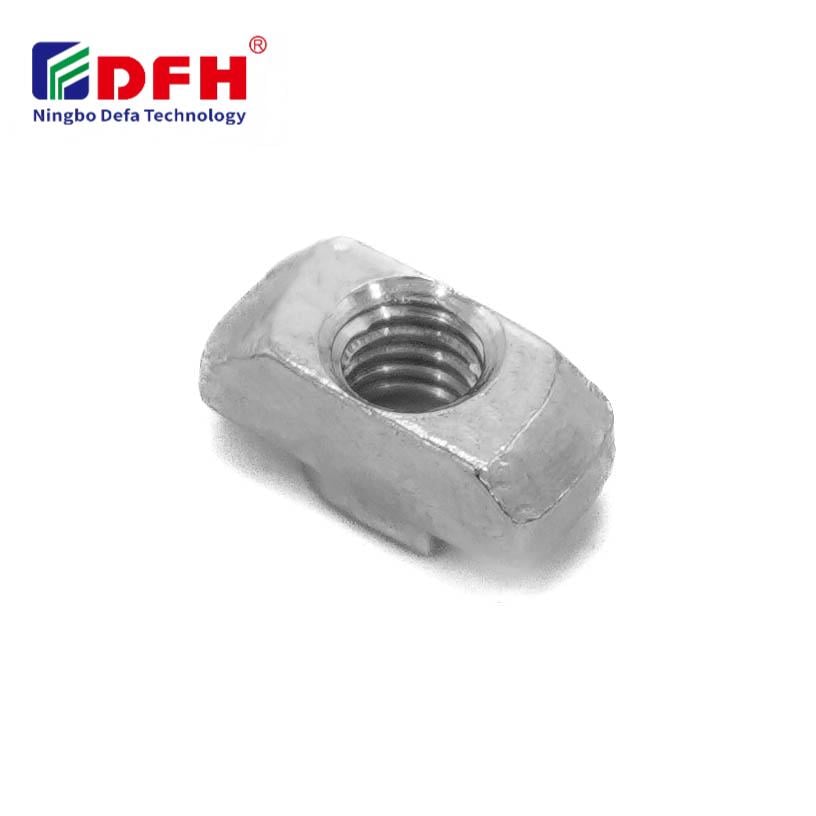
A T nut is fundamentally a threaded insert designed to fit within the distinctive T-shaped slots found in aluminum extrusion profiles. The threaded insert features a cross-sectional profile that mirrors the slot geometry, typically with a flat base and raised edges or tabs that grip the channel walls. The internal threading accommodates standard bolts, screws, or studs, creating a secure mounting point without requiring additional hardware behind the aluminum profile.
The slot nut assembly includes several critical design features that enable reliable fastening. Most threaded insert designs incorporate either hammer-head profiles with offset tabs or griptooth edges that engage the slot walls. These features prevent the T nut from rotating or backing out during normal operation. The fastening hardware must match the slot width precisely; common slot sizes include 4mm, 5mm, 6mm, 8mm, and larger dimensions depending on the aluminum profile series such as 4040, 4545, or 6060 profiles.
Threaded insert composition directly affects the connection strength and durability of slot nut assemblies. Most fastening hardware uses steel with zinc plating, blue oxide finish, or stainless steel for enhanced corrosion resistance. The choice of material influences both the tensile strength and the environmental suitability of the T nut. Aluminum profile systems exposed to moisture, chemicals, or outdoor conditions require fastening hardware with superior corrosion protection to maintain long-term security.
Proper slot nut assembly begins with correct insertion technique into the aluminum slot. The threaded insert must enter the channel with its profile aligned perpendicular to the slot opening. Technicians insert the T nut at an angle, allowing the raised edges or tabs to clear the slot opening, then rotate the fastening hardware ninety degrees to engage the slot walls. This rotation activates the mechanical grip that prevents the nut from shifting or becoming loose during use.
Once positioned within the slot, the T nut remains secured through multiple engagement points. The slot nut assembly design ensures that the edges or tabs of the threaded insert contact the inner walls of the aluminum channel. This contact distributes pressure across multiple points, preventing concentration at a single location that might cause deformation or failure. The mechanical lock created by this interaction is strong enough to resist vibration and dynamic loads common in manufacturing, assembly, and structural applications.
The threaded insert functions as the mounting point for external bolts or studs that create the actual fastening connection. When a bolt is inserted through the component being attached and threaded into the T nut, the mechanical advantage of the threading creates a secure joint. The slot nut assembly achieves its final holding power through three mechanisms: the mechanical grip of the T nut within the aluminum slot, the threading between the bolt and the internal threads of the threaded insert, and the clamping force created by bolt tightening.
Proper tightening technique is critical to achieving consistent fastening hardware performance. Over-tightening may strip the internal threads of the T nut or cause the aluminum profile to deform locally. Under-tightening leaves the connection prone to loosening under vibration or load cycling. Engineers typically specify torque values based on bolt diameter, material grade, and application requirements to ensure slot nut assemblies remain secure throughout the service life of the structure.
The placement of T nuts within aluminum profiles significantly influences the overall structural performance of slot nut assemblies. Engineers position the threaded insert closer to load application points whenever possible to minimize bending moment and shear stress concentration. Multiple T nuts distributed along an aluminum profile create redundant fastening hardware pathways, improving overall system rigidity and fault tolerance. This approach prevents single-point failure modes and distributes loads more evenly across the entire assembly.
The spacing between adjacent T nuts also affects vibration response and resonance characteristics of the assembled structure. Closely spaced fastening hardware increases damping and reduces harmonic amplification, beneficial in dynamic or high-speed applications. Conversely, wider spacing may be acceptable in static load scenarios where cost reduction is a priority. Engineers conduct finite element analysis to determine optimal slot nut assembly spacing based on specific application demands.
Environmental exposure influences the long-term reliability of T nut connections within aluminum profile systems. Corrosive atmospheres, thermal cycling, and moisture ingress can degrade the threaded insert if fastening hardware lacks appropriate protective coatings. Regular inspection of T nuts for discoloration, rust formation, or visible corrosion helps identify degradation before connection failure occurs. Preventive maintenance includes periodic retightening of bolts to compensate for any relaxation caused by vibration or thermal expansion cycling.
The interaction between dissimilar metals in slot nut assemblies creates galvanic corrosion risk when steel fastening hardware contacts bare aluminum. Using stainless steel threaded inserts or applying isolation coatings between the T nut and aluminum profile effectively prevents galvanic attack. This consideration becomes particularly important in applications involving saltwater exposure, aggressive chemical environments, or outdoor installations where moisture regularly contacts the assembly.
A T nut prevents rotation through mechanical geometry. When the threaded insert is inserted and rotated ninety degrees within the slot, the raised edges or tabs engage the inner walls of the aluminum channel. This creates multiple contact points that resist any rotational force. The slot nut assembly design ensures that attempting to rotate the T nut would require lifting it out of the slot first, which is prevented by the external bolt connection, making rotation mechanically impossible during normal use.
A single threaded insert can support substantial loads depending on its size, material grade, and the bolt specification. However, best practice in structural applications distributes loads across multiple T nuts rather than relying on one fastening hardware point. Slot nut assemblies with distributed connection points exhibit better vibration damping, improved fault tolerance, and more predictable failure modes. Using multiple fasteners reduces stress concentration and extends the service life of both the aluminum profile and the threaded insert components.
T nut loosening typically results from vibration-induced bolt relaxation, thermal expansion cycling that changes bolt preload, or inadequate initial tightening of the fastening hardware. When slot nut assemblies experience repeated vibration, microscopically small movements between mating surfaces gradually reduce clamping force. Applying thread-locking compounds to the bolt threads, using lock washers, or specifying nylon-insert lock nuts can effectively prevent this degradation. Regular inspection and maintenance retightening of threaded insert connections address this issue proactively in demanding applications.
2026/09/30
Source aluminum profiles for versatile modular framing. Learn extrusion mechanics, strength benefits & corrosion resistance. Request details.
2026/09/30
Source aluminum profiles for construction projects. Learn structural framing, cladding & window benefits for maximum ROI. Download guide.
2026/09/30
Source optimal aluminum profile sizing techniques. Evaluate load, space, alloy, environment & cost factors to prevent deflection. Download guide.
2026/09/30
Struggling with fastener failures or rework? Master screw sizing by diameter, pitch, material, and load—plus industry-specific standards. Optimize reliability & compliance now.
2026/09/30
Source aluminum profiles for industrial engineering. Discover strength-to-weight ratios, corrosion resistance & 30% cost savings. Download guide.
2026/09/30
Source heat-resistant aluminum profile systems. Master thermal expansion science & stress management strategies for industrial builds. Download guide.