EN
EN
What is Aluminum Profile and How Does It Work?
2026/09/30
Source aluminum profiles for versatile modular framing. Learn extrusion mechanics, strength benefits & corrosion resistance. Request details.

2026/09/09
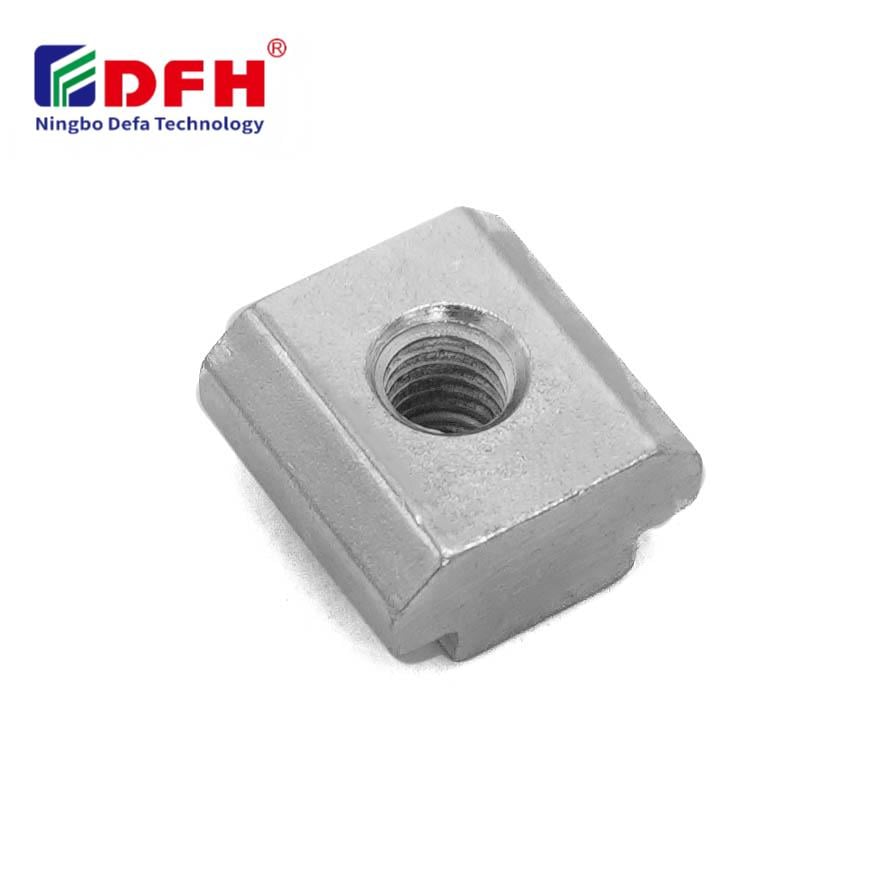
In modern manufacturing and industrial assembly, speed and precision are critical drivers of profitability. One often-overlooked component that delivers measurable time savings is the T nut, a specialized fastening hardware solution that integrates seamlessly into modular assembly systems. Understanding how T nuts reduce assembly time requires examining their design, installation mechanics, and real-world application benefits across industries relying on aluminum profile frameworks and structural assembly.
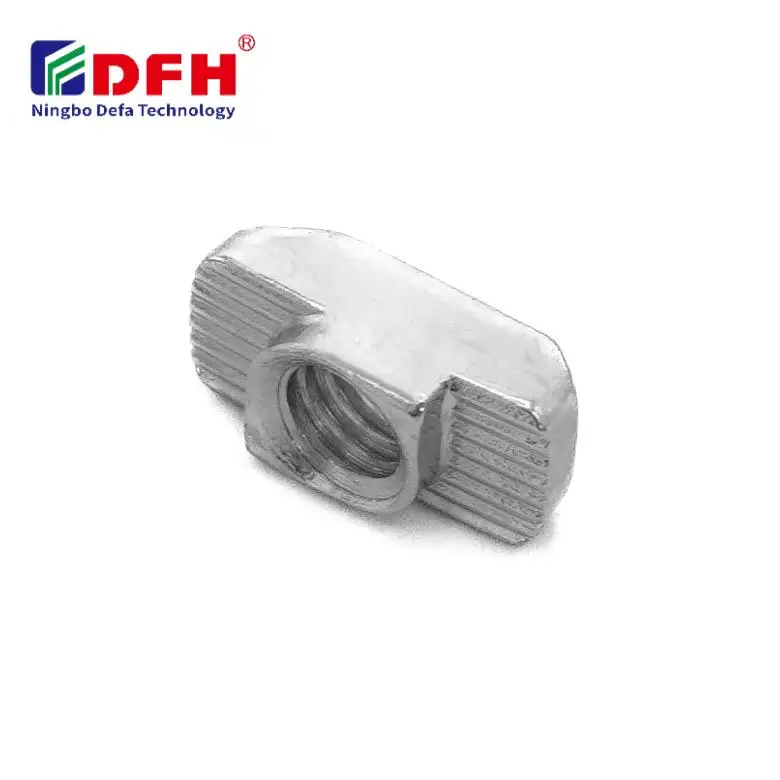
The T nut fundamentally changes how technicians approach fastening tasks on modular aluminum systems. Unlike traditional bolts that require alignment from multiple angles, a T nut slides directly into T-slot channels, eliminating repositioning steps and reducing overall labor effort. This efficiency gain compounds across large production runs, making T nuts a cost-effective fastening hardware choice for manufacturers seeking to optimize cycle times and labor allocation.
The slide-in mechanism of a T nut removes one of the most time-consuming aspects of traditional bolt assembly. Workers no longer need to hold a threaded insert in place while tightening fasteners from multiple access points. Instead, the T-slot nut design allows the component to snap into position within the aluminum profile channel, requiring only a single rotational tightening action. This single-motion installation reduces handling time by an estimated 40 to 60 percent compared to conventional fastening methods.
A standard T nut assembly typically requires only one wrench size or hex key, whereas traditional bolt setups often demand multiple tools for backing nuts, washers, and alignment guides. This reduction in tool complexity accelerates the assembly workflow and minimizes worker confusion on crowded shop floors. Fewer tool changes mean fewer delays, and workers spend more time assembling rather than searching for equipment or switching between tasks.
Because the T-slot nut design allows workers to insert fastening hardware from the side of aluminum profiles rather than from the end or back, multiple assembly points become accessible simultaneously. Team members can work on different sections of a large assembly without waiting for others to clear their work area. This parallel workflow capability—made possible by the T nut's unique geometry—can accelerate multi-station assembly lines significantly, particularly in industries building framing systems, machine enclosures, and modular fixtures.
The threaded insert function built into a T nut's design virtually eliminates misalignment errors. Workers cannot install the fastening hardware backwards or at incorrect angles because the T-slot channel physically constrains positioning. This geometric constraint dramatically reduces rework cycles, warranty returns, and quality inspection delays. In high-volume manufacturing environments, lower defect rates directly translate into reduced downtime and faster throughput to finished goods inventory.
A T nut investment in fastening hardware infrastructure pays dividends at any production scale. Whether assembling 50 units or 5,000 units per month, the time savings per unit remain consistent because the installation mechanics do not change. This predictability enables manufacturers to forecast labor needs more accurately and allocate resources more efficiently. Industries such as automation equipment, workstation assembly, and industrial controls leverage this scalability to keep per-unit assembly costs competitive even as order volumes fluctuate.
New workers learn T-slot nut installation procedures faster than traditional fastening methods because the process follows a more intuitive sequence. A threaded insert component has fewer variables—no bolt orientation confusion, no backing nut positioning challenges. Reduced training time means faster ramp-up to full productivity for new hires and lower onboarding costs. This advantage becomes especially valuable in regions where labor turnover is high or seasonal hiring occurs regularly.
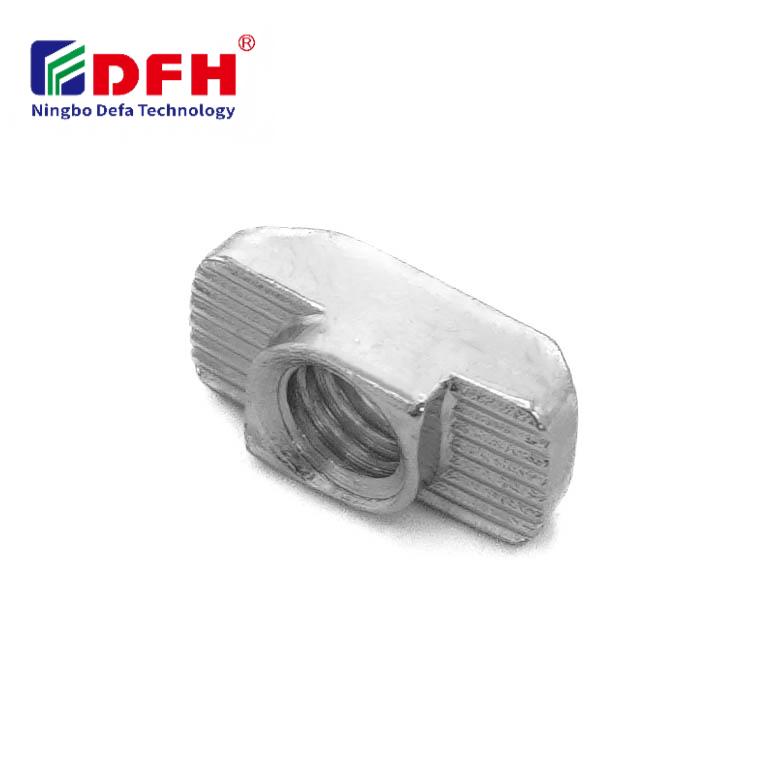
Most standard T-slot nut designs are manufactured to fit specific profile depths and slot widths, such as 40×40 or 45×45 aluminum extrusions. Always verify that your T nut size matches your aluminum profile dimensions before ordering fastening hardware. Mismatched profiles will prevent proper engagement of the threaded insert feature, negating the assembly time benefits.
A T-slot nut offers faster installation than pre-inserted threaded inserts because it requires no pre-drilling, no pressing, and no specialized insertion tools. The T nut simply slides into place, making it faster for modular assembly applications. However, threaded inserts are better suited for applications where compactness is critical and profiles cannot accommodate the T nut's extended shape.
Automation equipment manufacturers, modular furniture makers, industrial controls enclosure builders, and machine tool designers rely heavily on T-slot nut efficiency. Any industry building modular or reconfigurable systems using aluminum profiles will experience measurable assembly time reductions. This fastening hardware is particularly valuable in just-in-time manufacturing environments where rapid changeovers are essential.
2026/09/30
Source aluminum profiles for versatile modular framing. Learn extrusion mechanics, strength benefits & corrosion resistance. Request details.
2026/09/30
Source aluminum profiles for construction projects. Learn structural framing, cladding & window benefits for maximum ROI. Download guide.
2026/09/30
Source optimal aluminum profile sizing techniques. Evaluate load, space, alloy, environment & cost factors to prevent deflection. Download guide.
2026/09/30
Struggling with fastener failures or rework? Master screw sizing by diameter, pitch, material, and load—plus industry-specific standards. Optimize reliability & compliance now.
2026/09/30
Source aluminum profiles for industrial engineering. Discover strength-to-weight ratios, corrosion resistance & 30% cost savings. Download guide.
2026/09/30
Source heat-resistant aluminum profile systems. Master thermal expansion science & stress management strategies for industrial builds. Download guide.