EN
EN
What is Aluminum Profile and How Does It Work?
2026/09/30
Source aluminum profiles for versatile modular framing. Learn extrusion mechanics, strength benefits & corrosion resistance. Request details.

2026/09/10
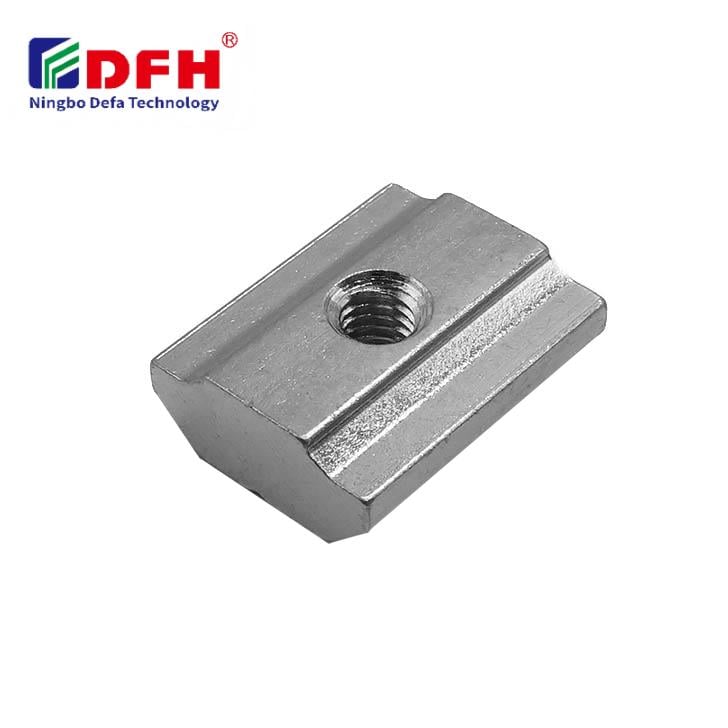
Assembly efficiency is a critical driver of manufacturing productivity and cost control across industrial sectors. When production teams face delays or quality inconsistencies during component assembly, the bottleneck often traces back to suboptimal fastening solutions. A T Nut addresses this challenge directly by providing a robust, reusable fastening mechanism that integrates seamlessly into slotted profiles and aluminum frame systems. Unlike traditional fasteners that require pre-drilled holes or permanent installation, T nuts deliver flexibility, speed, and structural reliability.
The efficiency gains from adopting T-slot nuts extend far beyond simple time savings during initial assembly. When manufacturers integrate these fastening hardware solutions into their production workflows, they unlock predictable assembly cycles, reduce rework, and minimize the need for specialized tools. This article explores how T nuts specifically improve assembly efficiency, the mechanisms driving those improvements, and the practical implementation strategies that maximize their value.
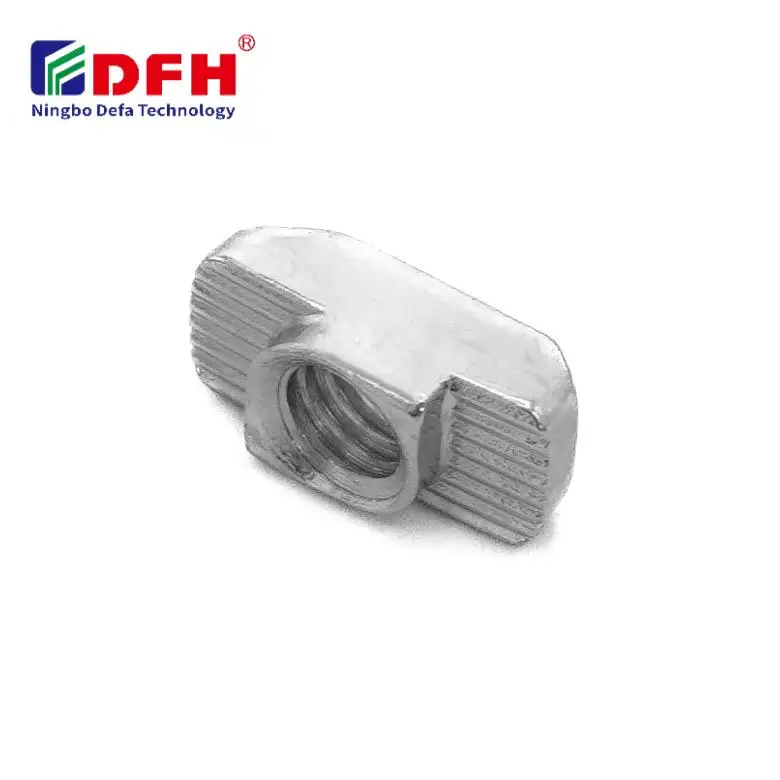
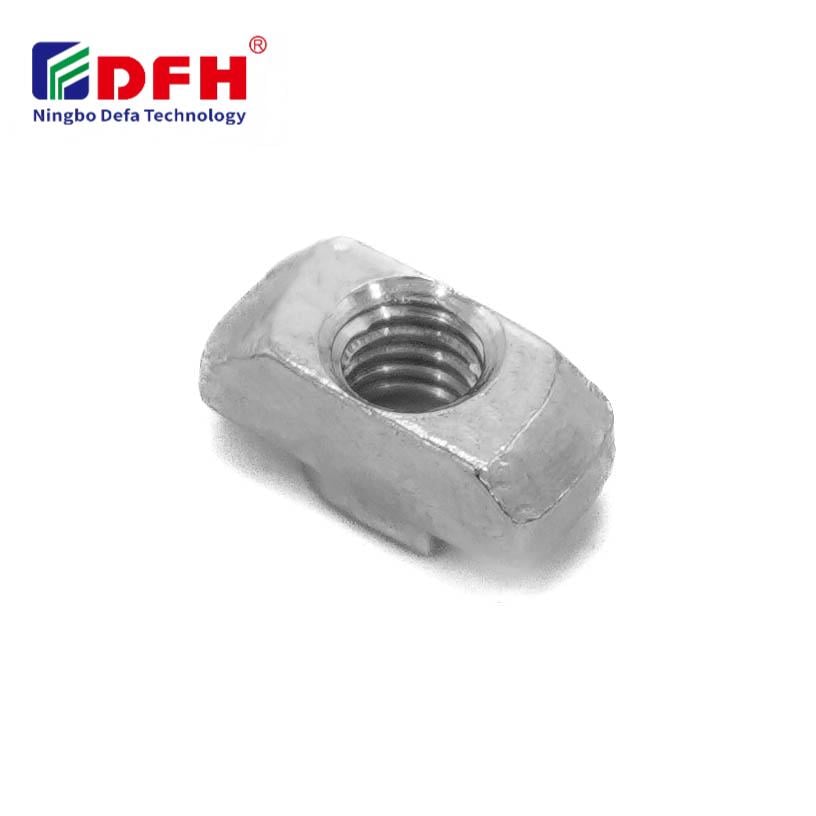
A T-slot nut is a specialized fastening component designed to slide into T-shaped slots commonly found on aluminum profiles, machine frames, and modular assembly systems. The threaded insert at its center accepts bolts or screws, creating a secure connection point without requiring permanent drilling or welding. This design principle fundamentally transforms how assembly teams approach component mounting, allowing rapid repositioning, adjustment, and reconfiguration throughout the assembly process.
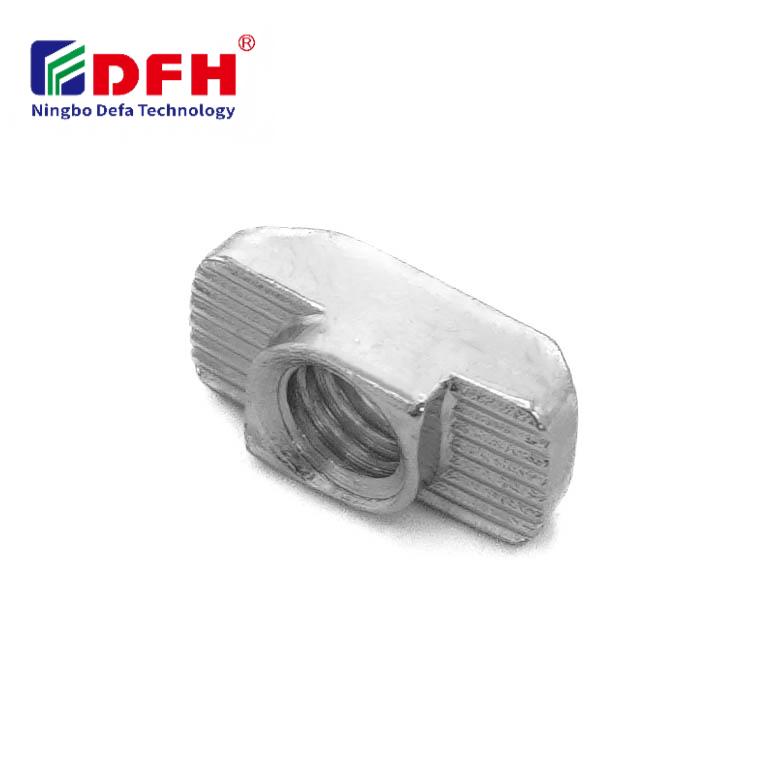
The T-slot nut geometry consists of a rectangular base that fits precisely into standardized slot dimensions, combined with an internal threaded hole. When a fastener tightens through the threaded insert, the component locks firmly in place while remaining fully reversible. This reversibility is a major efficiency differentiator, as technicians can adjust or replace components without damaging the mounting profile or surrounding structure.
Conventional fastening hardware often requires pre-drilling holes, inserting anchors, or using welded studs—processes that demand preparation time, specialized equipment, and create permanent installation points. Threaded inserts embedded in fixed locations reduce flexibility during assembly modification or maintenance. In contrast, T nuts slide freely within slots, enabling technicians to position fastening points exactly where needed without advance preparation or dedicated tooling investment.
The speed advantage becomes quantifiable when comparing assembly cycles. A technician using traditional methods may spend 5–10 minutes per fastening point preparing surfaces, drilling guides, and installing anchors. With T-slot nuts, the same connection typically takes 1–3 minutes, as the slot already exists and the nut slides into position instantly. This efficiency multiplier compounds across assemblies containing dozens or hundreds of connection points.
T nuts dramatically accelerate the positioning phase of assembly by eliminating measurement uncertainty and hole-drilling delays. Aluminum profiles with integrated T-slots come pre-manufactured with standardized slot spacing, meaning assembly teams know exactly where fastening points will be. Threaded insert positioning becomes predictable and repeatable across multiple units, reducing setup time and human error.
When assembling identical components in high-volume production, this repeatability creates compounding efficiency gains. Workers develop muscle memory for nut placement, fasteners remain standardized across the product line, and quality consistency improves automatically. The fastening hardware essentially self-guides the assembly process, minimizing training time for new technicians and reducing the cognitive load required to execute connections correctly.
Modern manufacturing increasingly demands customization and rapid design iteration. Traditional drilling-based fastening methods lock component positions into fixed points, making mid-production modifications costly and time-consuming. T-slot nuts and T-slot nut systems enable unlimited repositioning within existing slots, allowing assembly teams to respond to customer requests, design changes, or performance feedback without scrapping completed frames or profiles.
This adaptive capability translates directly into reduced assembly time for custom orders. Instead of communicating new hole locations to drilling specialists and waiting for profile modifications, teams can simply slide fastening hardware to the required position during final assembly. The threaded insert network built into every T-slot profile becomes a reusable infrastructure for any component variation.
T nuts require only standard wrenches, hex drivers, and basic handheld tools to install and tighten. Unlike threaded inserts that need specialized insertion tools, or anchors requiring specific hole-preparation kits, T-slot nut installation remains universally accessible. This simplification reduces tool inventory, training complexity, and equipment downtime when specialized machinery becomes unavailable.
Assembly teams working with fastening hardware typically maintain multiple tool types for different fastening methods. Standardizing on T nuts and compatible components consolidates tool requirements, accelerates technician proficiency, and improves production continuity. The financial impact extends beyond labor—reduced tool maintenance budgets and simpler tool tracking systems contribute measurable cost savings.
Manufacturing environments ranging from automotive component assembly to machine tool construction have documented significant efficiency improvements after adopting T-slot nut systems. In modular frame assembly, production teams report 30–45% reductions in fastening-related cycle time when transitioning from welded studs or pre-drilled anchors to T-slots and threaded inserts. These gains accumulate during both initial assembly and maintenance phases, as systems remain fully serviceable without permanent modifications.
The fastening hardware standardization also reduces material waste. With traditional methods, obsolete frames or incorrect drilling positions require scrapping or rework. T-slot systems accommodate repositioning without destruction, extending frame life and improving overall manufacturing resource efficiency. Organizations implementing T nuts across production lines typically achieve cost recovery within 6–12 months through labor savings alone.
Optimal efficiency emerges when assembly teams coordinate T-slot nut selection with profile specifications, fastener sizing, and component layout planning. Organizations should standardize on compatible threaded insert dimensions across all assembly stations, ensuring interchangeability and reducing inventory complexity. Material selection—zinc plating, stainless options, or specialized coatings—should align with environmental conditions and longevity requirements to minimize replacement cycles.
Training technicians on proper T-slot nut installation, appropriate torque specifications, and preventive maintenance establishes consistent assembly quality. Documentation of assembly procedures using T nuts and fastening hardware standardization enables rapid scaling when production volume increases. Regular audits of assembly workflows reveal additional optimization opportunities, such as pre-positioning nuts on profiles before delivery to assembly stations, further compressing cycle time.
T nuts eliminate preparation time required by traditional fastening methods. No drilling, anchor insertion, or welding is necessary—the threaded insert sits ready inside the T-slot. This immediate availability, combined with unlimited repositioning capability within existing slots, reduces assembly time by 30–50% compared to methods requiring pre-drilled holes or permanent anchors.
T-slot nuts are ideal for modular assembly systems using aluminum profiles or slotted steel frames. Any production environment requiring adjustable, reusable fastening points benefits from T nuts. However, applications requiring welded permanent connections or non-slotted surfaces will continue using alternative fastening hardware approaches.
While individual T nuts may cost slightly more upfront than simple fasteners, total cost of ownership favors T-slot systems. Reduced assembly labor, minimal rework, extended frame serviceable life, and simplified tool requirements create significant cumulative savings. Most organizations recover their threaded insert infrastructure investment within months through operational efficiency gains.
2026/09/30
Source aluminum profiles for versatile modular framing. Learn extrusion mechanics, strength benefits & corrosion resistance. Request details.
2026/09/30
Source aluminum profiles for construction projects. Learn structural framing, cladding & window benefits for maximum ROI. Download guide.
2026/09/30
Source optimal aluminum profile sizing techniques. Evaluate load, space, alloy, environment & cost factors to prevent deflection. Download guide.
2026/09/30
Struggling with fastener failures or rework? Master screw sizing by diameter, pitch, material, and load—plus industry-specific standards. Optimize reliability & compliance now.
2026/09/30
Source aluminum profiles for industrial engineering. Discover strength-to-weight ratios, corrosion resistance & 30% cost savings. Download guide.
2026/09/30
Source heat-resistant aluminum profile systems. Master thermal expansion science & stress management strategies for industrial builds. Download guide.