EN
EN
What is Aluminum Profile and How Does It Work?
2026/09/30
Source aluminum profiles for versatile modular framing. Learn extrusion mechanics, strength benefits & corrosion resistance. Request details.

2026/09/29
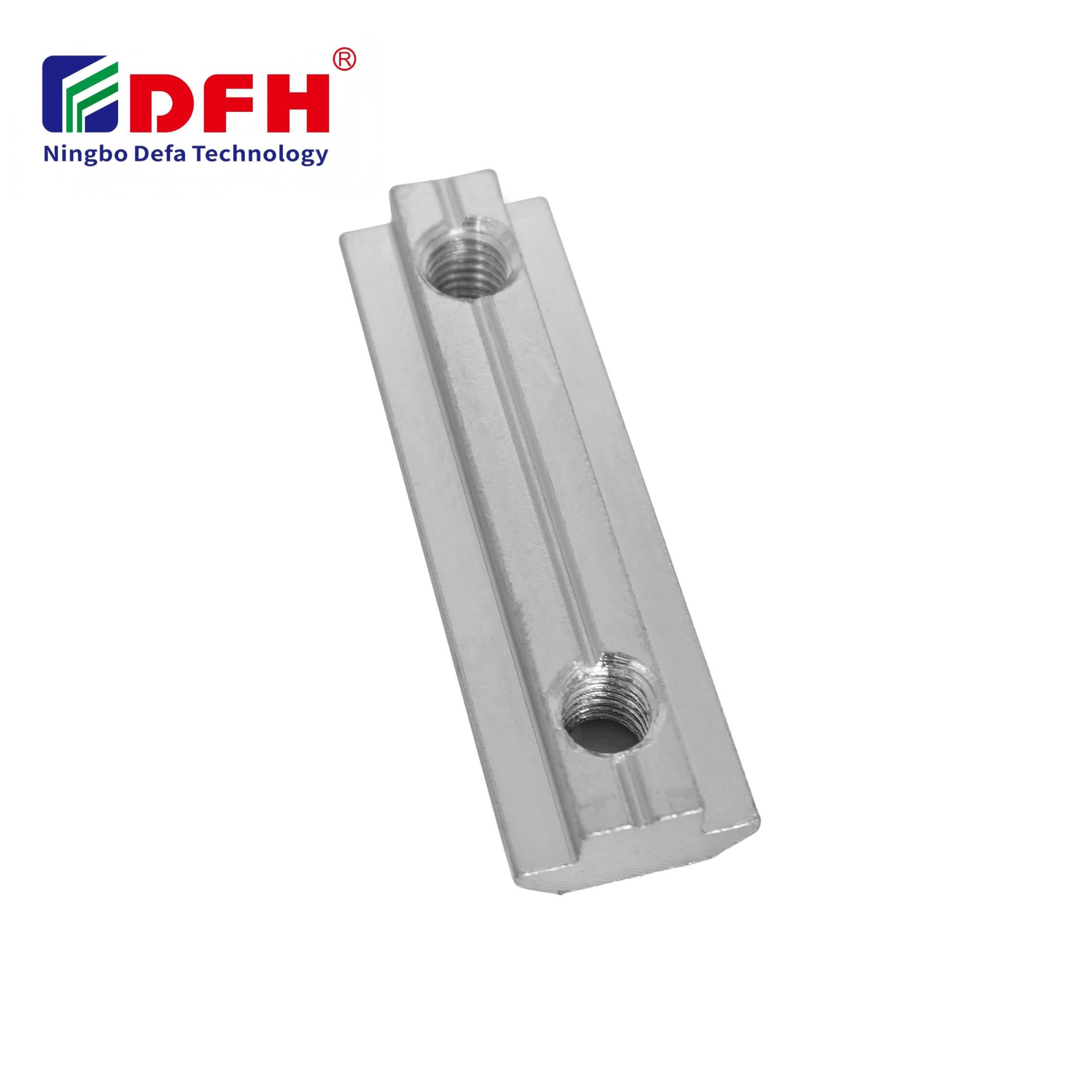
When working with modular framing systems, machinery assemblies, or industrial equipment, understanding the distinction between a T Nut and standard fastening hardware is essential for selecting the right component. While both serve critical roles in assembly and structural integrity, they operate on fundamentally different principles and address distinct installation scenarios. Standard nuts rely on threaded holes or bolts to create a secure connection, whereas a T Nut functions as a specialized threaded insert designed to slot into T-shaped channels or grooves found in aluminum extrusions and similar materials. This fundamental difference in design and application makes each type suitable for specific industrial contexts and fastening requirements.
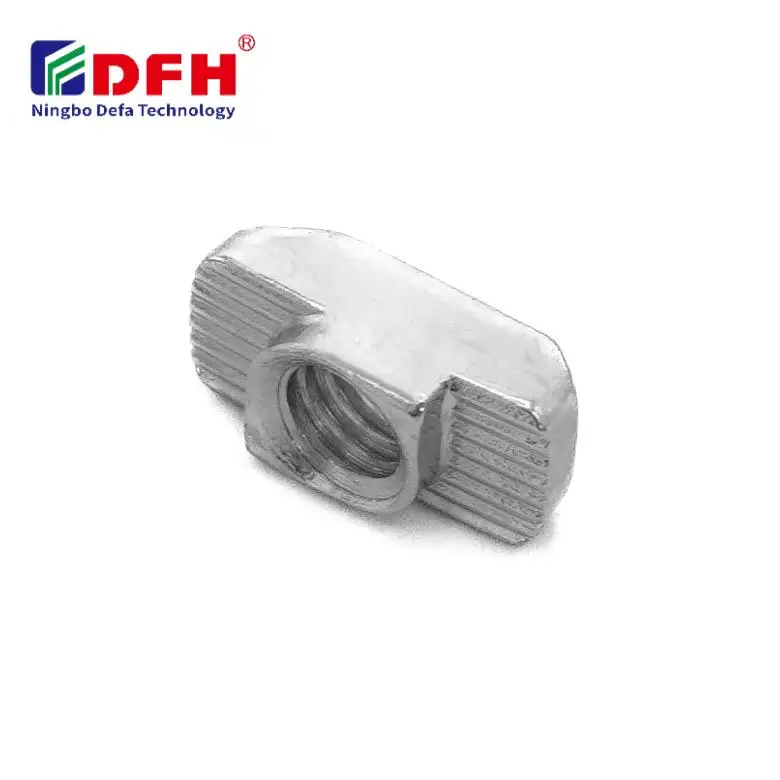
Understanding these differences is crucial for engineers, manufacturers, and builders who must make informed decisions about fastening hardware for their projects. A slot nut assembly offers flexibility and ease of repositioning, which becomes invaluable when working with modular construction systems where components may need adjustment or reconfiguration. The choice between a T Nut and standard alternatives impacts installation speed, material compatibility, design efficiency, and long-term performance. This guide explores the structural differences, functional advantages, installation methods, and practical applications that distinguish T nuts from conventional fastening solutions in industrial and commercial environments.
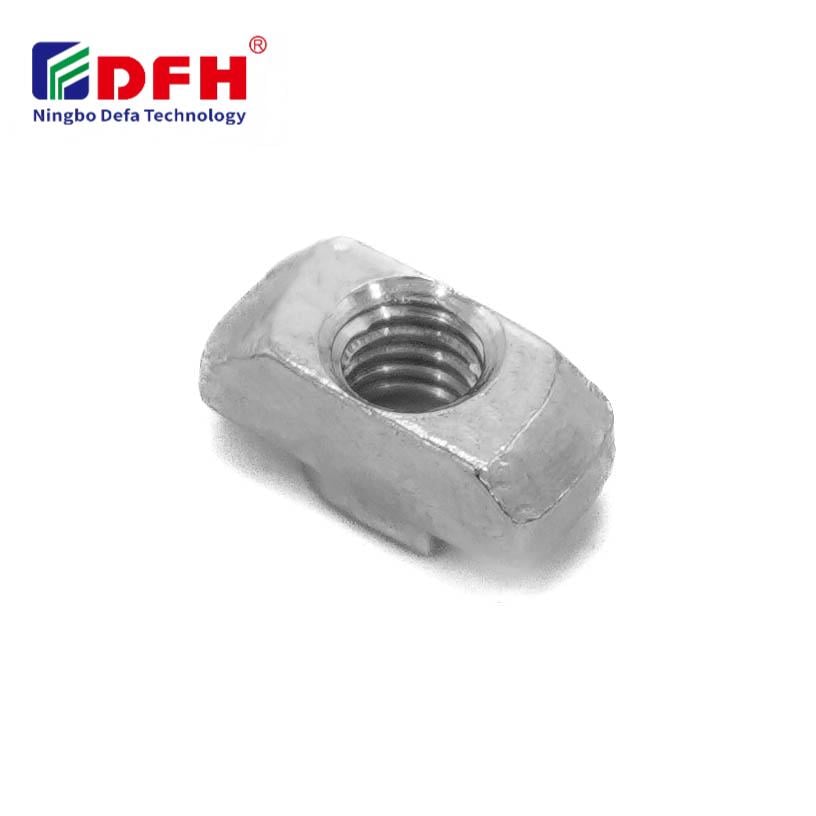
A T Nut features a distinctive hammer-head or T-shaped profile that allows it to slide into the T-slot grooves present in aluminum profiles, steel frames, and specialized structural components. The threaded insert at the center of the T Nut accepts bolts or screws, creating a secure anchor point without requiring access to the rear of the assembly. This design eliminates the need for pre-drilled holes aligned with existing bolt patterns, making it an ideal fastening hardware choice for applications requiring flexibility. The hammer-head profile sits flush against the inner walls of the T-slot channel, distributing load forces across a wider surface area and enhancing stability compared to point-contact fastening methods.
Standard nuts, typically hexagonal or square in shape, require a corresponding threaded bolt inserted through a pre-drilled hole. These fasteners create a threaded interface on both sides of the joint, relying on the bolt's helical threads and the nut's internal threading to maintain the connection. Standard nuts depend on direct access to both the bolt end and the mounting surface, necessitating through-holes or tapped threads already present in the assembly. The slot nut assembly approach used with T nuts offers greater flexibility than traditional nuts because repositioning requires only sliding the T Nut along the channel rather than drilling new holes.
One of the most significant benefits of using a T Nut is its ability to be repositioned along the T-slot channel without additional drilling or modification. Industrial facilities often use modular workstations, machine frames, and assembly fixtures where components must be adjusted or reconfigured for different production runs or product variations. A T Nut enables this flexibility by allowing fastening hardware to move freely within the channel, then lock securely at the desired position using the threaded insert. Standard nuts, by contrast, remain fixed at their installation location and cannot be moved unless new holes are drilled, making them less suitable for dynamic or frequently changing assembly requirements.
The hammer-head profile of a T Nut distributes clamping forces across a larger surface area compared to the point load created by a standard nut pressing directly against material. This distributed load capacity makes the threaded insert design particularly valuable in applications involving vibration, shock loads, or repeated stress cycles. The slot nut assembly configuration reduces the risk of material deformation, thread stripping, or fastener loosening under dynamic conditions common in manufacturing equipment, automotive assemblies, and machinery. Standard nuts concentrate force at a smaller contact area, potentially leading to material creep or surface indentation over extended use, particularly in softer materials like aluminum or composite structures.
Installing a T Nut requires only sliding the fastening hardware into the appropriate T-slot channel and tightening the threaded insert, a process that typically takes seconds and requires minimal preparation. This rapid installation makes the threaded insert approach ideal for production environments where assembly speed directly impacts manufacturing efficiency and cost. Standard nuts require pre-positioned bolts, access to both sides of the joint, and sequential tightening procedures that consume more labor time and require additional fixture coordination. In confined spaces or complex assemblies where access to the rear of a joint is limited or impossible, a T Nut provides a practical advantage that standard nuts cannot match.
The reversible nature of T Nut installation means fastening hardware can be easily removed, adjusted, and reinstalled without damage to the mounting surface. This reusability is particularly valuable in modular systems where components are frequently reconfigured or upgraded. Standard nuts, once removed from their threaded location, can be reused in the same location, but repositioning them requires drilling new holes and potentially compromising the structural integrity of the original assembly. The threaded insert design used in slot nut assemblies supports rapid maintenance cycles and system modifications common in modern manufacturing and construction industries.
Choose a T Nut when working with T-slotted materials because it offers flexibility for repositioning, faster installation, better load distribution, and superior performance in modular systems. The threaded insert design allows adjustment without drilling new holes, making it ideal for applications requiring frequent reconfiguration, vibration resistance, or space-constrained assemblies where standard fastening hardware cannot access both sides of the joint.
T nuts are compatible with aluminum extrusions, steel T-slot plates, specialty composite frames, and any material featuring precision T-slot channels. Standard nuts work with any material that can accommodate pre-drilled or tapped holes, but they offer less flexibility than slot nut assembly solutions. The choice depends on your existing infrastructure and whether modular functionality or simple static fastening best serves your application requirements.
Replacing standard nuts with a T Nut requires that your base material feature T-slot channels or grooves compatible with the threaded insert design. If your assembly uses conventional drilled holes, retrofitting requires either acquiring T-slotted materials or boring new channels, which may not be practical. Evaluate the total cost of materials and labor before deciding whether converting to T Nut fastening hardware makes economic and operational sense for your specific project.
2026/09/30
Source aluminum profiles for versatile modular framing. Learn extrusion mechanics, strength benefits & corrosion resistance. Request details.
2026/09/30
Source aluminum profiles for construction projects. Learn structural framing, cladding & window benefits for maximum ROI. Download guide.
2026/09/30
Source optimal aluminum profile sizing techniques. Evaluate load, space, alloy, environment & cost factors to prevent deflection. Download guide.
2026/09/30
Struggling with fastener failures or rework? Master screw sizing by diameter, pitch, material, and load—plus industry-specific standards. Optimize reliability & compliance now.
2026/09/30
Source aluminum profiles for industrial engineering. Discover strength-to-weight ratios, corrosion resistance & 30% cost savings. Download guide.
2026/09/30
Source heat-resistant aluminum profile systems. Master thermal expansion science & stress management strategies for industrial builds. Download guide.