EN
EN
What is Aluminum Profile and How Does It Work?
2026/09/30
Source aluminum profiles for versatile modular framing. Learn extrusion mechanics, strength benefits & corrosion resistance. Request details.

2026/09/15
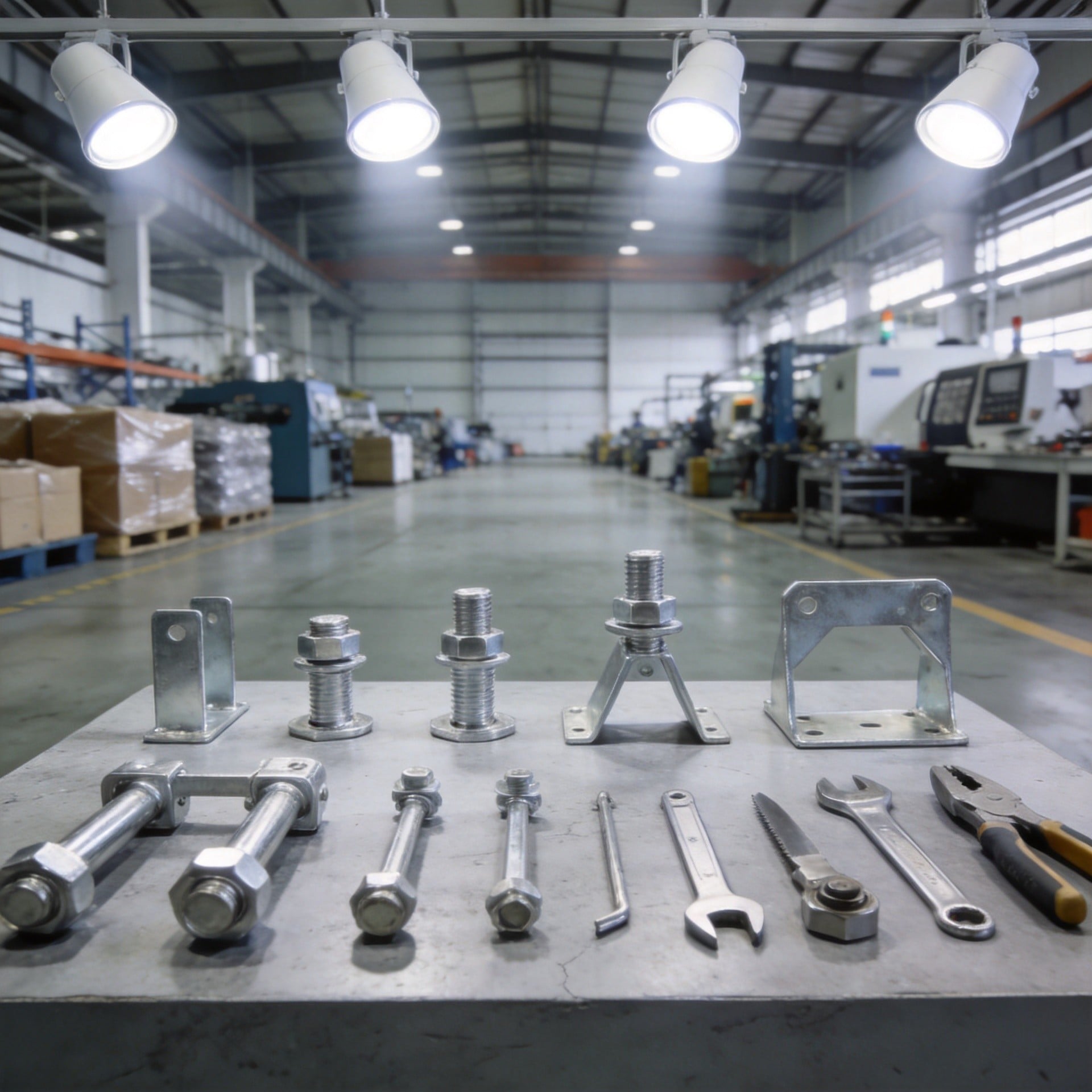
Industrial operations depend on efficient fluid and gas distribution across vast facility networks. A Pipe Rack System serves as the backbone of these operations by providing structural support, organization, and accessibility for complex piping networks. Whether managing steam lines, process chemicals, or utility distribution, pipe rack systems ensure that pipelines remain secure, properly spaced, and easy to maintain throughout their operational lifecycle.
Industrial operations face constant pressure to maximize efficiency while minimizing downtime. An industrial piping support structure must withstand extreme temperatures, vibration, corrosion, and dynamic loads. Modern pipe rack systems combine durability with flexibility, allowing facilities to adapt their infrastructure as production demands evolve. Understanding how these systems function helps operations managers make informed decisions about facility design, maintenance scheduling, and long-term infrastructure investment.
The industrial piping support structure functions as an engineered framework that distributes weight uniformly across support columns and beams. These structures must accommodate multiple piping runs simultaneously while maintaining proper clearance and slope for drainage or flow optimization. Steel fabrication ensures that the framework resists corrosion, handles thermal expansion, and supports pipes of varying diameters without buckling or misalignment.
Load calculations drive the design of every industrial piping support structure. Engineers must account for static loads from pipe weight, fluid volume, and insulation materials, plus dynamic loads from thermal cycling, vibration, and pressure surges. Proper load distribution prevents stress concentration at connection points, extending the service life of both the support framework and the installed pipelines. This precision in design directly translates to reduced maintenance costs and improved operational reliability.
Industrial environments expose pipe rack systems to harsh conditions that demand superior material performance. Galvanized steel, painted carbon steel, or stainless steel options protect against rust, chemical attack, and temperature fluctuations. The choice of material depends on facility location, operational chemistry, and exposure to moisture or corrosive atmospheres. Proper material specification ensures the pipe rack system maintains structural integrity throughout its design life.
Modern facilities increasingly adopt modular pipeline frameworks because they enable rapid installation, future expansion, and component replacement without complete system redesign. A modular pipeline framework consists of standardized beam sections, connector nodes, and support brackets that assemble into larger structures. This approach reduces fabrication time, minimizes on-site welding, and simplifies quality control compared to fully custom installations.
The modular pipeline framework also supports operational flexibility. As production processes change or facility requirements evolve, sections can be reconfigured, relocated, or expanded with minimal disruption to ongoing operations. This adaptability proves especially valuable in petrochemical facilities, refineries, and manufacturing plants where process modifications occur frequently. Modular design reduces capital expenditure for future expansions because operators reuse existing framework components rather than starting from scratch.
Pipe rack systems constructed using modular pipeline frameworks streamline installation schedules and reduce labor costs significantly. Prefabricated components arrive at the facility ready to assemble, eliminating delays from custom fabrication. The systematic arrangement ensures proper spacing between pipes, preventing damage to insulation and minimizing vibration transfer between adjacent lines. Easy access for inspection, cleaning, and repair extends the intervals between major maintenance events.
Heavy-duty pipe support installation requires meticulous attention to alignment, slope, and support spacing. Technicians must verify that each support point carries its intended load and that pipes maintain proper grade for drainage or flow requirements. Incorrect installation can cause premature pipe wear, water pooling in steam lines, or vibration-induced cracking. Professional heavy-duty pipe support installation ensures that the system operates safely and efficiently from commissioning through decommissioning.
The installation sequence matters significantly in heavy-duty pipe support projects. Foundation work must precede structural erection, which must precede pipe installation and final connections. Quality inspection at each phase prevents costly rework and ensures compliance with engineering specifications. Experienced installers understand how thermal movement, settlement, and operational dynamics affect long-term pipe performance, allowing them to implement protective measures that prevent failures.
Heavy-duty pipe support installation must comply with applicable codes including ASME B31, local building standards, and facility-specific safety requirements. Proper bracing prevents lateral movement, and isolation pads reduce vibration transmission to building structures. Installation crews verify that the pipe rack system provides safe access for operators and maintenance personnel without creating trip hazards or confined space concerns. Compliance with regulatory standards protects worker safety and ensures operational legality.
Pipe rack system capacity depends on material grade, beam dimensions, support spacing, and connection design. Structural analysis calculates maximum allowable loads for each configuration, accounting for simultaneous static and dynamic forces. Facility engineers must match the pipe rack system capacity to both current operations and anticipated future expansion to avoid costly upgrades.
An industrial piping support structure organizes piping networks, improves accessibility for maintenance, reduces vibration-related failures, and facilitates faster repairs. By supporting pipes at optimal intervals and angles, the structure minimizes stress on pipe connections and flanges. This translates directly to improved reliability, lower maintenance costs, and safer working conditions for operations and maintenance teams.
Modular pipeline frameworks excel when facilities value speed, future flexibility, and cost efficiency. Choose modular design for projects with tight installation schedules, expected process changes, or multi-phase expansion plans. Custom pipe rack systems remain appropriate for highly specialized applications or when modular components cannot meet unique geometric or load requirements specific to the facility.
2026/09/30
Source aluminum profiles for versatile modular framing. Learn extrusion mechanics, strength benefits & corrosion resistance. Request details.
2026/09/30
Source aluminum profiles for construction projects. Learn structural framing, cladding & window benefits for maximum ROI. Download guide.
2026/09/30
Source optimal aluminum profile sizing techniques. Evaluate load, space, alloy, environment & cost factors to prevent deflection. Download guide.
2026/09/30
Struggling with fastener failures or rework? Master screw sizing by diameter, pitch, material, and load—plus industry-specific standards. Optimize reliability & compliance now.
2026/09/30
Source aluminum profiles for industrial engineering. Discover strength-to-weight ratios, corrosion resistance & 30% cost savings. Download guide.
2026/09/30
Source heat-resistant aluminum profile systems. Master thermal expansion science & stress management strategies for industrial builds. Download guide.