EN
EN
What is Aluminum Profile and How Does It Work?
2026/09/30
Source aluminum profiles for versatile modular framing. Learn extrusion mechanics, strength benefits & corrosion resistance. Request details.

2026/09/02
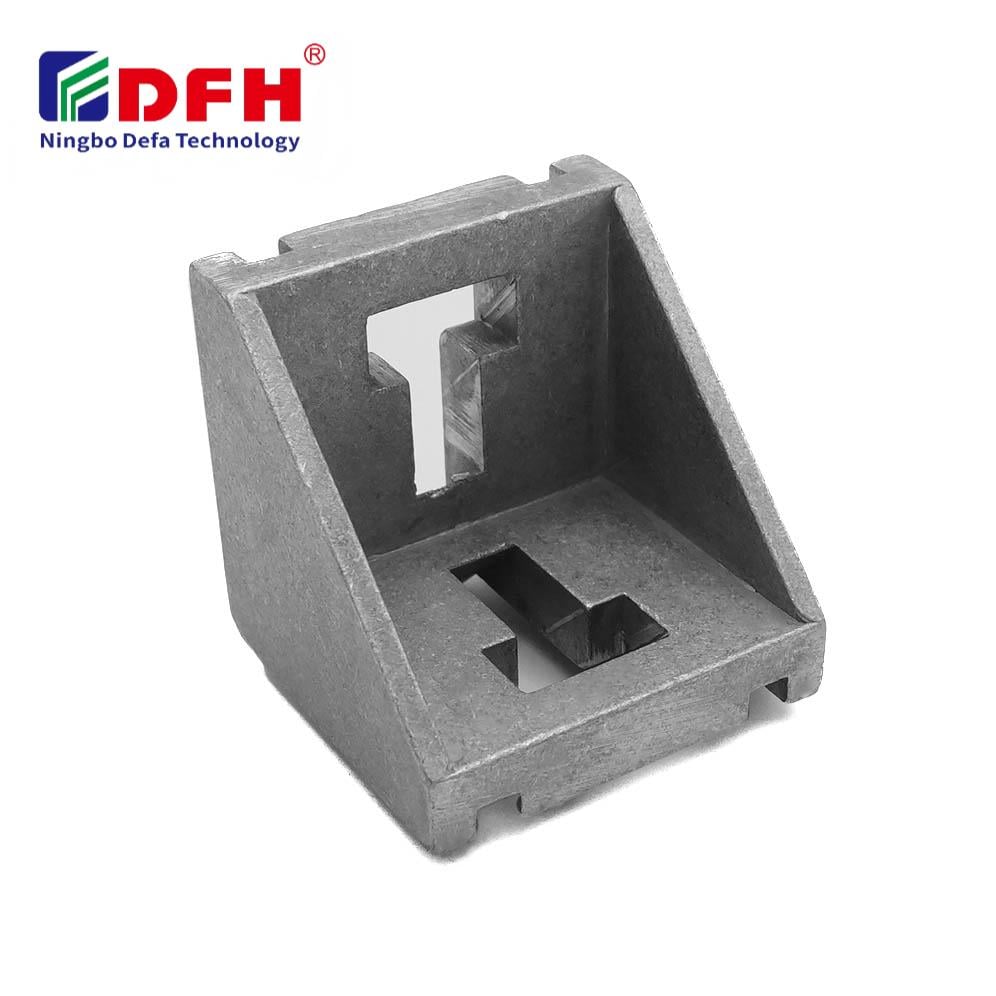
Equipment stability is a fundamental requirement in industrial, commercial, and residential environments. When machinery, furniture, or heavy apparatus sits on uneven surfaces, vibration, misalignment, and premature wear become inevitable problems. Leveling feet solve this challenge by providing precise height adjustment and secure contact with floor surfaces. Understanding how these simple yet effective components stabilize equipment helps businesses prevent costly downtime, ensure worker safety, and extend asset lifespan.
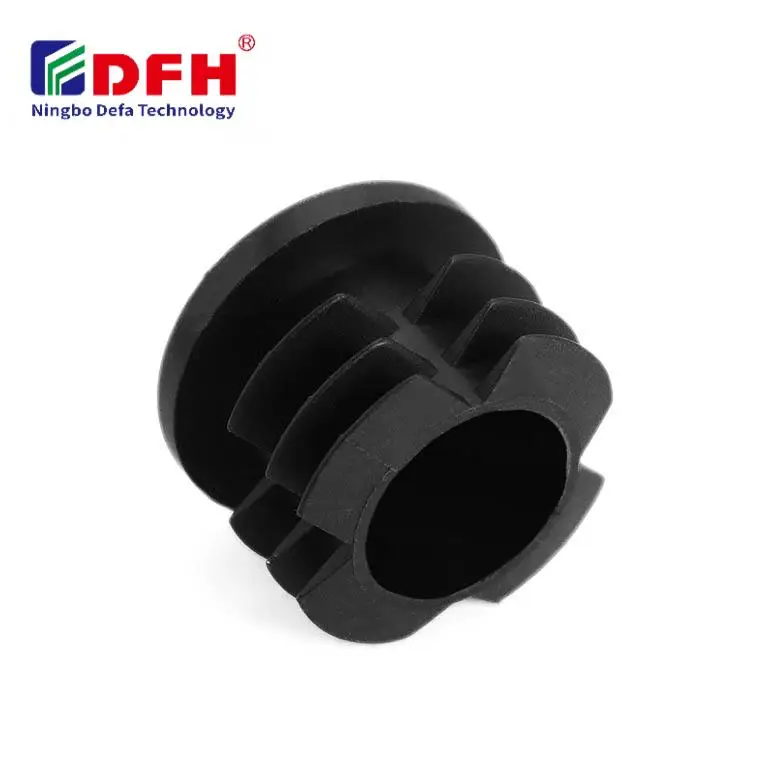
The stabilization principle behind leveling feet is straightforward yet powerful. By adjusting individual foot height independently, equipment can achieve perfect horizontal alignment on any floor condition. This mechanical precision eliminates rocking motions, reduces vibration transmission, and distributes load evenly across all contact points. Whether dealing with old concrete floors, sloped surfaces, or slight irregularities, adjustable leveling feet provide the compensatory adjustment needed for optimal performance.
When equipment rests on multiple adjustable leveling feet, load distribution becomes critical to stability. Each foot must make full contact with the floor surface simultaneously. If one foot sits higher than others, weight concentrates unevenly, creating stress points and compromising structural integrity. Furniture leveling pads and equipment stabilizer feet work together to ensure all support points contact the floor equally, distributing the equipment's total weight across the entire base. This uniform distribution dramatically reduces pressure on any single contact area.
The threaded adjustment mechanism in most leveling feet allows fine-tuning of individual foot height by mere millimeters. This precise control enables technicians to achieve exact horizontal alignment, ensuring every foot carries its proportional share of the load. When load distribution is optimized, equipment operates more quietly, experiences less vibration, and resists movement during operation or transport.
Factory floors, warehouse spaces, and older buildings frequently have surface irregularities. Concrete settling, worn tiles, or installation slopes create challenges for standard rigid feet. Adjustable leveling feet compensate automatically by allowing independent height adjustment at each corner or mounting point. A technician can easily identify the highest point on the floor, then adjust remaining feet to match that height. This floor-adaptive approach transforms unstable flooring into a perfectly level mounting surface.
Industrial equipment like CNC machines, printing presses, and precision instruments demand extremely accurate leveling. Equipment stabilizer feet designed for these applications often feature locking mechanisms to maintain calibration once set. This prevents vibration or normal facility movement from gradually shifting individual foot positions over months of operation.
Most furniture leveling pads incorporate rubber or elastomer compounds at the floor-contact surface. These materials create high friction coefficients that prevent equipment from sliding or drifting during vibration. Unlike bare metal or plastic feet, rubber-based contact surfaces grip the floor, anchoring the equipment in position. The slightly resilient nature of rubber also dampens micro-vibrations, reducing sound transmission to surrounding structures and equipment.
Advanced furniture leveling pads sometimes incorporate colored rubber formulations designed not to stain floors or leave marks. This feature combines stabilization with aesthetic protection, particularly important in clean facilities, healthcare environments, or customer-facing spaces. The friction enhancement provided by these materials is not merely theoretical; it measurably reduces the horizontal displacement force required to move equipment by hand.
The structural integrity of adjustable leveling feet depends heavily on the core material and threading mechanism. Steel construction provides durability under heavy loads and repeated adjustment cycles. Stainless steel options resist corrosion in humid or chemical-rich environments, extending equipment lifespan and maintaining precise height retention. The threads themselves must resist stripping during adjustment, requiring quality manufacturing and material selection.
Leveling feet designed for equipment stabilizer applications in vibration-intensive environments often feature anti-vibration cores that further dampen mechanical energy. These internally engineered materials absorb oscillation before it reaches the floor, protecting adjacent equipment and improving workplace conditions.
Precision machinery cannot tolerate even slight misalignment. Manufacturing tolerances of micrometers become impossible when the machine itself rocks or vibrates on unstable feet. Industrial-grade adjustable leveling feet enable technicians to achieve flatness specifications required for quality output. Injection molding machines, pharmaceutical manufacturing equipment, and optical instruments all depend on stable mounting through equipment stabilizer feet to maintain product quality standards.
When precision equipment operates on truly level, stable feet, bearing wear decreases, production scrap rates drop, and preventive maintenance intervals extend. Quantifiable improvements in product consistency and equipment reliability justify the minimal investment in quality leveling feet components.
Unstable equipment poses genuine safety risks to workers. Machinery that vibrates excessively or sits unsteadily can suddenly shift during operation, creating hazards. Furniture leveling pads and equipment stabilizer feet eliminate these risks by anchoring equipment firmly to the floor. In warehouses and commercial kitchens, stable equipment prevents accidents, reduces workers compensation claims, and improves overall facility safety culture.
Ergonomic workstations also benefit from proper leveling feet. Desks, workbenches, and manufacturing stations adjusted to perfect horizontal alignment reduce worker strain and fatigue. This seemingly simple adjustment measurably improves productivity and employee satisfaction over extended work shifts.
Adjustable leveling feet maintain equipment at perfect horizontal alignment regardless of floor surface irregularities. They distribute load evenly, reduce vibration, prevent unwanted movement, and enable precise height compensation through independent threaded adjustment. This function is critical for machinery accuracy, worker safety, and equipment longevity in manufacturing, healthcare, and commercial environments.
Furniture leveling pads incorporate rubber or elastomer contact surfaces that create high friction with the floor. This friction coefficient is significantly higher than bare metal or plastic, effectively anchoring equipment in position. The resilient material also dampens micro-vibrations, reducing movement transmission and keeping equipment stabilized throughout extended operation.
Yes, the threaded design of most leveling feet allows easy readjustment at any time. If facility modifications shift floor elevation or facility settling occurs, technicians can quickly re-level equipment without replacement. This adaptability makes adjustable leveling feet cost-effective long-term solutions that grow with changing facility conditions and operational requirements.
2026/09/30
Source aluminum profiles for versatile modular framing. Learn extrusion mechanics, strength benefits & corrosion resistance. Request details.
2026/09/30
Source aluminum profiles for construction projects. Learn structural framing, cladding & window benefits for maximum ROI. Download guide.
2026/09/30
Source optimal aluminum profile sizing techniques. Evaluate load, space, alloy, environment & cost factors to prevent deflection. Download guide.
2026/09/30
Struggling with fastener failures or rework? Master screw sizing by diameter, pitch, material, and load—plus industry-specific standards. Optimize reliability & compliance now.
2026/09/30
Source aluminum profiles for industrial engineering. Discover strength-to-weight ratios, corrosion resistance & 30% cost savings. Download guide.
2026/09/30
Source heat-resistant aluminum profile systems. Master thermal expansion science & stress management strategies for industrial builds. Download guide.