EN
EN
What is Aluminum Profile and How Does It Work?
2026/09/30
Source aluminum profiles for versatile modular framing. Learn extrusion mechanics, strength benefits & corrosion resistance. Request details.

2026/09/17
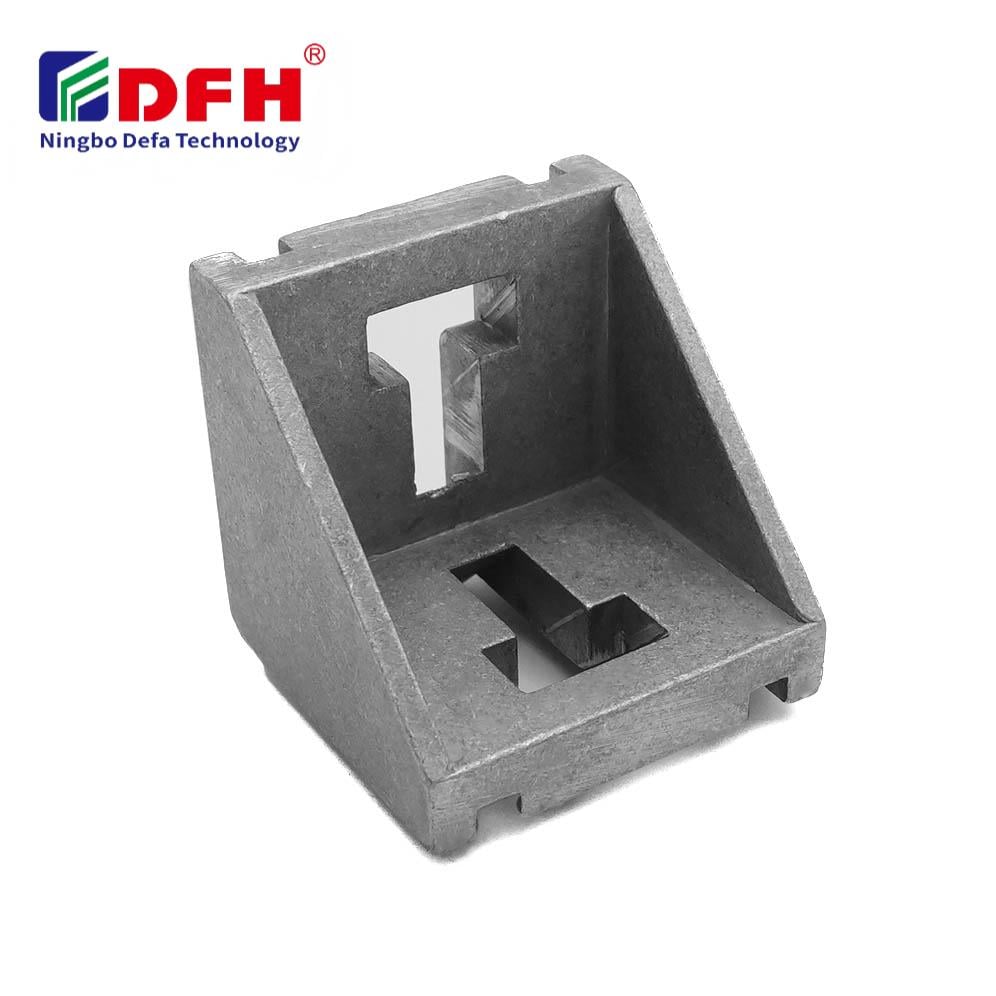
Vibration in industrial equipment, machinery, and furniture can compromise performance, reduce product lifespan, and create workplace safety hazards. One of the most effective and underutilized solutions is the strategic use of leveling feet to dampen and distribute vibrational forces. These precision components work by isolating equipment from the floor surface, absorbing shock, and maintaining structural stability across uneven or unstable environments.
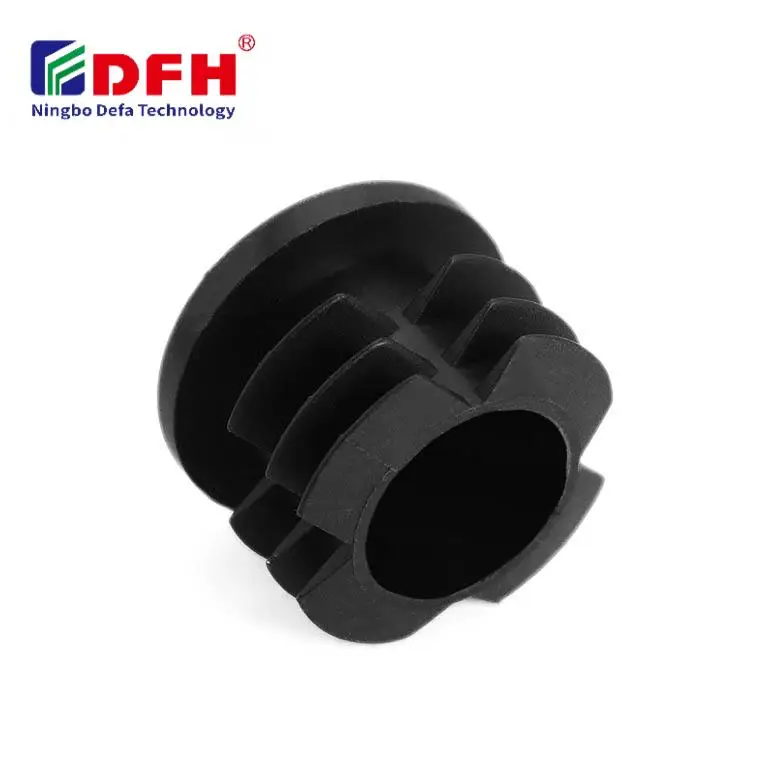
Understanding how leveling feet reduce vibration is essential for facility managers, manufacturing engineers, and equipment designers who seek to optimize operational efficiency and extend equipment life. The mechanics behind vibration dampening involve isolation principles, load distribution, and material science. When properly installed and calibrated, adjustable leveling feet transform how equipment responds to dynamic forces, creating a foundation of stability that enhances both performance and longevity.
Vibration originates from rotating machinery, reciprocating components, hydraulic pressure fluctuations, and external shocks transmitted through the floor. Without proper isolation, these vibrational forces propagate directly into the equipment frame, mounting hardware, and ultimately into the building structure itself. This direct transmission creates resonance effects that amplify movement and wear at connection points, leading to loosened fasteners, misalignment, and premature component failure.
Adjustable leveling feet interrupt this transmission pathway by introducing elastomeric or spring-based materials between the equipment base and the mounting surface. These materials absorb kinetic energy from vibrations, converting motion into negligible heat dissipation rather than allowing forces to propagate upward into the machine structure. The height adjustment capability of industrial leveling feet ensures full contact between equipment and floor, eliminating gaps that could create pivot points and rocking that amplifies vibration. This fundamental isolation principle is why furniture leveling feet similarly prevent wobbling and movement on uneven surfaces.
When equipment weight is concentrated at a few support points, localized stress creates micro-movements that cascade into vibration across the entire assembly. Leveling feet distribute load evenly across multiple contact points, reducing stress concentration and the potential for oscillation. Industrial leveling feet, engineered for heavy machinery, maintain precise load-bearing capacity while furniture leveling feet provide stable support for lighter applications. Even weight distribution ensures that dynamic forces generated during operation are dispersed rather than focused, minimizing the amplitude of vibration that propagates through adjacent structures.
Uneven surfaces force equipment into skewed positions, creating angular stress that triggers resonance frequencies matching equipment operating speeds. Adjustable leveling feet compensate for floor irregularities by allowing independent vertical adjustment at each support point, bringing equipment into perfect horizontal or level alignment. When equipment sits level, its natural frequency of oscillation shifts away from operational vibration frequencies, preventing resonance amplification. This alignment benefit extends across all leveling feet types, from precision manufacturing equipment to standard furniture installation, ensuring stable dynamic response under operating conditions.
Industrial leveling feet directly impact manufacturing precision by reducing vibration-induced positional error in CNC machines, presses, and coordinate measurement systems. Vibration causes tool runout, surface finish degradation, and dimensional inaccuracy in finished components. By dampening these motions, industrial leveling feet improve part quality, reduce scrap rates, and extend tool life. Facilities that implement proper leveling feet systems report measurable reductions in rework, improved dimensional consistency, and lower maintenance costs due to reduced bearing wear and alignment drift.
Sensitive analytical instruments, balances, and environmental chambers require extremely stable platforms to maintain measurement accuracy and data integrity. Adjustable leveling feet isolate these instruments from floor vibration caused by adjacent machinery, foot traffic, and HVAC systems. The precision leveling capability ensures instruments remain within acceptable stability parameters throughout extended testing cycles. This isolation is particularly critical in pharmaceutical testing, materials analysis, and quality assurance facilities where measurement precision directly determines product compliance and safety outcomes.
Furniture leveling feet solve practical stability problems in open office layouts, data centers, and commercial kitchens where equipment sits on varied floor surfaces. Adjustable leveling feet accommodate ceramic, concrete, and composite floor variations while preventing equipment rocking that disturbs adjacent workspaces or creates safety hazards. Restaurant equipment, server racks, and workstation modules all benefit from the vibration isolation and movement prevention that modern leveling feet provide, creating safer, more professional environments.
Most leveling feet incorporate elastomeric pads made from rubber, neoprene, or polyurethane that absorb vibrational energy through material deformation. Industrial leveling feet often feature steel or stainless steel threading with threaded studs for secure mounting, while adjustable variants include fine-pitch threads for precise height control. Premium options combine spring mechanisms with elastomeric elements to handle both static load distribution and dynamic vibration dampening across broad frequency ranges.
Properly installed leveling feet typically reduce transmitted vibration by 40 to 80 percent, depending on vibration frequency, equipment weight, and material selection. Industrial leveling feet engineered for specific machinery can achieve higher isolation efficiency when load and frequency characteristics are known. The exact reduction varies based on surface conditions, equipment alignment precision, and whether adjustable leveling feet are correctly leveled to eliminate rocking or uneven contact points.
Yes, adjustable leveling feet can be retrofitted to most equipment, provided the base structure can accommodate mounting and bearing loads do not exceed design specifications. Furniture leveling feet are commonly retrofitted to existing desks and cabinets to improve stability. Industrial leveling feet retrofit projects require assessment of current mounting geometry, weight distribution, and operational vibration profiles to ensure selected components provide adequate load capacity and vibration isolation performance.
2026/09/30
Source aluminum profiles for versatile modular framing. Learn extrusion mechanics, strength benefits & corrosion resistance. Request details.
2026/09/30
Source aluminum profiles for construction projects. Learn structural framing, cladding & window benefits for maximum ROI. Download guide.
2026/09/30
Source optimal aluminum profile sizing techniques. Evaluate load, space, alloy, environment & cost factors to prevent deflection. Download guide.
2026/09/30
Struggling with fastener failures or rework? Master screw sizing by diameter, pitch, material, and load—plus industry-specific standards. Optimize reliability & compliance now.
2026/09/30
Source aluminum profiles for industrial engineering. Discover strength-to-weight ratios, corrosion resistance & 30% cost savings. Download guide.
2026/09/30
Source heat-resistant aluminum profile systems. Master thermal expansion science & stress management strategies for industrial builds. Download guide.