EN
EN
What is Aluminum Profile and How Does It Work?
2026/09/30
Source aluminum profiles for versatile modular framing. Learn extrusion mechanics, strength benefits & corrosion resistance. Request details.
2026/09/03
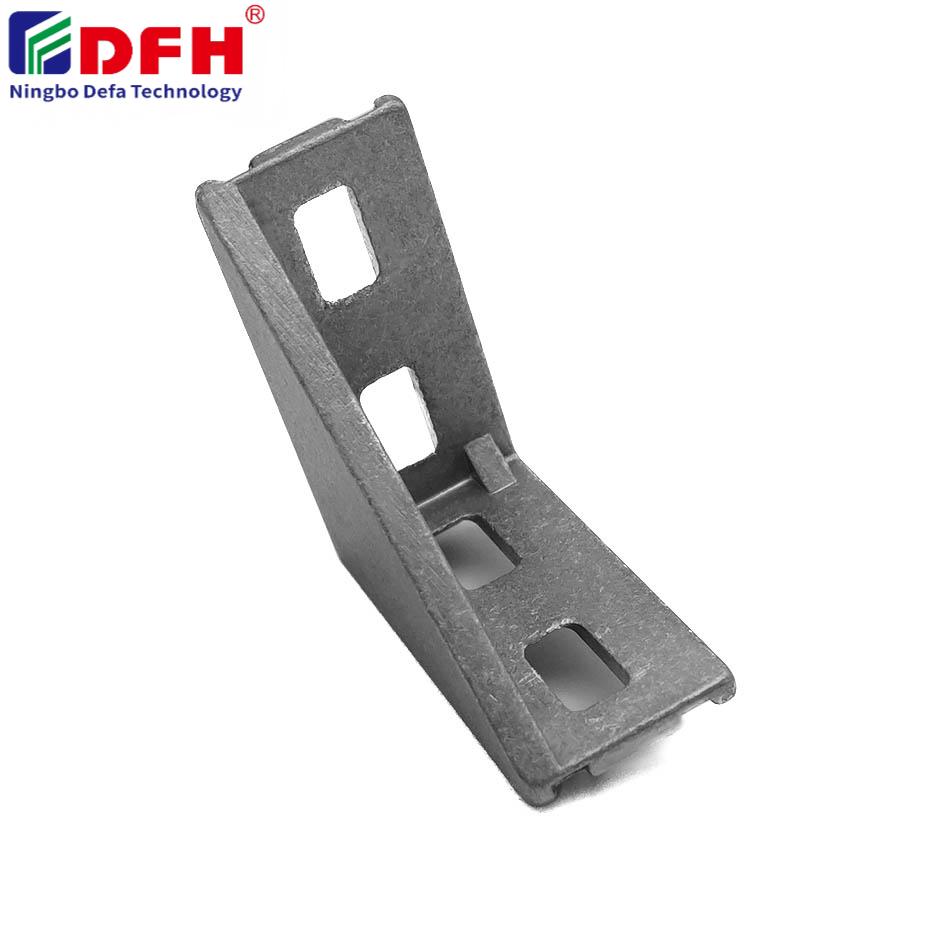
Structural performance depends on the quality and precision of every connection point within an assembly. Inner Connectors play a critical role in determining how well modular systems resist stress, vibration, and dynamic loads. In industrial manufacturing, aerospace, and mechanical engineering applications, the strength of internal connection hardware directly influences the reliability and lifespan of the entire structure.
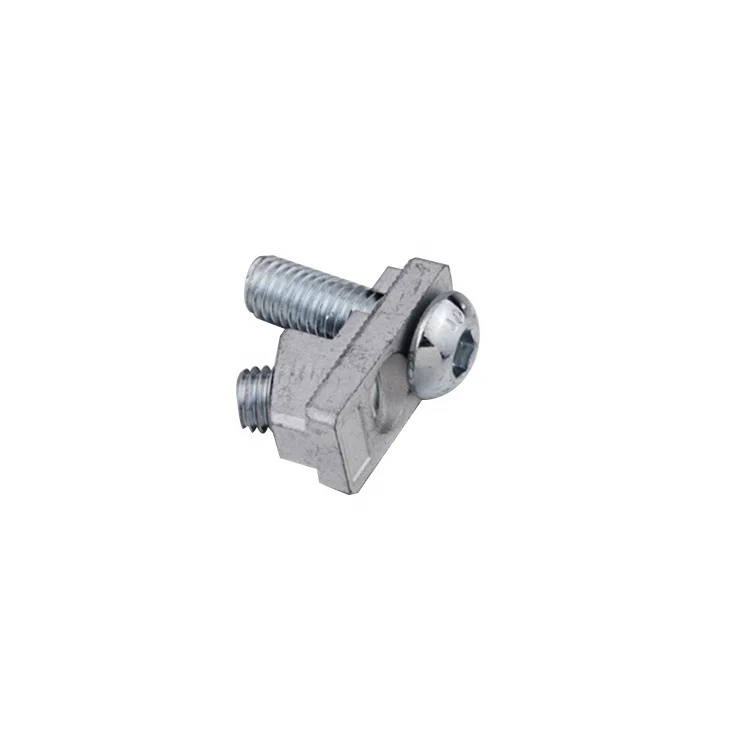
Modern design demands that profile joint systems work seamlessly with other modular assembly components to create rigid, durable structures that perform consistently under demanding conditions. Understanding how these connectors function and why they matter helps engineers select the right solutions for specific applications. The relationship between connector design, material composition, and installation methodology determines how effectively structures handle real-world forces.
Profile joint systems function as the mechanical bridges that transfer loads from one structural element to another. Inner Connectors achieve this through precision-engineered geometry that creates multiple contact points within the joint interface. When properly designed, internal connection hardware ensures that forces distribute evenly rather than concentrating at weak spots. This load distribution principle prevents premature failure and allows structures to operate closer to their maximum capacity without risk of catastrophic breakdown.
The effectiveness of modular assembly components depends on their ability to work as a unified system rather than isolated elements. When inner connectors are engineered with tight tolerances and optimal surface finishing, they maintain consistent contact pressure throughout the connection zone. This consistency reduces micro-movements that accelerate wear and fatigue. Engineers designing high-performance structures recognize that the quality of profile joint systems directly correlates with overall structural reliability and long-term durability under cyclic loading.
Stress concentrations occur whenever geometry changes sharply or when material properties transition suddenly. Well-designed inner connectors minimize these stress peaks through gradual geometry transitions and optimized fillet radii. Internal connection hardware that incorporates these principles can reduce peak stress by up to forty percent compared to simpler designs. This improvement in stress distribution means that modular assembly components can safely handle higher loads or maintain existing load capacity with better safety margins.
Modular assembly components must tolerate both static and dynamic loading scenarios. Inner connectors achieve superior performance by incorporating stress-relief geometries that guide loads smoothly through the joint. Profile joint systems designed with this principle in mind demonstrate superior fatigue resistance, which is essential for applications involving repeated stress cycles such as robotics, vibration equipment, or transportation systems.
The material composition of inner connectors fundamentally determines their load-bearing capacity and durability. Powder metallurgy techniques produce internal connection hardware with consistent microstructure and fewer defects compared to traditional casting methods. This manufacturing approach creates denser material with superior mechanical properties, allowing modular assembly components to achieve higher strength-to-weight ratios. Engineers working with profile joint systems manufactured through powder metallurgy techniques report improved performance and longer service intervals.
High-quality steel inner connectors produced via powder metallurgy exhibit tensile strength and yield strength values that exceed conventional stamped or cast alternatives. This material advantage translates directly into enhanced structural performance across the entire assembly. When combined with proper hardening and tempering processes, these connectors resist wear, deformation, and fatigue-induced crack initiation far more effectively than lower-grade alternatives.
Surface treatments applied to inner connectors and internal connection hardware determine how well they resist corrosion, wear, and environmental degradation. Zinc plating, nickel-cobalt coating, and specialized finish systems protect profile joint systems from moisture, salt exposure, and thermal cycling. In industrial environments where modular assembly components face harsh operating conditions, superior surface treatment becomes as important as the underlying material. A well-protected inner connector maintains structural integrity across decades of operation, whereas inadequately treated alternatives may degrade within months.
The interaction between surface finish and fastening torque also influences long-term connection stability. Smoother, more uniform surfaces reduce friction variability, which means connection preload remains more consistent throughout the service life. This consistency in clamping force is critical for maintaining the performance benefits that inner connectors and profile joint systems are designed to provide.
Successful modular assembly systems depend on inner connectors that integrate seamlessly with multiple other components. Profile joint systems must accommodate standard dimensional interfaces while providing superior clamping consistency and load distribution. Internal connection hardware designed with these system-level requirements in mind enables engineers to mix and match modular assembly components from different design iterations without sacrificing structural performance. This flexibility accelerates product development and reduces overall system complexity.
Dimensional standardization of inner connectors allows rapid assembly and reliable performance across diverse applications. When profile joint systems follow established dimensional standards and clamping specifications, manufacturers can ensure consistent quality regardless of where components are sourced. This standardization approach benefits modular assembly components by enabling quality control at multiple stages of production and assembly.
Even the highest-quality inner connectors deliver disappointing results if installation procedures are improper or inconsistent. Internal connection hardware requires careful fastening torque control, proper alignment, and verification procedures to achieve designed performance levels. Profile joint systems must be installed according to detailed specifications that account for material properties, clamp geometry, and intended load direction. Engineers implementing modular assembly components should develop comprehensive installation guides and operator training programs to ensure that every connection performs reliably.
Verification and testing of inner connectors after installation provides confidence that structures will perform as designed. Pull tests, torque audits, and dimensional verification confirm that internal connection hardware and profile joint systems have been installed correctly. This proactive quality approach prevents in-service failures and extends the reliable service life of modular assembly components significantly.
Precision inner connectors and internal connection hardware distribute loads across larger contact areas with more consistent pressure compared to simple bolted joints. Profile joint systems engineered for optimal stress distribution reduce peak stresses by significant margins. This superior load distribution means modular assembly components can safely handle higher forces, experience less vibration-induced loosening, and maintain structural integrity under demanding cyclic loading conditions where standard fasteners often fail prematurely.
Surface treatments protect internal connection hardware from corrosion and wear while maintaining consistent surface properties that support stable clamping forces. In harsh industrial environments, high-quality coatings allow profile joint systems and modular assembly components to maintain their designed performance characteristics throughout decades of service. Without adequate surface treatment, inner connectors degrade through corrosion and oxidation, leading to reduced clamping force, increased fretting, and eventual connection failure.
Interchangeability depends on strict adherence to dimensional standards and performance specifications by all manufacturers of internal connection hardware. When profile joint systems follow established industry standards, inner connectors from different sources can function reliably within modular assembly components. However, subtle variations in surface finish, hardness, or geometry between manufacturers may compromise performance. Engineers should verify that replacement inner connectors meet all original specifications before substituting components in critical applications.
2026/09/30
Source aluminum profiles for versatile modular framing. Learn extrusion mechanics, strength benefits & corrosion resistance. Request details.
2026/09/30
Source aluminum profiles for construction projects. Learn structural framing, cladding & window benefits for maximum ROI. Download guide.
2026/09/30
Source optimal aluminum profile sizing techniques. Evaluate load, space, alloy, environment & cost factors to prevent deflection. Download guide.
2026/09/30
Struggling with fastener failures or rework? Master screw sizing by diameter, pitch, material, and load—plus industry-specific standards. Optimize reliability & compliance now.
2026/09/30
Source aluminum profiles for industrial engineering. Discover strength-to-weight ratios, corrosion resistance & 30% cost savings. Download guide.
2026/09/30
Source heat-resistant aluminum profile systems. Master thermal expansion science & stress management strategies for industrial builds. Download guide.