EN
EN
What is Aluminum Profile and How Does It Work?
2026/09/30
Source aluminum profiles for versatile modular framing. Learn extrusion mechanics, strength benefits & corrosion resistance. Request details.

2026/09/04
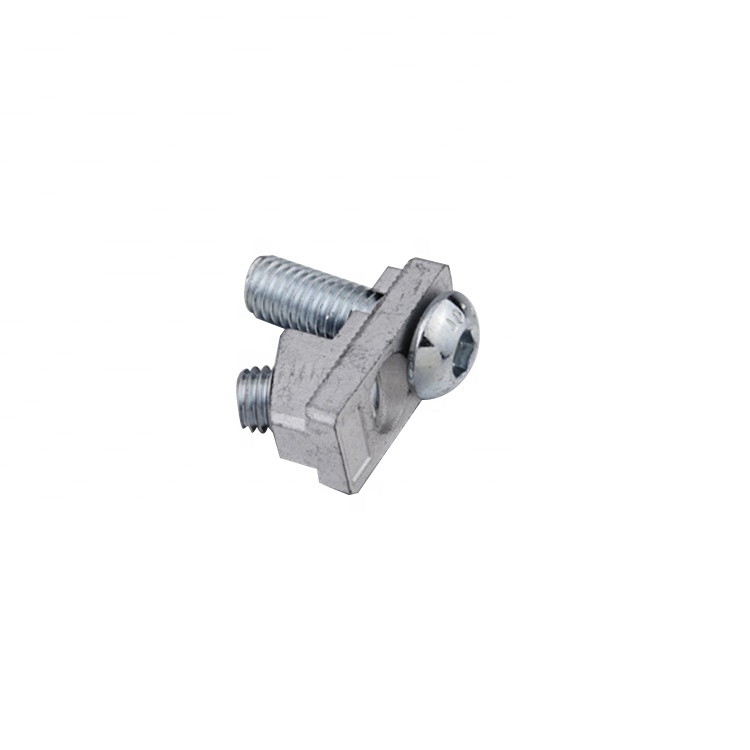
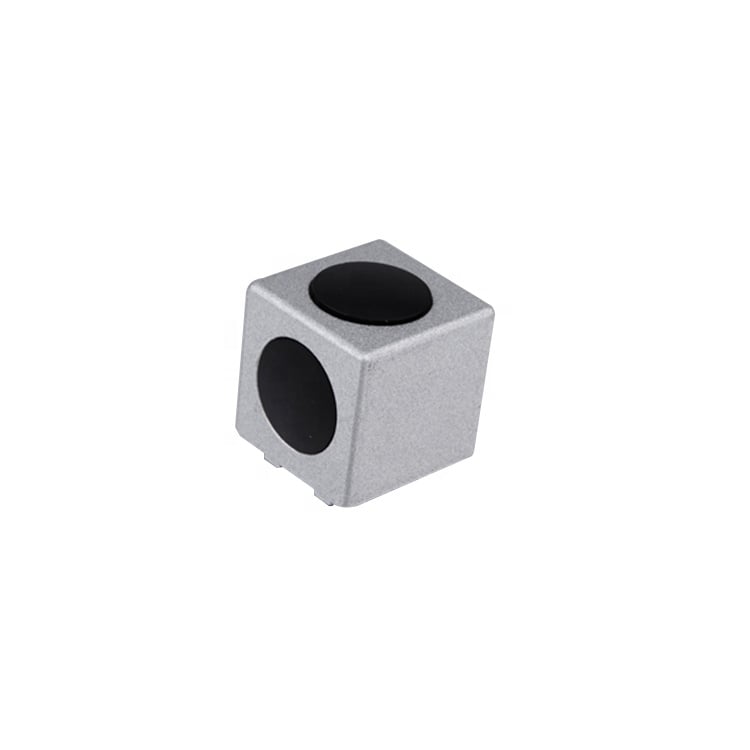
Frame durability depends on strong joint connections that distribute stress evenly across structural elements. Inner connectors serve as the critical mechanical interface between frame segments, directly influencing how well a structure withstands operational loads, thermal fluctuations, and assembly variations. By optimizing the connection point itself, inner connectors reduce failure modes at joints and extend the service life of modular aluminum profiles used in industrial machinery, workstations, and automation systems.
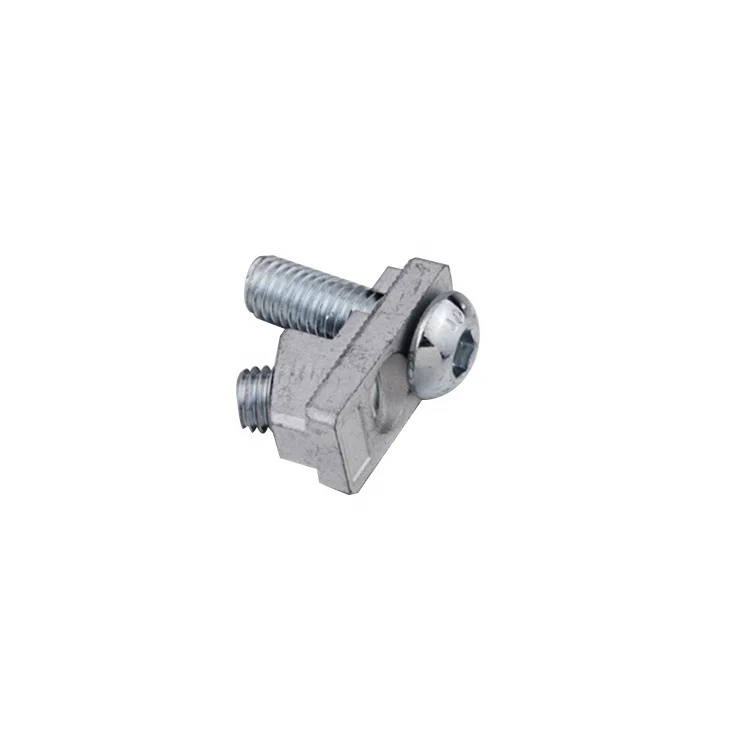
The engineering principle behind effective internal connection hardware is straightforward: load transfer quality determines joint reliability. When profile joint systems are poorly designed, stress concentrates at weak points, leading to gradual wear, misalignment, and eventual structural failure. Properly engineered inner connectors distribute mechanical loads uniformly, eliminate micro-movements that accelerate wear, and maintain dimensional stability over extended product lifecycles.
Inner connectors create extended contact zones within frame profiles, allowing loads to spread across larger surface areas rather than concentrating at a single point. This fundamental design principle reduces localized stress peaks that would otherwise cause deformation, cracking, or fatigue failure. Internal connection hardware with precision-engineered contact surfaces ensures that compressive, tensile, and shear forces distribute proportionally through the joint region.
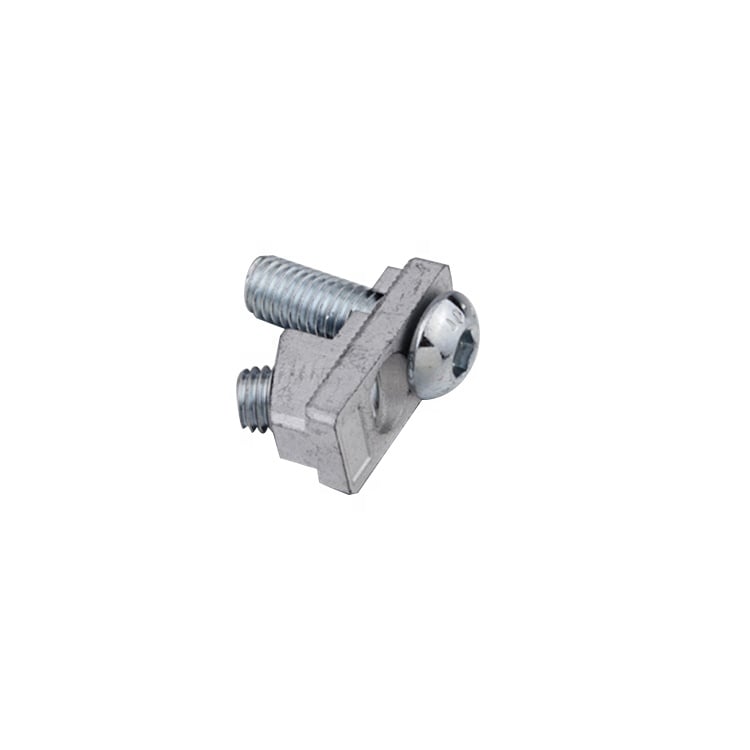
When assemblers use modular assembly components without adequate internal bearing surfaces, connector stress becomes the limiting factor in system capacity. The cross-sectional geometry of the connector body, material composition, and surface finish all influence how effectively stress transfers through the joint. High-performance inner connectors employ features like hemispherical bearing surfaces, multi-point contact zones, or threaded engagement areas that mathematically optimize load pathways.
Mechanical systems experience subtle movements at joints due to thermal cycling, vibration, and normal operational stresses. These micro-movements accumulate over time, degrading connection integrity and accelerating wear on profile joint systems. Inner connectors with precision tolerances and controlled interference fits prevent these incremental shifts, maintaining assembly geometry and reducing connection degradation.
The material properties of internal connection hardware directly affect creep resistance under sustained loads. Powder-metallurgy steel inner connectors offer superior dimensional stability compared to lower-grade alternatives, resisting the gradual relaxation of fastener preload that allows connector movement. This stability is particularly critical in industrial equipment where vibration or thermal shock cycles occur regularly.
Aluminum profiles demand internal connectors capable of supporting design loads without creating disproportionate weight penalties. Modular assembly components must balance structural rigidity with material efficiency, since heavier connectors reduce the overall system advantage of using aluminum frames. High-strength alloys or surface-hardened steel inner connectors achieve required performance levels while maintaining compact cross-sections that fit cleanly within profile cavities.
The choice between stainless steel, carbon steel, and specialty alloys for profile joint systems depends on environmental exposure and load requirements. Corrosive environments demand stainless-grade internal connection hardware to prevent rust migration that weakens joint interfaces. Industrial systems in neutral environments benefit from cost-effective carbon steel inner connectors with appropriate surface treatments like zinc plating or powder coating.
Surface conditions of inner connectors directly affect both corrosion resistance and friction characteristics within frame profiles. Oxide films, plating thickness, and coating uniformity influence how the connector interfaces with aluminum cavity surfaces, affecting both load transfer efficiency and long-term durability. Inner Connectors manufactured with precision surface finishes ensure consistent performance across assembly batches, reducing variability in frame durability outcomes.
Powder-metallurgy manufacturing processes create inner connectors with superior dimensional accuracy and surface quality compared to casting or stamping methods. The controlled porosity and microstructure of powder-metal components contribute to enhanced strength-to-weight ratios and uniform corrosion resistance. This manufacturing approach becomes particularly valuable in demanding applications where modular assembly components must meet strict durability specifications without continuous field maintenance.
Effective modular assembly requires internal connection hardware that maintains consistent performance across diverse frame configurations. Standardized inner connector geometries, thread pitches, and material specifications enable designers to build complex structures without custom engineering for each joint. This standardization also simplifies replacement procedures, allowing field technicians to restore frame durability by swapping worn connectors without redesigning the entire assembly.
Profile joint systems that accommodate multiple connector sizes and styles provide flexibility without sacrificing reliability. Design modularity enables companies to adapt frame structures to changing production requirements while maintaining proven durability performance. Inner connectors manufactured to tight dimensional tolerances ensure drop-in compatibility across production runs and retrofit applications.
Assembly procedures directly impact how effectively inner connectors maintain frame durability. Proper fastener torque, correct connector orientation, and appropriate preload levels all influence long-term performance of profile joint systems. Training assembly technicians to recognize proper connector seating and tightness specifications reduces failures caused by inadequate connection integrity rather than connector material defects.
Preventive maintenance protocols for modular assembly components should include periodic connector inspection, preload verification, and wear assessment at critical stress points. Inner connectors that show fretting corrosion, surface damage, or dimensional drift require replacement to restore frame durability before connection failure compromises equipment safety or function. Documenting connector performance across similar frame configurations provides valuable data for optimizing internal connection hardware specifications in future designs.
Joint failures often result from inadequate inner connectors or improper assembly rather than material weakness in the frame profiles themselves. If profile joint systems lack precision engineering or assembly procedures neglect proper preload specifications, the weakest point in the structure becomes the connection zone. Upgrading to higher-performance internal connection hardware frequently resolves chronic joint failures in established frame designs.
Modular assembly components like inner connectors are intentionally designed for field replacement in many applications. Access design and connector orientation determine whether replacement requires partial disassembly or complete reconstruction. Well-engineered frame systems allow technicians to remove fasteners and extract worn connectors from profile cavities, install replacement internal connection hardware, and restore structural integrity without equipment downtime.
Temperature extremes, moisture, corrosive chemicals, and UV exposure all degrade inner connectors through oxide formation, material embrittlement, or coating failure. Profile joint systems in harsh environments require stainless or specialty-alloy internal connection hardware with protective surface treatments. Regular inspection schedules become critical in demanding applications to detect connector degradation before frame durability deteriorates.
2026/09/30
Source aluminum profiles for versatile modular framing. Learn extrusion mechanics, strength benefits & corrosion resistance. Request details.
2026/09/30
Source aluminum profiles for construction projects. Learn structural framing, cladding & window benefits for maximum ROI. Download guide.
2026/09/30
Source optimal aluminum profile sizing techniques. Evaluate load, space, alloy, environment & cost factors to prevent deflection. Download guide.
2026/09/30
Struggling with fastener failures or rework? Master screw sizing by diameter, pitch, material, and load—plus industry-specific standards. Optimize reliability & compliance now.
2026/09/30
Source aluminum profiles for industrial engineering. Discover strength-to-weight ratios, corrosion resistance & 30% cost savings. Download guide.
2026/09/30
Source heat-resistant aluminum profile systems. Master thermal expansion science & stress management strategies for industrial builds. Download guide.