EN
EN
What is Aluminum Profile and How Does It Work?
2026/09/30
Source aluminum profiles for versatile modular framing. Learn extrusion mechanics, strength benefits & corrosion resistance. Request details.
2026/09/08
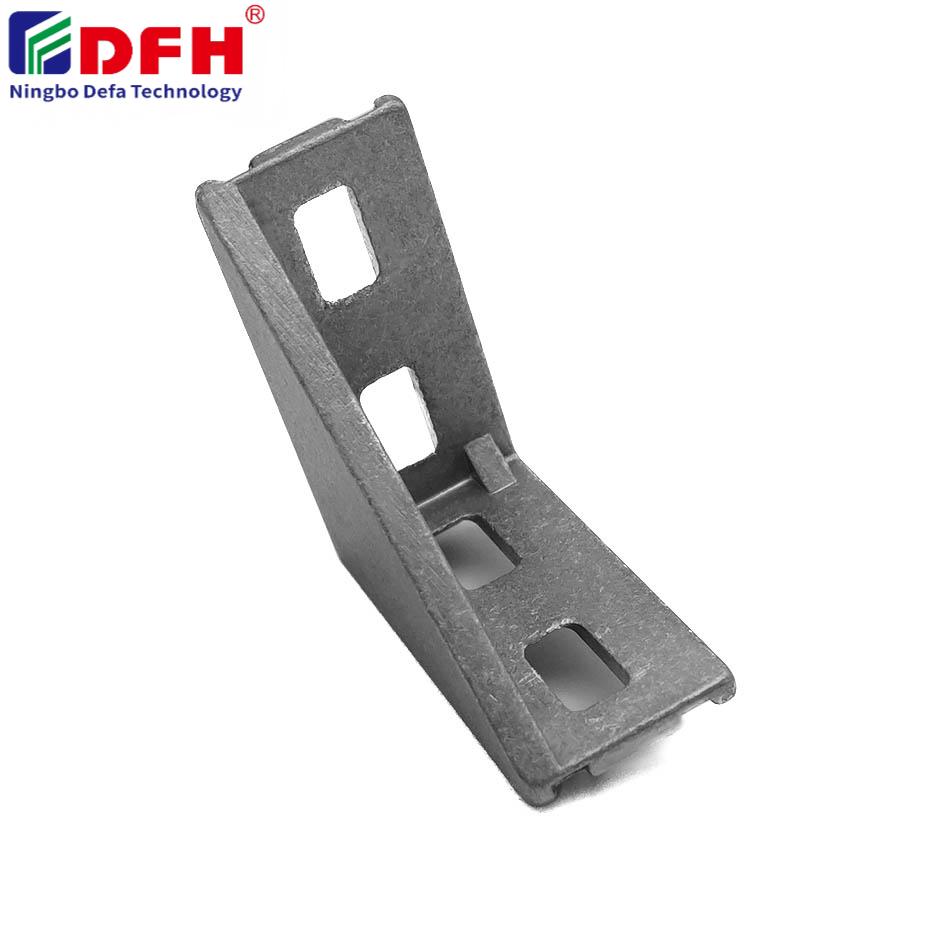
When designing modular aluminum profile structures, engineers and manufacturers face a critical choice between traditional welding and modern internal connection hardware solutions. Inner connectors represent a fundamentally different approach to joining aluminum components, offering advantages and trade-offs that differ significantly from welding methods. Understanding how these two technologies compare helps you select the right assembly strategy for your specific application, whether you need permanent strength, design flexibility, or rapid production cycles.
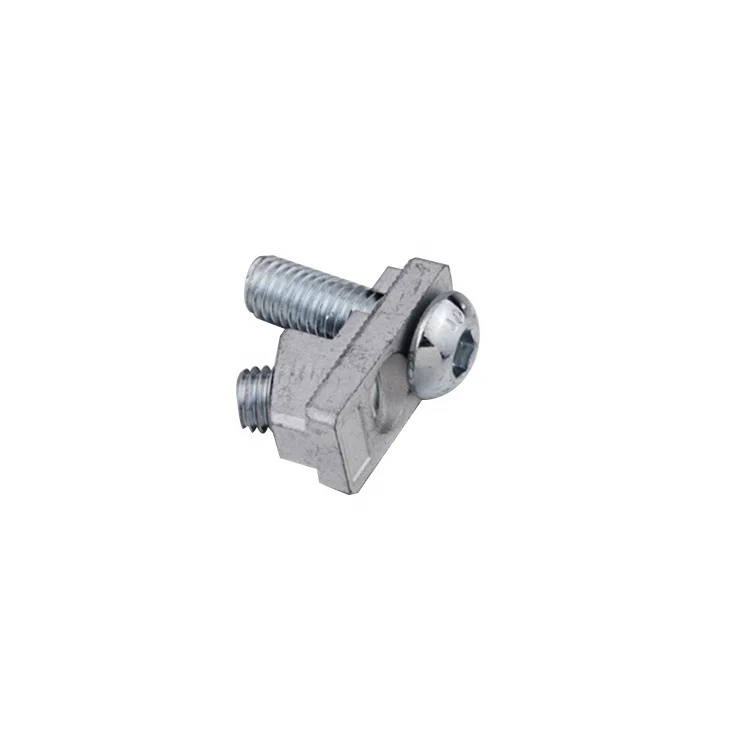
The distinction between these methods extends beyond just connection technique. Inner connectors integrate into the aluminum profile itself, using internal slots and precision-engineered hardware to create rigid joints without heat input. Welding, by contrast, melts base material and filler metal to form a continuous joint. Each approach carries different implications for strength, aesthetics, manufacturing speed, design iteration, and total cost of ownership in industrial applications.
Inner Connectors achieve joint strength through precise mechanical interference and clamping force rather than material fusion. Profile joint systems distribute loads across multiple contact surfaces within the aluminum extrusion, creating redundant load paths. This mechanical engagement can deliver consistent, predictable strength without material property changes caused by heat. When properly designed, modular assembly components can match or exceed welded joint performance in tension and shear applications, particularly for medium-load industrial structures.
Welded joints create a permanent, continuous connection by fusing aluminum base material with filler metal. The heat-affected zone around the weld can reduce material hardness in certain alloys, potentially lowering local strength. However, welding provides excellent performance in bending, compression, and complex multi-directional loads because the joint becomes part of the continuous material matrix. Welded aluminum assemblies show superior fatigue resistance when properly executed, making welding ideal for applications involving cyclic stress or high vibration environments.
Internal connection hardware enables rapid assembly without skilled labor or specialized equipment. Workers can insert internal connectors into profile slots and tighten fasteners in seconds, allowing quick configuration changes and modular recombination. This speed advantage translates directly to lower labor costs and shorter production timelines, especially for custom or semi-custom structures. Profile joint systems support true modular design, where components can be assembled, disassembled, and reconfigured without damage. Welding requires flame preparation, torch positioning, cooling time, and post-weld inspection, demanding experienced operators and adding significant production duration.
Modular assembly components allow engineers to modify designs after production begins. Changing connection points, adding reinforcement, or altering structure geometry requires only changing fasteners and connectors, not starting fabrication over. This flexibility reduces engineering risk and supports agile product development. Welded structures become permanent once completed; design changes typically require cutting, rewelding, or scrapping affected sections. For industries where customer specifications shift or prototyping demands iteration, internal connection hardware provides measurable cost and timeline advantages over traditional welding approaches.
Welding requires skilled trades labor, consumables such as filler rods or wire, power equipment, and quality control testing. Profile joint systems reduce labor skill requirements and eliminate specialized equipment investment but require purchasing precision-engineered connectors. For high-volume production where labor is minimal cost factor, welding may be economical. For low-to-medium production runs, custom installations, or maintenance-intensive applications, internal connection hardware often delivers lower total cost by reducing rework, modification, and labor overhead. Aluminum scrap from machining or welding spatter also represents wasted material; modular approaches minimize such losses.
Welded joints are invisible once ground smooth, creating clean aesthetic profiles valuable for consumer-facing products and architectural applications. Internal connection hardware leaves no visible seams but requires careful attention to fastener appearance and connection geometry. Neither approach inherently produces waste, though welding may generate fumes and require environmental controls. Modular assembly components support reusability and recycling since connections can be disassembled; welded structures often become scrap once their service life ends. For sustainable manufacturing and circular economy models, profile joint systems offer distinct advantages over permanent welding approaches.
Yes, well-designed internal connection hardware can match welded joint performance in static load and tension applications when properly engineered. Profile joint systems distribute forces through multiple contact surfaces, creating redundant load paths. However, for cyclic loading, extreme fatigue conditions, or applications requiring proven fatigue life data, welded joints often remain the safer engineering choice because fusion creates a continuous material path. The best approach depends on load type, magnitude, environmental conditions, and required safety factor. Consulting with structural engineers and testing specific joint designs ensures appropriate selection.
Industries requiring frequent design changes, rapid prototyping, or customer customization benefit significantly from internal connection hardware and profile joint systems. Robotics, factory automation, material handling equipment, and custom conveyor systems frequently use modular approaches for quick reconfiguration. Industries with high-volume standard products but variable specifications—such as test equipment, temporary structures, or specialized machinery—leverage modular assembly advantages. Conversely, consumer products, aerospace structures, and marine applications where permanent strength and compact size are paramount typically favor welding despite higher initial manufacturing complexity.
Welded structures require cutting, rewelding, and post-weld inspection to make modifications or repairs, increasing downtime and labor costs significantly. Internal connection hardware allows technicians to loosen fasteners, remove components, make repairs or replacements, and reassemble without specialized equipment or skilled trades. This modularity dramatically reduces maintenance time and cost for structures that experience wear, component failures, or design updates during service life. For applications where machines operate continuously and downtime is expensive, profile joint systems and modular assembly components often justify higher initial material costs through reduced operating expenses.
2026/09/30
Source aluminum profiles for versatile modular framing. Learn extrusion mechanics, strength benefits & corrosion resistance. Request details.
2026/09/30
Source aluminum profiles for construction projects. Learn structural framing, cladding & window benefits for maximum ROI. Download guide.
2026/09/30
Source optimal aluminum profile sizing techniques. Evaluate load, space, alloy, environment & cost factors to prevent deflection. Download guide.
2026/09/30
Struggling with fastener failures or rework? Master screw sizing by diameter, pitch, material, and load—plus industry-specific standards. Optimize reliability & compliance now.
2026/09/30
Source aluminum profiles for industrial engineering. Discover strength-to-weight ratios, corrosion resistance & 30% cost savings. Download guide.
2026/09/30
Source heat-resistant aluminum profile systems. Master thermal expansion science & stress management strategies for industrial builds. Download guide.