EN
EN
What is Aluminum Profile and How Does It Work?
2026/09/30
Source aluminum profiles for versatile modular framing. Learn extrusion mechanics, strength benefits & corrosion resistance. Request details.

2026/09/07
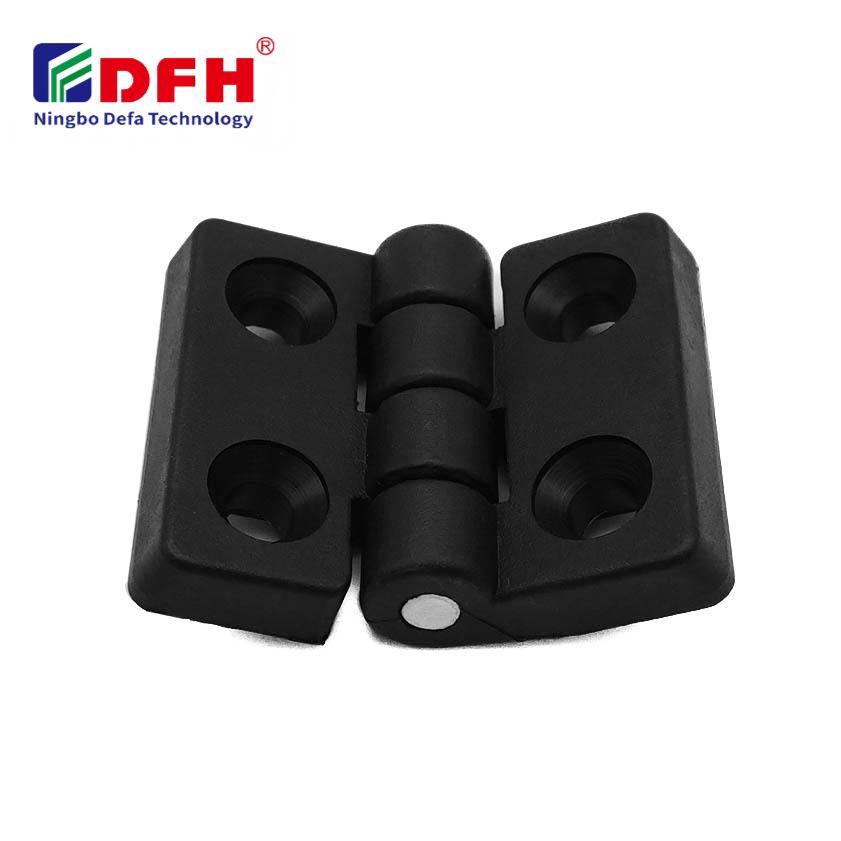
Hinges are fundamental mechanical components that enable controlled motion while managing the severe mechanical stresses of continuous vibration and structural movement. In demanding industrial, architectural, and commercial equipment applications, selecting hardware with exceptional hinge vibration resistance is crucial for preserving system stability and absorbing unwanted physical shock. High-performance components must continuously balance physical flexibility with structural rigidity, preventing micro-movements that lead to premature mechanical fatigue and frame failure. Long-term cabinet hinge durability relies on advanced surface coatings, heavy-duty material selections, and precise bearing engineering. Applying modern pivot hinge engineering principles allows facilities to manage heavy dynamic loads while maintaining smooth, silent rotational movement. Understanding advanced door hinge fatigue prevention techniques ensures that heavy access doors, machinery guards, and enclosure panels operate safely without loosening. Evaluating comprehensive industrial hinge performance enables engineers and facility managers to select optimal hardware for challenging operational environments.
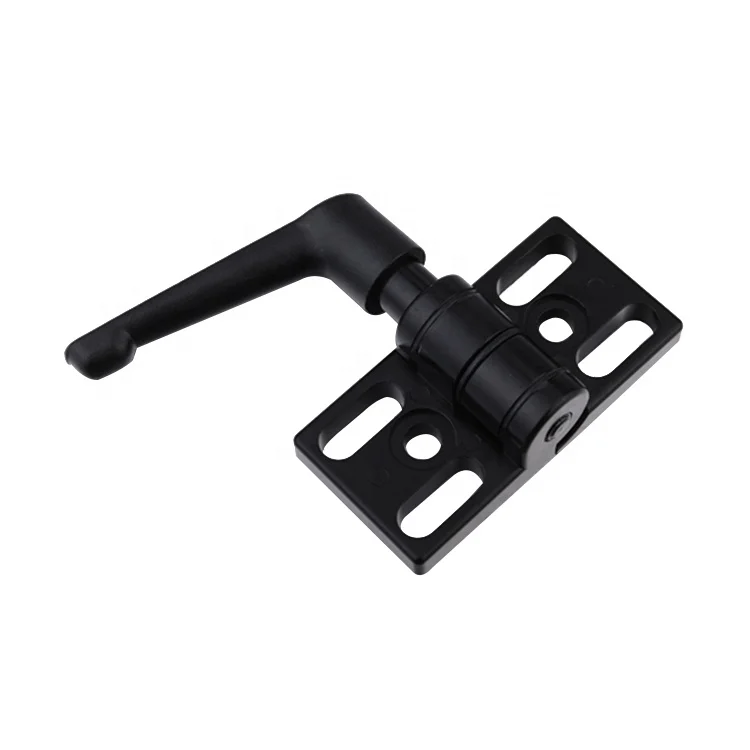
Vibration and continuous movement present ongoing mechanical challenges in environments where access panels and structural doors open thousands of times annually. Integrating superior components safeguards internal connecting pins and mounting surfaces against persistent physical wear. High-use commercial enclosures require robust hardware to resist frame sagging, hinge binding, and internal pin erosion over years of continuous operation. Modern load distribution methods allow heavy panels to swing effortlessly without transferring harmful vibrations into surrounding support walls. Implementing proactive maintenance strategies minimizes metal crystallization, stops fastener backing-out, and maintains precise physical alignment. Ultimately, assessing access hardware under severe operational testing helps companies reduce unexpected equipment downtime and lower overall lifecycle replacement costs.
The foundational material composition of access hardware directly determines its capacity to absorb and dissipate harmonic energy. High-grade stainless steel, reinforced zinc alloy, and extruded aluminum provide distinct mechanical advantages when optimizing hinge vibration resistance under high dynamic stress. Steel hardware provides impressive material density and internal damping characteristics, preventing structural resonance from expanding across connected enclosure frames. Manufacturers seeking exceptional cabinet hinge durability strategically select specific steel grades based on daily operating cycles, ambient humidity levels, and total load metrics. Incorporating state-of-the-art pivot hinge engineering allows technical designers to integrate hardened steel bushings, precision needle bearings, and reinforced load plates into heavy-duty assemblies. These structural features advance door hinge fatigue prevention by distributing radial shear forces over broader contact points. Superior manufacturing standards consistently drive overall industrial hinge performance across demanding production environments.
Electroplated zinc layers and specialized powder coatings do far more than shield raw metal surfaces against active atmospheric corrosion. These specialized finishes actively enhance mechanical stability by establishing uniform bearing surfaces that reduce microscopic metal sliding. During continuous opening and closing cycles, smooth surface coatings help maintain constant friction thresholds, preventing the erratic rocking motions that accelerate mechanical wear. Protecting internal pin joints directly protects mounting components, ensuring that commercial storage units maintain their original closure alignment over time. Innovative assembly methods utilize self-lubricating synthetic bushings beneath protective surface coatings to eliminate harsh metal-on-metal friction.
The internal pin and bushing configuration forms the functional core of physical motion control and internal stress dissipation. Precision-machined stainless steel pins manufactured with tight tolerance gaps deliver exceptional hinge vibration resistance by stopping lateral movement within the joint knuckle. Eliminating internal joint play prevents hardware from developing loose rattles, thereby protecting structural components under continuous use. Advanced pivot hinge engineering incorporates sealed roller bearings and hardened thrust washers to handle severe axial loads seamlessly. Managing multi-directional mechanical forces is critical for effective door hinge fatigue prevention, preventing frame deformation when doors swing closed under high velocity. Investing in high-precision bearing components ensures reliable, long-term industrial hinge performance across industrial production lines.
Proper pin-to-bushing interference fits determine how effectively an assembly dampens external vibrational energy during routine physical operation. Loose-fitting internal pins cause excessive joint play, allowing access panels to shift out of alignment and transfer vibrations directly into surrounding mounting frames. Conversely, overly tight pin fits create extreme friction, leading to premature binding and joint seizing that undermines maximum operational smoothness. Designing precision-engineered leaf clearances protects internal mechanisms in heavy-use commercial cabinetry.
Industrial hardware utilizes multi-point mounting plates and wide structural leaves to spread dynamic loads evenly across supporting frames. Spreading physical forces prevents concentrated stress points, directly increasing operational hinge vibration resistance under extreme machinery oscillation. Distributing mounting forces across multiple fasteners improves total cabinet hinge durability, stopping mounting screws from pulling out of cabinet frames. Utilizing modern structural calculation methods allows designers to determine exact weight capacities for heavy industrial barriers. Proper load balancing accelerates physical stress reduction, minimizing localized bending stress around leaf knuckles. Implementing multi-point mounting designs is a proven strategy for optimizing hardware reliability on heavy equipment doors.
Heavy-duty door hardware incorporates reinforced leaves, internal gussets, and thickened metal sections near key stress points. These structural reinforcements act as physical energy sinks, absorbing vibrational energy before it causes micro-cracking along mounting edges. Reinforcing vulnerable leaf areas improves foundational hardware strength, keeping components aligned under severe physical stress.
Hinges develop looseness when repeated physical vibrations wear away the internal interface between the central pin and bushing. As this tolerance gap grows, the assembly loses its original hinge vibration resistance, allowing unwanted lateral play. This increased motion accelerates joint wear and lowers overall cabinet hinge durability. Applying advanced pivot hinge engineering principles helps prevent joint play, while regular inspections support door hinge fatigue prevention and maintain optimal industrial hinge performance.
Heavy-duty pivot hardware incorporates sealed needle bearings, thick steel mounting plates, and higher load ratings designed for continuous dynamic shock. These structural features provide superior physical stability compared to lightweight residential components. While standard components prioritize low cost, professional structural design focuses on maximizing load capacity and component lifespan.
High-density materials like stainless steel and reinforced zinc alloys absorb vibrational energy far more effectively than soft unalloyed metals. Material density and surface hardness directly determine an assembly's baseline shock absorption and long-term durability. Applying modern engineering principles ensures materials handle continuous stress without deforming.
2026/09/30
Source aluminum profiles for versatile modular framing. Learn extrusion mechanics, strength benefits & corrosion resistance. Request details.
2026/09/30
Source aluminum profiles for construction projects. Learn structural framing, cladding & window benefits for maximum ROI. Download guide.
2026/09/30
Source optimal aluminum profile sizing techniques. Evaluate load, space, alloy, environment & cost factors to prevent deflection. Download guide.
2026/09/30
Struggling with fastener failures or rework? Master screw sizing by diameter, pitch, material, and load—plus industry-specific standards. Optimize reliability & compliance now.
2026/09/30
Source aluminum profiles for industrial engineering. Discover strength-to-weight ratios, corrosion resistance & 30% cost savings. Download guide.
2026/09/30
Source heat-resistant aluminum profile systems. Master thermal expansion science & stress management strategies for industrial builds. Download guide.