EN
EN
What is Aluminum Profile and How Does It Work?
2026/09/30
Source aluminum profiles for versatile modular framing. Learn extrusion mechanics, strength benefits & corrosion resistance. Request details.

2026/09/22
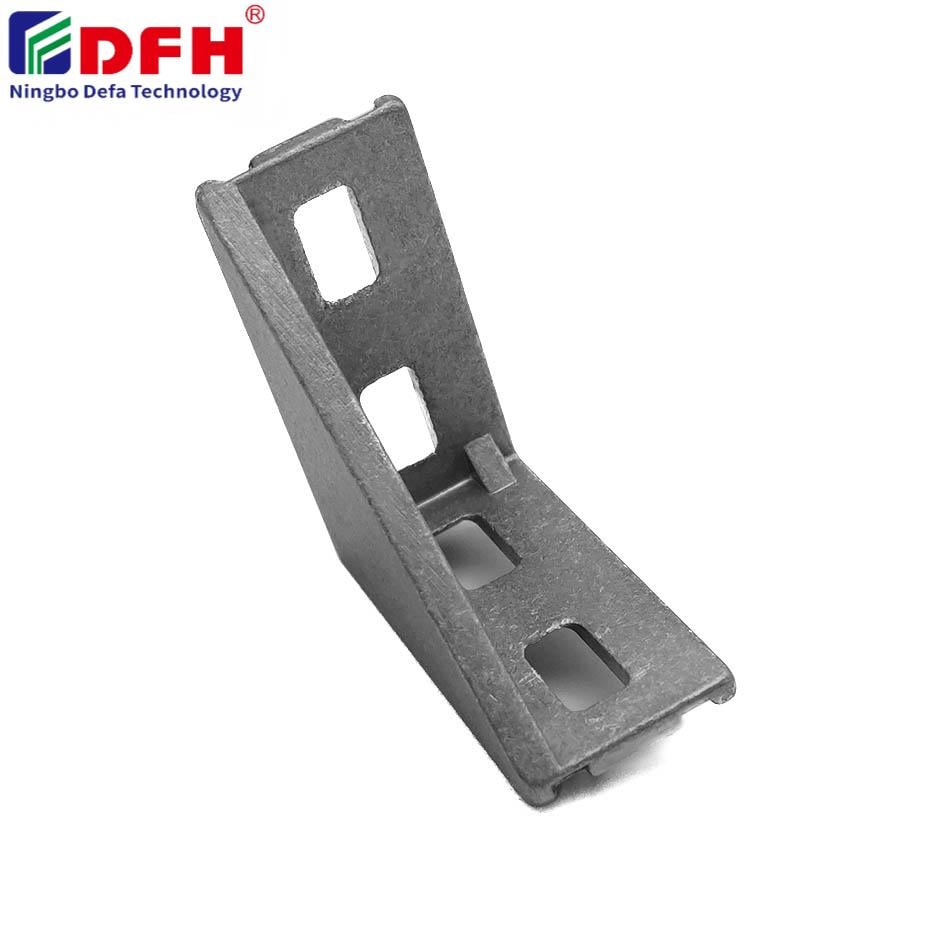
End connectors are critical components that establish the foundation of structural integrity across industrial assembly systems. These precision-engineered devices function as the bridge between modular framework elements, transferring loads and maintaining alignment throughout complex structural configurations. Whether in manufacturing lines, automation equipment, or modular building systems, end connectors determine whether your assembly remains secure under operational stress. Understanding how end connectors work and why their proper integration matters is essential for engineers, facility managers, and procurement specialists who depend on reliable structural performance.
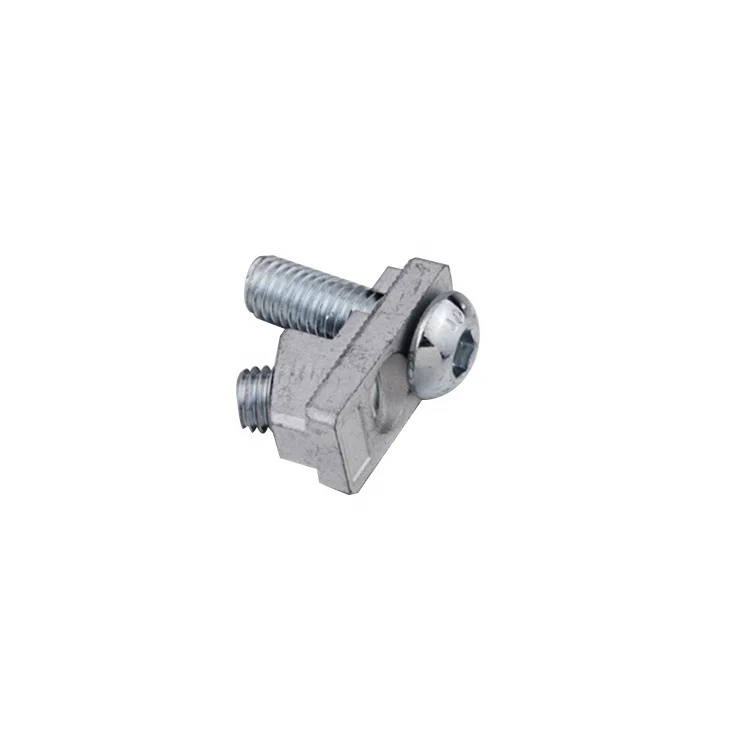
The structural security delivered by end connectors extends beyond simple mechanical fastening. These components absorb vibration, distribute pressure evenly, and prevent misalignment that could compromise system performance. When end connectors are properly selected and installed, they create a robust framework capable of handling dynamic loads, thermal expansion, and repetitive operational cycles. This article explores the mechanisms through which end connectors ensure structural security and the critical factors that influence their effectiveness.
End connectors distribute applied forces across the entire connection interface rather than concentrating stress at single points. This uniform load distribution is fundamental to structural assembly integrity. When a load is applied to a frame or modular structure, properly designed end connectors redirect that force through multiple pathways within the connection zone. The geometry of these fastening systems ensures that stress concentrates at reinforced areas designed to handle such loads, preventing failure at weak points. Industrial applications like conveyor systems, robotic arms, and process automation equipment rely on this load-spreading capacity to maintain operational safety and component longevity.
Structural assembly depends on precise alignment between connected elements. End connectors maintain this alignment through their engineered geometry and tight tolerances. When connector installation achieves proper contact surfaces and fastening geometry, the resulting connection resists lateral movement, angular deflection, and twisting forces. This rigidity prevents cascading misalignment that could propagate through interconnected components and compromise overall structural stability. High-precision connector systems used in aerospace, medical device manufacturing, and precision automation environments demonstrate how critical alignment maintenance becomes in demanding applications.
Fastening systems must match the connector design specifications and application requirements. Undersized fasteners cannot provide adequate clamping force to maintain connection integrity, while oversized fasteners may damage connector materials or create uneven load distribution. Connector installation protocols should specify fastener material compatibility, preload requirements, and torque specifications. Engineers must verify that fastening systems integrate seamlessly with the connector geometry and that installation procedures follow manufacturer guidelines. Deviation from these specifications introduces variables that undermine structural security.
Surface preparation directly influences how effectively end connectors establish secure connections. Contaminants, oxide layers, or surface irregularities reduce contact area between connected elements and compromise load transfer efficiency. Proper cleaning, surface treatment, and inspection protocols before connector installation ensure maximum contact quality. When surfaces are properly prepared and fastening systems apply appropriate preload, end connectors achieve their design performance and deliver the structural security necessary for reliable operation. Many system failures trace back to inadequate surface preparation rather than connector design deficiencies.
End connectors must withstand environmental conditions including thermal cycling, humidity, vibration, and chemical exposure. The material selection, coating systems, and connector design must accommodate anticipated environmental stresses. Structural assembly in outdoor, high-temperature, or chemically aggressive environments requires connectors engineered for those specific conditions. Regular inspection and maintenance protocols help identify early signs of degradation before they compromise structural security. Understanding environmental impact on connector performance ensures that fastening systems continue delivering reliable service throughout their intended lifecycle.
Industrial standards require that connector installation incorporate safety factors that exceed expected loads by significant margins. Structural assembly design practices specify multiple connection points and redundant load paths so that single connector failure does not compromise overall system integrity. Engineering analysis determines appropriate safety factors based on application severity, load variability, and consequence of failure. Well-designed fastening systems distribute loads among multiple connection points, ensuring that no single end connector bears full system load. This redundancy approach has proven effective across decades of industrial operation.
Premature failure typically results from inadequate surface preparation, incorrect fastening specifications, environmental degradation, or loads exceeding design parameters. Connector installation errors, such as insufficient preload or material incompatibility, accelerate wear and reduce structural security. Regular inspection and adherence to maintenance protocols help identify deterioration before critical failure occurs.
Proper connector installation establishes the foundation for system reliability and safety. Fastening systems must apply correct preload, surfaces must be properly prepared, and assembly procedures must follow specifications. When connector installation is executed correctly, structural assembly performance meets design expectations and operational requirements consistently.
Fastening systems apply and maintain the clamping force that holds end connectors in place and enables load transfer. Appropriate fastener size, material, preload specification, and installation procedure are critical to achieving design performance. The connector installation process must verify that fastening systems achieve specified preload and maintain it throughout operational life, ensuring ongoing structural security.
2026/09/30
Source aluminum profiles for versatile modular framing. Learn extrusion mechanics, strength benefits & corrosion resistance. Request details.
2026/09/30
Source aluminum profiles for construction projects. Learn structural framing, cladding & window benefits for maximum ROI. Download guide.
2026/09/30
Source optimal aluminum profile sizing techniques. Evaluate load, space, alloy, environment & cost factors to prevent deflection. Download guide.
2026/09/30
Struggling with fastener failures or rework? Master screw sizing by diameter, pitch, material, and load—plus industry-specific standards. Optimize reliability & compliance now.
2026/09/30
Source aluminum profiles for industrial engineering. Discover strength-to-weight ratios, corrosion resistance & 30% cost savings. Download guide.
2026/09/30
Source heat-resistant aluminum profile systems. Master thermal expansion science & stress management strategies for industrial builds. Download guide.