EN
EN
What is Aluminum Profile and How Does It Work?
2026/09/30
Source aluminum profiles for versatile modular framing. Learn extrusion mechanics, strength benefits & corrosion resistance. Request details.

2026/09/21
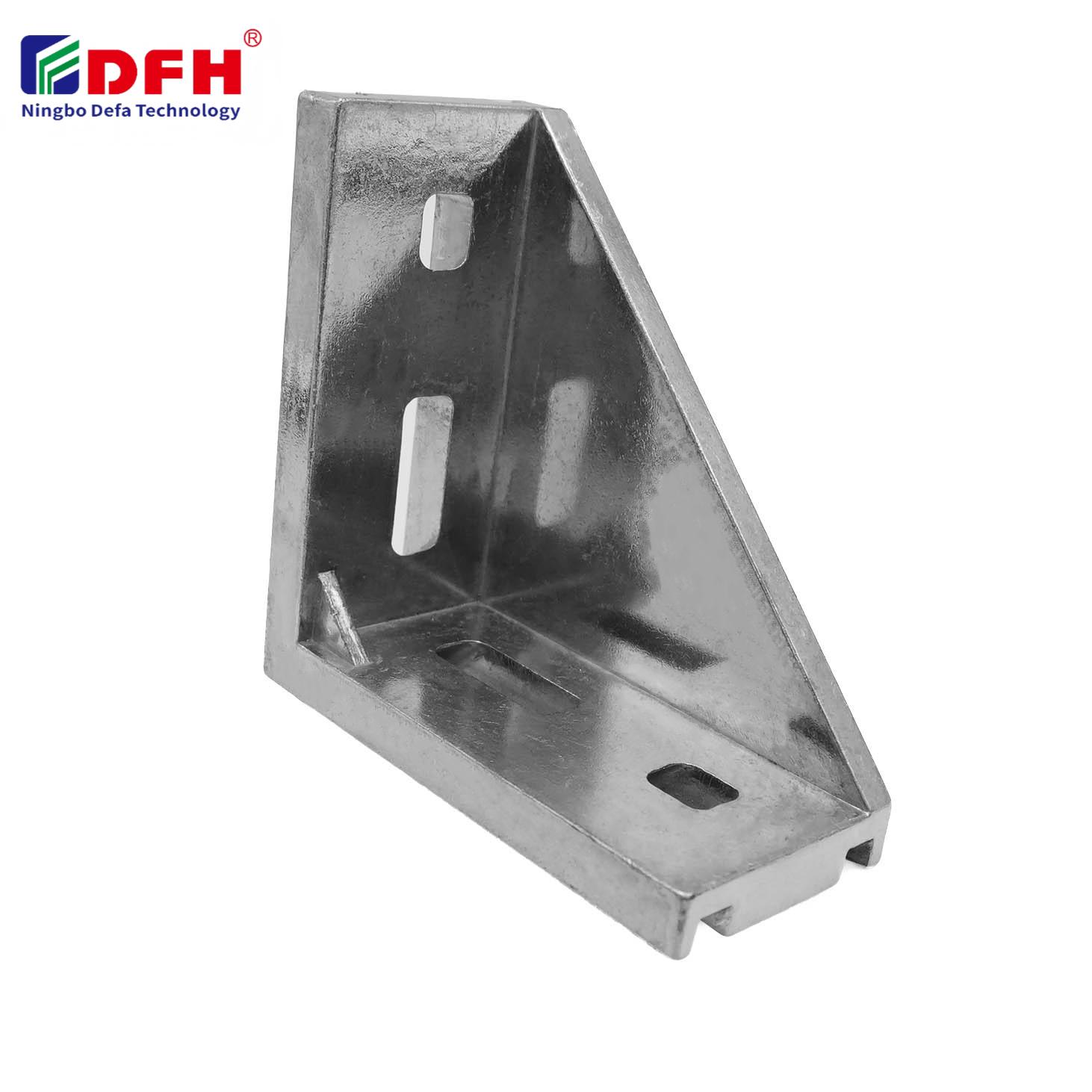
End connectors are fundamental components that significantly enhance the stability and reliability of structural assemblies across industrial applications. These precision-engineered devices serve as critical connection points between structural elements, ensuring that loads are distributed evenly and securely throughout the assembly. The role of end connectors extends beyond simple fastening; they actively prevent misalignment, reduce vibration, and maintain structural integrity under operational stress. Understanding how end connectors contribute to assembly stability is essential for engineers, manufacturers, and facility managers who depend on robust mechanical systems.
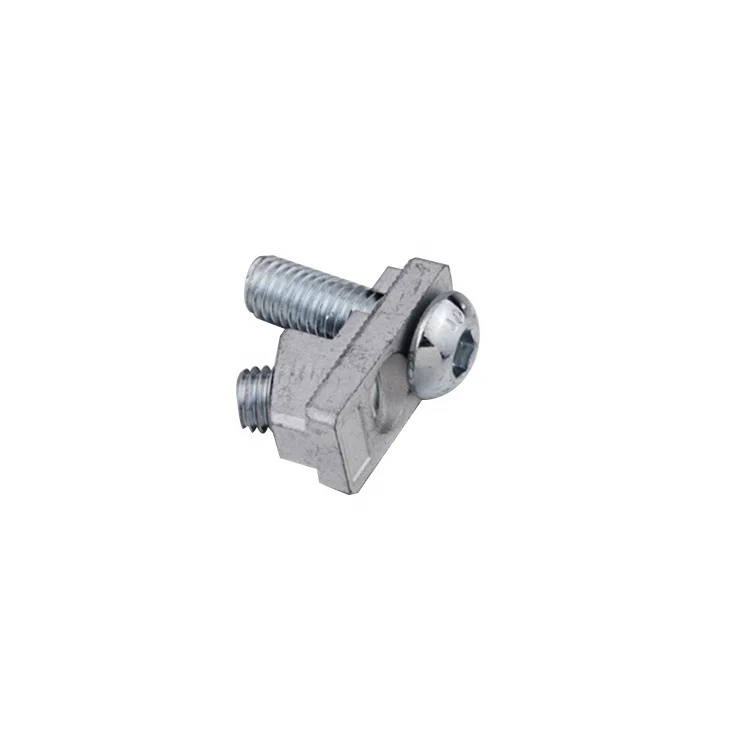
The stability of any structural assembly depends on the quality and performance of its interconnecting components. End connectors address this need by providing secure, repeatable connections that maintain dimensional consistency and load-bearing capacity. Whether used in aluminum profile systems, modular frameworks, or heavy industrial equipment, end connectors eliminate play and flex that would otherwise compromise structural performance. This article explores the specific mechanisms through which end connectors enhance assembly stability and examines best practices for their effective implementation.
End connectors distribute applied loads across multiple fastening points, preventing concentrated stress that could weaken assembly joints. When properly designed, these connectors ensure that loads transfer smoothly from one structural element to the next, eliminating weak points where failure might initiate. The precise geometry of end connectors keeps structural members aligned within tight tolerances, preventing the gradual creep and misalignment that degrades assembly performance over time. Connector installation procedures that follow engineering specifications ensure that each connection achieves its designed load capacity and stability characteristics.
Industrial equipment and structures experience constant vibration from operational forces, machinery, and environmental impacts. End connectors with appropriate preload and friction characteristics act as natural vibration dampers, absorbing oscillatory energy before it propagates through the assembly. This vibration reduction protects both the assembly structure and connected components, extending service life and improving operational reliability. Properly selected fastening systems that incorporate end connectors minimize resonance peaks that could amplify vibration and accelerate wear.
Achieving maximum stability requires that connector installation follow specific torque specifications and preload protocols established by design engineers. Insufficient preload allows movement between connected surfaces, while excessive preload risks fastener failure or material deformation. Modern connector installation processes use calibrated torque tools and documentation to ensure consistency across all assembly connections. This systematic approach eliminates variables that commonly compromise assembly stability in manual assembly environments.
The stability benefits of end connectors depend significantly on selecting materials that resist corrosion, maintain strength at operating temperatures, and remain compatible with surrounding structural elements. Stainless steel, alloy steel, and composite end connectors each offer distinct advantages depending on environmental conditions and load requirements. When connector installation includes proper surface preparation and protective treatments, the connectors maintain their dimensional stability and load-bearing properties throughout the assembly's service life, preventing degradation that would otherwise reduce structural performance.
Modern structural assembly concepts rely on standardized end connectors and fastening systems that ensure identical connection quality across multiple assembly instances. This repeatability is critical for manufacturing operations where hundreds or thousands of assemblies must meet consistent performance standards. End connectors designed for modular systems allow builders to configure structures for different applications while maintaining uniform stability characteristics at every connection point. The reliability of fastening systems built around proven end connector designs reduces field failures and warranty claims associated with assembly instability.
Effective structural assembly design incorporates end connectors positioned to allow inspection and maintenance access without disassembling critical structural elements. Connector installation procedures that account for maintenance requirements ensure that connections can be inspected, tightened, or replaced as needed to preserve assembly stability over extended service periods. This forward-thinking approach to fastening systems extends the effective life of industrial structures and prevents unexpected failures caused by connector degradation or loosening.
End connectors prevent assembly failure by maintaining precise alignment between structural members, controlling load distribution, and resisting the creep and micro-movements that initiate fatigue cracks. They ensure that connector installation creates repeatable, load-rated connections that perform consistently under operational stress. By stabilizing the structural assembly at its most vulnerable points—the joints—end connectors directly prevent the cascading failures that commonly occur when connections loosen or misalign.
Proper connector installation applies correct preload and torque values that lock connections in place and prevent vibration-induced loosening that degrades stability over time. When fastening systems are installed according to engineering specifications, end connectors maintain their initial tightness and load transfer capability throughout the assembly's operational life. This consistency ensures that the structural assembly remains stable and performs reliably, avoiding the gradual deterioration in stability that occurs when connections are improperly installed or inadequately tightened.
Yes, well-designed end connectors and fastening systems reduce overall assembly costs by minimizing field adjustments, rework, and warranty claims related to instability issues. Standardized connector installation procedures lower labor costs and reduce errors that compromise structural performance. Additionally, enhanced stability extends assembly service life, improving return on investment and reducing lifecycle costs despite potentially higher upfront connector expenses compared to inferior fastening systems.
2026/09/30
Source aluminum profiles for versatile modular framing. Learn extrusion mechanics, strength benefits & corrosion resistance. Request details.
2026/09/30
Source aluminum profiles for construction projects. Learn structural framing, cladding & window benefits for maximum ROI. Download guide.
2026/09/30
Source optimal aluminum profile sizing techniques. Evaluate load, space, alloy, environment & cost factors to prevent deflection. Download guide.
2026/09/30
Struggling with fastener failures or rework? Master screw sizing by diameter, pitch, material, and load—plus industry-specific standards. Optimize reliability & compliance now.
2026/09/30
Source aluminum profiles for industrial engineering. Discover strength-to-weight ratios, corrosion resistance & 30% cost savings. Download guide.
2026/09/30
Source heat-resistant aluminum profile systems. Master thermal expansion science & stress management strategies for industrial builds. Download guide.