EN
EN
What is Aluminum Profile and How Does It Work?
2026/09/30
Source aluminum profiles for versatile modular framing. Learn extrusion mechanics, strength benefits & corrosion resistance. Request details.

2026/09/08
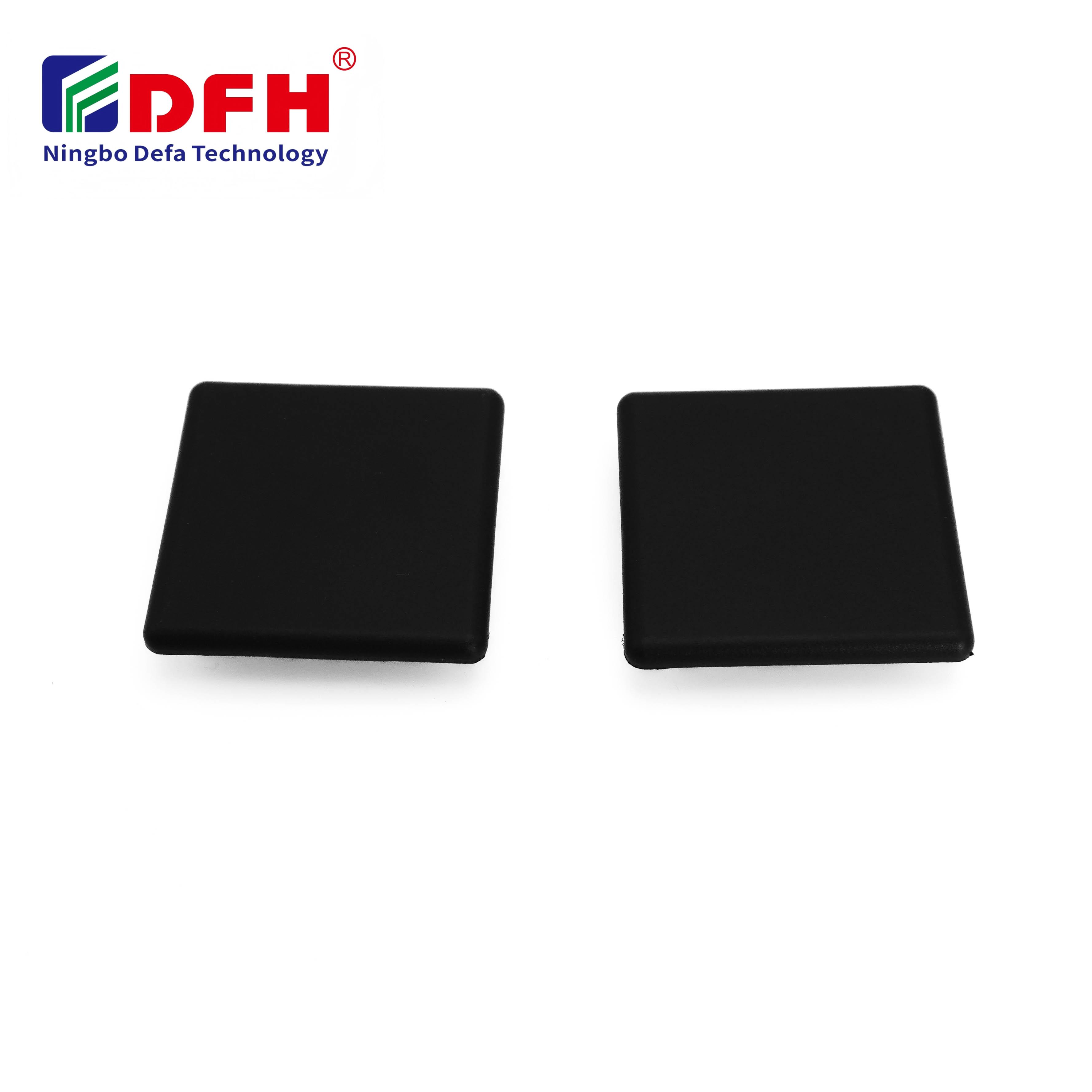
Aluminum profiles are foundational components in industrial, architectural, and manufacturing applications, yet they remain vulnerable to environmental damage, physical impact, and material degradation without proper protection. An End Cap serves as a critical protective barrier that shields the exposed ends of aluminum profiles from moisture infiltration, dust accumulation, mechanical stress, and corrosion. Understanding how these components function is essential for engineers, designers, and facility managers who depend on aluminum profiles for structural integrity and long-term performance.
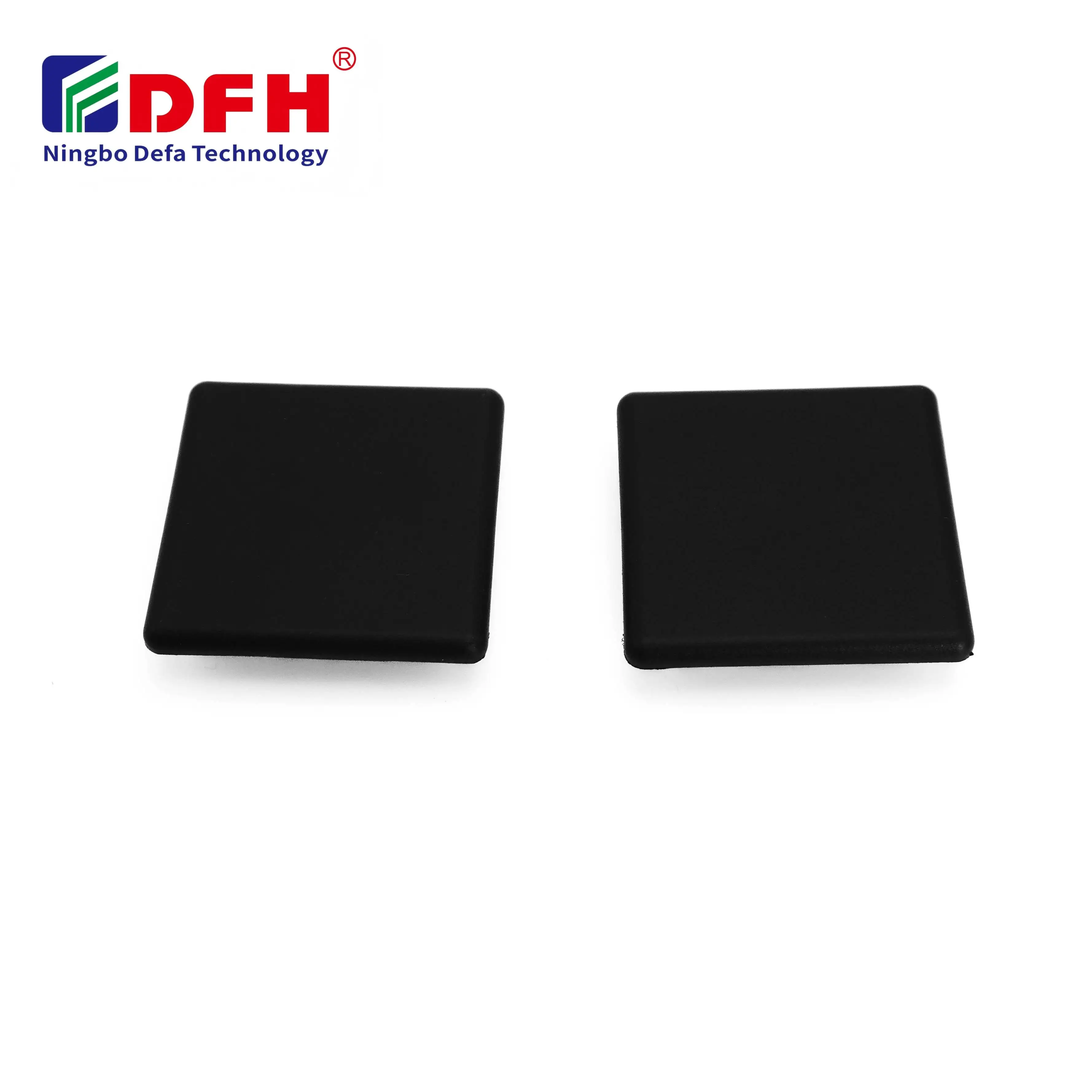
The protective capability of an End Cap Installation extends beyond simple aesthetic finish. These components directly influence the lifespan of aluminum extrusions by preventing internal corrosion, protecting against anodic degradation, and maintaining structural geometry. End Cap Materials vary by application demand, ranging from elastomeric polymers to rigid thermoplastics, each offering distinct advantages in specific industrial contexts. By exploring how End Cap Applications function across diverse sectors, manufacturers and designers can make informed decisions about protection strategies that align with operational requirements and environmental conditions.
Aluminum profiles are inherently susceptible to corrosion when exposed to moisture, salt air, and chemical environments. An End Cap functions as a moisture barrier by creating a sealed interface at the profile terminus, preventing water ingress into internal cavities and hollow sections. This seal is particularly critical in coastal environments, food processing facilities, and applications involving chemical exposure where aluminum oxidation can compromise structural integrity within weeks. End Cap Materials engineered for this purpose typically include waterproof gaskets, silicone seals, or hydrophobic polymers that maintain their protective properties across temperature fluctuations and humidity variations.
The exposed ends of aluminum profiles are frequently subject to handling damage, collision, and mechanical stress during installation, transport, and operational use. End Cap Installation techniques create protective shields that absorb and distribute impact forces, reducing the risk of deformation, cracking, or splintering at profile terminations. Industrial environments demand robust End Cap Applications that withstand repeated contact, vibration exposure, and pressure loads without degrading. Rigid End Cap Materials such as nylon or reinforced thermoplastics provide this mechanical resilience while remaining lightweight enough to avoid excessive system mass.
End Cap Materials encompass a spectrum of synthetic polymers, each selected based on environmental exposure, temperature range, and mechanical demand. Nylon-based end caps offer exceptional durability and resistance to abrasion, making them ideal for End Cap Applications in manufacturing environments where frequent contact occurs. Silicone end caps excel in high-temperature applications and chemical resistance scenarios where standard polymers would degrade. Thermoplastic elastomers provide flexibility and shock absorption, critical for End Cap Installation in vibration-prone systems. Material selection directly determines maintenance intervals, replacement cycles, and long-term cost effectiveness of the aluminum profile system.
Advanced End Cap Materials include specialized formulations incorporating UV stabilizers, antioxidants, and antimicrobial additives for extended environmental service. Stainless steel end caps serve niche End Cap Applications where aesthetic appearance and premium corrosion resistance justify material cost. Composite end cap materials combining fiber reinforcement with thermoplastic matrices offer weight optimization and enhanced strength for structural applications. End Cap Installation procedures must match material properties to ensure proper sealing, load distribution, and long-term adhesion. The compatibility between end cap material and aluminum profile surface finish determines the effectiveness of the protection system.
Successful End Cap Installation requires precise techniques that ensure consistent sealing, proper alignment, and secure attachment throughout the profile network. Press-fit installation methods use dimensional interference to create friction-based retention, ideal for high-volume manufacturing environments where rapid assembly is essential. Adhesive-bonded End Cap Installation provides flexibility for profiles with irregular geometries and delivers excellent environmental sealing when using two-part epoxy or structural adhesive systems. Mechanical fastening approaches employing screws or rivets offer field-adjustable solutions when profiles require future maintenance or component replacement. Each End Cap Installation method influences long-term reliability, moisture resistance, and maintenance accessibility.
End Cap Applications span diverse industrial sectors where aluminum profiles form the structural backbone of systems and assemblies. In cleanroom and food production facilities, end caps prevent contamination ingress by sealing internal cavities that might harbor bacteria or particulates. Architectural End Cap Applications protect building envelope systems from weather penetration, thermal bridging, and moisture condensation at aluminum curtain wall terminations. Solar panel mounting systems utilize specialized End Cap Applications to prevent water entrapment in structural channels while maintaining weatherproof integrity. Automotive and transportation equipment rely on end cap protection to maintain corrosion resistance and structural geometry throughout extended service life. Heavy machinery and automation systems employ end caps in confined spaces where regular maintenance access is limited, making initial installation quality critical.
Proper End Cap Installation significantly extends aluminum profile service life by preventing moisture-induced corrosion that typically reduces structural integrity within 3–5 years in challenging environments. Systems equipped with durable End Cap Materials demonstrate measurable reductions in maintenance costs, unplanned downtime, and replacement cycles compared to unprotected profiles. End Cap Applications designed for specific environmental demands reduce failure rates and extend warranty periods, improving return on capital investment. Organizations implementing comprehensive end cap protection strategies report decreased material degradation, improved aesthetic retention, and enhanced system reliability throughout the operational lifecycle.
The upfront investment in End Cap Installation represents minimal cost relative to the expenses associated with profile replacement, system downtime, and remediation of corrosion damage. End Cap Materials selection should balance initial acquisition cost against expected service duration and maintenance requirements across the product lifecycle. End Cap Applications in mission-critical systems justify premium material specifications and installation expertise, ensuring uninterrupted operation. Strategic procurement of end caps aligned with aluminum profile sourcing creates supply chain efficiency and reduces administrative overhead associated with fragmented component procurement.
For coastal and corrosive environments, marine-grade silicone end caps and specialized thermoplastic compounds with enhanced corrosion inhibitors provide optimal protection. End Cap Installation in salt-spray conditions requires materials tested to ASTM B117 standards with gasket systems using ethylene propylene diene monomer (EPDM) or fluoroelastomer. End Cap Applications in these settings should specify stainless steel hardware and UV-stabilized polymers to prevent degradation from combined salt exposure and solar radiation.
Improper End Cap Installation allows moisture penetration into profile cavities, initiating accelerated corrosion within 6–12 months in humid environments. Misaligned end caps create capillary pathways for water infiltration, bypassing the intended moisture barrier entirely. Poor End Cap Materials selection or installation technique eliminates the protection benefit, resulting in cross-section loss and structural compromise equivalent to leaving profiles unprotected.
Yes, End Cap Applications can be retrofitted to existing systems using adhesive-bonded or mechanical attachment methods, though accessibility constraints may complicate End Cap Installation on tightly integrated structures. Retrofitted end caps require surface preparation, existing profile cleaning, and verification of dimensional compatibility. End Cap Materials selected for retrofit applications must accommodate surface irregularities and age-related profile expansion without compromising seal integrity.
2026/09/30
Source aluminum profiles for versatile modular framing. Learn extrusion mechanics, strength benefits & corrosion resistance. Request details.
2026/09/30
Source aluminum profiles for construction projects. Learn structural framing, cladding & window benefits for maximum ROI. Download guide.
2026/09/30
Source optimal aluminum profile sizing techniques. Evaluate load, space, alloy, environment & cost factors to prevent deflection. Download guide.
2026/09/30
Struggling with fastener failures or rework? Master screw sizing by diameter, pitch, material, and load—plus industry-specific standards. Optimize reliability & compliance now.
2026/09/30
Source aluminum profiles for industrial engineering. Discover strength-to-weight ratios, corrosion resistance & 30% cost savings. Download guide.
2026/09/30
Source heat-resistant aluminum profile systems. Master thermal expansion science & stress management strategies for industrial builds. Download guide.