EN
EN
What is Aluminum Profile and How Does It Work?
2026/09/30
Source aluminum profiles for versatile modular framing. Learn extrusion mechanics, strength benefits & corrosion resistance. Request details.

2026/09/30
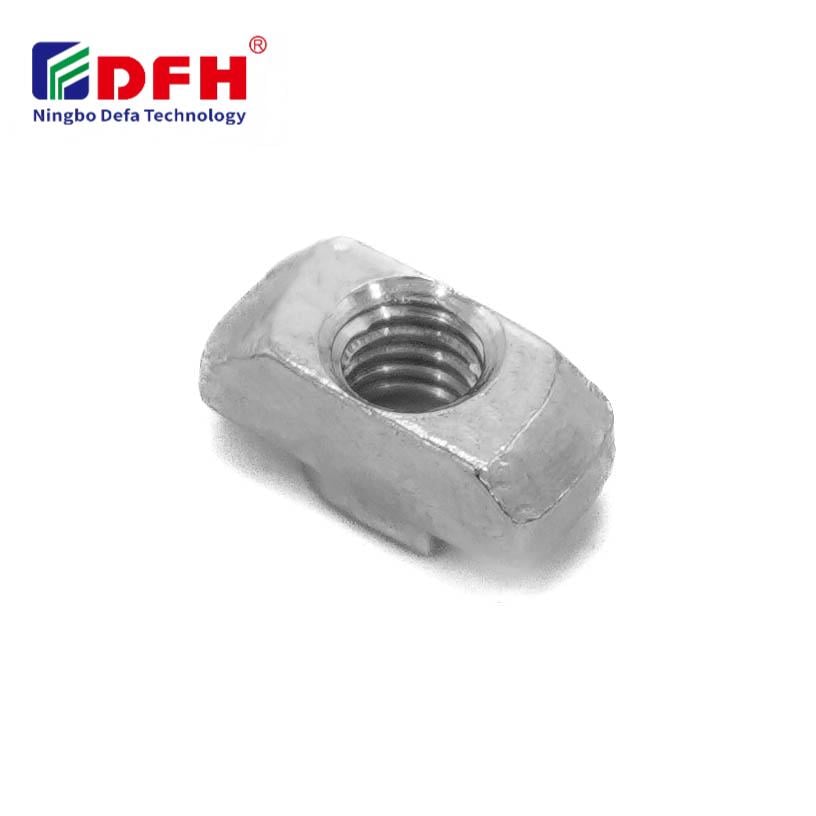
Screws are one of the most fundamental fasteners in mechanical assembly, yet their operation relies on elegant physics principles that have remained unchanged for centuries. Understanding how different screw types work is essential for engineers, manufacturers, and anyone involved in product design or maintenance. Each screw variant serves a specific purpose, and knowing when and why to use each type directly impacts assembly quality, structural integrity, and cost efficiency.
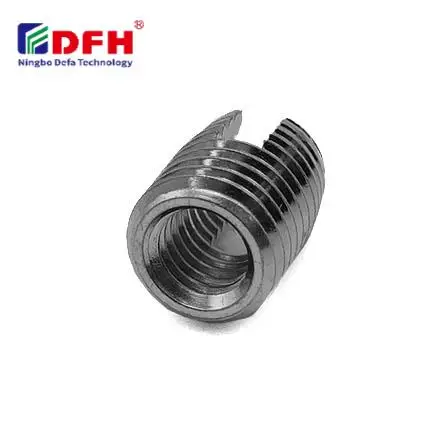
The fundamental principle behind screws and all threaded fastening systems is the inclined plane. When a screw rotates, its helical thread converts rotational force into linear clamping force, creating a secure joint. This mechanical advantage allows modest rotational torque to generate significant holding power, which is why screws are preferred over nails in countless applications. Different screw designs optimize this principle for various materials, loads, and installation methods.
Machine screws are precision-engineered fasteners designed to work with pre-drilled, threaded holes or nuts. Unlike self-tapping varieties, machine screws require either a threaded hole or a nut to function properly. When rotated, the thread profile engages with matching threads in the receiving surface, and continued rotation pulls the screw deeper into the hole. This creates progressive clamping pressure along the full thread length, distributing load evenly across the fastened joint.
The design of machine screws emphasizes accuracy and repeatability. Their threads are typically symmetrical and follow standardized pitch specifications, making them ideal for applications requiring consistent, predictable assembly. The screw head—whether slotted, Phillips, or hexagonal—is engineered to accept specific drive tools, minimizing slip and damage during installation. In industrial fastening, machine screws provide reliable performance when used with matching bolt types and threaded hardware.
Machine screws dominate in precision assembly environments such as electronics manufacturing, machinery assembly, and appliance production. They excel in situations where disassembly and reassembly are anticipated, since the standardized threading ensures repeatable engagement over multiple cycles. Industries relying on fasteners and threaded fastening systems regularly specify machine screws for components requiring adjustability or maintenance access.
Self-tapping screws fundamentally transform how fasteners interact with target materials. Rather than requiring a pre-threaded hole, these screws generate their own threads as they penetrate the material. This is achieved through a sharp, specially formed tip that cuts or displaces material fibers, creating a helical cavity that the screw's own threads then fill. The mechanism is particularly effective in softer materials like plastic, wood, and thin sheet metal, where traditional bolt types would be impractical.
The thread form of self-tapping screws is engineered to create maximum material displacement with minimum rotational force. As the screw advances, its flutes or cutting edges shear material ahead of the thread, which is then pushed aside by the advancing helical profile. This simultaneous cutting and thread-forming action eliminates the need for separate drilling and tapping operations, dramatically reducing assembly time and labor costs. For applications involving large production volumes, self-tapping screws offer significant economic advantages over conventional threaded fastening approaches.
Different self-tapping screw designs are optimized for specific materials. Wood screws feature coarser threads suited to fiber displacement, while thread-forming screws in metal rely on shear mechanisms to create threads in sheet metal or thin castings. The choice of screw type directly influences installation torque, pull-out strength, and long-term joint reliability. Engineers must match self-tapping fasteners precisely to their target material to ensure both installation success and service life performance.
Beyond traditional machine screws and self-tapping fasteners, specialty bolt types serve unique structural purposes. Anchoring screws, for example, work in conjunction with expansion sleeves or wall plugs to create secure fastening points in masonry, concrete, or hollow wall construction. As the screw rotates and advances, it pushes against an expansion mechanism that forces outward pressure against the surrounding material, creating a wedge-lock effect that prevents pull-out failure.
These specialized fasteners and threaded fastening solutions demonstrate how screw technology extends far beyond simple clamping. Each design iteration adds functionality—whether corrosion resistance, vibration resistance, or improved material retention. Understanding the specific mechanical function of each fastener type enables engineers to select the most appropriate solution for demanding industrial applications, ensuring both safety and performance longevity.
The material composition of screws directly affects their performance in corrosive environments. Stainless steel fasteners resist oxidation in marine and chemical applications, while zinc-plated variants offer cost-effective protection in moderate outdoor conditions. The choice between material options represents a balance between application demands, environmental exposure, and lifecycle cost. Industrial fastening strategies must account for these material factors to avoid premature failure and unplanned maintenance downtime.
Screws operate on the inclined plane principle. Their helical thread converts rotational force into linear clamping force, allowing modest torque input to generate significant holding power. This mechanical advantage remains the foundation of all threaded fastening systems, from simple wood screws to precision industrial fasteners.
Different screw designs optimize for specific materials, installation methods, and performance requirements. Machine screws require pre-threaded holes and excel in repeatable assembly. Self-tapping screws create their own threads, eliminating pre-drilling in softer materials. Specialty bolt types add features like expansion anchoring or enhanced corrosion resistance. The diversity of screw types allows engineers to match fasteners precisely to their application demands.
Machine screws engage with pre-existing threads or nuts through simple rotation, distributing clamping pressure evenly. Self-tapping screws combine thread creation and fastening into one operation, with cutting edges that shear or displace material while the screw's helical profile simultaneously fills the cavity. This dual-action mechanism makes self-tapping fasteners ideal for applications where pre-threading is impractical or cost-prohibitive.
2026/09/30
Source aluminum profiles for versatile modular framing. Learn extrusion mechanics, strength benefits & corrosion resistance. Request details.
2026/09/30
Source aluminum profiles for construction projects. Learn structural framing, cladding & window benefits for maximum ROI. Download guide.
2026/09/30
Source optimal aluminum profile sizing techniques. Evaluate load, space, alloy, environment & cost factors to prevent deflection. Download guide.
2026/09/30
Struggling with fastener failures or rework? Master screw sizing by diameter, pitch, material, and load—plus industry-specific standards. Optimize reliability & compliance now.
2026/09/30
Source aluminum profiles for industrial engineering. Discover strength-to-weight ratios, corrosion resistance & 30% cost savings. Download guide.
2026/09/30
Source heat-resistant aluminum profile systems. Master thermal expansion science & stress management strategies for industrial builds. Download guide.