EN
EN
What is Aluminum Profile and How Does It Work?
2026/09/30
Source aluminum profiles for versatile modular framing. Learn extrusion mechanics, strength benefits & corrosion resistance. Request details.

2026/09/23
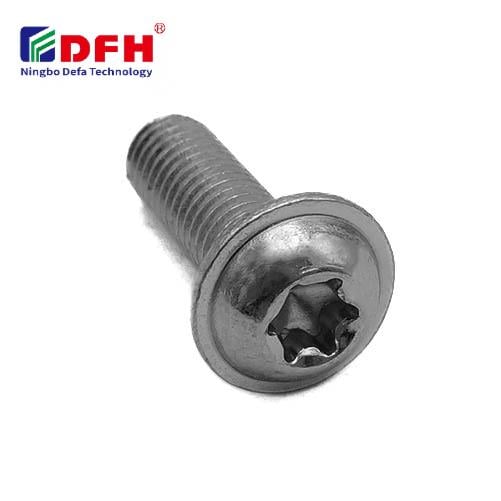
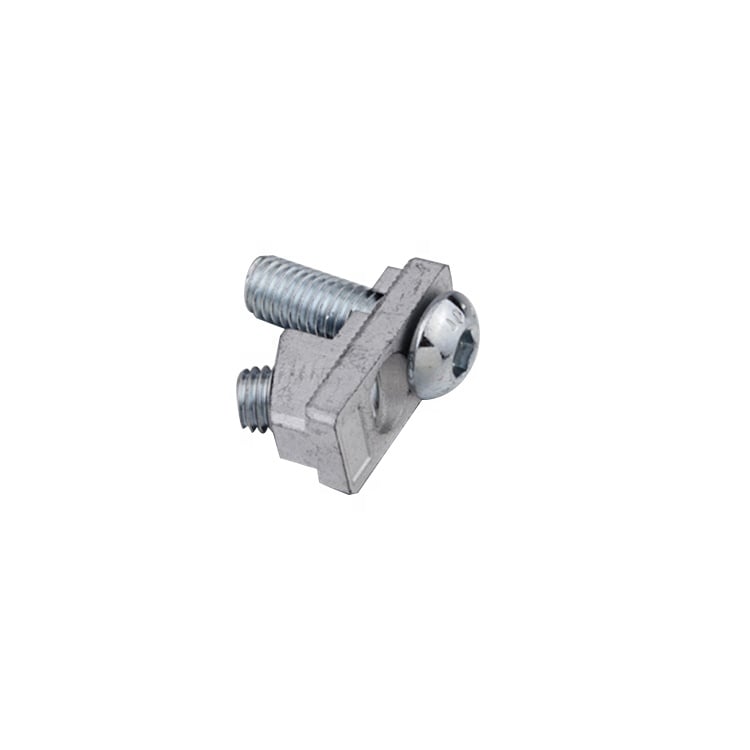
Structural integrity in industrial and construction applications depends fundamentally on the reliability of connection systems. Bolt connectors form the backbone of these systems, providing the mechanical strength needed to hold critical assemblies together under dynamic and static loads. Understanding how bolt connectors ensure structural security requires examining the interplay between material properties, installation precision, and maintenance protocols that work together to create dependable joints capable of withstanding operational stresses.
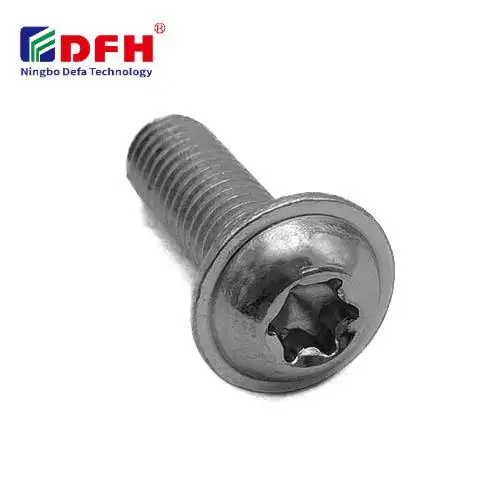
The security delivered by bolt connectors extends beyond mere assembly; it encompasses the entire lifecycle of a joint from installation through ongoing service. Threaded fasteners like bolts distribute loads across larger surface areas than simpler fastening methods, reducing stress concentration at connection points. When combined with proper bolt installation methods and appropriate connector tensioning strategies, this distribution mechanism creates redundancy and resilience that protect structures against unexpected failures.
Threaded fasteners operate on a principle of friction and mechanical interlock. The helical threading on bolts and nuts creates multiple contact points that engage with mating surfaces, transforming tensile forces into distributed mechanical locks. When a bolt connector is properly tightened, the preload generated creates a clamping force that keeps joined members from slipping relative to each other. This preload acts like an internal spring, absorbing and redistributing external loads through the joint rather than concentrating stress at single failure points.
The Bolt Connectors design determines how effectively this load transfer occurs. Larger thread diameters provide greater cross-sectional area for load bearing, while the thread pitch affects how efficiently torque translates into clamping force. Industrial-grade threaded fasteners typically feature consistent geometry and material composition that ensure predictable performance across repeated assembly and disassembly cycles.
Structural security fundamentally depends on selecting bolt connectors with appropriate strength ratings for intended applications. Steel bolts, stainless steel variants, and specialized alloy compositions each provide different combinations of tensile strength, corrosion resistance, and temperature stability. The strength grade of threaded fasteners determines their load capacity; higher-grade bolts like those rated at 10.9 or 12.9 can handle significantly greater stresses than lower-grade alternatives. This specification directly impacts how safely a bolt connector system can operate under dynamic or shock loads common in industrial environments.
Material compatibility between bolt connectors and joined components prevents galvanic corrosion and stress concentration from dissimilar metal reactions. Selecting threaded fasteners that match the material properties of the joined members ensures uniform stress distribution and maintains structural security throughout the assembly's operational life.
Proper bolt installation methods form the foundation of structural security in fastened assemblies. Torque-controlled tightening represents the most common industrial approach, where bolts are tightened to a specified torque value that produces the desired preload without exceeding material yield limits. This method requires calibrated torque wrenches and adherence to manufacturer-specified torque values that account for bolt diameter, material grade, and lubrication conditions. Incorrect torque application, whether excessive or insufficient, compromises the security of the entire connection by either overstressing the threaded fasteners or failing to generate adequate clamping force.
Angle-controlled tightening supplements torque control in critical applications by adding a specified rotation angle after the bolt has seated. This two-step approach ensures more consistent preload independent of surface variations or friction differences. Bolt installation methods that employ both torque and angle specifications provide superior structural security because they compensate for environmental variables that affect the simple torque-only approach.
Connector tensioning through tension-measuring devices offers the highest precision for critical structural applications. Ultrasonic bolt tensioners, load-indicating washers, and direct tension indicators provide real-time feedback on actual preload values, eliminating guesswork and ensuring that each threaded fastener achieves the target clamping force. These advanced bolt installation methods prove invaluable in applications where joint integrity directly affects safety, such as bridge connections, pressure vessels, and critical machinery assemblies.
Connector tensioning systems detect whether bolt connectors have been over-tightened, which can lead to permanent deformation of threads and loss of preload over time. They also identify under-tightened connections that fail to develop sufficient clamping force. By measuring actual tension rather than inferring it from torque values, these methods provide verifiable proof of structural security that meets regulatory requirements and engineering standards.
Structural security cannot be assured with installation alone; ongoing monitoring and maintenance of bolt connectors prevents preload loss that occurs through mechanisms like stress relaxation, vibration-induced loosening, and material creep. Regular inspection schedules identify bolts showing signs of loose threads, corrosion damage, or incomplete engagement that compromise the integrity of the connection. Implementing systematic re-tensioning protocols at defined intervals maintains the clamping force necessary for reliable structural performance throughout the asset's operational life.
Vibration represents a common threat to bolt connector security in dynamic applications. Threaded fasteners in machinery subject to continuous vibration gradually lose preload as micro-slipping occurs at contact surfaces. Lock washers, thread-locking compounds, and self-locking nuts provide vibration resistance by increasing friction at contact interfaces, helping bolt connectors maintain their tensioning despite mechanical disturbances.
Corrosion and environmental exposure directly threaten structural security by degrading bolt connector materials and reducing effective preload over extended service periods. Harsh environments require consideration of coating systems, material upgrades to stainless steel or specialized alloys, and connector tensioning that accounts for material loss from corrosion. Protective treatments like zinc plating, hot-dip galvanizing, or powder coatings shield threaded fasteners from moisture and chemical attack, preserving their load-bearing capacity.
Temperature fluctuations affect the mechanical properties of bolt connectors and the materials they join, potentially altering preload and clamping force. High-temperature applications require selection of bolt connectors engineered from materials that maintain strength at elevated temperatures. Cold environments present different challenges, as some materials become brittle and lose ductility. Accounting for these environmental variables during design and maintenance ensures that structural security persists across the full range of operational conditions.
The maximum safe load for a bolt connector depends on multiple factors including the bolt's material grade, diameter, thread pitch, the preload achieved through connector tensioning, the number of bolts in the joint, and the type of loading applied. Tensile strength rating, specified through standards like ISO 898, provides the theoretical capacity, but practical load limits must account for stress concentration factors, environmental conditions, and the properties of joined materials. Threaded fasteners are typically designed with safety factors between 2 and 5 depending on the application criticality and regulatory requirements.
Inspection and re-tensioning frequency depends on the specific application, loading conditions, vibration exposure, and environmental factors affecting the bolt connectors. Dynamic applications subject to significant vibration typically require more frequent inspection schedules, possibly ranging from monthly to quarterly checks for critical systems. Static applications in controlled environments may need annual or biennial re-tensioning. Manufacturers and engineering standards provide specific guidance based on application type, but general best practice emphasizes establishing baseline connector tensioning values shortly after installation and monitoring for deviations that indicate preload loss or structural issues.
Most bolt connector failures develop progressively, providing opportunities for detection through proper monitoring if effective inspection systems are in place. Visible indicators of deterioration include corrosion on threaded fasteners, elongation of bolt heads, deformation of washers, and loss of clamping force measured through connector tensioning tests. However, some failure modes like brittle fracture from material defects or extreme overload can occur suddenly without prior warning. This reality emphasizes the importance of selecting appropriate bolt connectors for known loading conditions, maintaining proper bolt installation methods, and implementing preventive maintenance rather than relying solely on failure detection.
2026/09/30
Source aluminum profiles for versatile modular framing. Learn extrusion mechanics, strength benefits & corrosion resistance. Request details.
2026/09/30
Source aluminum profiles for construction projects. Learn structural framing, cladding & window benefits for maximum ROI. Download guide.
2026/09/30
Source optimal aluminum profile sizing techniques. Evaluate load, space, alloy, environment & cost factors to prevent deflection. Download guide.
2026/09/30
Struggling with fastener failures or rework? Master screw sizing by diameter, pitch, material, and load—plus industry-specific standards. Optimize reliability & compliance now.
2026/09/30
Source aluminum profiles for industrial engineering. Discover strength-to-weight ratios, corrosion resistance & 30% cost savings. Download guide.
2026/09/30
Source heat-resistant aluminum profile systems. Master thermal expansion science & stress management strategies for industrial builds. Download guide.