EN
EN
What is Aluminum Profile and How Does It Work?
2026/09/30
Source aluminum profiles for versatile modular framing. Learn extrusion mechanics, strength benefits & corrosion resistance. Request details.

2026/09/23
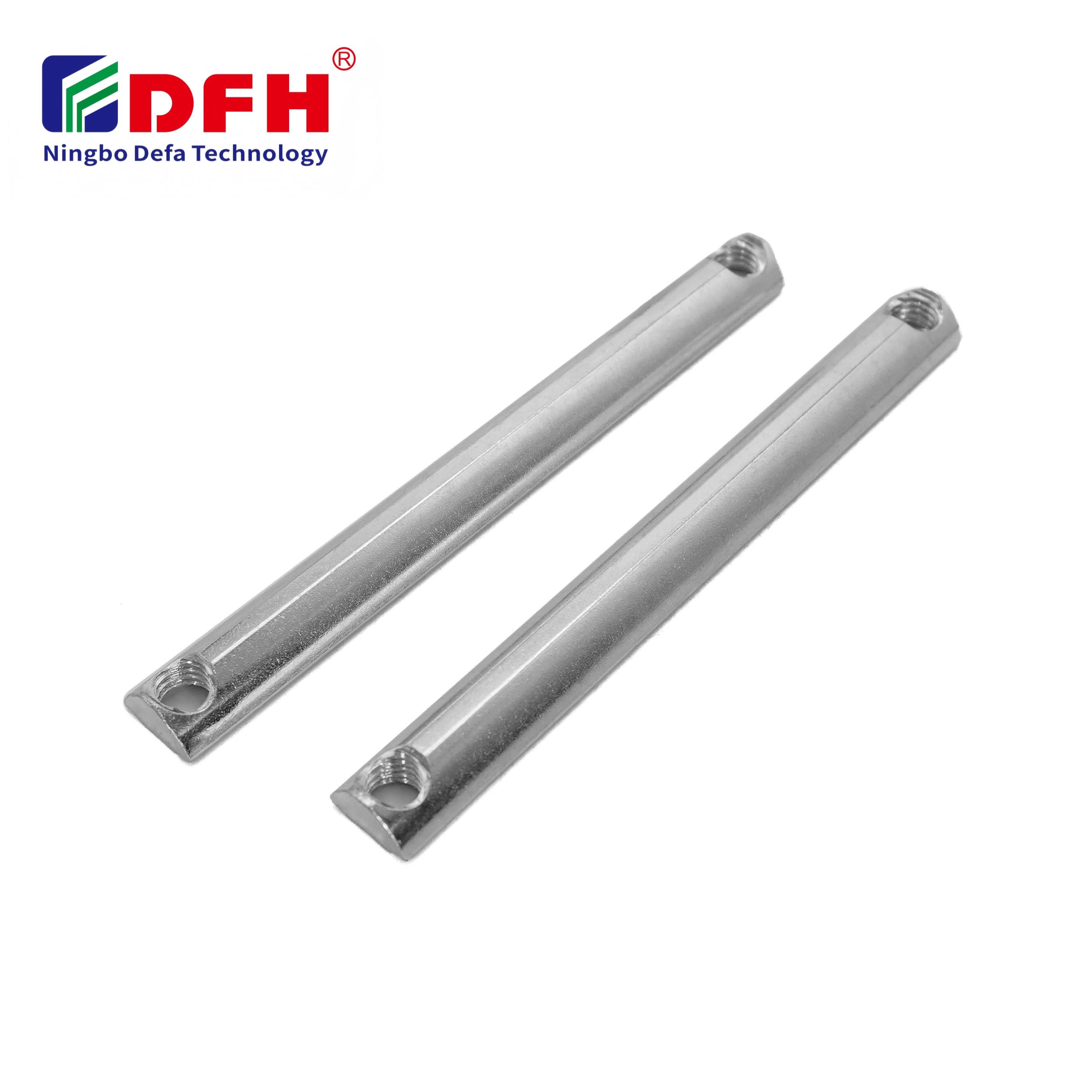
Understanding the strength characteristics of Bolt Connectors is essential for selecting the right fastening solution in industrial applications. Different bolt designs, materials, and installation methods deliver varying load capacities and performance under stress. Engineers and maintenance professionals must evaluate tensile strength, shear resistance, material composition, and application-specific demands before choosing fasteners for critical assemblies. This guide explores how bolt connectors compare across strength metrics and provides practical guidance for optimal fastening performance in demanding environments.
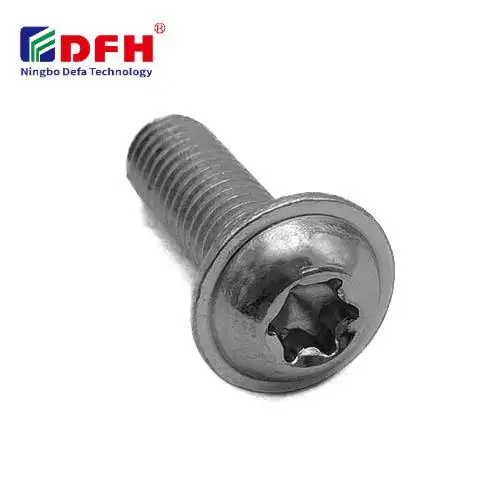
Bolt strength depends on multiple factors working in concert, including material grade, surface finish, thread design, and the precision of bolt installation methods employed during assembly. Industrial specifications establish strength classes, and understanding these ratings helps predict how fasteners will perform under tension, shear, and combined loading scenarios. Proper connector tensioning ensures that bolts maintain clamp force over time and resist vibration-induced loosening. This comprehensive comparison framework enables informed decision-making across manufacturing, construction, and infrastructure sectors.
Threaded fasteners are categorized by material grade, with common standards including ISO metric grades such as 4.6, 5.8, 8.8, 10.9, and 12.9. Each grade designation indicates minimum tensile strength and yield strength characteristics. Grade 4.6 steel bolts offer tensile strength around 400 megapascals, suitable for general-purpose applications with moderate loads. Grade 8.8 and above deliver substantially higher strength, reaching 800 to 1200 megapascals, making them suitable for heavy-duty industrial assemblies, pressure vessels, and safety-critical structures.
The relationship between grade number and performance is direct—higher grades withstand greater tensile stress before deformation or failure occurs. Grade 10.9 bolts, for example, resist approximately 1000 megapascals of tensile load, while Grade 12.9 variants push toward 1200 megapascals. Material composition, including carbon content, alloying elements, and heat treatment processes, determines how threaded fasteners respond to both static loads and dynamic stress cycles. Selecting the correct grade requires analyzing expected service loads, environmental factors, and safety margins within your specific application context.
Material selection extends beyond raw tensile strength to include environmental durability. Stainless steel bolts offer superior corrosion resistance compared to plain carbon steel, though they typically exhibit lower tensile strength per grade. Coated or plated fasteners protect against rust and atmospheric degradation, maintaining structural integrity over extended service periods. In marine environments, chemical plants, or outdoor installations, bolt connectors must resist corrosion that would otherwise compromise load-carrying capacity and create safety hazards. Galvanized, zinc-plated, or ceramic-coated fasteners provide cost-effective protection while preserving the mechanical properties of the base material.
Bolt installation methods directly influence the actual strength delivered in service. Proper torque application establishes consistent preload across bolted joints, creating the clamping force needed to resist external loads and vibration. Under-torqued bolts fail to develop adequate preload, allowing joint movement and fastener loosening. Over-torqued bolts risk thread stripping or yielding of the fastener itself, reducing effective strength and creating catastrophic failure potential. Connector tensioning must follow engineered specifications that account for bolt material, thread pitch, surface conditions, and the specific geometry of the joint assembly.
Angle-of-turn installation methods and calibrated torque wrenches ensure consistent preload across multiple fasteners within the same assembly. This precision approach addresses variability from surface friction, lubrication conditions, and operator technique. Advanced bolt installation methods employ hydraulic tensioning or ultrasonic bolt measurement, delivering superior joint accuracy in critical applications such as power generation, aerospace, or pressure-containing equipment. When proper bolt installation methods are deployed, joint strength becomes predictable and reliable, minimizing service failures and warranty claims.
Dynamic environments introduce vibration that threatens bolted joint integrity if connector tensioning is inadequate. Preload loss from vibration loosening can reduce effective joint strength by 50 percent or more, leading to catastrophic assembly failure in machinery, vehicles, or structural applications. Threaded fasteners with fine-pitch threads maintain preload more effectively than coarse-pitch alternatives when subjected to cyclic loading. Locking features such as thread-locking adhesives, nylon inserts, or deformed threads enhance vibration resistance and preserve the preload established during initial bolt installation methods.
Bolt connectors experience different loading patterns depending on assembly geometry and operational conditions. Tensile loading pulls axially along the fastener axis, with strength determined by material grade and cross-sectional area. Shear loading acts perpendicular to the fastener axis, with shear strength typically equal to 60 to 75 percent of tensile strength for most steel grades. Combined loading scenarios, where tension and shear act simultaneously, require analysis of both failure modes to ensure adequate safety margins. Understanding load types guides fastener specification and ensures that selected bolt connectors deliver appropriate strength reserves.
Bearing strength—the capacity of the bolt and joined materials to withstand localized crushing—represents another critical consideration in comparative strength analysis. Bolt hole diameter, washer configuration, and material hardness all influence bearing performance. Threaded fasteners in aluminum structures face lower bearing stress limits than those in steel, potentially requiring larger-diameter bolts or washer reinforcement to achieve equivalent joint strength. Engineers must evaluate all relevant failure modes when comparing bolt connector options for specific applications.
Cyclic loading introduces fatigue as a primary failure mechanism for bolt connectors in machinery, bridges, aircraft, and transportation equipment. Fatigue strength represents the stress level at which a fastener can endure millions of load cycles without failure. Higher material grades generally offer improved fatigue performance, with premium grades like 10.9 and 12.9 providing superior cycle life compared to lower grades. Surface finish quality directly impacts fatigue strength—polished or shot-peened fasteners demonstrate better fatigue performance than rough or rolled-thread variants because surface discontinuities act as stress concentration points initiating fatigue cracks.
Material grade, bolt diameter, thread pitch, surface finish, and the quality of connector tensioning during installation collectively determine bolt connector strength. Material grade establishes the fundamental tensile and shear strength characteristics, while diameter affects load-carrying cross-sectional area. Thread design influences stress concentration and fatigue performance. Surface treatments and proper bolt installation methods ensure that theoretical strength translates into reliable service performance. Environmental factors, including corrosion and temperature, may degrade strength over time if fasteners lack appropriate protective coatings.
Threaded fasteners offer excellent adjustability, reusability, and cost-effectiveness compared to rivets, welds, or adhesive bonds. They enable non-destructive disassembly for maintenance and repair, a critical advantage in industrial equipment. However, threaded fasteners require active management through proper torque application and periodic inspection to maintain preload. Welded or adhesive joints provide permanent connections but sacrifice serviceability. Riveted assemblies offer reliable permanent connections but cannot be easily disassembled. The choice depends on application requirements for adjustability, maintenance access, and performance reliability.
Connector tensioning establishes the preload that enables bolted joints to resist external loads effectively. Adequate preload creates friction between joined surfaces that prevents slipping and distributes stress evenly across fasteners. Insufficient connector tensioning allows joint movement, leading to fatigue cracking, vibration loosening, and eventual fastener failure. Over-tensioning risks permanent deformation of the bolt or thread damage, compromising long-term strength. Engineered connector tensioning procedures ensure consistent, repeatable joint performance across assembly production runs, directly supporting reliability and safety objectives in demanding industrial applications.
2026/09/30
Source aluminum profiles for versatile modular framing. Learn extrusion mechanics, strength benefits & corrosion resistance. Request details.
2026/09/30
Source aluminum profiles for construction projects. Learn structural framing, cladding & window benefits for maximum ROI. Download guide.
2026/09/30
Source optimal aluminum profile sizing techniques. Evaluate load, space, alloy, environment & cost factors to prevent deflection. Download guide.
2026/09/30
Struggling with fastener failures or rework? Master screw sizing by diameter, pitch, material, and load—plus industry-specific standards. Optimize reliability & compliance now.
2026/09/30
Source aluminum profiles for industrial engineering. Discover strength-to-weight ratios, corrosion resistance & 30% cost savings. Download guide.
2026/09/30
Source heat-resistant aluminum profile systems. Master thermal expansion science & stress management strategies for industrial builds. Download guide.