EN
EN
What is Aluminum Profile and How Does It Work?
2026/09/30
Source aluminum profiles for versatile modular framing. Learn extrusion mechanics, strength benefits & corrosion resistance. Request details.

2026/09/29
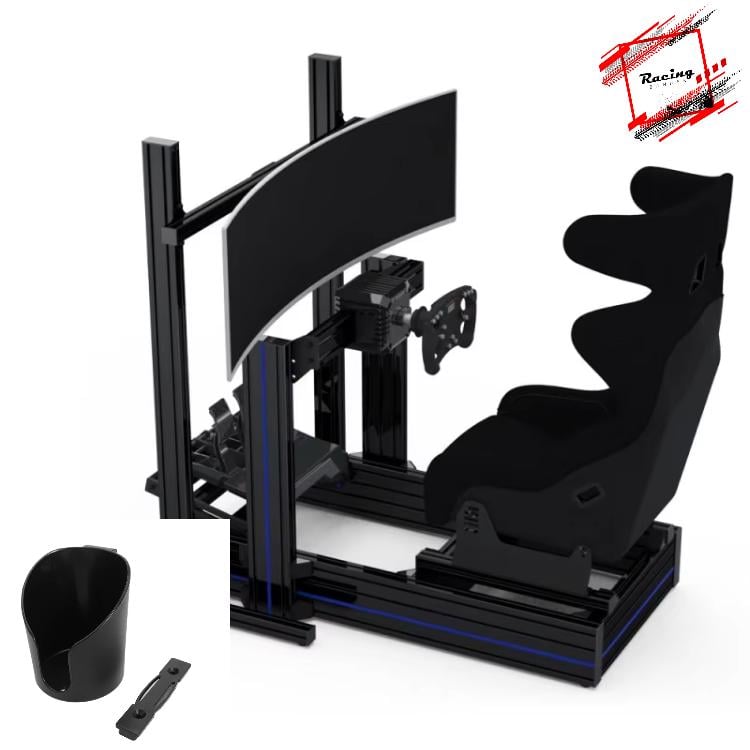
Structural design excellence depends on selecting materials that balance strength, weight, and cost-effectiveness. An Aluminum Profile has become the preferred choice across industries seeking to optimize their engineering solutions. Whether in manufacturing, construction, aerospace, or automation equipment, the precision geometry and material properties of aluminum profiles enable designers to create structures that are simultaneously lighter, stronger, and more economical than traditional alternatives.
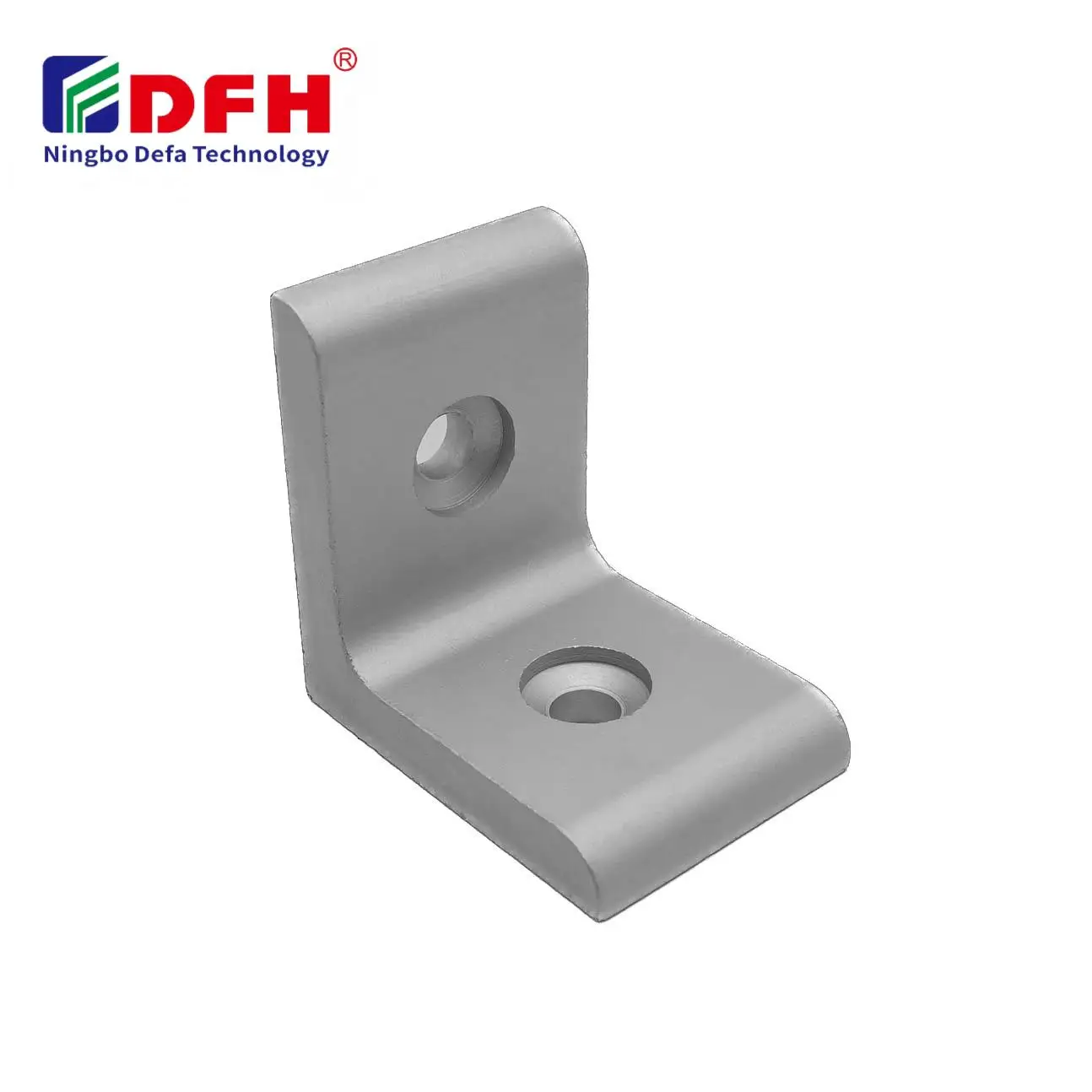
The demand for advanced structural solutions has driven innovation in aluminum frame systems and industrial aluminum extrusions, making them central to modern design practice. Engineers now recognize that the right aluminum profile selection directly impacts project timelines, manufacturing costs, and final product performance. This guide explores how aluminum profiles enhance structural design and why they have become indispensable in contemporary engineering.
Aluminum profiles deliver exceptional strength relative to their weight, a critical advantage in structural applications where material efficiency matters. Industrial aluminum extrusions can achieve high load-bearing capacity while reducing overall system weight by 60 to 70 percent compared to steel alternatives. This property makes extruded aluminum ideal for frameworks that must withstand significant forces without requiring massive material volume. The inherent strength of properly designed aluminum profiles allows engineers to span longer distances and carry heavier loads using less material, directly reducing material costs and installation effort.
Aluminum naturally forms a protective oxide layer that shields the underlying material from environmental degradation. Unlike steel, which requires ongoing maintenance and protective coatings, aluminum frame systems maintain their structural integrity in harsh conditions, including outdoor exposure, marine environments, and chemically aggressive settings. Industrial aluminum extrusions used in these applications often incorporate alloy compositions that enhance corrosion resistance without sacrificing structural performance. This durability translates to longer service life, reduced maintenance costs, and greater reliability across extended operational cycles.
The extrusion process used to manufacture aluminum profiles enables creation of complex cross-sectional geometries that would be difficult or impossible to achieve with other materials. Extruded aluminum can incorporate integrated mounting points, cable channels, and reinforcement ribs within a single component, eliminating the need for secondary machining or assembly operations. This design flexibility empowers engineers to consolidate multiple parts into single aluminum frame systems, reducing assembly time and improving structural coherence. The ability to customize profiles for specific applications means that designers are not constrained by standard inventory offerings; instead, they can optimize each component for its intended function.
Industrial aluminum extrusions accelerate the transition from design concept to production reality. The extrusion process requires relatively simple tooling compared to alternative manufacturing methods, enabling rapid prototype development and cost-effective scaling. Once an aluminum profile design is finalized, production can begin at high volumes with minimal retooling. This efficiency allows manufacturers to respond quickly to market demands and adjust production volumes without substantial capital investment. The speed and flexibility of aluminum frame systems manufacturing provide significant competitive advantages in fast-moving markets.
Modern automation systems, factory conveyor systems, and robotic frameworks depend heavily on aluminum profiles for their structural backbone. Industrial aluminum extrusions provide the precision and repeatability necessary for equipment that must operate with tight tolerances across thousands of cycles. The light weight of aluminum frame systems reduces the energy required to accelerate and decelerate moving components, improving operational efficiency and reducing wear on mechanical systems. Additionally, the ease of modification and expansion with aluminum profiles allows manufacturers to adapt existing equipment to new applications without complete redesign.
Construction projects benefit from aluminum profiles' clean aesthetics, ease of assembly, and weather resistance. Aluminum frame systems serve as structural supports, curtain wall systems, window frames, and door assemblies in both residential and commercial buildings. Extruded aluminum components can be finished to match architectural specifications, offering designers freedom in creating modern, visually appealing structures. The material's non-corrosive nature ensures that buildings maintain their appearance and structural integrity over decades, particularly in coastal regions and areas exposed to aggressive environmental conditions.
Aerospace applications demand materials that minimize weight while maintaining rigidity and reliability. Industrial aluminum extrusions meet these stringent requirements, enabling aircraft manufacturers to design structures that achieve optimal performance without excess material. The combination of strength, light weight, and proven fatigue resistance makes aluminum frame systems the standard choice in commercial aviation and aerospace engineering. Innovation in aluminum alloy composition continues to expand the performance envelope, enabling designers to tackle increasingly demanding structural challenges.
Aluminum profiles offer a superior strength-to-weight ratio compared to steel, meaning they deliver comparable load-bearing capacity using significantly less material mass. Industrial aluminum extrusions resist corrosion naturally without protective coatings, reducing maintenance costs over the structure's lifetime. Aluminum frame systems are easier and faster to assemble, lowering labor costs and enabling quicker project completion. While steel may offer slightly higher absolute strength, the overall economic and practical advantages of aluminum profiles make them preferable for most modern applications.
Extruded aluminum enables consolidation of multiple parts into single unified components, reducing assembly complexity and labor requirements. Industrial aluminum extrusions can incorporate features like mounting slots, cable channels, and reinforcement ribs during the extrusion process itself, eliminating secondary machining operations. Aluminum frame systems can be rapidly customized without extensive retooling, allowing manufacturers to adjust designs for different applications quickly. This manufacturing flexibility and speed directly reduce production costs and accelerate time-to-market for new products.
Yes, properly engineered aluminum profiles can handle demanding high-load applications through careful alloy selection and cross-sectional geometry optimization. Industrial aluminum extrusions designed with reinforced ribs, increased wall thickness, or advanced alloy compositions deliver load-bearing performance comparable to steel in many scenarios. Aluminum frame systems used in aerospace, heavy industrial machinery, and construction successfully carry significant forces across extended spans. The key to success is matching the aluminum profile specifications to the specific load requirements and environmental conditions of each application.
2026/09/30
Source aluminum profiles for versatile modular framing. Learn extrusion mechanics, strength benefits & corrosion resistance. Request details.
2026/09/30
Source aluminum profiles for construction projects. Learn structural framing, cladding & window benefits for maximum ROI. Download guide.
2026/09/30
Source optimal aluminum profile sizing techniques. Evaluate load, space, alloy, environment & cost factors to prevent deflection. Download guide.
2026/09/30
Struggling with fastener failures or rework? Master screw sizing by diameter, pitch, material, and load—plus industry-specific standards. Optimize reliability & compliance now.
2026/09/30
Source aluminum profiles for industrial engineering. Discover strength-to-weight ratios, corrosion resistance & 30% cost savings. Download guide.
2026/09/30
Source heat-resistant aluminum profile systems. Master thermal expansion science & stress management strategies for industrial builds. Download guide.