EN
EN
What is Aluminum Profile and How Does It Work?
2026/09/30
Source aluminum profiles for versatile modular framing. Learn extrusion mechanics, strength benefits & corrosion resistance. Request details.

2026/09/11
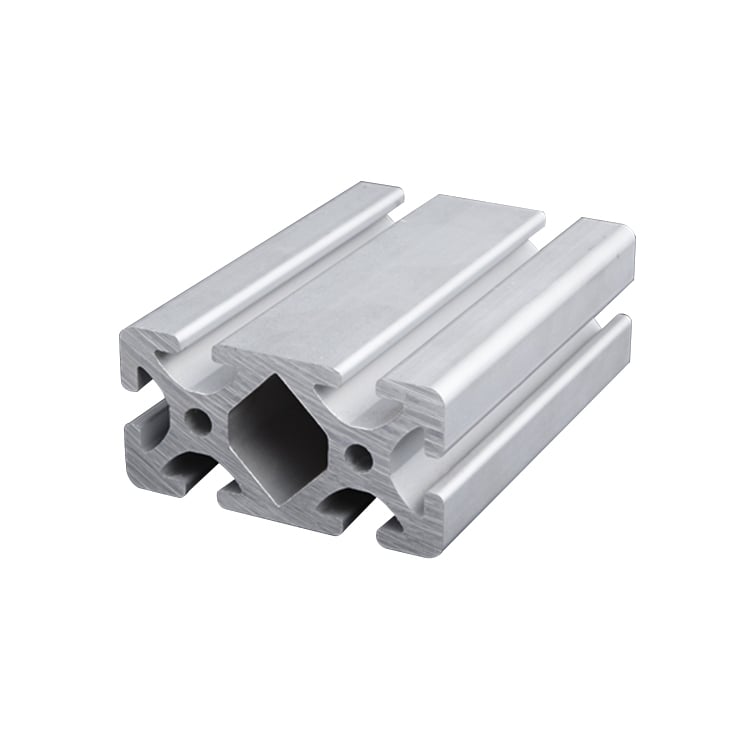
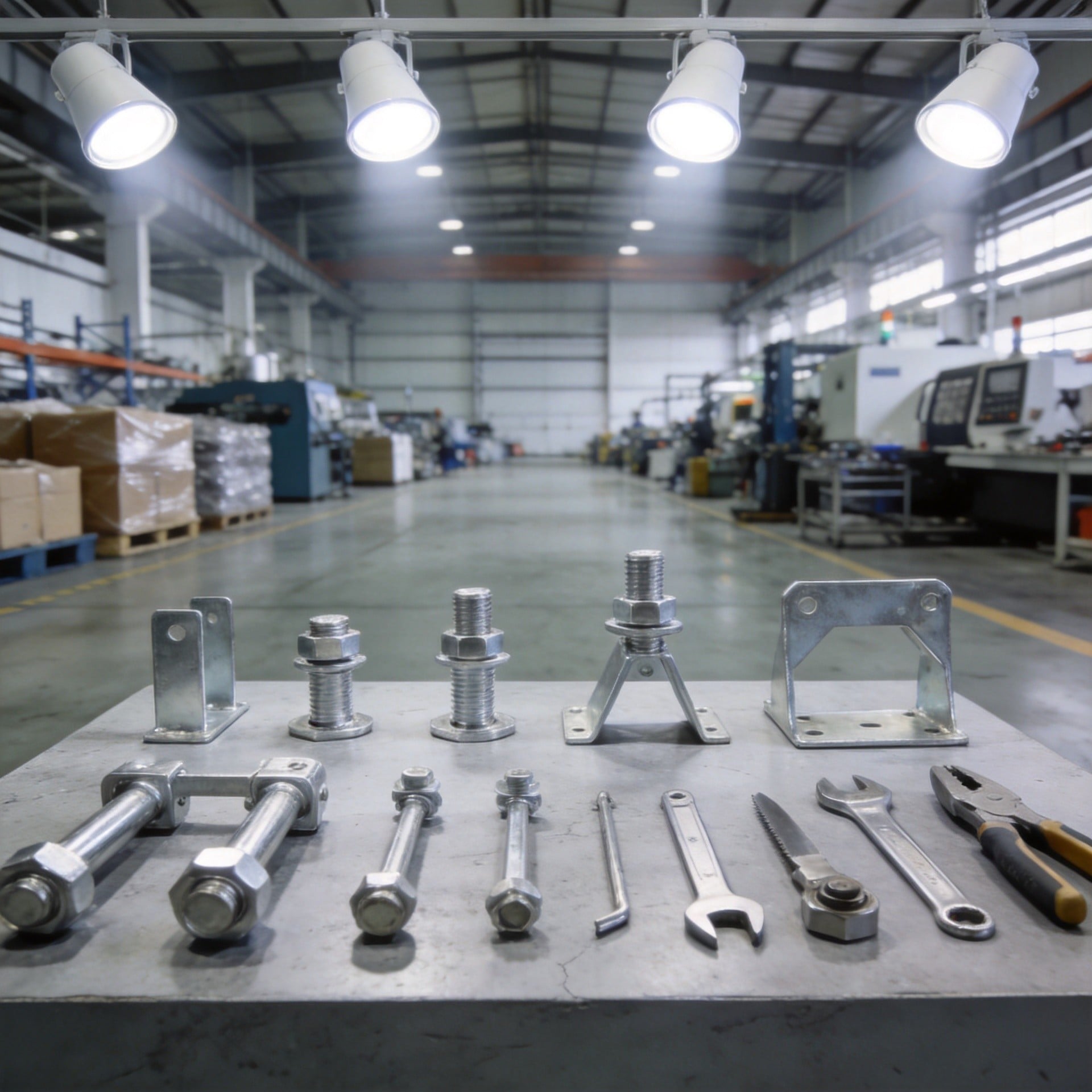
When selecting materials for industrial applications, the choice between aluminum and steel fundamentally shapes project outcomes, operational costs, and long-term performance. An Aluminum Profile offers distinct advantages over traditional steel alternatives, including superior lightweight properties, inherent corrosion resistance, and excellent machinability. Understanding these differences enables engineers, manufacturers, and procurement specialists to make informed decisions that balance performance requirements with cost efficiency and sustainability goals.
Industrial aluminum components and aluminum extrusion systems have revolutionized modern manufacturing by providing solutions that steel simply cannot match in specific applications. While steel excels in high-strength, load-bearing scenarios, aluminum structural framing delivers superior versatility, lower transportation costs, and reduced maintenance burdens. The decision between these materials depends on application requirements, environmental conditions, budget constraints, and production timelines.
Aluminum extrusion delivers approximately one-third the weight of equivalent steel components, dramatically reducing handling, transportation, and installation labor. This weight reduction translates into direct cost savings across supply chains, particularly for high-volume industrial operations requiring frequent movement or relocation. Industrial aluminum components mounted in automated systems or mobile equipment experience reduced stress on supporting structures, extending equipment lifespan and minimizing maintenance interventions.
The lightweight nature of aluminum structural framing enables faster assembly processes without sacrificing dimensional accuracy or load-bearing capacity. Manufacturing environments benefit from reduced worker fatigue, improved ergonomic conditions, and accelerated project timelines. For aerospace, automotive, and portable industrial equipment sectors, aluminum extrusion becomes the material of choice precisely because weight efficiency directly impacts operational performance and regulatory compliance.
Steel components require specialized handling equipment, multiple workers, and extended installation time due to their substantial mass. While steel's density provides inherent strength advantages, the corresponding weight penalty introduces hidden costs through increased transportation expenses, specialized lifting infrastructure, and extended labor hours. In applications demanding frequent repositioning or where structural support capacity remains limited, steel's weight becomes an operational liability rather than a performance asset.
Aluminum profiles naturally develop a protective oxide layer that shields the underlying metal from environmental degradation, eliminating the need for paint coatings, protective oils, or continuous maintenance cycles. This inherent corrosion resistance proves invaluable in coastal environments, food processing facilities, pharmaceutical manufacturing, and outdoor industrial installations where moisture exposure and aggressive chemical atmospheres accelerate traditional steel deterioration. Industrial aluminum components maintain structural integrity and aesthetic appearance across decades of service without active corrosion management.
The passive protection offered by aluminum extrusion simplifies long-term maintenance budgets and operational planning. Unlike steel, which requires periodic repainting, rust treatment, and protective coatings, aluminum structural framing operates maintenance-free in harsh environments. This advantage becomes particularly significant for remote installations, underwater equipment, salt-spray zones, and facilities where access complexity or contamination risks make regular maintenance impractical or expensive.
Steel components require continuous protective maintenance including paint systems, galvanizing coatings, or stainless steel upgrades to resist corrosion. Without active intervention, steel rapidly oxidizes in humid, saline, or chemically aggressive environments, compromising structural integrity and requiring costly replacement cycles. Maintenance programs for steel installations consume significant operational budgets while introducing downtime risks and production interruptions.
While aluminum extrusion typically carries higher per-unit material costs than basic steel, the total economic calculation favors aluminum when considering transportation efficiency, assembly labor reduction, maintenance elimination, and extended service life. Industrial aluminum components eliminate painting expenses, rust remediation costs, and associated downtime expenses that accumulate throughout the product lifecycle. For applications spanning ten to thirty years, aluminum structural framing delivers superior cost performance despite initial price premiums.
Aluminum profile systems enable rapid prototyping and design modifications because extrusion processes permit cost-effective customization without tooling charges comparable to steel manufacturing. This manufacturing flexibility reduces redesign expenses and accelerates time-to-market for innovative solutions. Energy efficiency gains during transportation and installation further reduce operational carbon footprints and contribute to sustainability-focused procurement objectives that increasingly influence purchasing decisions.
Steel offers lower raw material pricing for standard stock items and excellent availability through established supplier networks. However, these upfront savings diminish when factoring ongoing maintenance, protective coatings, periodic replacements necessitated by corrosion, and specialized handling infrastructure. Industrial applications demanding long service intervals in challenging environments frequently discover that steel's apparent cost advantage evaporates once complete lifecycle expenses receive proper accounting.
Aluminum profiles excel in lightweight structural applications, portable equipment, aerospace components, food processing machinery, outdoor installations, and systems requiring frequent reconfiguration. Applications emphasizing rapid assembly, minimal maintenance, corrosion resistance in harsh environments, and transportation efficiency consistently demonstrate superior performance with aluminum extrusion compared to steel alternatives. Industrial aluminum components particularly benefit applications in marine environments, coastal facilities, and chemical processing where corrosion prevention justifies material premiums.
Steel typically provides greater absolute strength and load-bearing capacity per unit volume, making it superior for heavy industrial structures and ultra-high-load applications. However, aluminum structural framing delivers excellent strength-to-weight ratios through advanced alloy compositions and strategic cross-sectional design. For most industrial applications, aluminum extrusion provides sufficient strength while delivering weight, cost, and maintenance advantages that make steel unnecessary. Engineers select between materials based on specific load requirements rather than assuming steel automatically provides better performance.
Retrofit conversions from steel to aluminum profiles are frequently feasible when structural analysis confirms that aluminum extrusion provides adequate load capacity for application requirements. The process typically requires engineering evaluation, dimensional verification, and load-testing validation before implementation. Industrial aluminum components successfully replace steel in many existing applications, delivering immediate benefits including weight reduction, maintenance elimination, and improved ergonomic conditions. However, specialized high-strength applications or critical load-bearing scenarios may require retaining steel or implementing hybrid solutions combining both materials strategically.
2026/09/30
Source aluminum profiles for versatile modular framing. Learn extrusion mechanics, strength benefits & corrosion resistance. Request details.
2026/09/30
Source aluminum profiles for construction projects. Learn structural framing, cladding & window benefits for maximum ROI. Download guide.
2026/09/30
Source optimal aluminum profile sizing techniques. Evaluate load, space, alloy, environment & cost factors to prevent deflection. Download guide.
2026/09/30
Struggling with fastener failures or rework? Master screw sizing by diameter, pitch, material, and load—plus industry-specific standards. Optimize reliability & compliance now.
2026/09/30
Source aluminum profiles for industrial engineering. Discover strength-to-weight ratios, corrosion resistance & 30% cost savings. Download guide.
2026/09/30
Source heat-resistant aluminum profile systems. Master thermal expansion science & stress management strategies for industrial builds. Download guide.