EN
EN
What is Aluminum Profile and How Does It Work?
2026/09/30
Source aluminum profiles for versatile modular framing. Learn extrusion mechanics, strength benefits & corrosion resistance. Request details.

2026/09/11
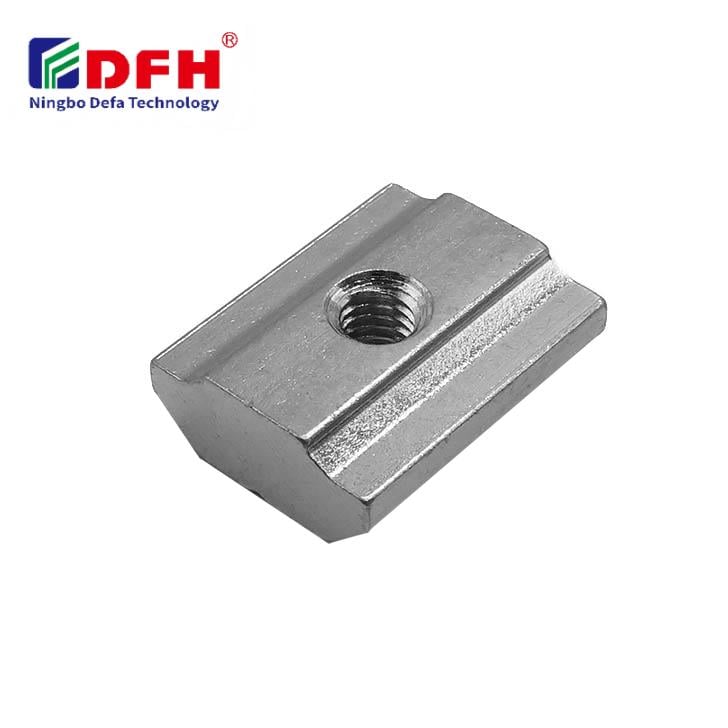
The question of whether a T Nut can be reused after removal is common in industrial assembly, manufacturing, and modular construction applications. T-slot nuts are critical fastening hardware components that secure bolts within T-shaped slots found on aluminum profiles, machinery frames, and workbenches. Understanding their reusability directly impacts maintenance costs, assembly efficiency, and material waste in production environments.
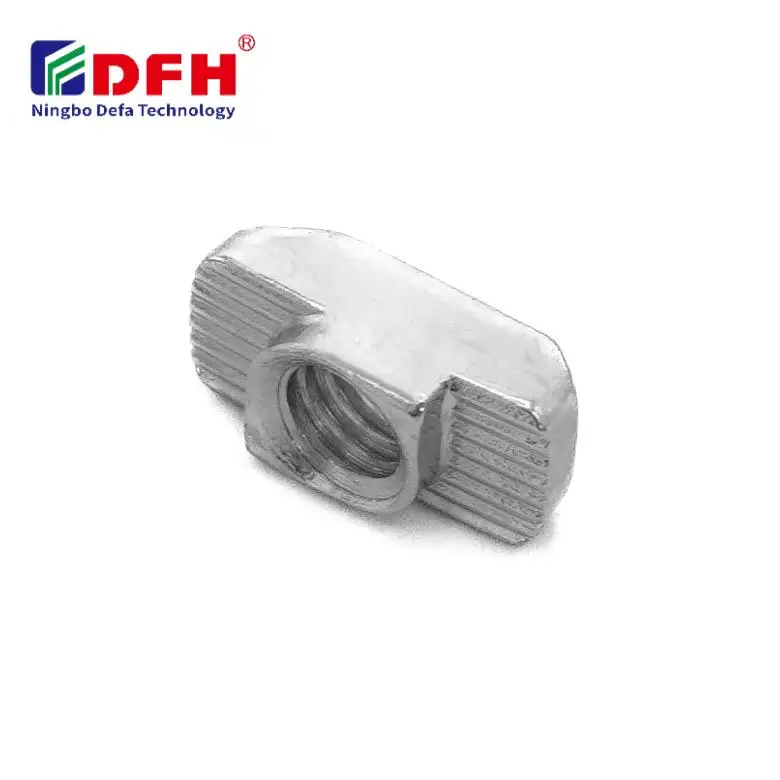
The reusability of T-slot nuts depends on several critical factors including material composition, removal method, wear patterns, and design specifications. Most standard threaded insert designs can be reused multiple times if handled correctly during removal and storage. However, repeated use introduces cumulative wear that eventually compromises the functional integrity of the fastening hardware, requiring replacement for safety-critical applications.
The material from which your T-slot nut is manufactured significantly influences its reusability potential. Cast steel T nuts generally tolerate more reuse cycles than softer aluminum or zinc-alloy variants. A high-quality threaded insert manufactured from hardened steel can withstand repeated insertion and removal without substantial deformation. Lower-grade fastening hardware made from softer metals may develop wear patterns, thread stripping, or surface damage after just two to three removal cycles.
The internal thread design of the T-slot nut also matters considerably. Precision-cut threads in a robust threaded insert resist stripping better than cast or molded threads. Industrial-grade T nuts designed to DIN or ISO standards typically offer superior reusability compared to commodity-grade alternatives. Investing in quality fastening hardware from the outset reduces long-term replacement costs despite higher initial expense.
How you remove the T Nut directly affects its ability to be reused successfully. Careful, controlled extraction using appropriate tools preserves the integrity of the threaded insert far better than forceful or improvised removal methods. Using a properly sized wrench and applying steady, even pressure minimizes stress on the fastening hardware structure. Conversely, overtightening before removal, using incorrect tool sizes, or applying sudden jarring forces can permanently damage internal threads and deform the nut body.
Storage conditions following removal also determine whether a T-slot nut remains suitable for reuse. Exposure to moisture, salt spray, extreme temperature fluctuations, or corrosive chemicals degrades the threaded insert gradually. Storing removed T nuts in dry, temperature-controlled environments with protective coatings extends their functional life significantly. Proper handling practices transform reusable fastening hardware into truly reliable components for recurring assembly applications.
T-slot nuts prove most effective for reuse in applications where fastening hardware experiences moderate, predictable loading conditions. Modular workbench systems, laboratory equipment, and prototype manufacturing setups commonly benefit from T Nut reusability. These applications involve frequent assembly and disassembly without extreme mechanical stress, vibration, or temperature cycling. A threaded insert that remains clean and properly lubricated can serve reliably through ten or more reuse cycles in such gentle environments.
Industries using standardized aluminum profile systems leverage T-slot nut reusability as a core economic advantage. Manufacturers repeatedly reconfigure production lines, adjust fixture positions, and modify workholding setups using the same fastening hardware across multiple seasons. When a T Nut has been removed and stored correctly, it functions identically to a brand-new component in these applications, making reuse economically sensible and environmentally responsible.
Certain industrial contexts demand replacement of threaded insert components regardless of apparent condition. Aerospace, medical device manufacturing, and heavy-duty structural applications require fastening hardware that meets zero-defect standards. Regulatory compliance in these sectors often prohibits reusing critical fasteners without destructive testing or formal recertification. A T-slot nut previously removed from service, even if visually undamaged, may not meet traceability documentation required in highly regulated industries.
High-vibration machinery, dynamic loading scenarios, and extreme temperature environments accelerate wear on threaded insert designs. Each removal cycle leaves microscopic surface damage and work-hardens the metal gradually. When a T Nut operates in these harsh conditions repeatedly, material fatigue and thread deterioration occur faster than in controlled environments. After three to five removal cycles in aggressive applications, the fastening hardware should be inspected by qualified personnel or replaced preventatively to avoid unexpected failures.
Before deciding whether to reuse a T Nut, conduct a thorough visual inspection of the threaded insert. Look for visible deformation, thread stripping, corrosion, or discoloration indicating chemical exposure. Attempt to thread a matching bolt slowly by hand; excessive resistance or binding suggests internal thread damage. Inspect the T-slot engagement surface for dents, bending, or deformation. These signs indicate the fastening hardware should be replaced rather than reused.
Perform a functional test by installing the T-slot nut into its T-slot profile and securing a bolt under moderate tension. Observe whether the assembly holds securely and the bolt maintains consistent clamping force. If the T Nut rotates excessively, allows the bolt to loosen under normal vibration, or exhibits unusual play, the threaded insert has likely exceeded safe reuse limits. Document inspection results for critical applications requiring traceability of all fastening hardware changes.
Evaluate the economic logic of reusing a T Nut against purchasing replacement fastening hardware. For commodity applications where thousands of identical T-slot nuts circulate through production systems, the per-unit replacement cost often justifies routine replacement over risky reuse of questionable components. Conversely, specialized or oversized T nuts designed for specific machinery justify careful reuse assessment when removal occurs for maintenance or reconfiguration.
Establish internal standards defining maximum reuse cycles based on application severity and your organization's risk tolerance. Many manufacturers set conservative limits such as three reuses for general industrial fastening hardware and one use only for critical safety applications. Transparent reuse policies reduce confusion during assembly, improve quality control, and demonstrate responsible fastening hardware management to auditors and customers.
A high-quality T-slot nut manufactured from hardened steel can generally withstand three to five removal and reinstallation cycles without degradation if removed carefully and stored properly. However, the actual number depends on application intensity, material composition, and the specific threaded insert design. Gentle applications like laboratory setups may allow ten or more cycles, while harsh industrial environments with vibration and extreme temperatures may limit reuse to two cycles. Always inspect before reuse and establish documented policies for your specific operational context.
T nuts become unusable primarily through thread stripping, internal deformation, surface corrosion, and metal fatigue. Forceful removal using incorrect tools, overtightening before extraction, and exposure to harsh environmental conditions accelerate this degradation. Repeated insertion into T-slots with accumulated dirt or burrs also damages the threaded insert gradually. Metal fatigue from cyclic loading in high-vibration applications creates microscopic cracks that compromise the fastening hardware integrity beyond safe operating limits.
The decision depends on your application requirements, regulatory compliance obligations, and cost structure. Modular assembly systems and low-stress applications justify careful reuse of quality fastening hardware as both economical and environmentally responsible. Aerospace, medical, and regulated industries typically mandate replacement for traceability and liability reasons. Establish clear internal guidelines defining reuse limits for different application categories, document all threaded insert changes, and prioritize safety over short-term cost savings in critical applications.
2026/09/30
Source aluminum profiles for versatile modular framing. Learn extrusion mechanics, strength benefits & corrosion resistance. Request details.
2026/09/30
Source aluminum profiles for construction projects. Learn structural framing, cladding & window benefits for maximum ROI. Download guide.
2026/09/30
Source optimal aluminum profile sizing techniques. Evaluate load, space, alloy, environment & cost factors to prevent deflection. Download guide.
2026/09/30
Struggling with fastener failures or rework? Master screw sizing by diameter, pitch, material, and load—plus industry-specific standards. Optimize reliability & compliance now.
2026/09/30
Source aluminum profiles for industrial engineering. Discover strength-to-weight ratios, corrosion resistance & 30% cost savings. Download guide.
2026/09/30
Source heat-resistant aluminum profile systems. Master thermal expansion science & stress management strategies for industrial builds. Download guide.