EN
EN
What is Aluminum Profile and How Does It Work?
2026/09/30
Source aluminum profiles for versatile modular framing. Learn extrusion mechanics, strength benefits & corrosion resistance. Request details.

2026/09/28
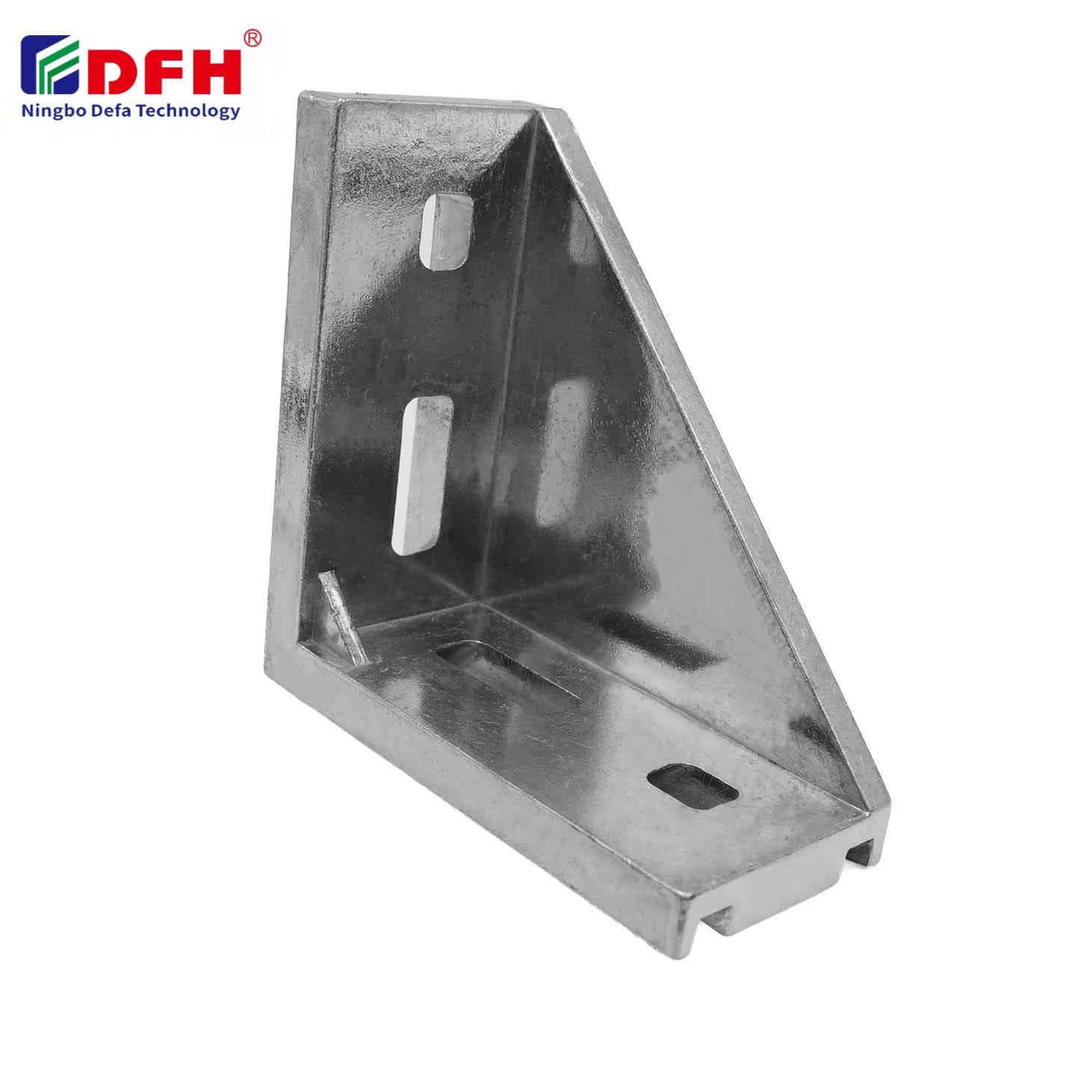
Vibration is one of the most challenging operational stressors in industrial environments, and equipment failure under cyclic loading can result in costly downtime and safety hazards. Plate connectors have emerged as a critical component in applications where vibration resilience is non-negotiable. Understanding whether these structural fastening solutions can truly perform under extreme vibrational stress is essential for engineers, procurement specialists, and facility managers tasked with selecting durable connection systems.
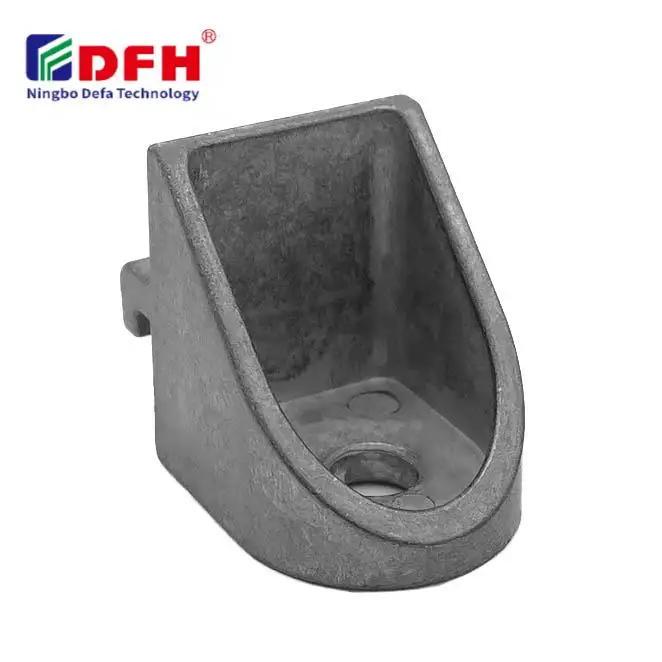
The short answer is yes—when properly engineered, plate connectors can withstand vibration applications. However, their performance depends on material selection, design geometry, installation methodology, and the specific frequency and amplitude characteristics of the vibration environment. Modern modular connection systems combine precision manufacturing with advanced material science to ensure reliable performance across demanding industrial sectors including aerospace, automotive, manufacturing, and infrastructure.
The material grade of plate connectors directly influences their vibration resistance and fatigue durability. High-strength steel grades, including galvanized variants, provide superior fatigue resistance compared to lower-grade alternatives. Load-bearing junction components manufactured from medium-carbon steel or alloy steel exhibit better cyclic loading tolerance, as these materials possess inherent crystalline structures that resist microcracking under repeated stress cycles.
Galvanized plate connectors offer dual advantages: corrosion protection and maintained mechanical properties under environmental exposure. The zinc coating prevents surface degradation that could initiate fatigue cracks, while the underlying steel retains tensile strength and elasticity needed for vibration absorption. Structural fastening solutions utilizing premium grades meet or exceed ISO standards, ensuring consistency across batches and predictable performance in field applications.
Surface treatment processes significantly affect how plate connectors respond to repetitive vibration. Electroplating, hot-dip galvanizing, and advanced coating systems create protective barriers that reduce stress concentration points where cracks typically initiate. Modular connection systems with refined surface finishes experience 15 to 30 percent longer fatigue life compared to untreated equivalents, particularly in corrosive or moisture-rich environments.
Effective plate connectors distribute vibrational forces across multiple load paths rather than concentrating stress at single points. Modern structural fastening solutions employ rounded corners, graduated thickness profiles, and optimized hole positioning to minimize stress concentration factors. Load-bearing junction components designed with these principles maintain structural integrity even when subjected to high-frequency or high-amplitude vibration.
Finite element analysis and computational modeling have revolutionized plate connector design, allowing engineers to predict vibration response before manufacturing. Modular connection systems can now be pre-tested virtually under specified vibration profiles, ensuring that selected designs match the actual operating conditions. This engineering rigor eliminates guesswork and reduces field failures substantially.
The relationship between plate connectors and their fastening hardware determines overall system resilience. Structural fastening solutions must maintain consistent clamping force throughout equipment life, as vibration gradually loosens mechanical joints. Load-bearing junction components paired with spring washers, nylon-insert lock nuts, or medium-strength threadlocker compounds experience significantly improved performance compared to standard bolted assemblies.
Proper torque application and preload management are critical in vibration-prone applications. When plate connectors are correctly fastened with appropriate torque specifications, they form rigid assemblies that move as unified structures rather than loose components. This unity is essential for transmitting vibrational energy safely through the connection without generating micro-movements that accelerate wear.
Plate connectors perform optimally within specific vibration ranges. Low-frequency vibration (under 50 Hz) typically poses less risk than resonant frequencies that match the natural frequencies of the connector assembly. Modular connection systems designed for particular machinery understand these resonance characteristics and incorporate damping features or mass distribution to avoid amplification.
Load-bearing junction components rated for high-amplitude vibration (exceeding 2 G acceleration) require structural fastening solutions with enhanced rigidity. These components often incorporate reinforced geometry, thicker cross-sections, or auxiliary bracing to absorb and dissipate energy effectively. Manufacturers providing modular connection systems typically specify maximum vibrational parameters—peak acceleration, frequency range, and expected operating duration—allowing users to verify compatibility.
Superior materials and design mean little if plate connectors are improperly installed or neglected during service. Structural fastening solutions demand correct assembly sequences: surface preparation, proper torque application, and verification that all fasteners achieve intended preload. Load-bearing junction components benefit from periodic inspection routines that identify loosening before catastrophic failure occurs.
Preventive maintenance extends the life of modular connection systems significantly. Regular torque verification, visual inspection for cracks or deformation, and replacement of worn or corroded fasteners keep plate connectors functioning reliably. Environmental factors—moisture, temperature cycling, corrosive atmospheres—accelerate degradation, making maintenance schedules even more critical in harsh conditions.
Most industrial-grade plate connectors perform reliably across 5 to 500 Hz, though specific limits depend on material grade, design geometry, and fastening method. Structural fastening solutions engineered for particular applications may operate safely beyond these ranges, but manufacturers must verify compatibility through testing or analysis. Resonant frequencies within the operating range require special attention, as modular connection systems can experience amplified motion if frequency matches natural vibration modes.
Both plate connectors and welded connections can withstand vibration, but they excel in different scenarios. Bolted plate connectors offer modularity and easier maintenance, while welded assemblies provide permanent rigidity with no risk of fastener loosening. Load-bearing junction components using structural fastening solutions with proper preload can match or exceed the fatigue performance of welds, particularly when combined with modern locking fasteners or damping treatments.
Modular connection systems in high-vibration applications benefit from torque verification every 3 to 6 months during initial operation, then annually thereafter once stability is confirmed. Structural fastening solutions should be visually inspected for cracks, corrosion, or loosening before each major operating cycle. In extreme vibration environments or critical safety applications, load-bearing junction components warrant quarterly or even monthly inspection protocols to ensure continued reliability.
2026/09/30
Source aluminum profiles for versatile modular framing. Learn extrusion mechanics, strength benefits & corrosion resistance. Request details.
2026/09/30
Source aluminum profiles for construction projects. Learn structural framing, cladding & window benefits for maximum ROI. Download guide.
2026/09/30
Source optimal aluminum profile sizing techniques. Evaluate load, space, alloy, environment & cost factors to prevent deflection. Download guide.
2026/09/30
Struggling with fastener failures or rework? Master screw sizing by diameter, pitch, material, and load—plus industry-specific standards. Optimize reliability & compliance now.
2026/09/30
Source aluminum profiles for industrial engineering. Discover strength-to-weight ratios, corrosion resistance & 30% cost savings. Download guide.
2026/09/30
Source heat-resistant aluminum profile systems. Master thermal expansion science & stress management strategies for industrial builds. Download guide.