EN
EN
What is Aluminum Profile and How Does It Work?
2026/09/30
Source aluminum profiles for versatile modular framing. Learn extrusion mechanics, strength benefits & corrosion resistance. Request details.

2026/09/29
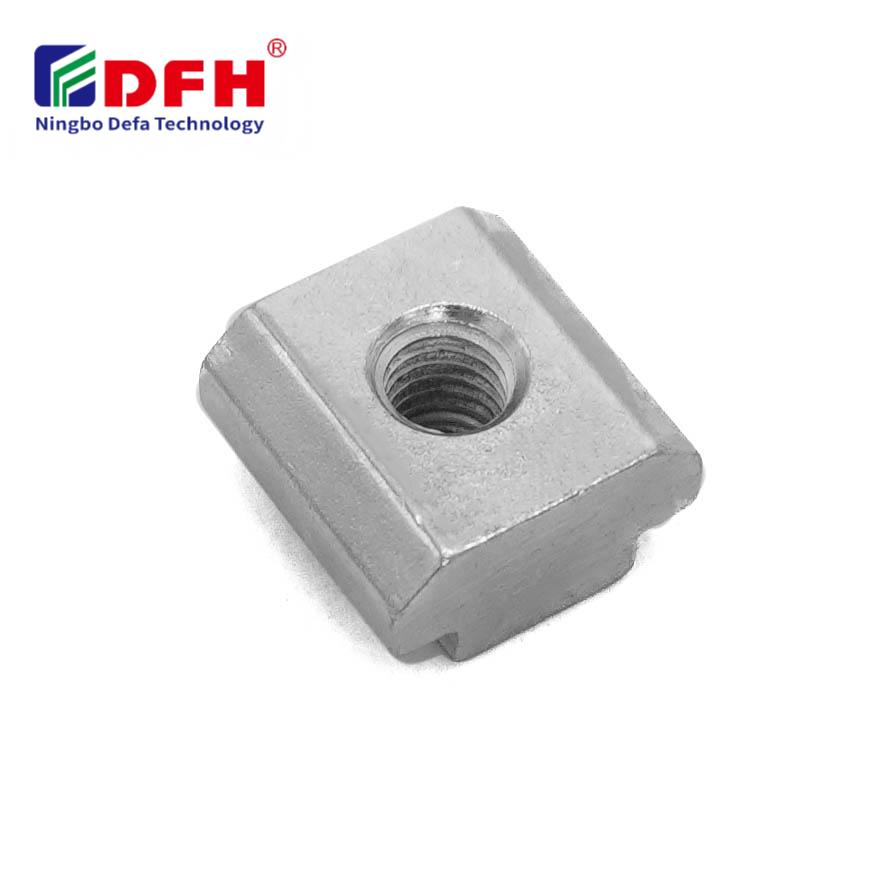
High vibration environments present one of the most challenging operational conditions for industrial fastening and structural connections. The question of whether Plate Connectors can handle high vibration is not simply answered with a yes or no. Instead, the answer depends on the design specifications, material properties, installation methodology, and the precise vibration profile of your application. Vibration-induced stress can cause fastener loosening, metal fatigue, and premature failure if the connection system is not engineered for those demands. Understanding how modern structural fastening solutions perform under cyclic loading and oscillatory forces is essential for engineers, maintenance professionals, and procurement teams working in aerospace, automotive, industrial machinery, and renewable energy sectors.
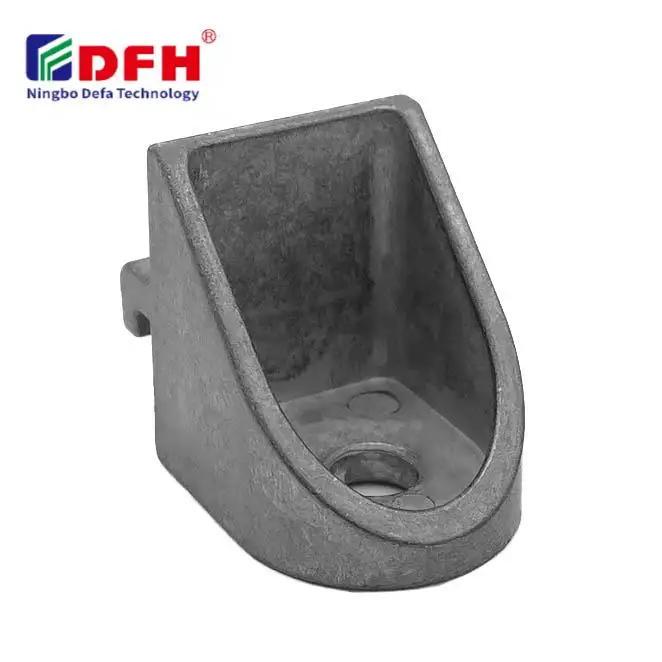
The capability of plate connectors to withstand vibration depends largely on how the load-bearing junction components are manufactured, secured, and maintained. Modular connection systems designed with vibration resistance in mind incorporate specific features such as lock washers, thread-locking compounds, pre-tensioning protocols, and precision alignment tolerances. Modern plate connectors used in structural fastening solutions are engineered to distribute vibratory forces across a larger contact area, reducing stress concentration and preventing the loosening mechanisms that traditionally compromise connection integrity. This article explores the vibration performance characteristics of contemporary plate connectors, the engineering factors that influence their reliability, practical installation best practices, and real-world application scenarios where these components excel or require supplementary design measures.
Plate connectors excel in cyclic loading environments when engineered specifically for vibration resistance. The fundamental principle is that a well-designed plate connector distributes incoming vibratory forces across multiple connection points simultaneously, rather than concentrating stress on a single fastener. Load-bearing junction components manufactured from high-grade materials with consistent metallurgical properties demonstrate superior fatigue resistance compared to lower-grade alternatives. Modern structural fastening solutions incorporate surface treatments such as galvanizing, shot peening, or specialized coatings that enhance the fatigue strength of the base material by reducing surface defects and stress initiation sites. When vibration frequencies align with the natural resonance of the plate connector assembly, the system can amplify oscillations unless the connection possesses sufficient damping characteristics or geometric stiffness to absorb energy.
The material composition of plate connectors directly impacts vibration performance. Modular connection systems utilizing high-strength steel, stainless steel, or specialized alloys demonstrate vastly different vibration endurance profiles compared to cast iron or lower-grade materials. Fatigue strength—the maximum stress a material can withstand indefinitely under cyclic loading—is typically 30–50% lower than the ultimate tensile strength. Plate connectors manufactured from materials with high fatigue strength ratios maintain connection integrity across millions of vibration cycles without permanent deformation or crack initiation. Surface finish quality is equally important; any microscopic scratches, inclusions, or manufacturing defects serve as stress concentration points where cracks preferentially initiate under vibration. Advanced load-bearing junction components undergo rigorous quality control testing including ultrasonic inspection, magnetic particle inspection, and tensile verification to ensure material consistency and eliminate defective units before deployment.
Proper preload application is the single most critical factor determining whether plate connectors can successfully handle high vibration. When fasteners are tightened to the correct preload specification, the clamp force creates a friction bond that resists relative movement between connected components. Under vibration, this preloaded condition is constantly tested as cyclic stresses attempt to separate the connection. Thread-locking compounds, lock washers, and deformed-thread fasteners are integral components of modern structural fastening solutions specifically designed to maintain preload in oscillatory environments. Plate connectors secured with elastic lock washers or chemically-bonded thread-locking agents demonstrate significantly lower self-loosening rates compared to conventionally fastened connections. Many industrial applications require verification of preload after initial startup—a practice called pre-vibration tightening inspection—to confirm that fasteners have not slipped during the critical startup period when transient vibrations often peak.
The geometric configuration of modular connection systems fundamentally influences vibration performance. Plate connectors designed with larger contact areas, multiple fastening points, and optimized stress distribution patterns outperform simpler single-point or two-point connection designs under high vibration. The moment arm—the distance from the load application point to the connection center—must be minimized through design to reduce bending stresses that are particularly damaging under cyclic loading. Load-bearing junction components featuring chamfered edges, smoothly radiused transitions, and eliminated sharp corners reduce stress concentration factors and improve fatigue life. Some advanced plate connector designs incorporate compliance features such as elastomeric elements or spring elements that absorb vibratory energy before it reaches the fasteners, thereby extending component life. Finite element analysis (FEA) and computational stress analysis are now standard engineering practices that allow manufacturers to optimize plate connector geometry specifically for anticipated vibration profiles before prototyping begins.
Installation quality directly determines whether plate connectors will maintain structural integrity under vibration. Structural fastening solutions require installation with calibrated torque wrenches—never impact tools or hand-tightening—to achieve the precise preload specification necessary for vibration resistance. Fastener cleanliness is equally essential; contamination, debris, or corrosion on mating surfaces reduces the actual contact area and compromises the clamp force. Each fastener in modular connection systems should be tightened in a specific sequence, typically alternating or radiating from a center point, to ensure even load distribution and prevent uneven preload across the plate connector. Documentation of installation parameters, including torque values, sequence photographs, and post-tightening verification measurements, provides a baseline for future maintenance and troubleshooting. Many organizations implement mandatory vibration inspection protocols 24–48 hours after initial startup to verify that plate connectors have not loosened during the transient response phase when vibration amplitudes often peak.
Long-term vibration performance of plate connectors depends on systematic inspection and preventive maintenance programs. Thermographic imaging can detect loose fasteners by identifying localized heat generation at poorly-fastened connections—a non-destructive method increasingly deployed in rotating machinery and structural health monitoring systems. Regular visual inspections should confirm that fastener heads remain flush against the plate connector surface and show no signs of rotation, corrosion, or oxidation. Load-bearing junction components should be re-torqued at manufacturer-recommended intervals, particularly after the initial operational period when creep relaxation and material accommodation typically occur. Vibration severity measurements using accelerometers provide objective data on whether vibration levels remain within design specifications; unexpected increases in vibration amplitude often signal connector degradation before catastrophic failure occurs. Replacement schedules for safety-critical applications should be predetermined rather than run-to-failure approaches, ensuring that plate connectors are retired before fatigue cracks develop.
Standard plate connectors typically handle vibration frequencies from 0 Hz (static) to approximately 20 kHz, though performance degrades significantly in the 1–10 kHz range where material resonances often occur. Modular connection systems designed for aerospace or automotive applications are engineered to accommodate the specific frequency profiles of those industries, typically 10–500 Hz for most ground vehicles and slightly higher for rotating machinery. The actual limit depends on preload maintenance, material fatigue strength, and geometric design rather than a fixed frequency threshold. Load-bearing junction components should always be specified based on the actual measured or predicted vibration profile of the application rather than generic frequency ranges.
Temperature significantly influences plate connector performance under vibration because material properties change with thermal cycling. Elevated temperatures reduce material yield strength and fatigue strength, while thermal cycling induces expansion and contraction that periodically relieves and reapplies preload in structural fastening solutions. Preload relaxation increases at elevated temperatures as the fastener material creeps slightly over time. Cold temperatures reduce ductility and increase brittleness, which can accelerate crack propagation in plate connectors already stressed by vibration. Design engineers must verify plate connector specifications across the full operational temperature range, often using accelerated thermal cycling tests combined with vibration loading to simulate real-world conditions and confirm reliability.
Load-bearing junction components should be replaced based on manufacturer fatigue life predictions, cumulative vibration exposure records, or upon detection of visible damage such as cracks, permanent deformation, or corrosion. Many industries establish replacement intervals of 3–5 years for critical plate connectors in high-vibration environments, though this varies significantly by application severity and monitoring data. Non-destructive testing methods such as ultrasonic or magnetic particle inspection can detect developing fatigue cracks before complete failure, allowing planned replacement during scheduled maintenance windows rather than emergency repairs. Safety-critical applications typically mandate replacement before predicted fatigue limits are reached, ensuring maximum reliability margin.
2026/09/30
Source aluminum profiles for versatile modular framing. Learn extrusion mechanics, strength benefits & corrosion resistance. Request details.
2026/09/30
Source aluminum profiles for construction projects. Learn structural framing, cladding & window benefits for maximum ROI. Download guide.
2026/09/30
Source optimal aluminum profile sizing techniques. Evaluate load, space, alloy, environment & cost factors to prevent deflection. Download guide.
2026/09/30
Struggling with fastener failures or rework? Master screw sizing by diameter, pitch, material, and load—plus industry-specific standards. Optimize reliability & compliance now.
2026/09/30
Source aluminum profiles for industrial engineering. Discover strength-to-weight ratios, corrosion resistance & 30% cost savings. Download guide.
2026/09/30
Source heat-resistant aluminum profile systems. Master thermal expansion science & stress management strategies for industrial builds. Download guide.