EN
EN
What is Aluminum Profile and How Does It Work?
2026/09/30
Source aluminum profiles for versatile modular framing. Learn extrusion mechanics, strength benefits & corrosion resistance. Request details.
2026/09/18
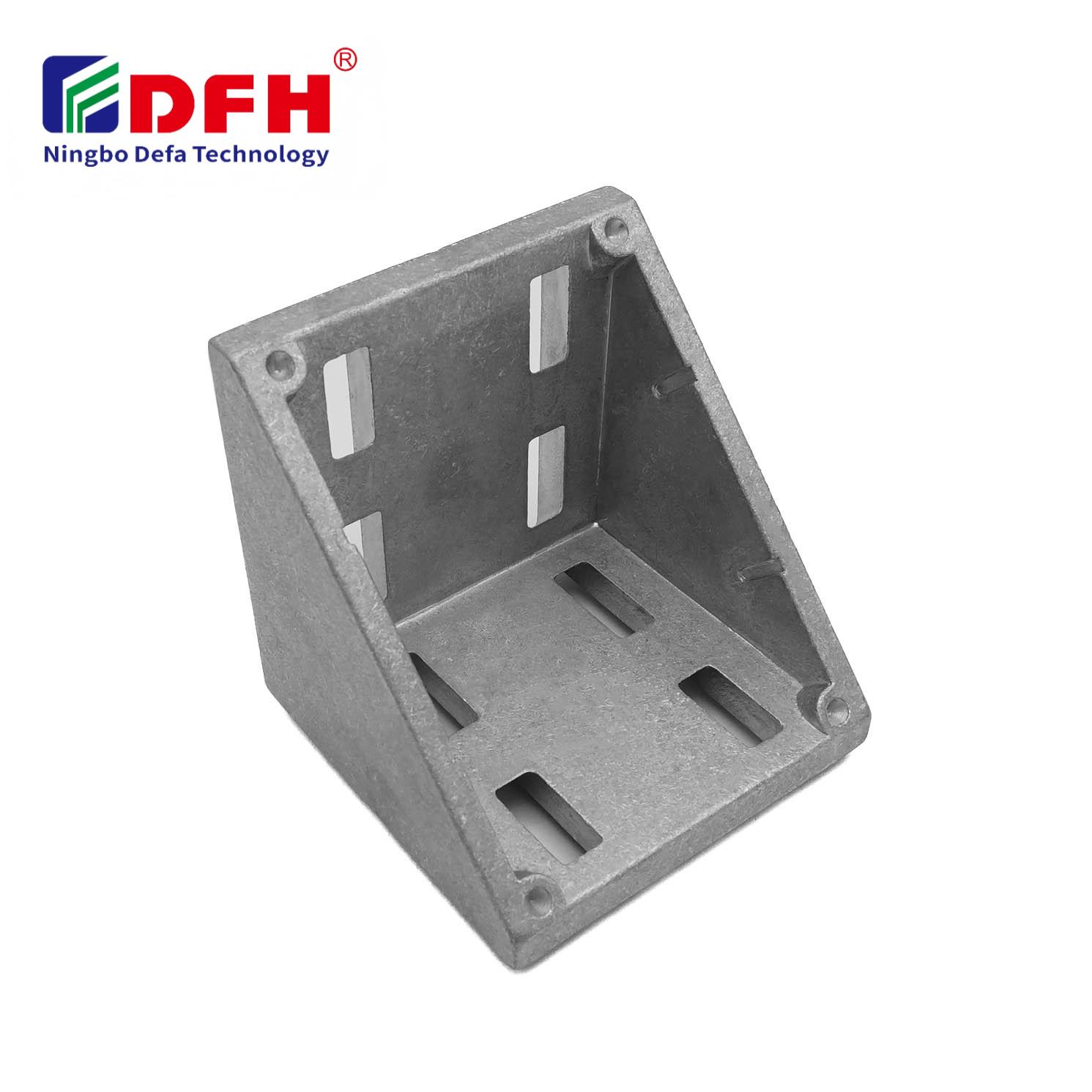
High vibration environments present significant engineering challenges across industrial manufacturing, automotive assembly, and heavy machinery applications. The question of whether Inner Connectors can reliably handle these demanding conditions has become increasingly critical for engineers designing robust structural systems. Modern manufacturing requires fastening solutions that maintain integrity under continuous or intermittent shock loads, thermal cycling, and mechanical stress.
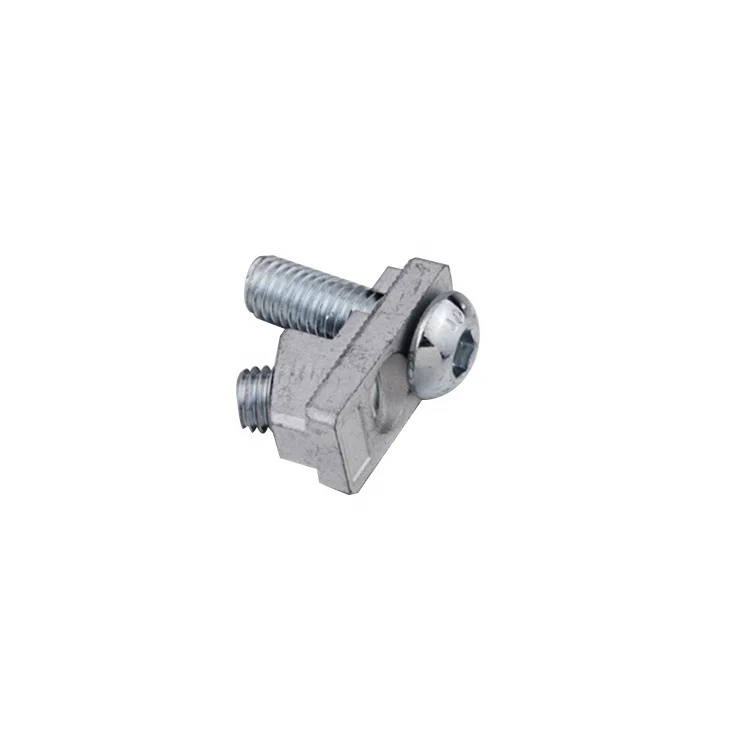
Inner Connectors have evolved significantly in recent decades, transitioning from basic fastening components to sophisticated internal fasteners engineered for extreme performance. Understanding their vibrational tolerance requires examining material composition, design geometry, installation methodology, and real-world performance data across diverse industrial sectors.
The foundation of vibration resistance lies in material selection for internal fasteners. Modern Inner Connectors utilize high-grade steel alloys, typically featuring tensile strengths exceeding 900 MPa, which provide exceptional resistance to fatigue fracture under cyclical loading. These materials undergo rigorous heat treatment processes, including tempering and stress-relief cycles, to eliminate residual manufacturing stresses that could accumulate under vibrational forces.
Powder metallurgy techniques increasingly produce premium internal fasteners with superior microstructural uniformity compared to traditional forging methods. This enhanced consistency directly correlates with improved vibration damping characteristics and reduced micro-slip at connection interfaces. The resulting material structure exhibits superior fatigue resistance, a critical attribute for Profile Connection Systems exposed to repetitive mechanical shock.
Surface treatments applied to Inner Connectors significantly influence their long-term performance under vibrational stress. Electroplating, chemical coating, and specialized anti-corrosion layers protect the fastener core while maintaining precise geometric tolerances essential for vibration stability. Slot Mounting Hardware benefits particularly from these treatments, as corrosion-induced dimensional changes compromise the tight tolerances required for reliable connection integrity.
Specialized coatings reduce friction at the connection interface, paradoxically improving vibration performance by distributing loads more uniformly across the fastened assembly. This controlled friction prevents self-loosening mechanisms that commonly emerge under high-frequency vibration scenarios, ensuring that internal fasteners maintain their clamping force throughout the equipment lifecycle.
The geometric design of Inner Connectors directly determines their vibrational behavior within Profile Connection Systems. Modern thread profiles incorporate helical geometry optimized to resist rotational loosening while distributing stress concentrations across larger surface areas. Metric thread standards, particularly M6 through M16 specifications, balance sufficient clamping force with manageable installation torque requirements.
Preload tension in properly installed internal fasteners creates an initial clamping force that resists vibrational micro-motion. This mechanical principle explains why correctly specified and installed Slot Mounting Hardware performs dramatically better under vibration compared to undersized or improperly torqued alternatives. Engineers must calculate precise preload values accounting for material properties, fastener diameter, and expected vibrational frequencies.
The interaction between Inner Connectors and aluminum profile slot systems creates a distributed load path that enhances vibrational stability. Unlike point-contact fastening, slot-based mounting distributes clamping loads across extended surface areas, reducing localized stress concentrations that could initiate fatigue cracks. This design principle explains why Profile Connection Systems using properly engineered internal fasteners consistently outperform traditional bolt-and-nut assemblies in high-vibration applications.
Shoulder design, undercut geometry, and chamfer profiles all contribute to stress distribution characteristics. Modern computer-aided engineering simulates stress concentration factors under dynamic loading, enabling iterative optimization of these features. The resulting inner connector designs exhibit superior fatigue strength compared to earlier generations, with some contemporary specifications achieving S-N curves demonstrating fatigue limits exceeding 10 million cycles at significant stress amplitudes.
Rigorous testing protocols validate vibration performance of Inner Connectors across industrial applications. ISO 16130 and similar standards specify transverse and longitudinal vibration testing methodologies, typically ranging from 10 Hz to 2000 Hz frequency ranges with controlled acceleration amplitudes. Premium internal fasteners consistently maintain clamping force retention exceeding 90% after standardized vibration testing, demonstrating substantial reliability margins.
Manufacturing sectors including aerospace component assembly, automotive production, and machinery construction rely on extensively tested Slot Mounting Hardware specifications. Field deployment data from thousands of installations confirms that appropriately selected Profile Connection Systems maintain structural integrity throughout 5-10 year operational cycles even in severe vibration environments. This empirical evidence supports the vibrational capability of contemporary Inner Connectors when applied within design parameters.
Performance of internal fasteners extends beyond pure mechanical vibration considerations to encompass thermal cycling, moisture exposure, and chemical environments. Industrial environments expose Inner Connectors to temperature fluctuations that create thermal expansion mismatches between fastener and base material, generating additional cyclic stress. Premium internal fasteners incorporate material specifications and surface treatments specifically addressing these combined environmental stressors.
Slot Mounting Hardware in outdoor industrial applications experiences seasonal temperature variations, saltwater spray corrosion, and UV-induced material degradation. Extended-performance fastener specifications provide corrosion resistance and thermal stability addressing these challenges. Profile Connection Systems designed for harsh environments incorporate redundant fastening points and monitoring provisions enabling maintenance personnel to identify deteriorating connections before catastrophic failure occurs.
Material composition, thread geometry, preload tension, and connection design collectively determine vibration performance. Critical factors include the fastener diameter relative to load requirements, surface treatment specifications, and proper installation procedures. Engineers calculate resonant frequencies and damping characteristics to verify that Inner Connectors remain below critical vibration amplification points, ensuring stable operation throughout anticipated service conditions.
Self-loosening occurs when vibrational forces overcome friction and clamping forces holding internal fasteners. Profile Connection Systems reduce this risk through optimized thread profiles, friction-enhancing surface treatments, and distributed load paths that maintain consistent preload tension. Proper installation procedures specifying exact torque values and installation sequences ensure that Inner Connectors develop sufficient clamping force resisting micro-motion mechanisms that initiate loosening.
Significant performance variation exists across internal fastener specifications, driven by material grade, manufacturing processes, and quality control standards. Premium-grade Slot Mounting Hardware utilizing powder metallurgy techniques and advanced heat treatment consistently outperforms standard fastener specifications in vibration applications. Engineers must verify specific internal fasteners meet ISO and application-specific vibration standards appropriate for intended operating environments.
2026/09/30
Source aluminum profiles for versatile modular framing. Learn extrusion mechanics, strength benefits & corrosion resistance. Request details.
2026/09/30
Source aluminum profiles for construction projects. Learn structural framing, cladding & window benefits for maximum ROI. Download guide.
2026/09/30
Source optimal aluminum profile sizing techniques. Evaluate load, space, alloy, environment & cost factors to prevent deflection. Download guide.
2026/09/30
Struggling with fastener failures or rework? Master screw sizing by diameter, pitch, material, and load—plus industry-specific standards. Optimize reliability & compliance now.
2026/09/30
Source aluminum profiles for industrial engineering. Discover strength-to-weight ratios, corrosion resistance & 30% cost savings. Download guide.
2026/09/30
Source heat-resistant aluminum profile systems. Master thermal expansion science & stress management strategies for industrial builds. Download guide.