EN
EN
What is Aluminum Profile and How Does It Work?
2026/09/30
Source aluminum profiles for versatile modular framing. Learn extrusion mechanics, strength benefits & corrosion resistance. Request details.

2026/09/07
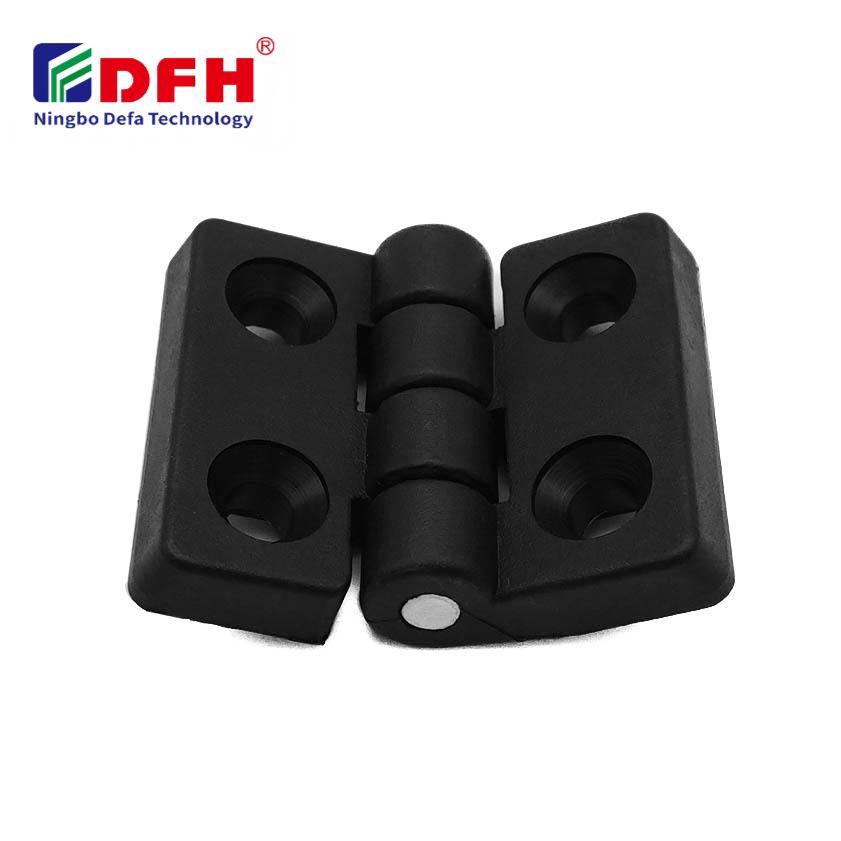
Industrial and commercial environments often demand mechanical components that can endure severe thermal fluctuations without compromising functional performance or overall structural integrity. A hinge is one of the most critical load-bearing elements that must reliably operate across diverse climatic conditions, ranging from deep-freeze storage facilities to high-heat manufacturing plants. Integrating certified extreme temperature hinges guarantees that access doors, heavy enclosure covers, and commercial cabinets open smoothly despite severe thermal expansion or contraction. Understanding whether access hardware can withstand extreme operating environments requires examining base material composition, joint tolerances, protective surface finishes, and real-world performance metrics across demanding commercial applications.
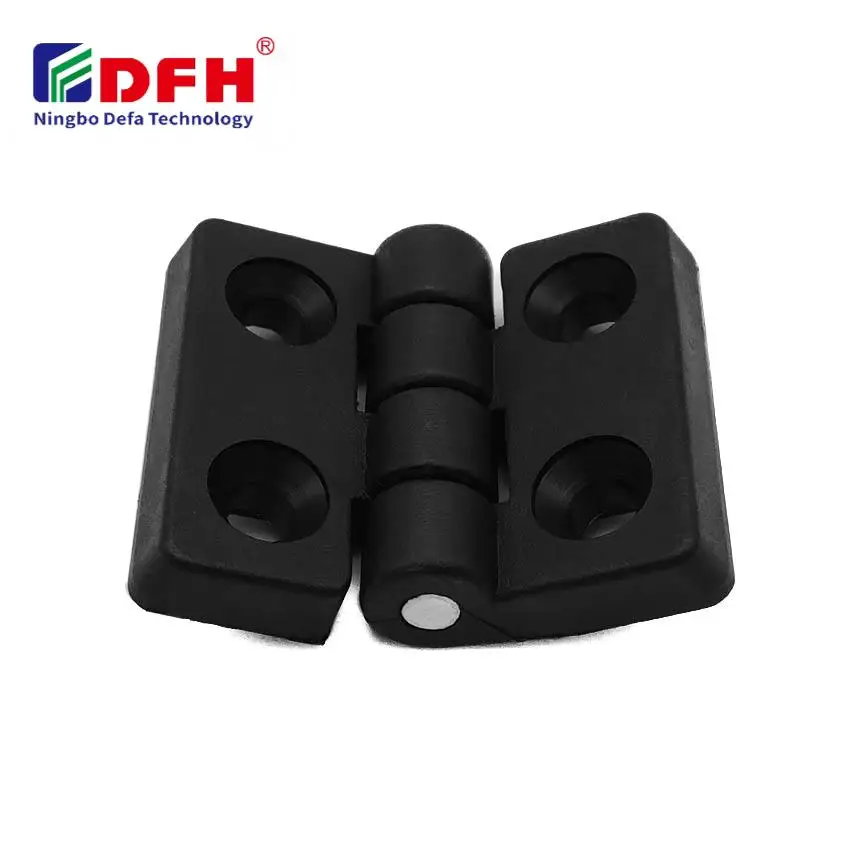
The ultimate service life of access hardware depends heavily on specific design standards and material engineering. Heavy-duty industrial door hinges engineered for harsh processing plants withstand extreme temperatures when built with appropriate alloys. Standard residential components frequently fail under severe thermal stress, leading to joint seizing or brittle frame fractures. Utilizing specialized cold-rated cabinet hinges preserves door alignment in refrigeration facilities, while installing high-temp pivot hinges prevents structural warping in industrial ovens. Evaluating established stainless steel hinge ratings ensures facility engineers select hardware that maintains long-term reliability across all operational environments.
Selecting the appropriate base material is the foundation of engineering access hardware for severe thermal conditions. High-grade stainless steel remains the primary material for access hardware exposed to extreme weather due to its inherent corrosion resistance and thermal stability. Grade 304 and 316 alloys maintain mechanical properties across broad thermal ranges, preventing low-temperature brittleness and high-temperature sagging. Specifying extreme temperature hinges made from heavy-duty alloys ensures structural safety during continuous environmental exposure. Industrial facility designers regularly rely on heavy-duty industrial door hinges to secure heavy perimeter access doors in extreme outdoor climates.
Heavy-duty hardware engineered for commercial machinery often incorporates reinforced steel pins surrounded by protective surface coatings. These specialized components operate safely from negative 40 degrees Celsius to positive 100 degrees Celsius without structural degradation. Installing specialized cold-rated cabinet hinges in pharmaceutical cold storage guarantees that storage doors remain easy to operate without joint freezing. In foundry applications, heavy high-temp pivot hinges accommodate continuous physical expansion without losing leaf alignment. Reviewing certified stainless steel hinge ratings allows maintenance teams to verify temperature tolerances before final hardware selection.
Specialized surface treatments enhance an assembly's resistance to atmospheric corrosion and severe thermal stress. Electroplated zinc, nickel plating, and advanced powder finishes protect underlying metals from expansion stress while blocking active oxidation. Manufacturers applying extreme temperature hinges technology utilize multi-layer coatings so that repeated heating cycles do not crack protective barriers. Heavy industrial door hinges benefit greatly from specialized coatings that resist corrosion in marine environments. Selecting cold-rated cabinet hinges with protective finishes prevents surface rust in high-humidity cold rooms. Utilizing high-temp pivot hinges featuring heat-resistant coatings ensures smooth operation near commercial baking equipment, while checking stainless steel hinge ratings confirms chemical compatibility.
Freezing operating conditions present distinct mechanical challenges for access hardware performance. As ambient temperatures drop, metal contracts, potentially causing joint binding or frame misalignment. Standard internal lubricants thicken or solidify, increasing rotational friction and restricting movement. Installing extreme temperature hinges engineered with wide mechanical clearances prevents physical binding during thermal contraction. Industrial food storage facilities install heavy industrial door hinges to preserve thermal seal integrity on thick freezer doors. Relying on cold-rated cabinet hinges featuring low-temperature synthetic grease ensures cabinet doors close smoothly in sub-zero environments. Specialized high-temp pivot hinges are engineered to transition between cold and hot cycles without joint binding, supported by verified stainless steel hinge ratings.
Low-temperature embrittlement represents a major structural concern for facility managers. Lower-grade metals become brittle and prone to sudden cracking under dynamic stress in freezing climates. Leading manufacturers test extreme temperature hinges through rigorous thermal shock protocols to detect structural stress points before installation. Heavy industrial door hinges installed on outdoor gates undergo continuous impact testing to ensure material ductility. Selecting cold-rated cabinet hinges tested for cryogenic storage guarantees long-term durability in medical research labs. Meanwhile, high-temp pivot hinges designed for multi-environment equipment rely on clear stainless steel hinge ratings to prove structural safety under sudden thermal shifts.
High-heat environments present opposite physical challenges for facility hardware. Thermal expansion causes metal leaves to expand, warping alignment if joint clearances are insufficient. Specifying extreme temperature hinges built with expansion joints prevents internal pin seizing during heat spikes. Industrial door hinges installed on heat-treatment equipment maintain structural rigidity despite ambient temperature rises. Commercial kitchens use specialized cold-rated cabinet hinges on refrigerated display cases and heavy high-temp pivot hinges on industrial pizza ovens. Reviewing published stainless steel hinge ratings confirms that mounting flanges won't distort under sustained thermal exposure.
Repeated thermal cycling causes significant mechanical fatigue through continuous expansion and contraction cycles. Over time, physical movement creates micro-fractures along leaf knuckles and fastener holes. Premium extreme temperature hinges undergo extensive cycle testing to ensure structural integrity across thousands of temperature shifts. Heavy industrial door hinges maintain proper frame alignment despite severe seasonal temperature changes. Facility managers specify cold-rated cabinet hinges for climate-controlled storage and robust high-temp pivot hinges for processing equipment. Referring to official stainless steel hinge ratings ensures long-term operational safety.
Access hardware installed in deep-freeze storage facilities must perform flawlessly at temperatures that disable standard hardware. Specifying extreme temperature hinges equipped with low-temperature synthetic lubricants prevents mechanical binding in commercial walk-in freezers. Heavy industrial door hinges secure thick insulated panels while maintaining alignment under continuous use. Pharmaceutical storage facilities depend on cold-rated cabinet hinges engineered for environment temperatures reaching negative 80 degrees Celsius. Industrial processing lines combine high-temp pivot hinges with verified stainless steel hinge ratings to handle rapid temperature transitions reliably.
Manufacturing plants utilizing high-heat processes require specialized access hardware capable of continuous operation near hot machinery. Steel mills, glass factories, and heat-treatment plants utilize heavy extreme temperature hinges designed for continuous thermal exposure. Installing rugged industrial door hinges on equipment access panels prevents frame warping near heat sources. Laboratory storage units utilize specialized cold-rated cabinet hinges for chemical storage, while industrial furnaces rely on heavy high-temp pivot hinges. Consulting official stainless steel hinge ratings guarantees hardware matches specific plant operating temperatures.
Standard stainless hardware typically operates safely between negative 40 and positive 100 degrees Celsius. However, specialized extreme temperature hinges and heavy industrial door hinges expand this operating range significantly. Cold storage units require certified cold-rated cabinet hinges, whereas high-heat manufacturing equipment utilizes specialized high-temp pivot hinges backed by official stainless steel hinge ratings.
Thermal cycling accelerates physical wear faster than constant static temperature exposure because repeated expansion creates microscopic stress points. Installing tested extreme temperature hinges ensures joint stability despite frequent thermal shifts. Facility managers rely on heavy industrial door hinges, specialized cold-rated cabinet hinges, and heavy-duty high-temp pivot hinges designed in accordance with stainless steel hinge ratings to prevent failure.
Reinforced pivot hardware generally outperforms standard leaf hinges in severe environments due to superior weight distribution and expansion clearance. Specifying extreme temperature hinges or heavy industrial door hinges ensures reliable operation on perimeter barriers. Specialized cold-rated cabinet hinges and heat-resistant high-temp pivot hinges deliver long service life when selected using accurate stainless steel hinge ratings.
2026/09/30
Source aluminum profiles for versatile modular framing. Learn extrusion mechanics, strength benefits & corrosion resistance. Request details.
2026/09/30
Source aluminum profiles for construction projects. Learn structural framing, cladding & window benefits for maximum ROI. Download guide.
2026/09/30
Source optimal aluminum profile sizing techniques. Evaluate load, space, alloy, environment & cost factors to prevent deflection. Download guide.
2026/09/30
Struggling with fastener failures or rework? Master screw sizing by diameter, pitch, material, and load—plus industry-specific standards. Optimize reliability & compliance now.
2026/09/30
Source aluminum profiles for industrial engineering. Discover strength-to-weight ratios, corrosion resistance & 30% cost savings. Download guide.
2026/09/30
Source heat-resistant aluminum profile systems. Master thermal expansion science & stress management strategies for industrial builds. Download guide.