EN
EN
What is Aluminum Profile and How Does It Work?
2026/09/30
Source aluminum profiles for versatile modular framing. Learn extrusion mechanics, strength benefits & corrosion resistance. Request details.

2026/09/22
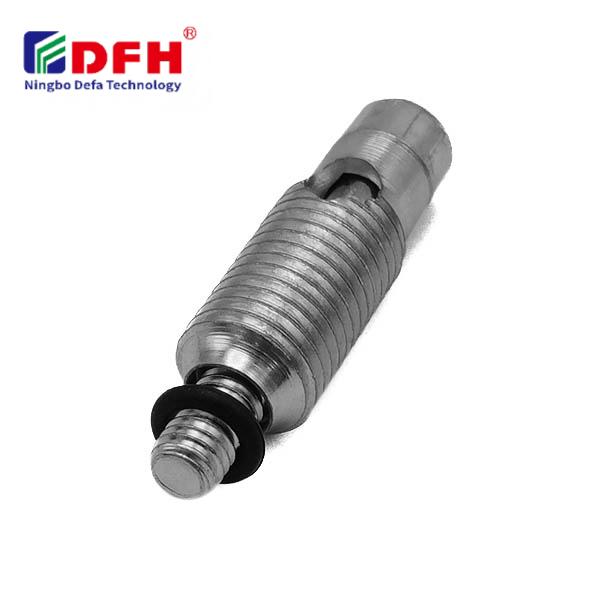
Industrial machinery, vehicles, and structural frameworks face constant vibration challenges that demand reliable fastening solutions. End connectors are critical components designed to join structural elements, but their ability to withstand high-vibration environments determines whether assemblies remain secure or fail prematurely. Understanding vibration performance becomes essential for engineers and manufacturers who must ensure long-term reliability in demanding applications.
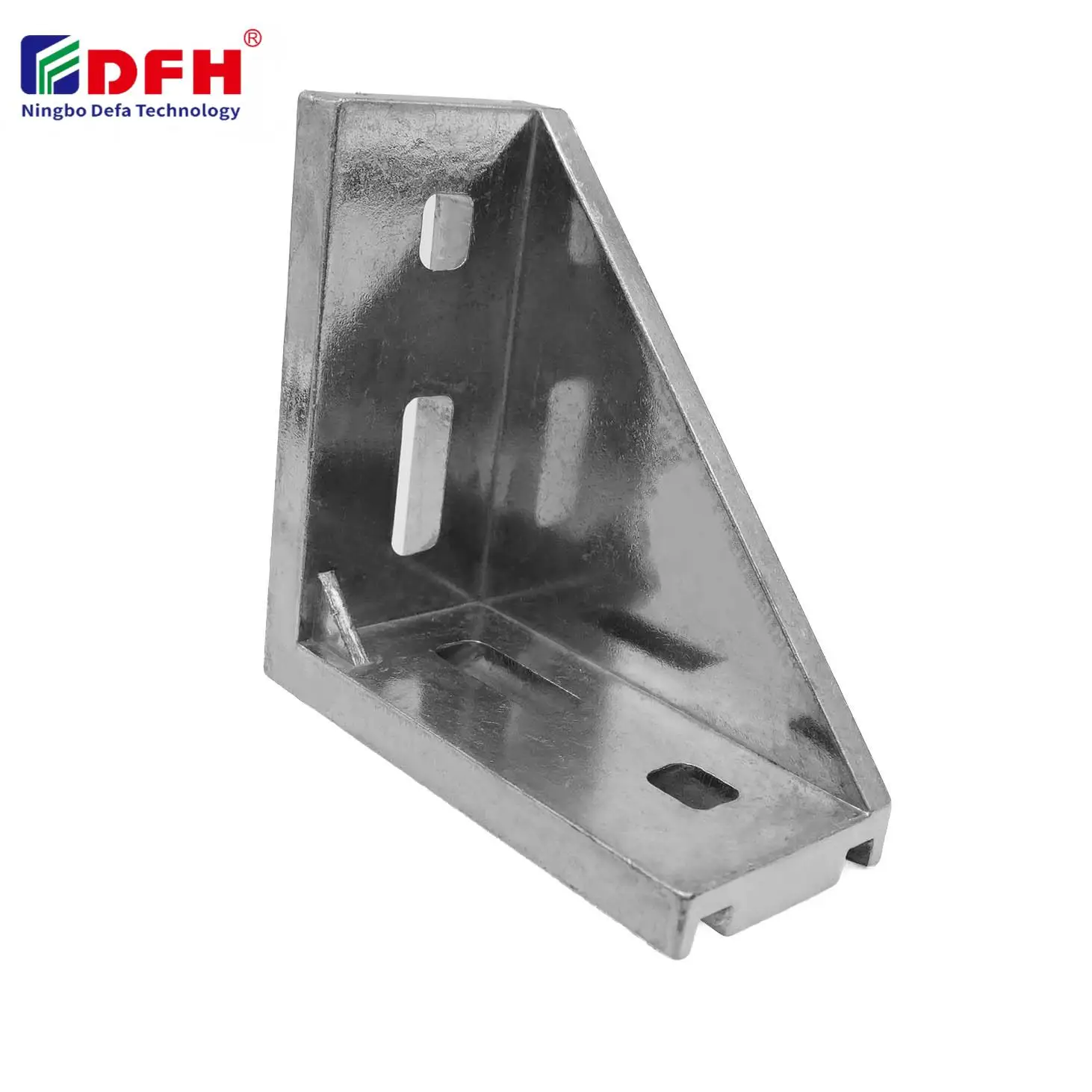
When end connectors are exposed to high-frequency vibration, mechanical stresses accumulate at connection points, potentially loosening fasteners or degrading material integrity. Proper connector installation and selection of appropriate fastening systems can dramatically reduce vibration-related failures. The choice of end connectors, combined with optimized structural assembly techniques, determines whether your system survives years of service or experiences costly downtime.
High vibration creates repetitive mechanical cycles that generate micro-movements at connection points. Each vibration cycle introduces stress that can accumulate over thousands or millions of operational hours. End connectors must resist both the direct forces from vibration and the secondary effects of component shifting, which can loosen fasteners and reduce clamping force over time.
The severity of vibration-related wear depends on frequency, amplitude, and the direction of movement. Connector installation becomes critical because improper seating or inadequate preload reduces the connector's ability to absorb vibration energy. When structural assembly involves misaligned components or insufficient fastening systems pressure, vibration amplifies the relative motion between joined parts, accelerating failure modes.
Different materials demonstrate varying resistance to vibration-induced fatigue. Aluminum end connectors offer lightweight benefits but may exhibit lower fatigue strength than steel alternatives in high-vibration applications. Steel fastening systems provide superior vibration damping and fatigue resistance, making them preferred for critical industrial environments. The material choice directly affects how well your structural assembly will perform under sustained vibration exposure.
Composite materials and hybrid connector designs have emerged as solutions that balance weight reduction with vibration performance. Material testing and fatigue analysis help engineers select end connectors suited to specific vibration profiles. Choosing materials with appropriate fatigue ratings ensures that fastening systems maintain their mechanical properties throughout extended operational cycles.
Correct connector installation directly influences vibration resistance and operational lifespan. Tightening fasteners to the correct torque specification creates adequate preload that prevents micro-slip during vibration cycles. Under-tightened connections allow progressive loosening, while over-tightened assemblies risk material deformation and fastener failure. Following manufacturer specifications for connector installation ensures consistent performance across your structural assembly.
Using locking mechanisms during connector installation prevents vibration-induced loosening that compromises fastening systems reliability. Thread-locking compounds, split-ring washers, and nylon-insert lock nuts provide proven solutions for maintaining connection integrity under high-vibration conditions. Proper connector installation practices include regular inspection protocols to detect early signs of movement or degradation before failures occur.
Modern fastening systems incorporate vibration-damping features that enhance end connectors performance in challenging environments. Elastomeric pads, vibration isolators, and specialized locking washers distribute vibration energy across larger surface areas, reducing peak stress concentration. These innovations in structural assembly methodology improve connection stability and extend component lifespan significantly.
Self-locking fasteners and controlled-clamp fastening systems represent advances that specifically address vibration challenges. These fastening systems maintain constant preload despite environmental stresses, making them ideal for end connectors in transportation, mining, and manufacturing applications. Investment in premium fastening systems components pays dividends through reduced maintenance costs and improved equipment uptime.
Structural assembly design must account for vibration frequency resonance to prevent amplified oscillation. Engineers calculate natural frequencies and avoid operating near resonance points where vibration effects become magnified. End connectors selection and positioning within the assembly structure influence overall vibration response characteristics. Proper structural assembly layout distributes stress more evenly across multiple connectors rather than concentrating loads at single points.
Redundant connection paths and dual fastening systems provide backup security if primary end connectors experience degradation. This design philosophy, common in aerospace and transportation industries, ensures that vibration-induced failure of one connection point does not compromise structural integrity. Strategic connector installation at critical load-bearing locations maximizes assembly reliability and safety margins.
Vibration testing protocols validate end connectors performance before deployment in critical applications. Accelerated vibration testing simulates years of service in controlled laboratory environments, identifying potential failure modes early. Structural assembly performance data from testing informs material selection, fastening systems specifications, and connector installation procedures for production assemblies.
Continuous monitoring systems installed on operating equipment track vibration levels and connection integrity in real-world conditions. Predictive maintenance based on vibration analysis enables proactive connector installation and fastening systems adjustments before failures occur. This data-driven approach optimizes structural assembly performance and reduces unexpected downtime in industrial operations.
Vibration frequencies near the natural resonance frequency of your structural assembly create the highest stress on end connectors and fastening systems. Most industrial applications experience critical risk in the 50–500 Hz frequency range, though this varies by assembly design. Connector installation in high-resonance conditions requires premium fastening systems and material selection to ensure durability. Testing determines your specific assembly's vulnerable frequencies and informs connector selection strategy.
Inspection frequency depends on vibration intensity, connector installation method, and fastening systems type employed. Critical applications typically require monthly visual inspections supplemented by periodic torque verification of fasteners. Structural assembly monitoring systems can provide continuous data that triggers maintenance alerts when vibration signatures indicate potential connector loosening. Many industrial facilities establish quarterly or semi-annual comprehensive inspections as preventive maintenance protocols.
Vibration dampers significantly enhance end connectors performance by absorbing and dissipating vibrational energy before it reaches fastening systems components. Elastomeric dampers, tuned mass dampers, and composite isolation mounts reduce vibration amplitude reaching structural assembly connection points. Combining quality connector installation, premium fastening systems, and strategic damper placement creates a comprehensive approach to managing high-vibration environments effectively.
2026/09/30
Source aluminum profiles for versatile modular framing. Learn extrusion mechanics, strength benefits & corrosion resistance. Request details.
2026/09/30
Source aluminum profiles for construction projects. Learn structural framing, cladding & window benefits for maximum ROI. Download guide.
2026/09/30
Source optimal aluminum profile sizing techniques. Evaluate load, space, alloy, environment & cost factors to prevent deflection. Download guide.
2026/09/30
Struggling with fastener failures or rework? Master screw sizing by diameter, pitch, material, and load—plus industry-specific standards. Optimize reliability & compliance now.
2026/09/30
Source aluminum profiles for industrial engineering. Discover strength-to-weight ratios, corrosion resistance & 30% cost savings. Download guide.
2026/09/30
Source heat-resistant aluminum profile systems. Master thermal expansion science & stress management strategies for industrial builds. Download guide.