EN
EN
What is Aluminum Profile and How Does It Work?
2026/09/30
Source aluminum profiles for versatile modular framing. Learn extrusion mechanics, strength benefits & corrosion resistance. Request details.

2026/09/20
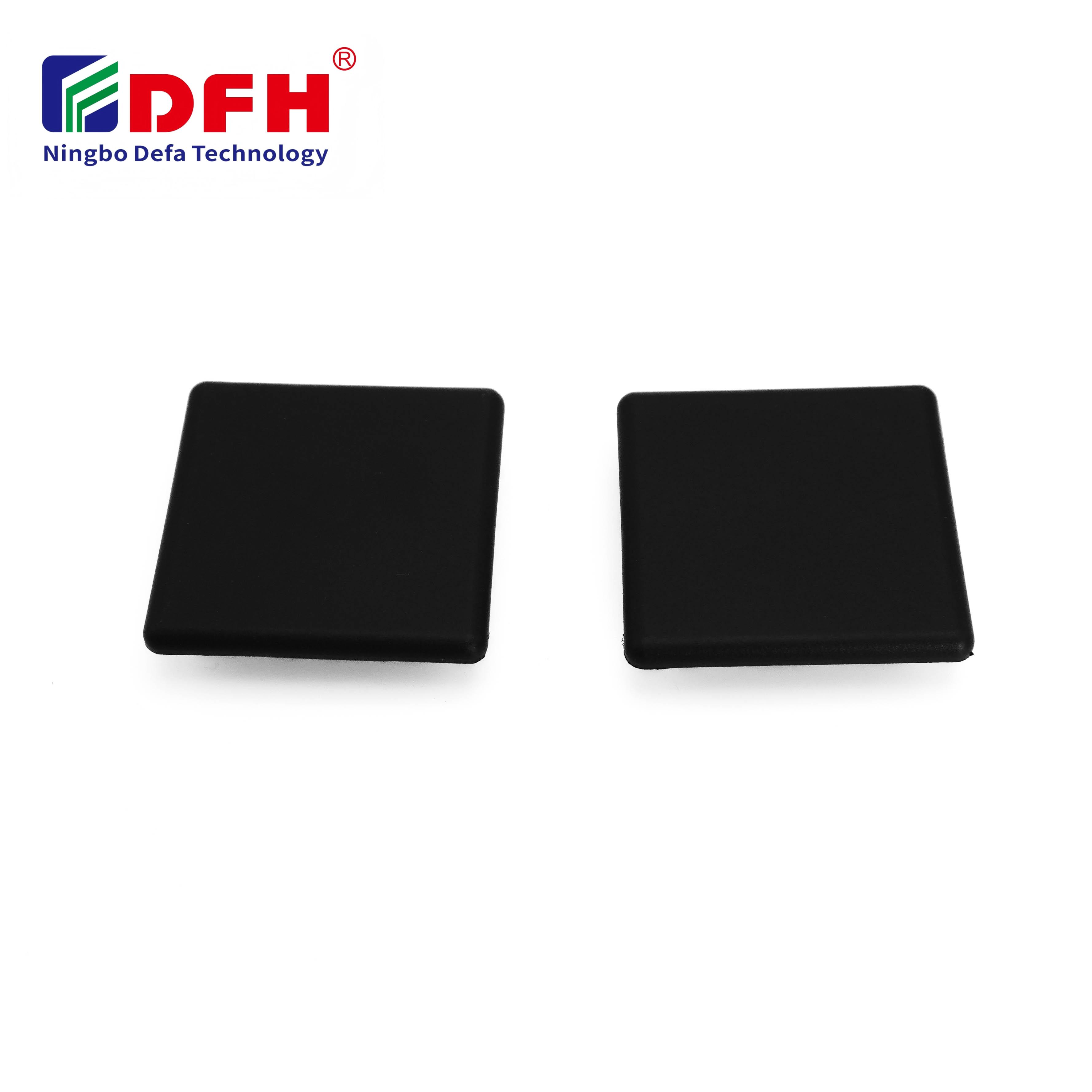
Industrial applications demand components that withstand extreme conditions, and the question of whether an end cap can handle high temperature exposure is critical for engineers and manufacturers. An end cap serves as a protective barrier at the terminus of extrusions, channels, and profiles, sealing against contamination while maintaining structural integrity. When temperatures rise significantly, the performance of an end cap becomes a central concern for system reliability and safety. Understanding the thermal capabilities of different end cap materials and designs is essential for selecting solutions that will perform dependably in demanding environments.
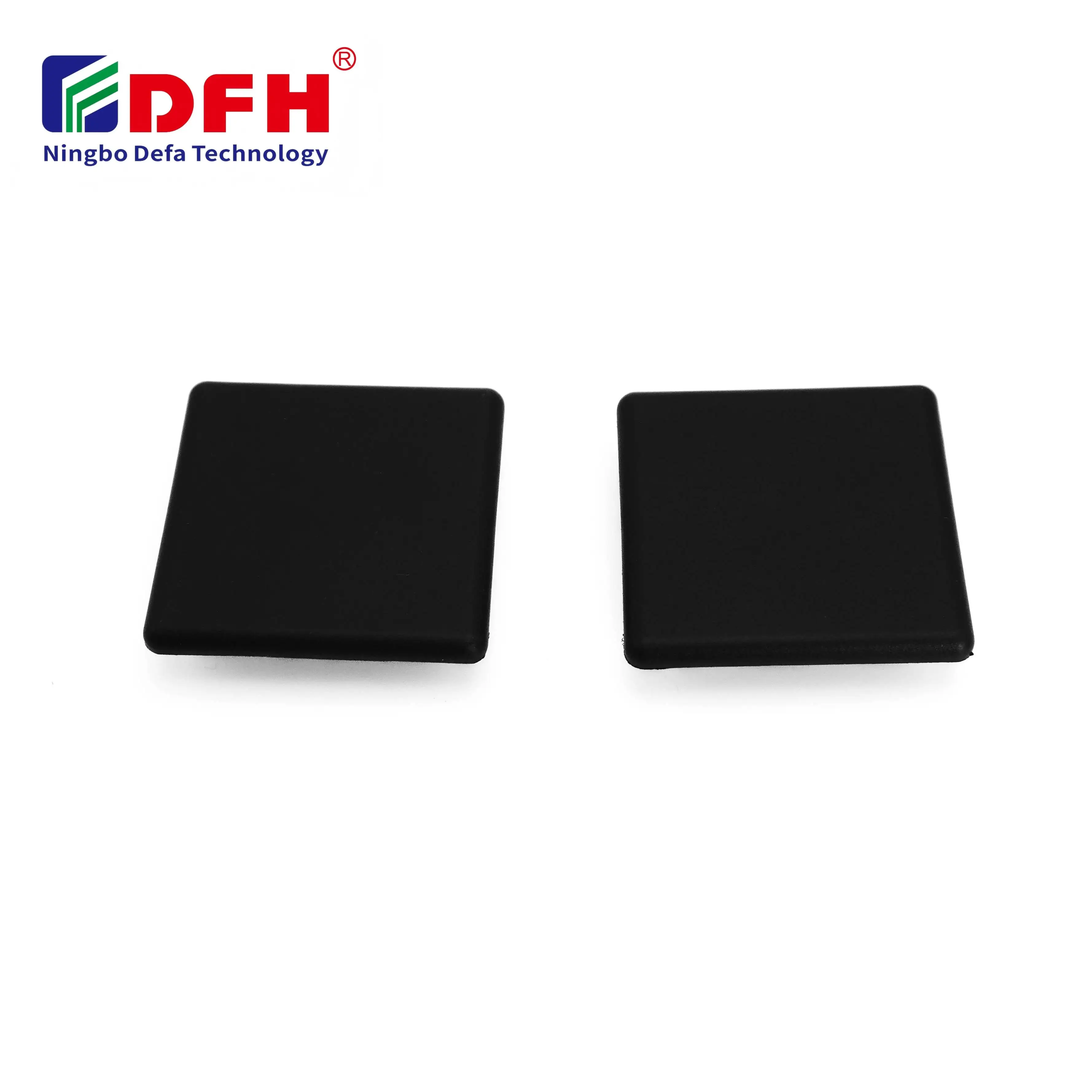
High temperature environments present unique challenges for any profile end closure system. The thermal stress placed on an end cap can cause material expansion, dimensional changes, seal degradation, and loss of protective function. Industrial sectors including automotive, aerospace, heat treatment, and chemical processing regularly encounter scenarios where standard end cap materials fail under thermal exposure. The right channel cap cover must resist thermal cycling, maintain mechanical strength at elevated temperatures, and preserve its sealing properties. This comprehensive guide explores the factors that determine whether an end cap can reliably handle high temperature conditions and what criteria drive material and design selection.
Aluminum extrusion finishing plays a foundational role in determining how well an end cap manages thermal exposure. Standard aluminum alloys lose significant strength at temperatures above 150°C, making them unsuitable for high-temperature industrial applications. An end cap designed for extreme heat typically requires specialized materials such as reinforced nylon, stainless steel, or high-performance polymers. The aluminum extrusion finishing process itself—including anodizing or powder coating—becomes critical because the protective layer must withstand temperature cycling without cracking or separating. For applications exceeding 200°C, aluminum-bodied profile end closure designs often prove inadequate unless combined with high-temperature elastomer seals or ceramic inserts.
Stainless steel channel cap cover options offer substantially higher temperature ratings, typically maintaining structural integrity up to 600°C or beyond. Reinforced thermoplastic composites and phenolic resins provide moderate temperature resistance (up to 250°C) while retaining lighter weight and cost efficiency compared to metal solutions. For ultra-high-temperature applications in aerospace or industrial furnace environments, ceramic and metal-matrix composites represent the advanced frontier. The profile end closure must balance thermal resistance with mechanical properties such as tensile strength, impact resistance, and creep behavior. Material selection directly impacts both the initial system cost and long-term operational reliability in sustained high-temperature service.
Every channel cap cover comes with a manufacturer-specified maximum service temperature, but this rating represents the threshold at which the material begins to degrade—not the optimal operating window. Industrial best practice demands operating the end cap at 70–80% of its maximum rated temperature to ensure adequate safety margin for thermal cycling and aging effects. An end cap rated for 300°C should ideally operate below 240°C in continuous service. Thermal cycling—repeated heating and cooling—accelerates material fatigue and can cause seal failure long before steady-state temperature limits are reached. The profile end closure must accommodate thermal expansion rates that differ between the end cap material, the extrusion itself, and any sealing components, creating stress at material boundaries.
The sealing function of an end cap becomes increasingly difficult to maintain as temperature rises. Standard elastomer seals harden, shrink, and lose resilience at high temperatures, compromising the pressure and contamination resistance they provide. High-performance fluorocarbon, silicone, or perfluorocarbon seals are essential for channel cap cover systems operating above 120°C. The aluminum extrusion finishing process must create a surface with appropriate roughness and chemical compatibility to support high-temperature seal adhesion. Thermal expansion mismatches between the end cap body, the seal, and the extrusion can open micro-gaps that allow fluid ingress or particle contamination despite apparent visual closure. Redundant or multi-stage sealing systems often become necessary in critical applications where seal failure would result in system loss or safety hazard.
Automotive exhaust systems, industrial heat-treating furnaces, food processing steam environments, and thermal management ducts all impose high-temperature demands on profile end closure components. An end cap protecting an extrusion in a furnace chamber at 400°C faces continuous radiant and convective heating rather than occasional thermal spikes. The profile end closure in such environments must resist oxidation, thermal creep (permanent deformation under sustained load and temperature), and embrittlement. Real-world performance differs significantly from laboratory material specifications because operational conditions include vibration, pressure cycling, chemical exposure, and thermal gradients that create internal stresses. Selecting an end cap suitable for a specific application requires understanding not just the peak temperature but the duration of exposure, the thermal cycling frequency, and the presence of corrosive or chemically aggressive environments.
Reputable manufacturers of high-temperature channel cap cover solutions provide material certifications, thermal cycling test data, and dimensional stability reports. These documents confirm whether the aluminum extrusion finishing and end cap assembly have been validated under representative service conditions. Third-party certifications and compliance with standards such as ISO, ASTM, or industry-specific requirements offer confidence that the profile end closure will perform as specified. Thermal shock resistance testing—rapid temperature transitions—is particularly important because it simulates the most severe stress conditions the end cap will encounter. Performance validation should extend beyond initial product qualification to include long-term aging data, demonstrating that the end cap maintains its sealing and protective properties after months or years of high-temperature exposure.
Standard plastic end caps typically degrade at temperatures above 120–150°C and will soften, shrink, or lose mechanical strength at 200°C. A profile end closure designed for continuous 200°C operation requires high-performance engineering thermoplastics or reinforced composites specifically rated for that temperature range. The channel cap cover material selection must include thermal cycling resistance testing to ensure the end cap will not fail prematurely.
Rapid thermal cycling creates differential expansion and contraction stresses throughout the end cap structure, seals, and attachment points. These repeated mechanical stresses can cause micro-cracks, seal separation, and accelerated material fatigue. A high-quality profile end closure designed for thermal cycling environments includes materials with matched thermal expansion coefficients and flexible seal systems that accommodate movement without losing integrity or creating leak paths.
Request the manufacturer's material data sheet, thermal rating documentation, and relevant certifications for the channel cap cover and aluminum extrusion finishing specifications. Compare the maximum service temperature and thermal cycling capability to your actual operating conditions—peak temperature, duration of exposure, cycling frequency, and chemical environment. Conduct small-scale testing or request reference projects where the end cap has performed successfully in similar conditions before committing to large-scale deployment.
2026/09/30
Source aluminum profiles for versatile modular framing. Learn extrusion mechanics, strength benefits & corrosion resistance. Request details.
2026/09/30
Source aluminum profiles for construction projects. Learn structural framing, cladding & window benefits for maximum ROI. Download guide.
2026/09/30
Source optimal aluminum profile sizing techniques. Evaluate load, space, alloy, environment & cost factors to prevent deflection. Download guide.
2026/09/30
Struggling with fastener failures or rework? Master screw sizing by diameter, pitch, material, and load—plus industry-specific standards. Optimize reliability & compliance now.
2026/09/30
Source aluminum profiles for industrial engineering. Discover strength-to-weight ratios, corrosion resistance & 30% cost savings. Download guide.
2026/09/30
Source heat-resistant aluminum profile systems. Master thermal expansion science & stress management strategies for industrial builds. Download guide.