Steel Connecting Plates | Structural Connection Solutions

application/steel-connecting-plates, application/steel-connecting-plates, 
Inquiry
Inquiry

steel connecting plates

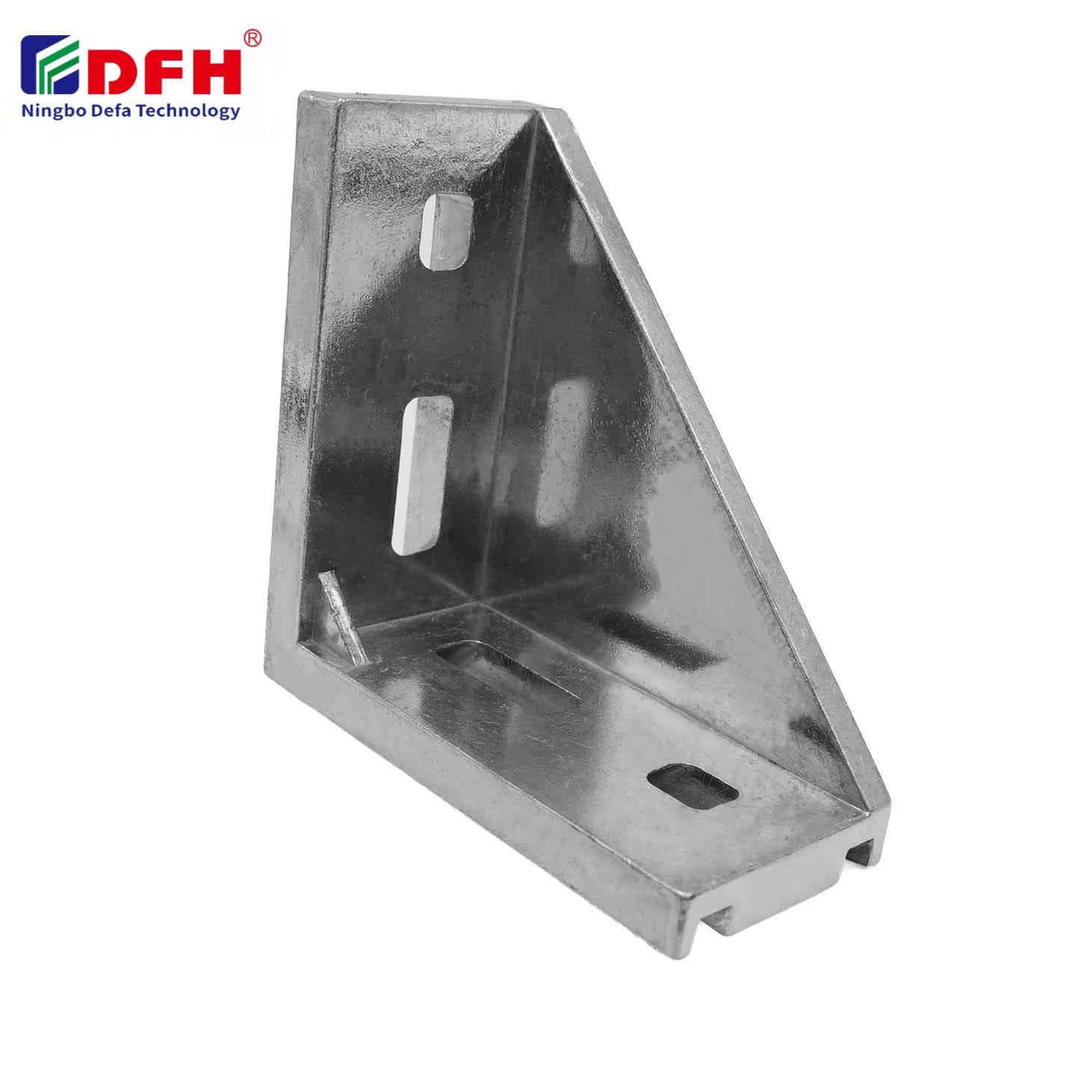
Steel connecting plates are essential structural components designed to join and reinforce connections between different metal elements in construction and industrial applications. These robust fastening solutions provide reliable structural integrity by securely linking beams, columns, and other framework components. Steel connecting plates serve multiple critical functions in modern construction projects, offering both strength and stability to complex structural assemblies. The primary function of steel connecting plates is to transfer loads efficiently between connected members while maintaining structural alignment. These plates distribute stress across wider surface areas, reducing concentration points that could compromise structural integrity. Steel connecting plates come in various configurations, including gusset plates, splice plates, and moment connection plates, each engineered for specific load-bearing requirements. Technologically, steel connecting plates feature advanced welding preparation surfaces and precisely drilled bolt holes for seamless installation. The manufacturing process ensures consistent material properties, dimensional accuracy, and superior surface quality. Modern steel connecting plates are produced using high-grade steel alloys that deliver exceptional tensile strength and durability. Applications for steel connecting plates span multiple industries. In commercial construction, they reinforce building frameworks and support heavy structural loads. Industrial facilities use steel connecting plates in machinery assembly, equipment support systems, and structural reinforcement projects. Bridge construction, manufacturing plants, and power generation facilities all depend on reliable steel connecting plates to maintain operational safety and longevity, making them indispensable components in contemporary engineering solutions.

Steel connecting plates offer significant practical benefits that directly improve project outcomes and long-term structural performance. These components deliver exceptional value through their proven reliability and cost-effectiveness across diverse applications. Operational benefits are substantial and immediately apparent. Steel connecting plates enable faster installation compared to alternative connection methods, reducing on-site labor requirements and project timelines. Their standardized designs allow construction teams to implement connections quickly without complex modifications. The rigid nature of steel connecting plates ensures precise alignment of structural members, eliminating misalignment issues that could compromise structural integrity. For buyers, the primary value proposition centers on long-term durability and minimal maintenance requirements. Steel connecting plates resist corrosion when properly treated and maintain their structural properties indefinitely under normal conditions. This longevity translates to reduced replacement costs and extended asset lifespan for construction projects and industrial facilities. Application suitability makes steel connecting plates versatile across various scenarios. Heavy industrial environments benefit from their load-bearing capacity, while commercial construction projects appreciate their cost efficiency. Seismic zones specifically require steel connecting plates for their proven performance in dynamic loading conditions. Decision-useful context reveals that steel connecting plates provide superior alternatives to bolted connections or welded joints alone. By combining controlled load distribution with installation simplicity, steel connecting plates offer optimal balance between structural performance and construction practicality. Investment in quality steel connecting plates reduces overall project costs through streamlined assembly, fewer structural failures, and enhanced safety compliance. These practical advantages make steel connecting plates the preferred choice for engineers and contractors prioritizing both performance and economic efficiency in structural projects.

Tips And Tricks

How Do Pipe Rack Systems Streamline Installation?

20

Sep

How Do Pipe Rack Systems Streamline Installation?

Streamline industrial piping installation via prefabrication & standardization. Cut labor costs across petrochemical, oil, gas & power plants. Get guide.
View More
How Do You Design a Pipe Rack System Correctly?

20

Sep

How Do You Design a Pipe Rack System Correctly?

Prevent pipe rack failures & code violations. Master load calculations, material specs, layout & compliance for zero downtime. Get guide.
View More
What Is a Pipe Rack System and Its Core Functions?

20

Sep

What Is a Pipe Rack System and Its Core Functions?

What is a pipe rack system? Discover its 6 core functions—from load-bearing & thermal management to safety compliance. Optimize your facility infrastructure now.
View More
What Materials Are Used in Pipe Rack Systems?

20

Sep

What Materials Are Used in Pipe Rack Systems?

Discover why carbon steel, stainless steel, elastomers & protective coatings drive pipe rack durability, safety & ROI. Get expert guide.
View More

Get a Free Quote

Our representative will contact you soon.
0/1000
Superior Load Distribution and Structural Integrity

Superior Load Distribution and Structural Integrity

Steel connecting plates excel at distributing concentrated loads across broader surface areas, preventing dangerous stress concentrations that could trigger structural failures. Their engineered design ensures that forces transfer smoothly between connected members, maintaining structural integrity under extreme conditions. The geometric precision of steel connecting plates allows engineers to calculate load paths accurately, enabling safer and more efficient structural designs. When properly specified, steel connecting plates can support dynamic loads, vibration, and thermal stresses without compromising performance. This capability makes them invaluable in critical applications including bridges, high-rise buildings, and industrial equipment. The reliable load distribution characteristics of steel connecting plates reduce the risk of unexpected failures, protecting both infrastructure investments and human safety. Their proven performance across countless demanding applications demonstrates why engineers consistently specify steel connecting plates for projects requiring uncompromising structural reliability.
Rapid Installation and Cost-Effective Assembly

Rapid Installation and Cost-Effective Assembly

Installation efficiency represents a major competitive advantage of steel connecting plates in modern construction projects. These components enable rapid assembly through pre-drilled bolt holes and standardized configurations that minimize on-site fabrication requirements. Construction teams can position and secure steel connecting plates quickly, reducing labor hours and accelerating project completion timelines. The straightforward installation process reduces skilled labor demand, making projects more cost-effective and schedules more predictable. Steel connecting plates eliminate complex welding operations that require specialized expertise and time-intensive quality verification. This efficiency extends to maintenance phases, where steel connecting plates require minimal intervention and inspection compared to alternative connection methods. Contractors benefit from reduced weather delays since steel connecting plates don't require curing periods or protection from moisture during installation. The documented time savings associated with steel connecting plates directly translate to lower overall project costs and faster return on investment for construction firms and facility owners.
Durability, Corrosion Resistance, and Long-Term Performance

Durability, Corrosion Resistance, and Long-Term Performance

Steel connecting plates provide exceptional durability when manufactured from high-grade materials and properly protected against environmental factors. Modern protective coatings and galvanization processes ensure that steel connecting plates resist corrosion in diverse climate conditions, from coastal environments to industrial locations. The stable material properties of steel connecting plates remain constant throughout their service life, providing predictable long-term performance without degradation. Unlike some alternative materials, steel connecting plates maintain their structural characteristics across wide temperature ranges without brittleness or dimensional changes. This dimensional stability ensures that connections remain tight and reliable throughout the structure's operational life. The inherent strength of steel connecting plates actually increases under repeated loading, improving rather than diminishing their performance over time. Minimal maintenance requirements for properly installed steel connecting plates reduce operational costs and facility downtime. This combination of durability, corrosion resistance, and predictable long-term performance makes steel connecting plates the economical choice for infrastructure projects expecting decades of reliable service.