Plate Connectors: Industrial Fastening Solutions

application/plate-connectors, application/plate-connectors, 
Inquiry
Inquiry

plate connectors

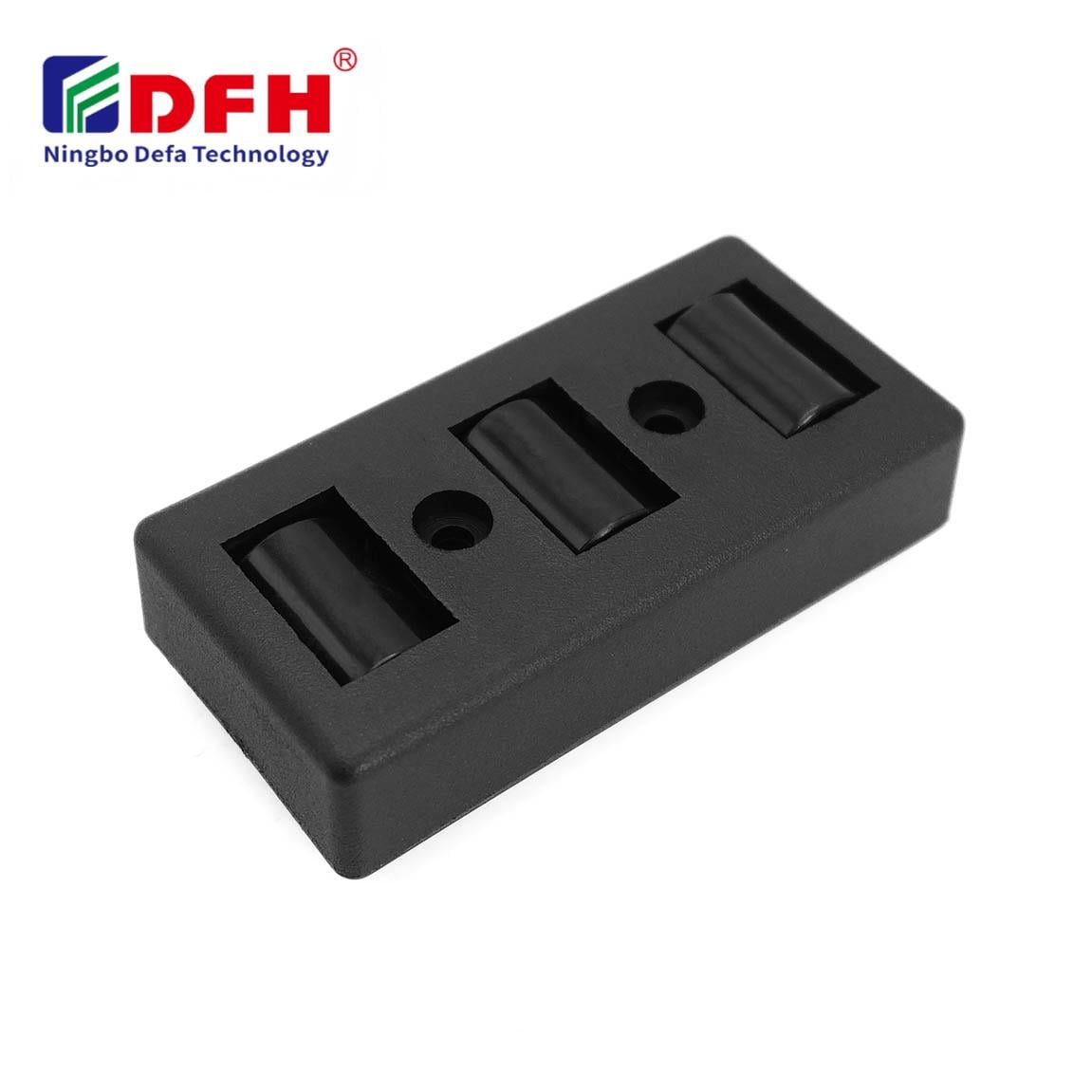
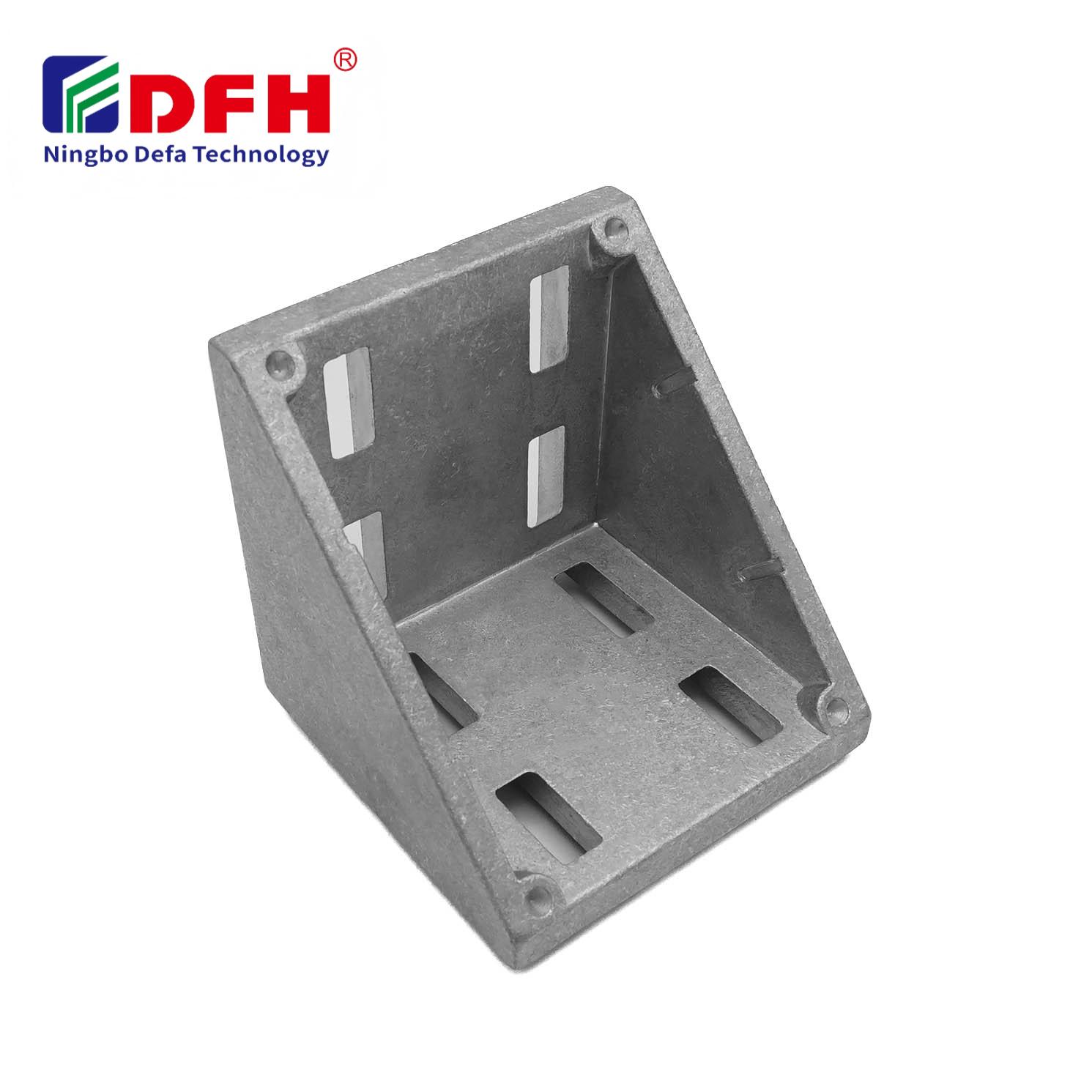
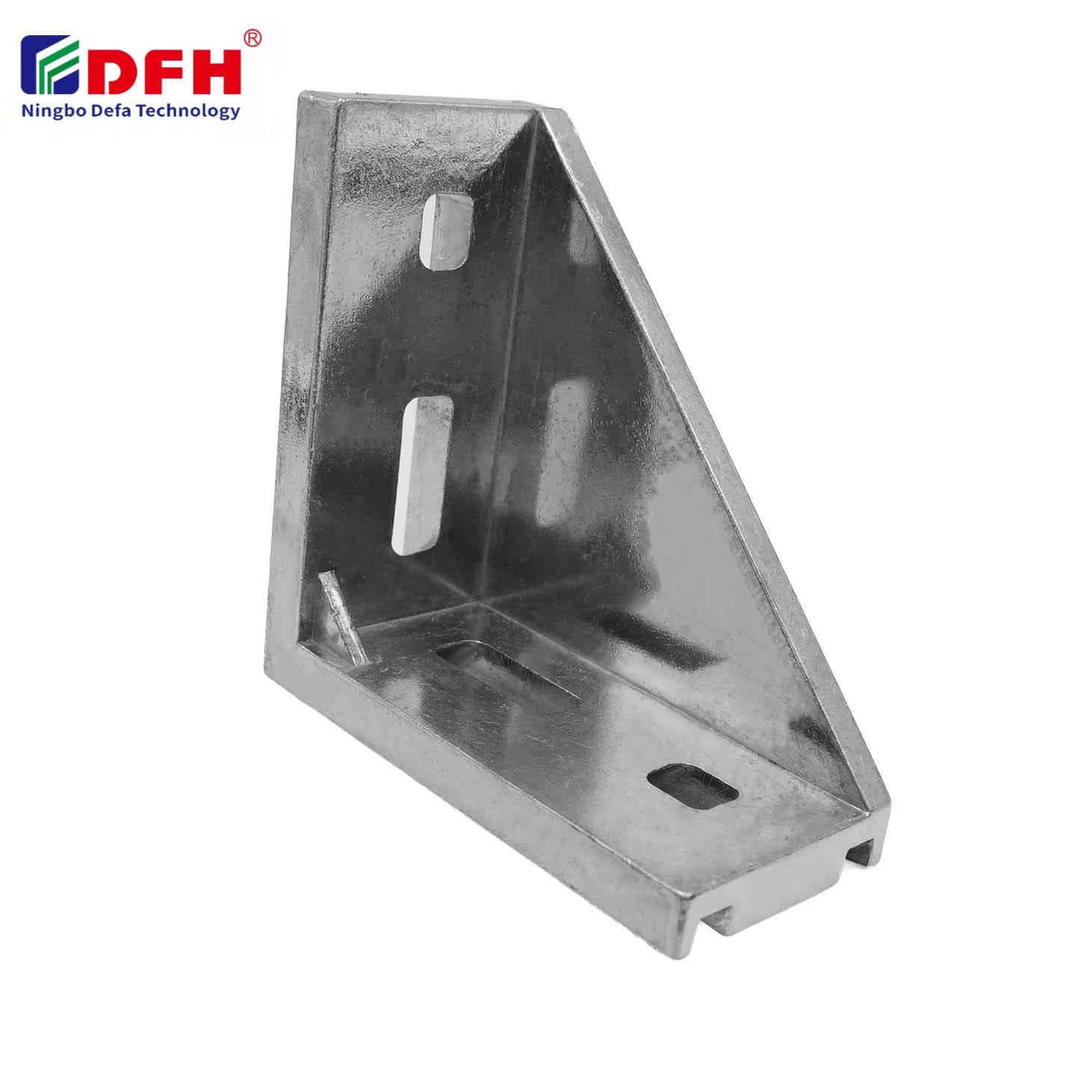
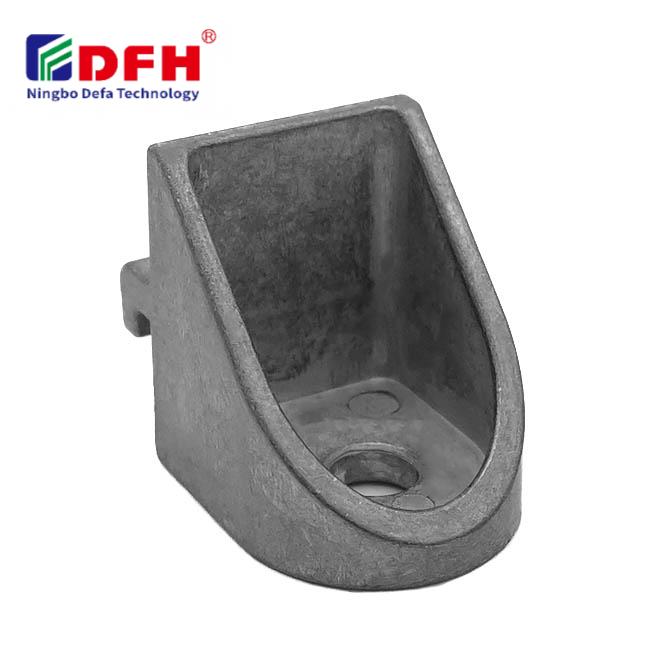
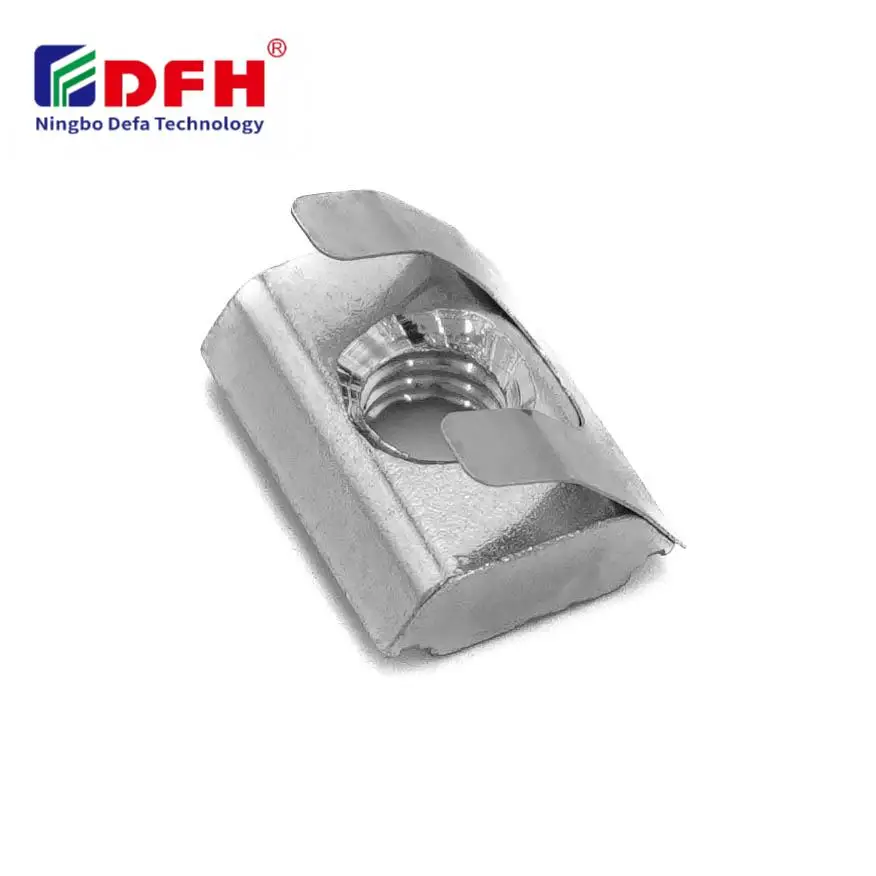
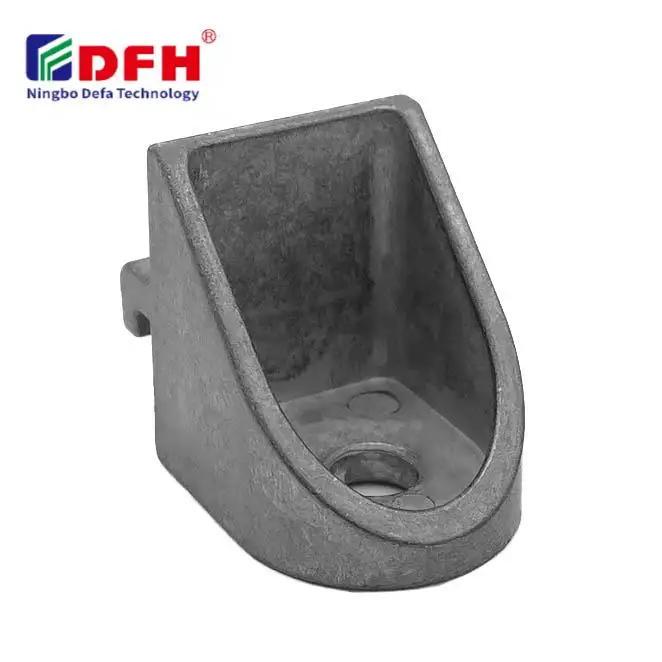
Plate connectors are essential mechanical fastening devices designed to join and secure metal plates, structural components, and framework together with exceptional reliability. These specialized connectors function as the backbone of countless industrial applications, providing robust connections that withstand demanding environments and heavy loads. Plate connectors work by creating strong, permanent bonds between materials, ensuring structural integrity and preventing component separation under stress. The primary function of plate connectors involves transferring loads efficiently across joined surfaces while maintaining alignment and stability. Modern plate connectors incorporate advanced technological features including precision engineering, corrosion-resistant coatings, and high-tensile materials that guarantee long-lasting performance. These connectors are manufactured to exacting specifications, ensuring consistent quality and reliable operation across various industrial sectors. Applications for plate connectors span diverse industries including construction, manufacturing, automotive, aerospace, and heavy machinery. In construction, plate connectors reinforce structural frameworks and support beams. Manufacturing facilities utilize plate connectors for equipment assembly and machine fabrication. The automotive and aerospace industries depend on plate connectors for chassis assembly and structural components that require maximum durability and safety standards. Plate connectors come in numerous configurations and sizes to accommodate specific project requirements and material specifications. Engineers select appropriate plate connectors based on load capacity, environmental conditions, and installation methods. The versatility of plate connectors makes them indispensable for professionals seeking dependable fastening solutions that deliver consistent results and proven performance throughout extended operational periods.

Plate connectors offer substantial practical benefits that make them the preferred choice for professionals requiring reliable fastening solutions. The primary advantage involves exceptional load-bearing capacity, allowing plate connectors to safely distribute heavy stresses across multiple connection points. This capability ensures that structures remain stable and secure even under challenging operational conditions, providing peace of mind for facility managers and engineers. Operational benefits of plate connectors include simplified installation procedures that reduce labor time and project expenses. Workers can deploy plate connectors quickly without requiring specialized equipment or extensive training, making these fasteners cost-effective for large-scale projects. The straightforward assembly process means faster project completion and minimal disruption to ongoing operations. Plate connectors demonstrate remarkable versatility across diverse applications and environments. Whether installations involve extreme temperatures, corrosive substances, or high-vibration settings, quality plate connectors maintain their integrity and performance characteristics. This adaptability eliminates the need for multiple connector types, streamlining inventory management and reducing purchasing complexity. The durability advantage of plate connectors cannot be overstated. These connectors resist wear, fatigue, and degradation over extended periods, ensuring long-term reliability without frequent replacement or maintenance interventions. This longevity translates directly into reduced operational costs and improved return on investment for facility owners. Plate connectors also provide superior joint strength compared to alternative fastening methods, creating permanent connections that resist loosening and separation. This reliability prevents unexpected failures that could compromise safety or disrupt production schedules. Engineers trust plate connectors for critical applications where failure is not an option, making them essential components in modern construction and manufacturing environments.

Latest News

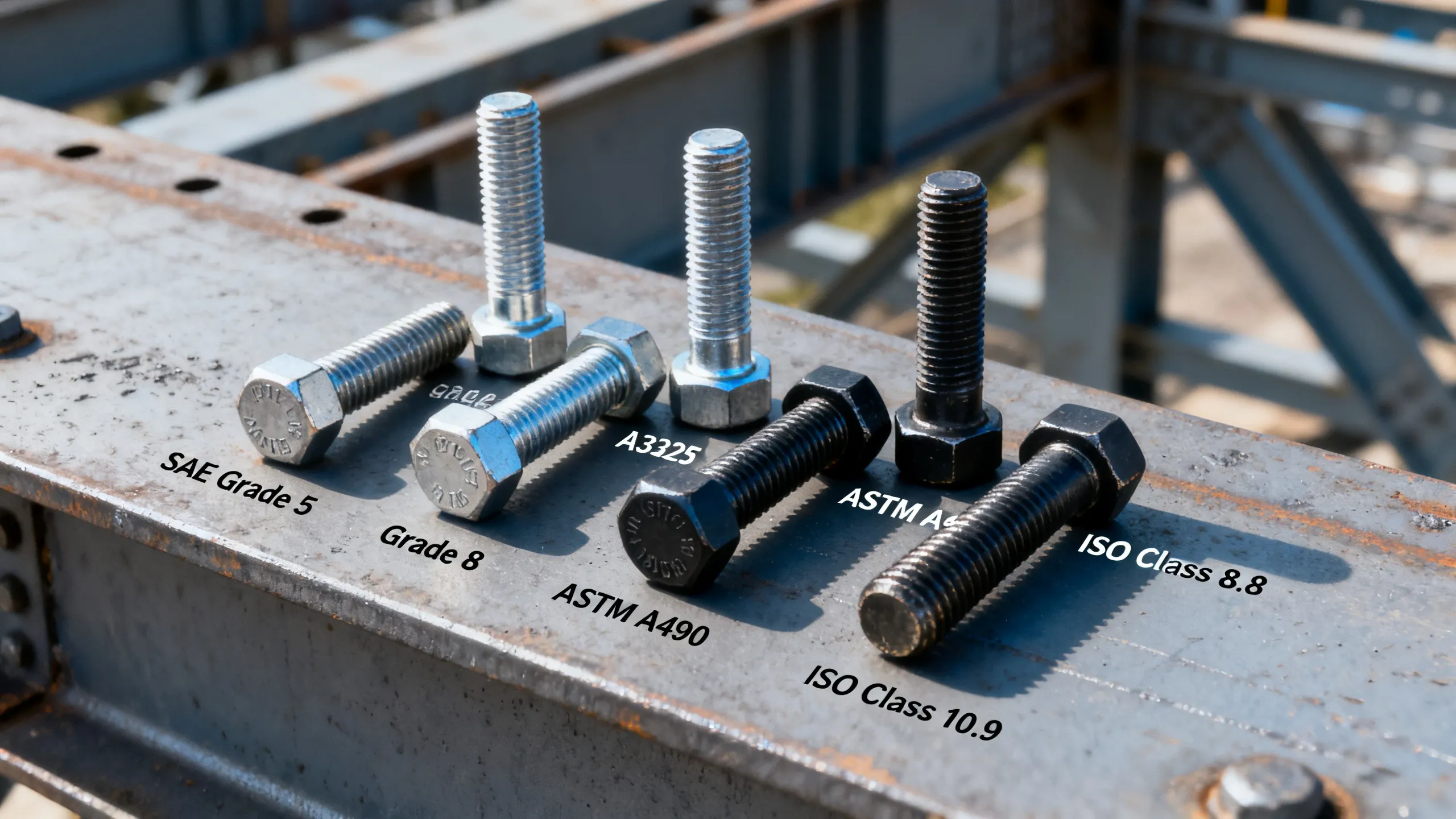
How to Choose the Right Bolt Grade for Structural Applications

18

Sep

How to Choose the Right Bolt Grade for Structural Applications

Struggling with bolt grade confusion? Compare ASTM A325, A490—strength, corrosion, code compliance & best practices. Download the spec guide now.
View More
What Is a Pipe Rack System and Core Functions?

18

Sep

What Is a Pipe Rack System and Core Functions?

What is a pipe rack system? Discover its 3 core functions—support, organization & reliability—in industrial facilities. Essential for engineers & procurement pros. Learn more.
View More
How Do You Select the Right Pipe Rack System?

20

Sep

How Do You Select the Right Pipe Rack System?

Prevent industrial pipe rack failures & costly retrofits. Master 10 criteria—load capacity, span, thermal expansion & more. Get guide.
View More
What Materials Are Used in Pipe Rack Systems?

20

Sep

What Materials Are Used in Pipe Rack Systems?

Discover why carbon steel, stainless steel, elastomers & protective coatings drive pipe rack durability, safety & ROI. Get expert guide.
View More

Get a Free Quote

Our representative will contact you soon.
0/1000
Superior Load Distribution and Structural Integrity

Superior Load Distribution and Structural Integrity

Plate connectors excel at distributing loads evenly across connection surfaces, preventing stress concentration that could compromise structural stability. When multiple plate connectors work together in unified frameworks, they create redundant load paths that enhance overall system reliability. This distributed load-bearing capability means structures can safely accommodate heavier stresses than designs relying on single-point connections. The engineering precision behind plate connectors ensures that forces transfer smoothly through joined materials, eliminating weak points that might lead to unexpected failures. Industries including construction, bridge engineering, and heavy equipment manufacturing depend on this load-distribution capability to meet strict safety requirements and building codes. The structural integrity provided by plate connectors protects occupants, maintains operational efficiency, and extends the service life of entire installations. Choosing appropriate plate connectors for specific applications ensures that load ratings match or exceed actual stresses, providing safety margins that protect against unexpected demands or environmental factors.
Corrosion Resistance and Extended Service Life

Corrosion Resistance and Extended Service Life

Modern plate connectors incorporate advanced surface treatments and materials that resist corrosion, rust, and environmental degradation across diverse climates and conditions. Galvanized coatings, stainless steel construction, and specialized protective layers ensure plate connectors maintain their structural properties even in harsh environments including coastal areas, industrial facilities, and outdoor installations. This corrosion resistance significantly extends the operational lifespan of plate connectors, eliminating the need for frequent replacement and associated maintenance expenses. The ability of plate connectors to withstand chemical exposure, moisture, salt spray, and temperature fluctuations demonstrates their engineering sophistication and practical value. Facilities operators appreciate how plate connectors reduce downtime caused by connector degradation or corrosion-related failures. By selecting plate connectors with appropriate corrosion protection, project managers ensure long-term reliability and cost efficiency throughout decades of continuous service. This durability advantage proves especially valuable for infrastructure projects, marine installations, and industrial environments where environmental challenges would quickly degrade inferior fastening solutions.
Simplified Installation and Rapid Deployment

Simplified Installation and Rapid Deployment

Plate connectors feature straightforward design characteristics that facilitate quick installation without requiring specialized training or expensive equipment. Workers can position and secure plate connectors using basic hand tools and conventional fastening methods, accelerating project timelines and reducing labor expenses. The efficiency of plate connector installation means larger projects complete faster, allowing facilities to commence operations sooner and generate returns on investments more quickly. Standardized plate connector configurations enable workers to prepare connections rapidly while maintaining consistent quality across all installation points. This simplicity benefits both small-scale projects and large infrastructure developments where rapid deployment proves essential for competitive advantages. The predictable installation process eliminates surprises that commonly plague complex fastening systems, allowing project managers to maintain accurate schedules and budgets. By reducing installation complexity, plate connectors lower training requirements for workforce personnel, broadening the available labor pool and enhancing scheduling flexibility. Contractors appreciate how straightforward plate connector deployment improves profitability while maintaining the quality standards that building codes and safety regulations demand.