Heavy Duty Leveling Feet

application/heavy-duty-leveling-feet, application/heavy-duty-leveling-feet, 
Inquiry
Inquiry

heavy duty leveling feet

Heavy duty leveling feet are specialized adjustable support components designed to stabilize and level equipment, machinery, and furniture on uneven surfaces. These robust devices serve as essential stabilization solutions for industrial applications, commercial installations, and demanding environments where precision alignment is critical. The primary function of heavy duty leveling feet is to compensate for floor irregularities and provide a stable foundation for equipment that requires exact positioning. Heavy duty leveling feet feature adjustable threaded stems that allow technicians to fine-tune height measurements with precision, ensuring optimal equipment performance and safety. The technological design incorporates corrosion-resistant materials, typically stainless steel or reinforced polymers, combined with load-bearing capabilities that support substantial weight distributions. Heavy duty leveling feet are engineered with non-slip base pads that prevent horizontal movement and vibration transmission to surrounding structures. The adjustable mechanism enables quick installation without requiring specialized tools, making them practical for maintenance teams and installers. These feet accommodate various mounting configurations and are compatible with different equipment types, from machinery to industrial workstations. Applications for heavy duty leveling feet span across manufacturing facilities, laboratories, food processing plants, and data centers where equipment stability directly impacts operational efficiency and safety. Industries including automotive, pharmaceuticals, hospitality, and technology rely on these components to maintain precise equipment positioning. Heavy duty leveling feet are particularly valuable in environments subject to regular equipment reconfiguration or where frequent maintenance access is necessary.

Heavy duty leveling feet deliver significant practical benefits that directly enhance operational efficiency and equipment longevity. The most immediate advantage is improved stability and safety in industrial environments where equipment vibration or movement poses risks to workers and product quality. By using heavy duty leveling feet, organizations eliminate dangerous wobbling and shifting that can compromise both personnel safety and output precision. Operational benefits include extended equipment lifespan through reduced vibration-related wear and tear. Heavy duty leveling feet distribute weight evenly across mounting surfaces, preventing stress concentration that typically accelerates component degradation. This protection translates directly into lower maintenance costs and reduced unplanned downtime. The adjustable design of heavy duty leveling feet enables rapid reconfiguration without extensive reinstallation processes. Technicians can modify equipment positioning quickly, adapting to changing workflow requirements or addressing alignment issues instantly. This flexibility makes heavy duty leveling feet invaluable in dynamic production environments that require frequent layout modifications. Decision-useful context includes the wide compatibility range across different equipment types and industries. Heavy duty leveling feet work effectively with machinery ranging from precision laboratory instruments to heavy manufacturing equipment. The load-bearing capacity ensures reliable performance under demanding conditions, providing confidence in long-term reliability. Cost-effectiveness represents another compelling advantage, as proper leveling prevents costly damage to sensitive components and surrounding infrastructure. Organizations investing in quality heavy duty leveling feet realize measurable returns through reduced repair expenses and improved production consistency. The straightforward installation process eliminates expensive professional setup fees, making these solutions accessible to facilities of all sizes.

Latest News

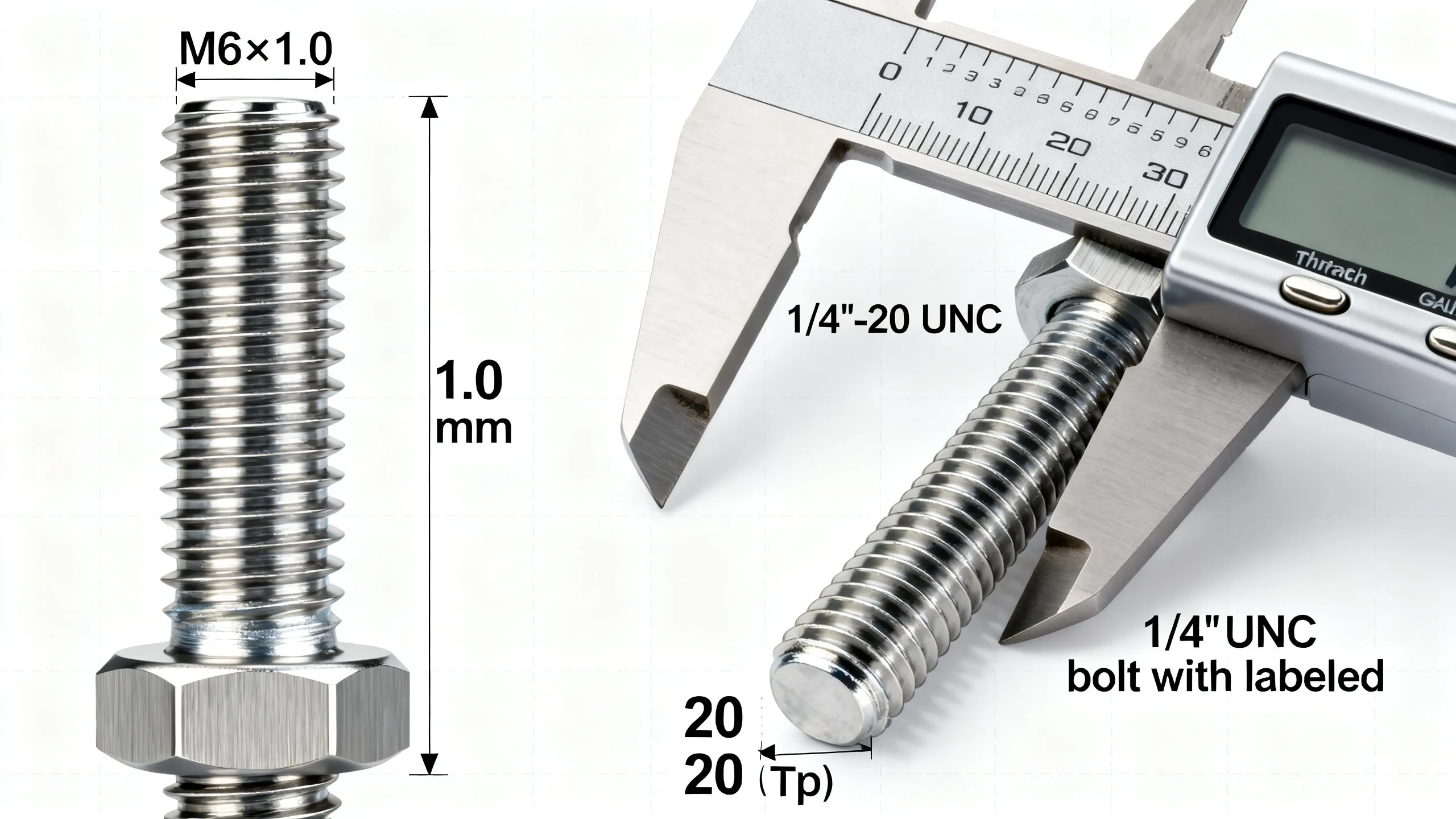
What Is Thread Pitch? A Beginner’s Guide to Fastener Thread Standards

21

Aug

What Is Thread Pitch? A Beginner’s Guide to Fastener Thread Standards

Explains thread pitch fundamentals, measurement methods, and ISO/UNC/UNF standard differences for global buyers.
View More
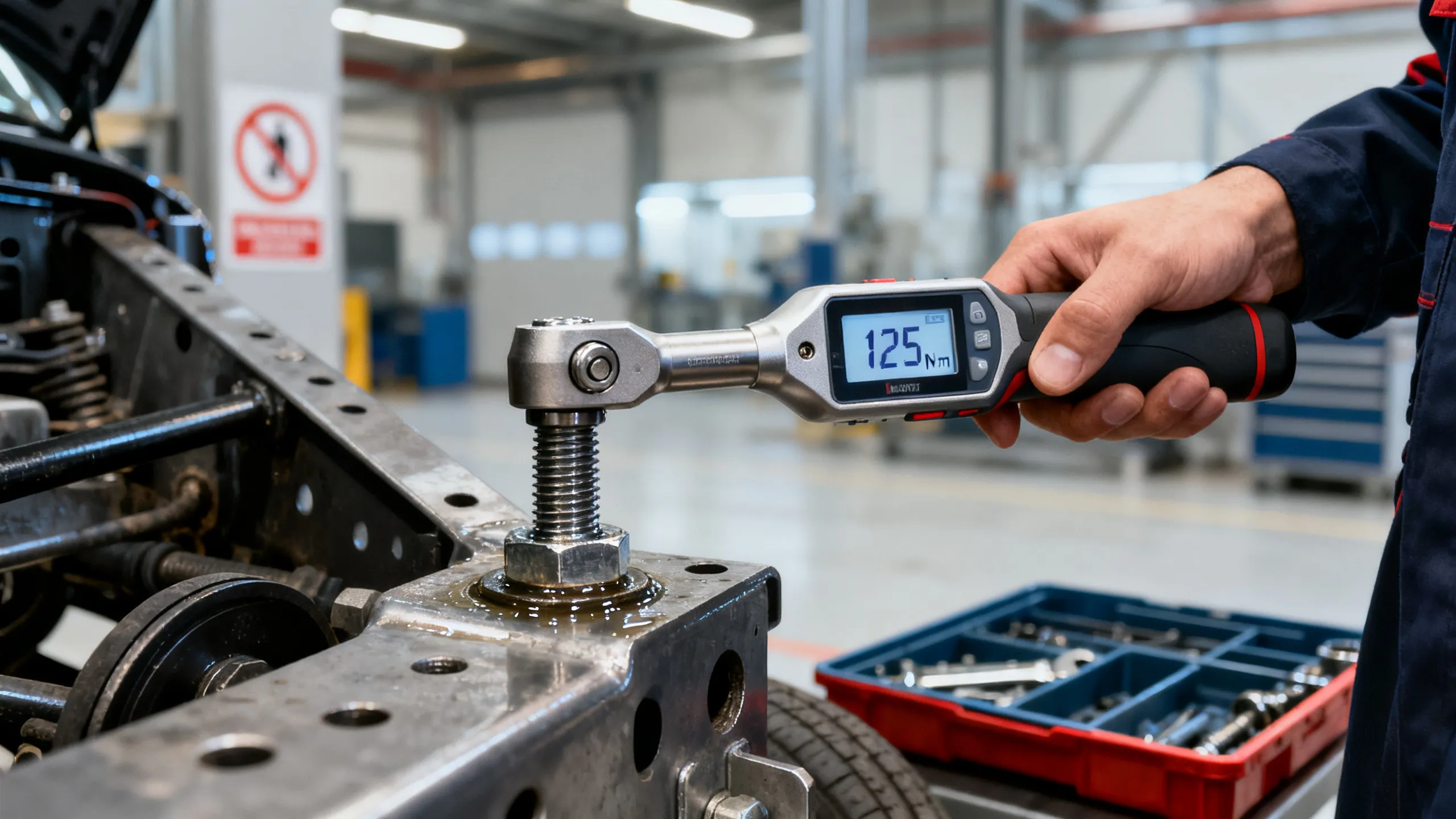
5 Common Torque Mistakes That Cause Fastener Failure in Industrial Assembly

21

Aug

5 Common Torque Mistakes That Cause Fastener Failure in Industrial Assembly

Discover 5 common torque mistakes causing bolt joint failure—under-torquing, over-torquing, friction variability, calibration gaps & wrong sequence. Fix them now.
View More
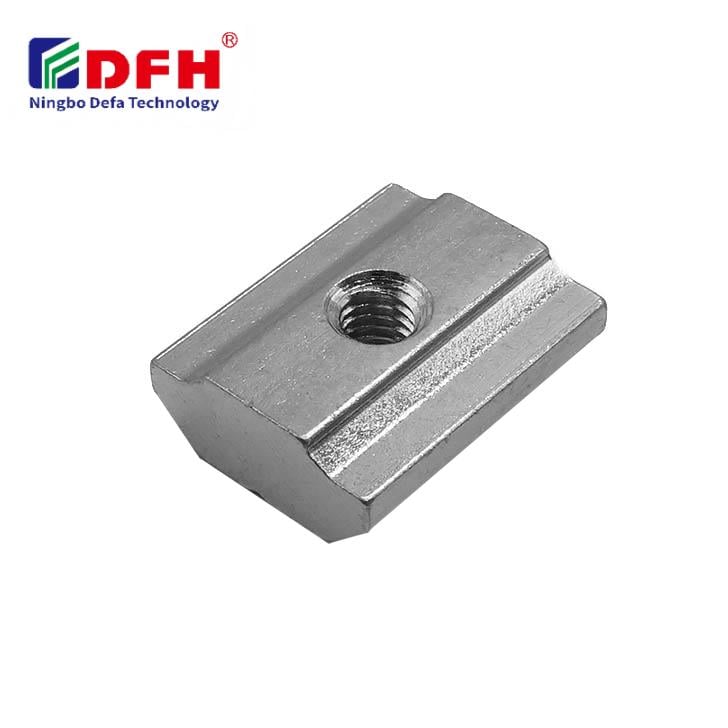
How Do T Nuts Improve Assembly Efficiency?

18

Sep

How Do T Nuts Improve Assembly Efficiency?

Struggling with slow, inflexible assembly? T nuts eliminate drilling & welding—cut fastening time by 30–45%. Discover how modular T-slot systems drive ROI. Read now.
View More
How Do You Design a Pipe Rack System Correctly?

20

Sep

How Do You Design a Pipe Rack System Correctly?

Prevent pipe rack failures & code violations. Master load calculations, material specs, layout & compliance for zero downtime. Get guide.
View More

Get a Free Quote

Our representative will contact you soon.
0/1000
Precision Adjustment Technology for Accurate Equipment Alignment

Precision Adjustment Technology for Accurate Equipment Alignment

Heavy duty leveling feet incorporate advanced threaded adjustment mechanisms that enable precise height compensation with minimal effort. The precision design allows technicians to achieve exact alignment specifications required by sensitive equipment, ensuring optimal operational performance. Each turn of the adjustment mechanism provides measurable height changes, enabling fine-tuning to fractions of an inch. This technological feature eliminates guesswork in equipment installation, reducing setup time and improving accuracy outcomes. Heavy duty leveling feet's precision adjustment capability is particularly valuable in laboratory and manufacturing environments where equipment calibration directly impacts product quality and measurement accuracy. The design accommodates both coarse and fine adjustments, providing flexibility for different installation scenarios. Users appreciate the straightforward mechanical design that requires no electrical components or complex calibration procedures, making maintenance and replacement straightforward.
Superior Load-Bearing Capacity for Demanding Industrial Applications

Superior Load-Bearing Capacity for Demanding Industrial Applications

Heavy duty leveling feet are engineered with robust construction materials and reinforced structural designs that support substantial weight distributions in challenging environments. The load-bearing capacity significantly exceeds standard leveling solutions, making heavy duty leveling feet suitable for heavy machinery, large industrial equipment, and multi-unit installations. Each foot maintains its integrity under continuous stress and vibration, preventing deformation or failure that could compromise equipment stability. Heavy duty leveling feet deliver reliable performance even in extreme temperature fluctuations and harsh chemical environments common in manufacturing and processing facilities. The durable construction ensures consistent performance across years of regular use without requiring frequent replacement. Organizations benefit from reduced maintenance intervals and fewer emergency repairs resulting from equipment failure. The proven load-bearing reliability makes heavy duty leveling feet the preferred choice for critical applications where equipment downtime poses significant operational and financial consequences.
Non-Slip Design and Vibration Isolation for Enhanced Workplace Safety

Non-Slip Design and Vibration Isolation for Enhanced Workplace Safety

Heavy duty leveling feet feature engineered non-slip base pads that prevent horizontal movement and sliding across floor surfaces, significantly improving workplace safety. The advanced elastomer compounds used in these pads create strong friction between the equipment feet and floor, maintaining secure positioning even under operational vibrations. Heavy duty leveling feet effectively isolate vibration transmission to surrounding structures, protecting adjacent equipment and reducing noise disturbance in shared facilities. The vibration isolation properties protect sensitive instruments from interference and extend the lifespan of surrounding infrastructure. Safety-conscious organizations benefit from eliminated tripping hazards caused by equipment shifting or movement. The non-slip design requires no chemical adhesives or permanent installation methods, allowing flexible equipment reconfiguration when operational requirements change. Heavy duty leveling feet provide measurable improvements in workplace safety metrics while maintaining compliance with industrial safety standards and guidelines.