EN
EN
Automotive Fastening Solutions for Tier-1 Supplier Assembly Lines in Germany
Custom high-tensile bolt and washer system deployed across German OEM supplier production lines.
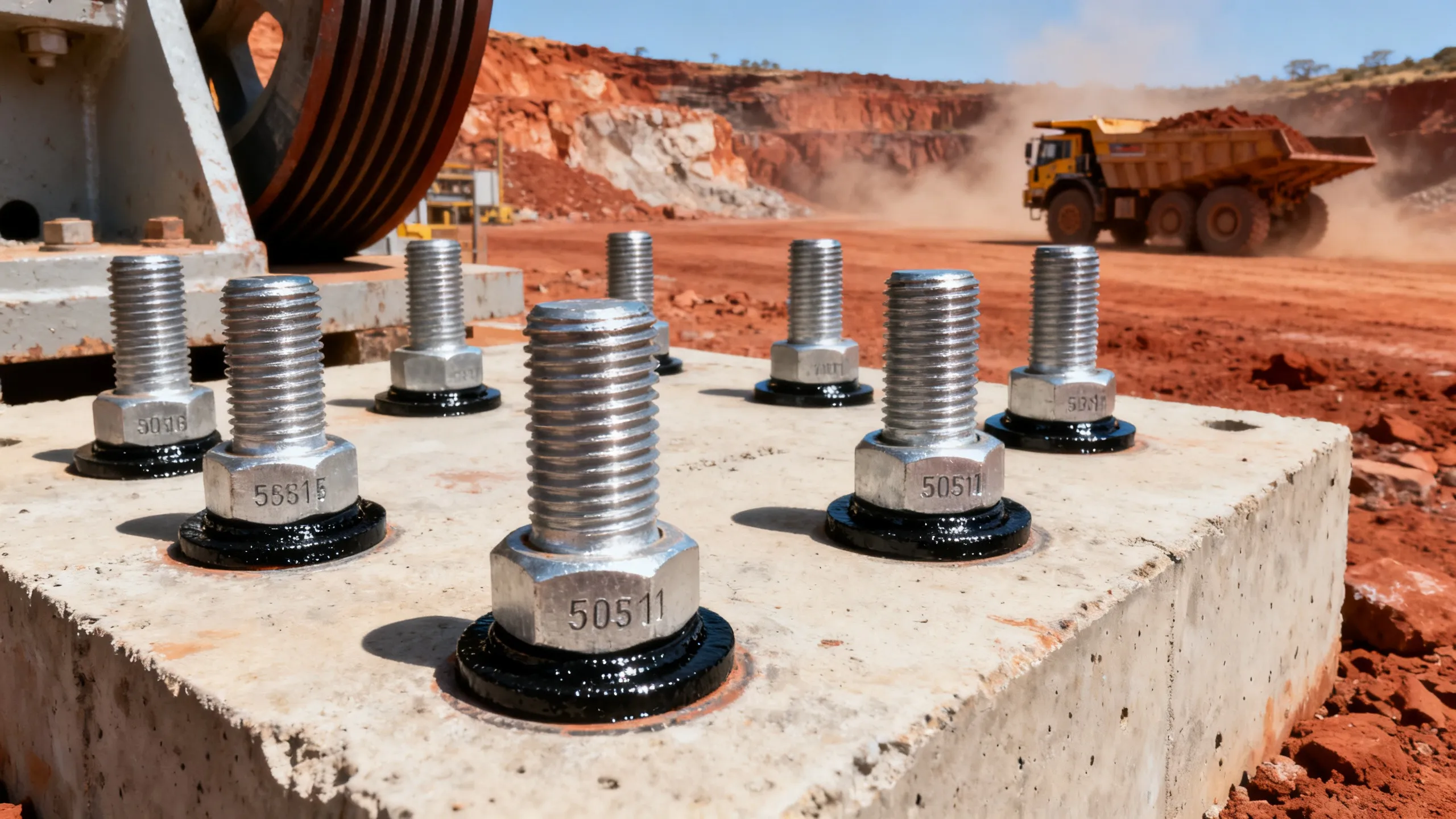
A leading Australian mining equipment operator faced recurring failures in the anchor bolt systems securing primary jaw crushers at its Western Australia iron ore processing site. The original ASTM A193 B7 bolts—designed for general industrial use—were degrading prematurely under extreme cyclic loading, abrasive dust ingress, and intermittent exposure to saline groundwater. With over 420 metric tons of crushing equipment per unit and 24/7 operational demands, unplanned downtime cost an estimated AUD $86,000 per hour. This retrofit initiative covered three identical crusher installations across two sites, replacing 1,842 critical anchor points with a purpose-engineered heavy-duty fastener solution tailored for the mining industry and machinery industry.
The root causes extended beyond simple material selection. Field inspections revealed three interlocking failure modes: (1) hydrogen-induced stress cracking (HISC) in high-tensile bolts due to residual stresses from thread rolling and galvanic coupling with stainless steel housings; (2) accelerated corrosion pitting beneath dust-laden moisture films, reducing effective cross-section by up to 37% within 14 months; and (3) micro-motion fretting wear at the bolt–baseplate interface, causing preload loss and joint instability. Standard corrosion-resistant bolts failed to address the combined mechanical–chemical–environmental triad unique to open-pit mining infrastructure. Moreover, procurement constraints required full backward compatibility with existing flange patterns, torque specifications, and OEM maintenance protocols—leaving no room for redesign or re-engineering of mounting interfaces.
We delivered a certified, drop-in replacement system centered on custom-forged ASTM A193 B7M heavy-duty fasteners, heat-treated to 120–130 ksi minimum tensile strength and stress-relieved post-threading to eliminate HISC susceptibility. Each bolt featured a duplex coating system: a zinc–nickel alloy underlayer (25 µm) for cathodic protection, topped with a ceramic-reinforced epoxy sealant (40 µm) resistant to UV, abrasion, and pH 3–11 chemical exposure. Critical threads were precision-rolled after heat treatment and lubricated with molybdenum disulfide–infused anti-seize compound meeting ISO 15184 standards. Accompanying components included hardened washer sets with serrated contact surfaces and calibrated tension-indicating nuts—enabling accurate preload verification without hydraulic tensioners. All fasteners were traceable via laser-etched lot numbers and supplied with full mill test reports (MTRs) compliant with AS/NZS 1275 and ISO 898-1.
The retrofit was executed during scheduled 72-hour maintenance windows using a phased, risk-mitigated approach. Our field engineering team conducted pre-installation ultrasonic thickness mapping of baseplates and torque calibration audits on all assembly tools. Bolts were installed in strict sequence per OEM tightening patterns, with real-time digital torque-angle monitoring to ensure ±5% preload consistency. Post-installation, we performed vibration analysis on adjacent structural members to confirm joint stiffness restoration and documented baseline acoustic emission signatures for future predictive maintenance. Training was delivered to site maintenance crews on inspection intervals, visual degradation indicators (e.g., coating blistering, white rust formation), and proper retorque protocols aligned with ISO 16047.
After 28 months of continuous operation—including exposure to monsoonal rains, 45°C ambient temperatures, and abrasive silica dust—the retrofitted bolts showed zero failures, no measurable preload loss, and only superficial coating wear on non-load-bearing surfaces. Comparative lifecycle analysis confirmed a 3.2× extension in service life versus the legacy B7 system (from 8.7 to 27.9 months median time-to-replacement). Annual maintenance labor hours dropped by 63%, spare parts inventory turnover decreased by 41%, and unplanned crusher stoppages related to fastener issues fell to zero. Crucially, the solution demonstrated full interoperability with existing OEM service manuals and digital twin models used for structural health monitoring.
‘This wasn’t just a bolt swap—it was a reliability upgrade embedded at the foundation level,’ stated the client’s Lead Maintenance Engineer. ‘The corrosion-resistant bolts maintained integrity where others failed, and the traceability gave us confidence in every single installation. We’ve since standardized this specification across six additional mining assets.’ The success has catalyzed adoption across three Tier-1 OEMs supplying crushing and screening machinery to the global mining industry.
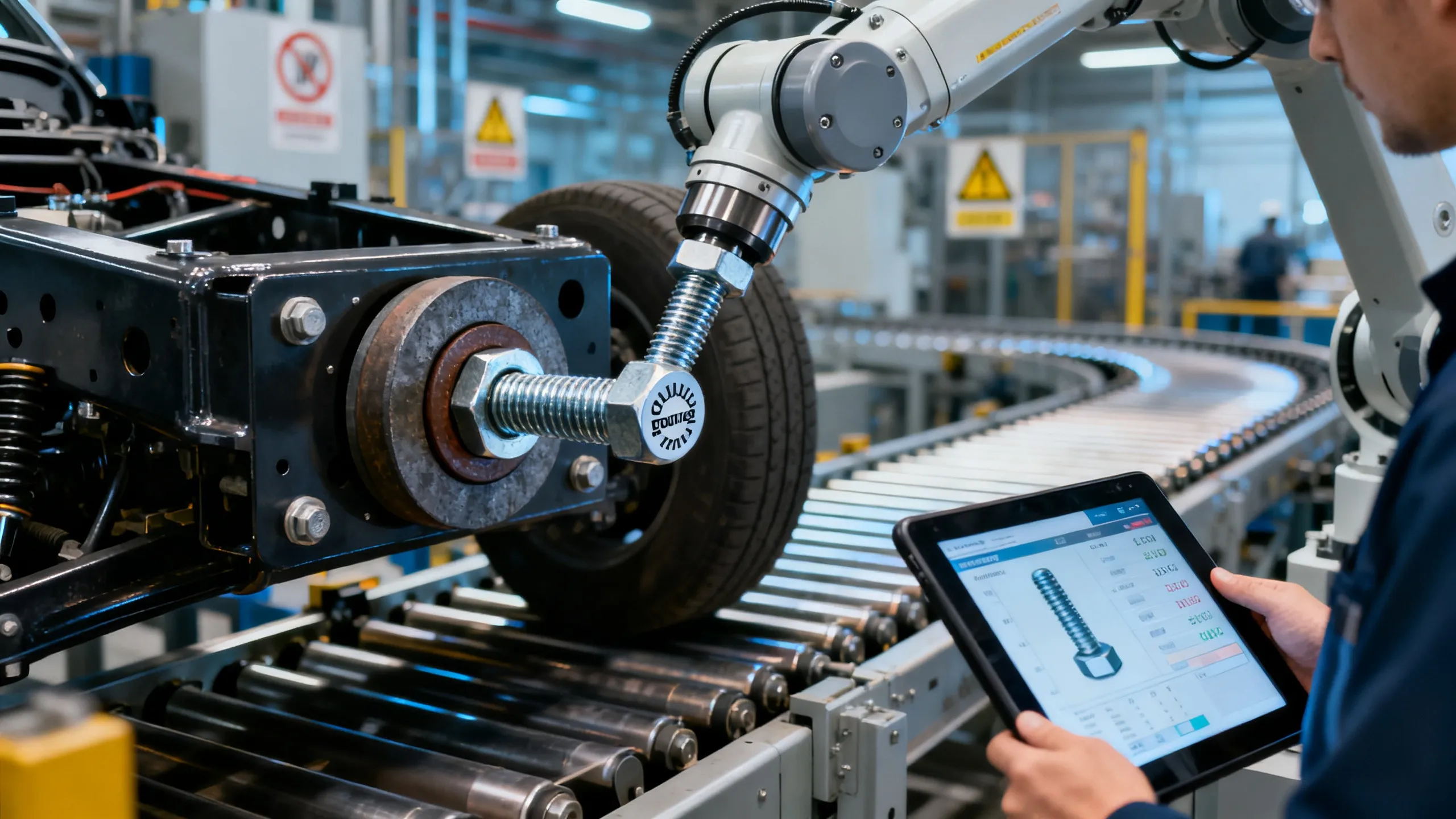
Custom high-tensile bolt and washer system deployed across German OEM supplier production lines.
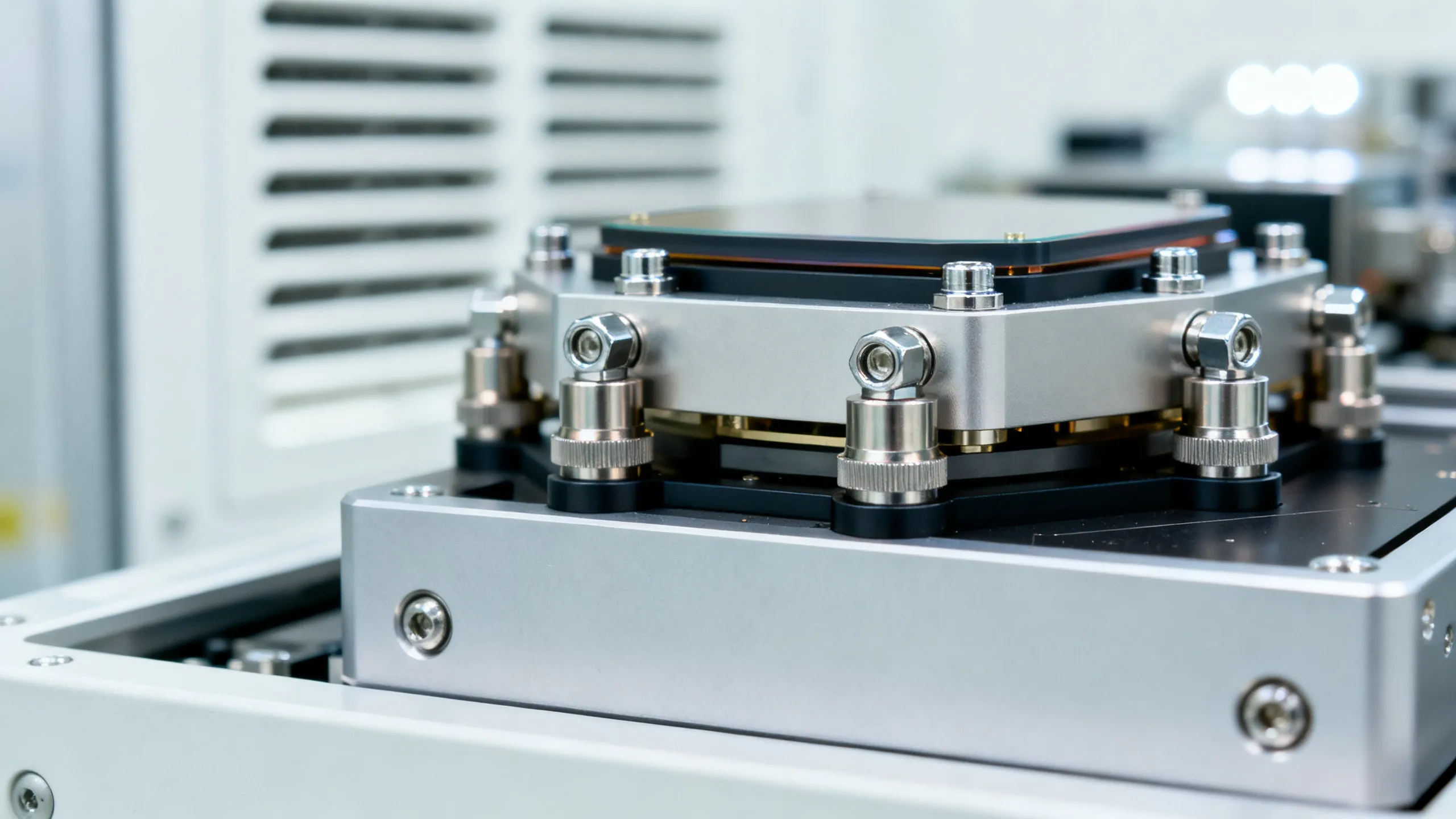
Stainless steel and titanium fastener suite enabling vibration-free, particle-free operation in wafer fab tools.