Swivel Leveling Feet | Adjustable Equipment Stabilizers

application/swivel-leveling-feet, application/swivel-leveling-feet, 
Inquiry
Inquiry

swivel leveling feet

Swivel leveling feet are precision-engineered adjustable components designed to stabilize and balance equipment, machinery, and furniture on uneven surfaces. These versatile fastening solutions feature a rotating ball-joint mechanism that enables equipment to maintain perfect level positioning regardless of floor irregularities. Swivel leveling feet combine durability with functionality, making them essential in industrial, commercial, and residential applications. The primary function of swivel leveling feet is to compensate for floor imperfections and surface variations. By allowing vertical and angular adjustment, swivel leveling feet distribute weight evenly across all contact points, preventing wobbling and instability. This capability is critical for precision equipment that requires exact positioning and stability during operation. Technologically, swivel leveling feet incorporate ball-socket designs that permit multidirectional movement while maintaining load-bearing capacity. Most swivel leveling feet feature threaded stems or mounting plates that integrate seamlessly with existing equipment bases. Advanced models include lock nuts or jam nuts to secure positioning once optimal leveling is achieved. Swivel leveling feet serve diverse applications across industries. Manufacturing facilities utilize swivel leveling feet for machinery alignment and vibration reduction. Medical facilities depend on swivel leveling feet for equipment stability and precision. Laboratory environments require swivel leveling feet for instrument accuracy. Commercial kitchens benefit from swivel leveling feet that enhance equipment safety and performance. Furniture makers incorporate swivel leveling feet into designs for aesthetic appeal and functional stability on varied flooring conditions.

Swivel leveling feet deliver exceptional practical benefits that directly improve operational efficiency and user satisfaction. Unlike fixed feet, swivel leveling feet automatically adapt to surface irregularities, eliminating time-consuming manual adjustments and leveling procedures. This adaptive capability reduces installation time significantly, allowing businesses to deploy equipment faster and minimize downtime. Operational stability represents a major advantage of swivel leveling feet. When equipment rests on swivel leveling feet, vibration transmission decreases substantially, protecting sensitive components and extending machinery lifespan. This stability enhancement prevents product defects caused by equipment movement during manufacturing or processing operations. Businesses experience reduced maintenance costs and improved productivity when using swivel leveling feet for critical applications. Swivel leveling feet enhance safety across multiple environments. Stable equipment prevents unexpected shifts that could cause injuries to workers or damage to surrounding materials. Hospitals, clinics, and research facilities particularly benefit from swivel leveling feet because they maintain precise positioning for diagnostic equipment and scientific instruments. This reliability builds confidence in measurement accuracy and operational consistency. Customers appreciate the cost-effectiveness of swivel leveling feet as long-term investments. Rather than purchasing expensive leveling compound or laser alignment equipment, organizations simply install swivel leveling feet and achieve immediate stability. The straightforward adjustment mechanism requires no specialized training, empowering employees to maintain equipment independently. Flexibility represents another compelling advantage. Swivel leveling feet accommodate various floor types including tile, concrete, wood, and carpet, making them suitable for diverse workplace environments. Whether upgrading existing equipment or installing new systems, swivel leveling feet provide universal compatibility. This adaptability makes swivel leveling feet the preferred solution for facilities managing multiple equipment types across different locations.

Latest News

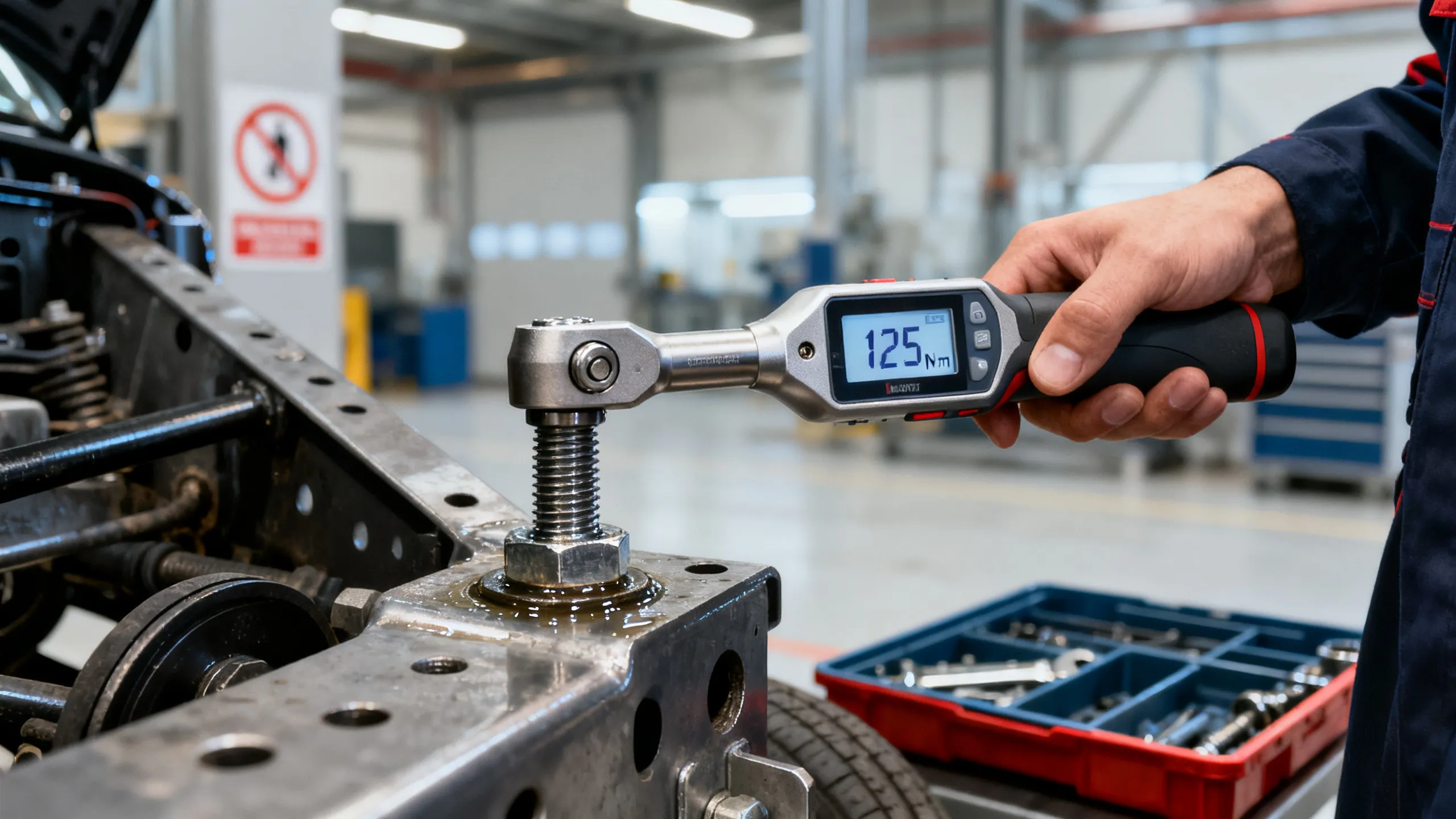
5 Common Torque Mistakes That Cause Fastener Failure in Industrial Assembly

21

Aug

5 Common Torque Mistakes That Cause Fastener Failure in Industrial Assembly

Discover 5 common torque mistakes causing bolt joint failure—under-torquing, over-torquing, friction variability, calibration gaps & wrong sequence. Fix them now.
View More
Why Choose T Nuts Over Standard Fasteners?

18

Sep

Why Choose T Nuts Over Standard Fasteners?

Why leading manufacturers choose T nuts for flexibility, cost savings & scalability. Discover how threaded inserts boost agility and ROI. Get the comparison guide.
View More
What Is a Pipe Rack System and Core Functions?

18

Sep

What Is a Pipe Rack System and Core Functions?

What is a pipe rack system? Discover its 3 core functions—support, organization & reliability—in industrial facilities. Essential for engineers & procurement pros. Learn more.
View More
What Corrosion Resistance Ratings Apply to Aluminum Profiles?

20

Sep

What Corrosion Resistance Ratings Apply to Aluminum Profiles?

Master aluminum profile corrosion resistance standards. Understand ASTM B221, ISO 7599 anodizing grades & specs for marine, industrial & architecture.
View More

Get a Free Quote

Our representative will contact you soon.
0/1000
Multidirectional Adjustment Capability

Multidirectional Adjustment Capability

Swivel leveling feet excel at accommodating complex floor variations through their innovative ball-socket mechanism. This design permits movement in multiple planes simultaneously, enabling swivel leveling feet to achieve perfect leveling on floors with multiple irregularities. Unlike single-axis adjustable feet, swivel leveling feet adjust vertically and horizontally without requiring repositioning or additional hardware. This multidirectional flexibility means equipment operators spend minimal time on setup and alignment procedures. Facilities with older floors or uneven concrete surfaces particularly benefit from swivel leveling feet because they eliminate the need for expensive floor preparation. The independent adjustment feature of swivel leveling feet ensures each foot can settle naturally at its optimal height, creating stable platforms that support precise manufacturing and equipment operation. Organizations choosing swivel leveling feet reduce installation complexity while achieving superior stability compared to traditional fixed feet or shims.
Enhanced Equipment Longevity and Performance

Enhanced Equipment Longevity and Performance

Installing swivel leveling feet extends machinery lifespan by distributing weight evenly and minimizing vibration-related stress. When equipment sits on swivel leveling feet, mechanical components experience reduced movement and friction, decreasing wear rates substantially. This stabilization benefit of swivel leveling feet prevents premature bearing failure, seal degradation, and alignment problems that commonly affect unstable equipment. Manufacturing operations depend on swivel leveling feet to maintain precision tolerances throughout extended production runs. The consistent stability provided by swivel leveling feet translates to superior product quality and fewer rejected items. Additionally, equipment utilizing swivel leveling feet requires less frequent recalibration because they maintain reliable positioning automatically. Businesses implementing swivel leveling feet experience measurable improvements in output quality and operational reliability, making swivel leveling feet a worthwhile investment in equipment maintenance strategy and long-term asset protection.
Universal Compatibility and Easy Installation

Universal Compatibility and Easy Installation

Swivel leveling feet integrate effortlessly with diverse equipment types and mounting configurations through their standardized design specifications. Available in multiple sizes, materials, and thread specifications, swivel leveling feet accommodate virtually any application requirement. Installation requires only basic tools and minimal technical expertise, empowering facility managers to upgrade equipment independently. The straightforward installation process of swivel leveling feet reduces labor costs associated with professional equipment servicing. Facilities benefit from swivel leveling feet because they work on existing equipment without requiring modifications or custom fabrication. Whether retrofitting vintage machinery or equipping new installations, swivel leveling feet provide flexible solutions that adapt to various operational environments. The universal nature of swivel leveling feet makes them ideal inventory items for maintenance departments serving multiple facilities and equipment types, streamlining procurement processes and ensuring consistent equipment stability across organizational operations.