Scaffold Leveling Feet | Professional Leveling Solutions

application/scaffold-leveling-feet, application/scaffold-leveling-feet, 
Inquiry
Inquiry

scaffold leveling feet

Scaffold leveling feet are essential components designed to provide stability and proper alignment for temporary structures and work platforms. These adjustable support systems serve as the foundation for safe and efficient scaffolding installations across various industries. Scaffold leveling feet function by distributing weight evenly across uneven surfaces, ensuring that the entire structure remains perfectly horizontal and secure. The primary function of scaffold leveling feet is to compensate for ground irregularities that commonly occur on construction sites, industrial facilities, and temporary workspaces. By adjusting the height of individual scaffold leveling feet, workers can achieve precise leveling regardless of terrain conditions. This capability prevents structural tilting and maintains compliance with safety regulations. Technologically, modern scaffold leveling feet incorporate threaded adjustment mechanisms that allow for fine-tuning height measurements. These components typically feature heavy-duty steel construction with corrosion-resistant coatings to withstand harsh environmental conditions. The design of scaffold leveling feet includes bearing plates that spread loads across a wider surface area, reducing ground stress and preventing sinking. Applications for scaffold leveling feet span numerous industries including construction, maintenance, event setup, and industrial manufacturing. They prove invaluable when setting up temporary platforms on concrete, asphalt, grass, or other uneven surfaces. Scaffold leveling feet enhance safety protocols by ensuring structural integrity and worker protection. Their versatility makes them indispensable for any project requiring temporary elevated workspaces.

Scaffold leveling feet deliver substantial practical benefits that directly improve construction site operations and worker safety. These adjustable components eliminate the need for costly ground preparation, saving both time and resources during project setup. By allowing quick height adjustments, scaffold leveling feet reduce installation time significantly compared to traditional shimming methods. Operational efficiency improves dramatically when using scaffold leveling feet, as teams can rapidly level structures across challenging terrain without specialized equipment or extensive labor. This efficiency translates to cost savings and accelerated project timelines. Workers experience improved confidence knowing their platforms rest on properly leveled, secure foundations provided by quality scaffold leveling feet. For construction companies, scaffold leveling feet represent a smart investment in equipment longevity. Proper leveling prevents uneven stress distribution that causes premature wear and structural damage to scaffolding systems. This protection extends equipment lifespan and reduces replacement expenses over time. The safety benefits of scaffold leveling feet cannot be overstated. Uneven platforms create dangerous working conditions that increase accident risks and potential liability issues. Scaffold leveling feet ensure compliance with industry safety standards and OSHA regulations by maintaining proper platform alignment. This compliance protects workers and shields companies from costly penalties. Application suitability makes scaffold leveling feet essential for diverse project types. Whether working on hillside slopes, urban rooftops, or industrial facilities with uneven foundations, these components adapt to any situation. Decision-useful product context shows that investing in quality scaffold leveling feet pays dividends through enhanced safety, improved efficiency, and reduced overall project costs.

Latest News

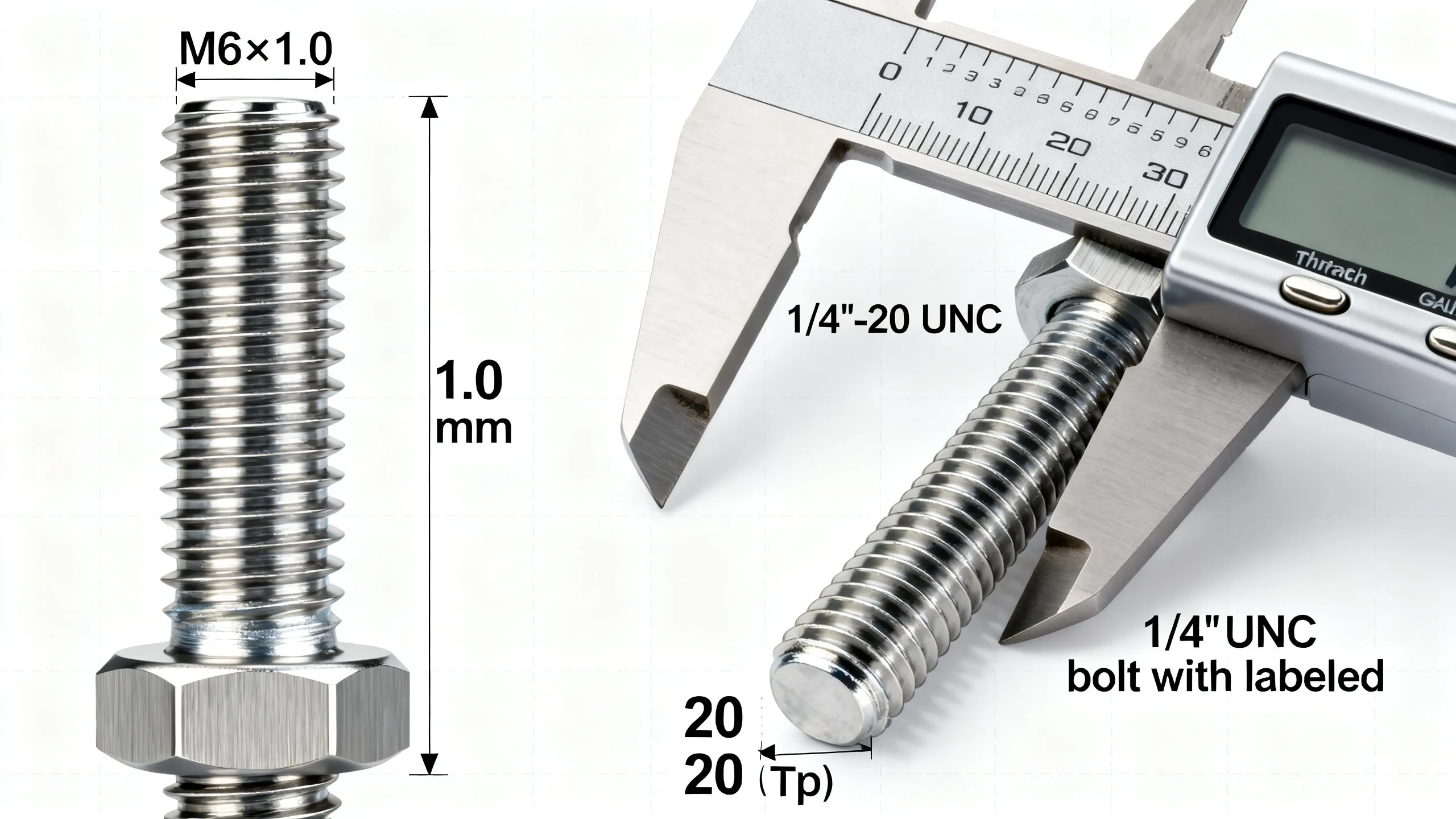
What Is Thread Pitch? A Beginner’s Guide to Fastener Thread Standards

21

Aug

What Is Thread Pitch? A Beginner’s Guide to Fastener Thread Standards

Explains thread pitch fundamentals, measurement methods, and ISO/UNC/UNF standard differences for global buyers.
View More
How Do Pipe Rack Systems Reduce Installation Time?

20

Sep

How Do Pipe Rack Systems Reduce Installation Time?

How do pipe rack systems slash installation time? Discover how prefabricated, modular piping frameworks reduce labor by 40–60%, boost safety, and cut project costs. Learn more.
View More
How Do You Design a Pipe Rack System Correctly?

20

Sep

How Do You Design a Pipe Rack System Correctly?

Prevent pipe rack failures & code violations. Master load calculations, material specs, layout & compliance for zero downtime. Get guide.
View More
What Safety Standards Apply to Pipe Rack Systems?

20

Sep

What Safety Standards Apply to Pipe Rack Systems?

Which safety standards apply to your pipe rack system? Understand ASME B31, EN 13480, corrosion allowances, load calculations & compliance steps. Download the full guide.
View More

Get a Free Quote

Our representative will contact you soon.
0/1000
Precision Leveling Capability

Precision Leveling Capability

Scaffold leveling feet provide exceptional precision through advanced threaded adjustment mechanisms that achieve exact height measurements. This technology enables workers to level scaffolding systems to within fractions of an inch, ensuring optimal platform stability. The precision leveling capability of scaffold leveling feet eliminates dangerous tilting that compromises worker safety. Construction teams benefit from this accuracy by reducing setup time and improving overall project efficiency. The threaded design allows incremental adjustments, making scaffold leveling feet suitable for complex terrain with multiple elevation changes. Precision leveling with these feet prevents stress concentrations that typically damage equipment, extending the lifespan of expensive scaffolding systems significantly. This capability proves invaluable when working on demanding projects requiring specific platform alignments.
Heavy-Duty Construction Quality

Heavy-Duty Construction Quality

Scaffold leveling feet feature robust steel construction designed to withstand demanding industrial environments and extreme weather conditions. The heavy-duty materials used in scaffold leveling feet provide exceptional durability and resistance to corrosion, ensuring reliable performance throughout extended service life. Reinforced bearing plates distribute loads effectively across wider surface areas, preventing structural failures under heavy equipment loads. The engineering of scaffold leveling feet reflects industry standards for maximum load capacity and safety compliance. Workers gain confidence knowing their platforms rest on dependable scaffold leveling feet built to endure rigorous job site conditions. This construction quality minimizes maintenance requirements and reduces unexpected equipment failures that disrupt project schedules. Superior material selection in scaffold leveling feet translates to long-term cost savings and sustained operational reliability.
Versatile Surface Adaptation

Versatile Surface Adaptation

Scaffold leveling feet excel at adapting to virtually any ground surface, from concrete and asphalt to soil, grass, and irregular terrain. This versatility eliminates expensive ground preparation requirements that increase project costs and extend timelines. The design of scaffold leveling feet allows installation on challenging landscapes where traditional scaffolding would be impossible. Construction professionals appreciate how scaffold leveling feet simplify work on hillsides, uneven construction sites, and locations with poor ground conditions. The broad base plate of scaffold leveling feet prevents sinking while maintaining stable support across different soil densities. This adaptability makes scaffold leveling feet the preferred solution for temporary structure installation in diverse geographical and environmental contexts. Versatile surface adaptation capabilities reduce project delays caused by site preparation challenges.