M5 T Nut: Premium Industrial Fastening Solution

application/m5-t-nut, application/m5-t-nut, 
Inquiry
Inquiry

m5 t nut

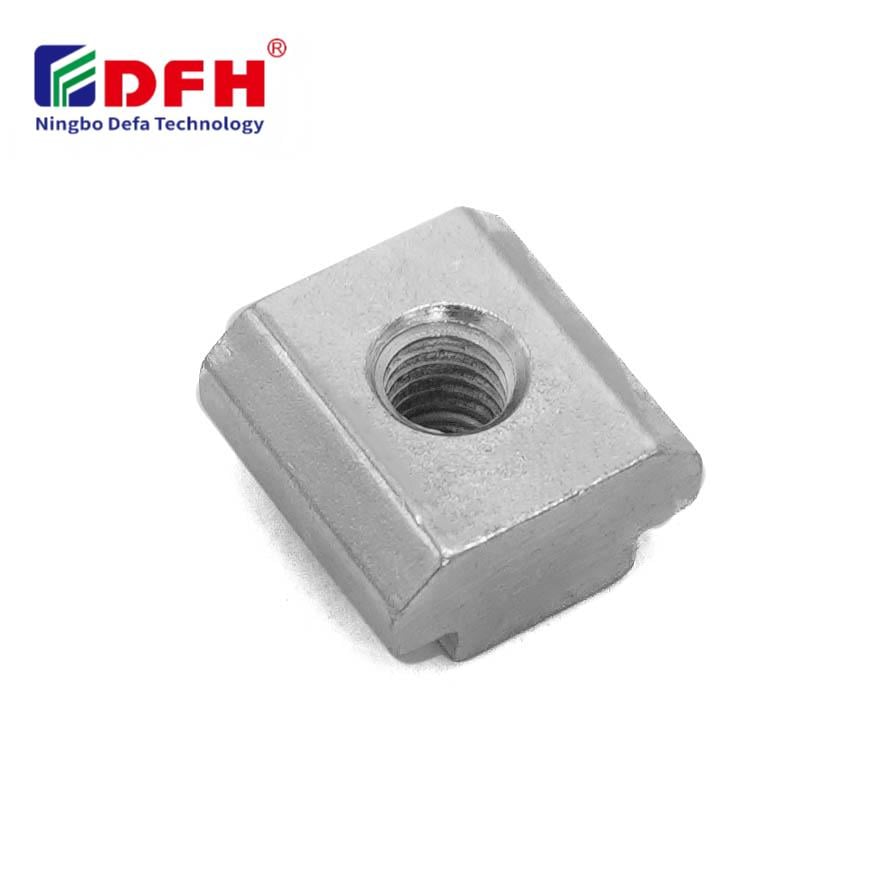
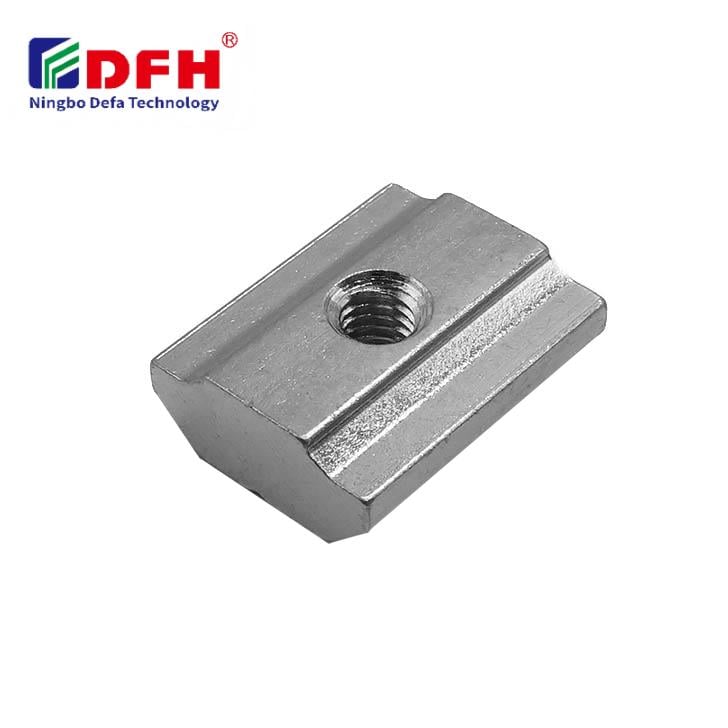
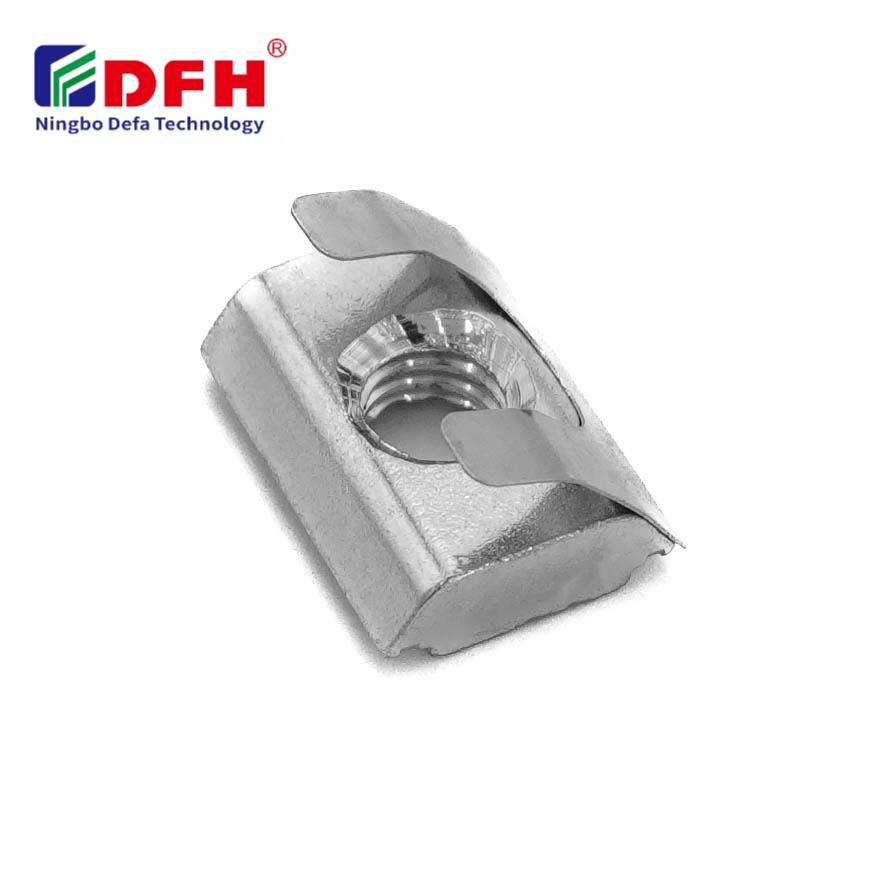
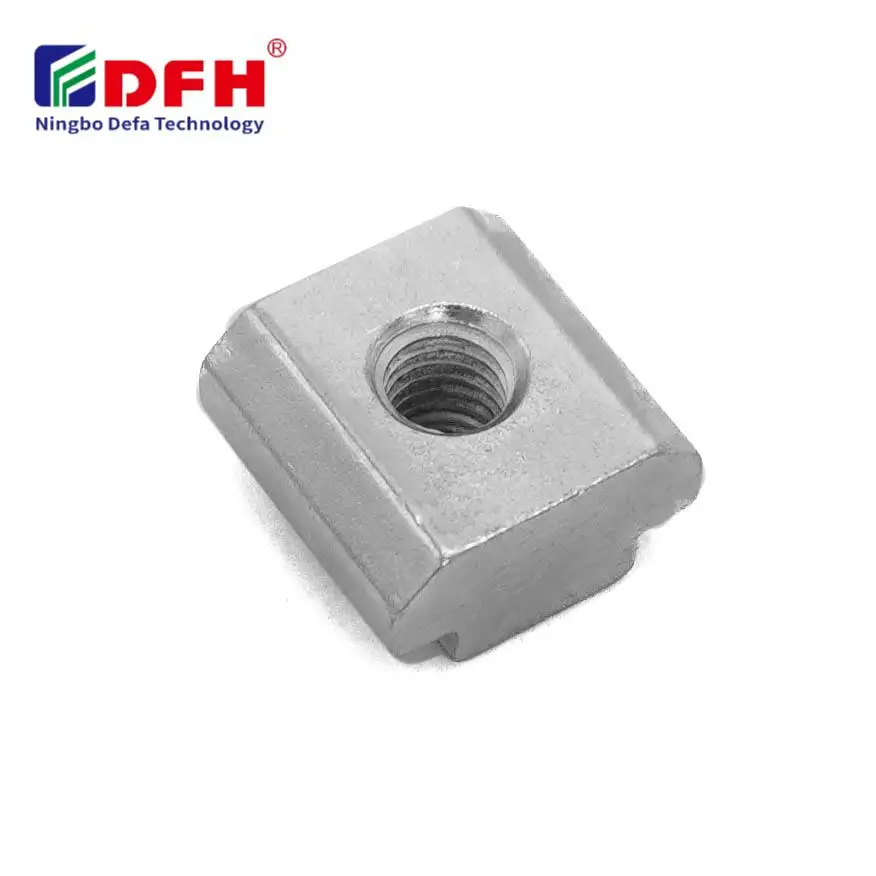
The M5 T nut is a precision fastening component designed for secure attachment and alignment in industrial applications. This specialized M5 T nut features a T-shaped slot configuration that integrates seamlessly with T-slot aluminum profiles, framing systems, and modular workbenches commonly used across manufacturing and construction sectors. The M5 T nut represents an essential hardware solution for professionals seeking reliable, repeatable connections without permanent structural modifications. Functionally, the M5 T nut operates by sliding into T-slot channels, where its unique geometry captures bolts and fasteners with exceptional holding power. The M5 T nut design eliminates the need for welding or drilling, providing flexibility in assembly and reconfiguration. Its metric M5 thread specification ensures compatibility with standard fastening systems and international manufacturing standards. Technologically, the M5 T nut incorporates hardened steel construction that withstands vibration, thermal stress, and repetitive loading cycles. The precision-engineered M5 T nut profile maintains dimensional accuracy across production batches, ensuring consistent performance in demanding environments. Advanced surface treatments protect against corrosion and extend operational longevity. Applications for the M5 T nut span machine manufacturing, automation equipment, industrial workstations, and modular assembly lines. The M5 T nut serves laboratories, research facilities, and custom fabrication shops requiring adaptable fastening solutions. Its versatility makes the M5 T nut indispensable for professionals designing flexible production systems and temporary installations.
The M5 T nut delivers significant practical benefits that streamline assembly processes and reduce project timelines. Unlike traditional fastening methods requiring drilling, the M5 T nut slides directly into existing T-slot channels, saving installation time and preserving structural integrity. This efficiency translates to lower labor costs and faster equipment deployment across operational environments. Operational advantages of the M5 T nut include superior holding power that resists vibration-induced loosening common in factory settings. The M5 T nut maintains tension consistency throughout equipment lifecycles, minimizing maintenance interruptions and unexpected downtime. Its robust design handles heavy-duty applications without deformation or performance degradation, ensuring reliability during continuous operation. The M5 T nut excels in application suitability for industries requiring frequent equipment reconfiguration and layout modifications. Manufacturing facilities benefit from the M5 T nut's adaptability when restructuring production lines or implementing new assembly workflows. The M5 T nut enables rapid redesign without permanent structural damage, supporting lean manufacturing principles and agile production strategies. From a decision-making perspective, the M5 T nut represents exceptional value through its reusability across multiple projects and installations. Organizations implementing the M5 T nut experience reduced material waste and improved sustainability metrics. The M5 T nut's compatibility with standard aluminum profiles and industrial framing systems provides vendor flexibility and reduces procurement complexity. Its cost-effectiveness becomes apparent when comparing total lifecycle expenses against alternatives requiring specialized tools, professional installation, or structural reinforcement. The M5 T nut emerges as the practical choice for budget-conscious operations seeking dependable fastening solutions.

Latest News

Why Choose T Nuts Over Standard Fasteners?

18

Sep

Why Choose T Nuts Over Standard Fasteners?

Why leading manufacturers choose T nuts for flexibility, cost savings & scalability. Discover how threaded inserts boost agility and ROI. Get the comparison guide.
View More
Which Industries Rely on Pipe Rack Systems Most?

20

Sep

Which Industries Rely on Pipe Rack Systems Most?

Discover how oil & gas, chemical, pharma, power & utilities drive industrial pipe rack ROI. Master compliance, structural safety & uptime specs.
View More
How Long Do Aluminum Profiles Typically Last?

20

Sep

How Long Do Aluminum Profiles Typically Last?

How long do aluminum profiles really last? Discover how alloy grade, coatings, environment & maintenance impact 30–50-year durability. Get expert guidance now.
View More
How Should You Install a Pipe Rack System?

20

Sep

How Should You Install a Pipe Rack System?

Prevent pipe rack failures & code violations. Master 7 installation steps for structural integrity, compliance & zero downtime. Get checklist.
View More

Get a Free Quote

Our representative will contact you soon.
0/1000
Superior Load-Bearing Capacity and Durability

Superior Load-Bearing Capacity and Durability

The M5 T nut engineered with premium hardened steel delivers exceptional load-bearing capacity suitable for heavy industrial applications. This construction methodology ensures the M5 T nut withstands significant lateral and vertical forces without compromising structural stability. The M5 T nut maintains its integrity through thousands of load cycles, proving invaluable for dynamic machinery and automated equipment constantly experiencing mechanical stress. The M5 T nut's hardened steel composition resists deformation, shearing, and fatigue failures that plague inferior fastening components. Professional engineers specify the M5 T nut for critical applications where equipment failure poses safety risks or operational disruption. The durability inherent in quality M5 T nut products ensures minimal replacement frequency and extended equipment service life. Industries depending on continuous production operations recognize the M5 T nut as a cornerstone reliability component.
Effortless Installation Without Structural Modification

Effortless Installation Without Structural Modification

The M5 T nut revolutionizes assembly processes by eliminating tedious drilling, tapping, and welding procedures. Simply inserting the M5 T nut into T-slot channels provides immediate fastening capability without permanent structural changes. This installation methodology proves revolutionary for temporary installations, prototype development, and frequently reconfigured workspaces. The M5 T nut's slide-in design accommodates rapid equipment repositioning and system redesigns that would be impossible with traditional fastening approaches. Technicians and assembly specialists appreciate the M5 T nut's user-friendly deployment, reducing training requirements and installation errors. The M5 T nut's non-invasive application preserves equipment resale value and enables component reuse across different projects. Organizations implementing the M5 T nut experience dramatically reduced assembly time and enhanced operational flexibility that directly improves productivity metrics and competitive positioning.
Universal Compatibility and Cost-Effective Standardization

Universal Compatibility and Cost-Effective Standardization

The M5 T nut achieves universal compatibility with standard T-slot aluminum profiles used throughout industrial manufacturing. This standardization eliminates vendor lock-in concerns and provides multiple sourcing options, ensuring competitive pricing and supply chain reliability. The M5 T nut's metric M5 specification aligns with international fastening standards, facilitating cross-border equipment integration and global supply chain participation. The M5 T nut's widespread adoption across industries creates robust secondary markets and abundant accessory ecosystems. Organizations leveraging the M5 T nut benefit from extensive technical documentation, installation guides, and professional support resources. The M5 T nut's standardization reduces inventory complexity by consolidating fastening components across diverse applications. This standardization philosophy embedded in the M5 T nut design delivers substantial cost savings throughout equipment lifecycles while maintaining performance quality and operational reliability standards.