Extrusion T Nuts | Modular Fastening

application/extrusion-t-nuts, application/extrusion-t-nuts, 
Inquiry
Inquiry

extrusion t nuts

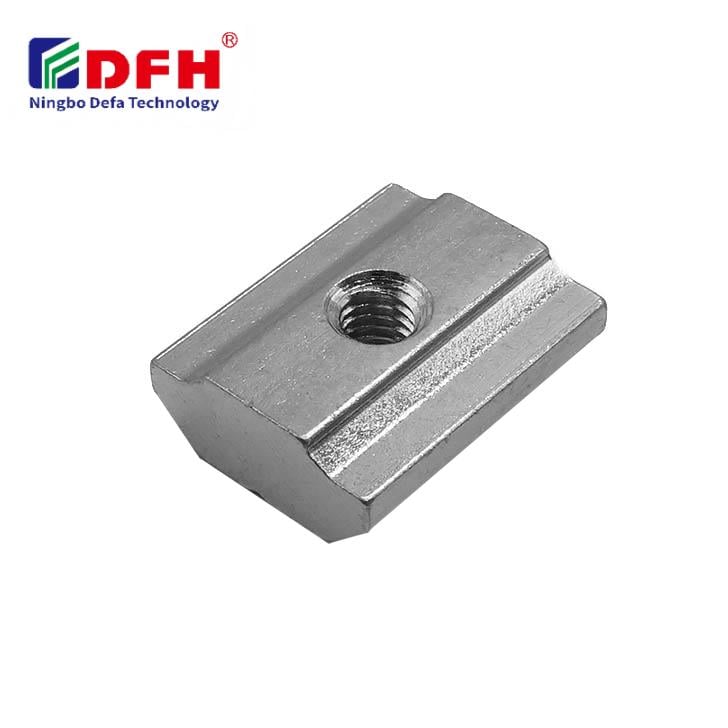
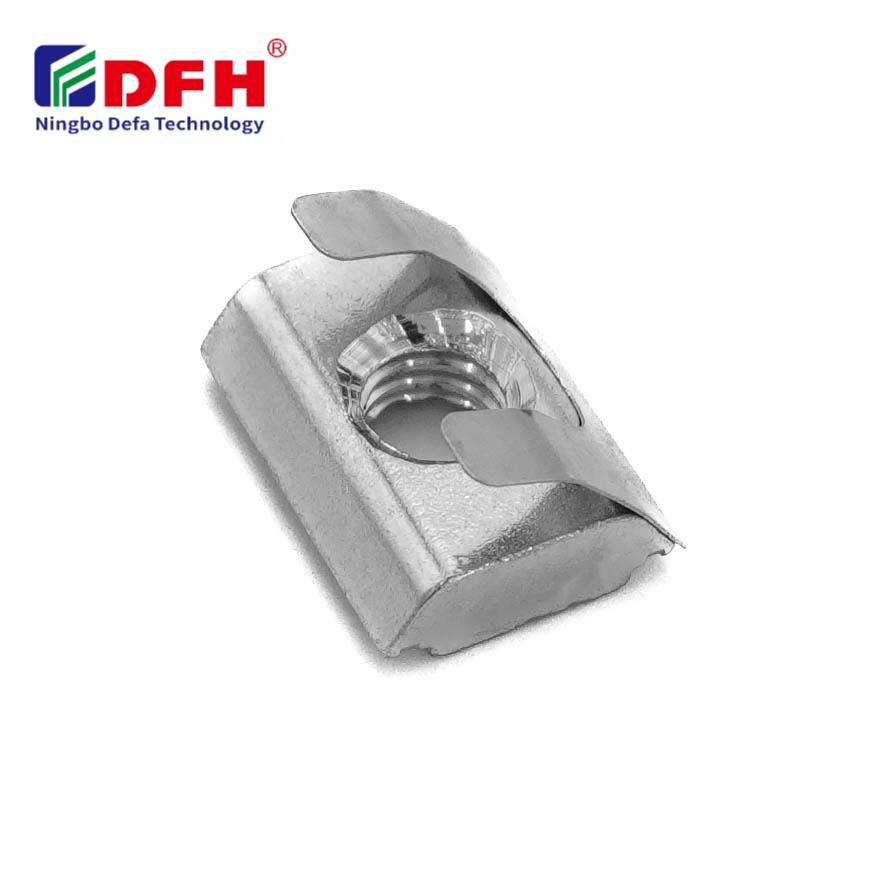
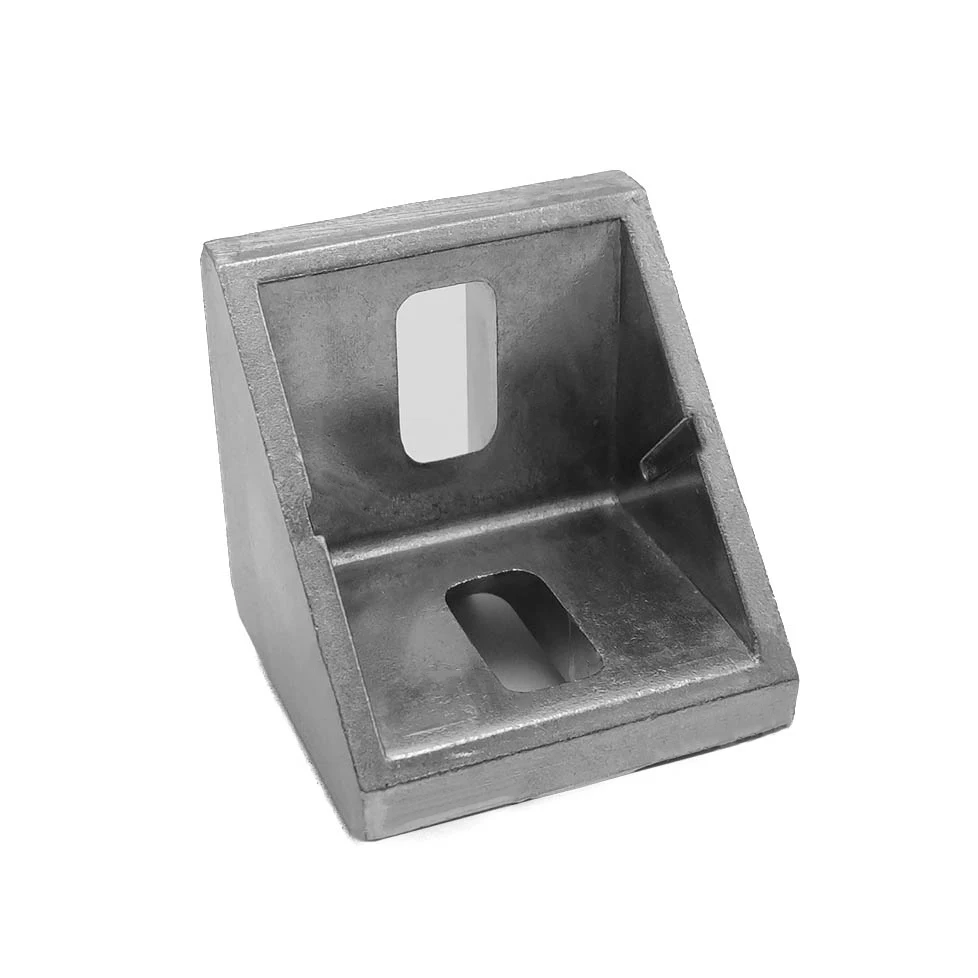
Extrusion T nuts are specialized fastening components designed to work seamlessly with aluminum extrusion systems and modular framing structures. These innovative fasteners slide into the T-shaped slots found along aluminum profiles, providing secure attachment points for various components without requiring external drilling or tapping. Extrusion T nuts come in multiple sizes and materials, including zinc-plated steel and stainless steel options, ensuring compatibility with different extrusion dimensions and environmental conditions. The primary function of extrusion T nuts is to create flexible, adjustable connection points within aluminum extrusion frameworks. Unlike traditional fastening methods, extrusion T nuts eliminate the need for permanent modifications to the structural profile itself. This capability makes them invaluable in industries requiring frequent reconfiguration or maintenance access. Key technological features include their precision-engineered design, which ensures smooth insertion and secure grip within slot systems. The threaded center allows bolts to attach securely, while the retaining wings or barbs prevent unwanted rotation or dislodging during operation. Modern extrusion T nuts incorporate enhanced load-bearing capacities and corrosion resistance properties. Applications span across manufacturing workstations, automation equipment, industrial machinery frameworks, laboratory setups, retail display systems, and architectural installations. Their versatility extends to machine guarding, conveyor systems, and custom fixture assembly. Whether you're building lightweight frameworks or supporting moderate loads, extrusion T nuts provide the reliability and flexibility needed for dynamic assembly solutions in professional and commercial environments.
Extrusion T nuts deliver exceptional practical benefits that transform how professionals approach fastening and assembly work. The most significant advantage is their tool-free installation capability—simply slide extrusion T nuts into the aluminum profile slot without requiring specialized equipment or extensive setup time. This streamlined process dramatically reduces assembly duration and labor costs. Operational efficiency reaches new heights with extrusion T nuts because they support tool-less reconfiguration. When your project requirements change, you can reposition or relocate components by simply loosening bolts and sliding the fasteners along the slot—no drilling, no permanent damage to your equipment. This adaptability proves invaluable in manufacturing environments where frequent adjustments maintain productivity. Extrusion T nuts offer superior load distribution across the aluminum profile surface, creating stable, secure attachment points that withstand vibration and movement. This distributed-load design reduces stress concentration compared to traditional drilling methods, extending equipment lifespan and improving safety. The investment value becomes clear when considering reduced material waste and minimized rework requirements. Extrusion T nuts work with existing aluminum profile infrastructure, eliminating costly modifications or replacements. Their standardized compatibility across various extrusion manufacturers ensures you can source components from multiple suppliers, protecting your projects from supply chain disruptions. Cost-effectiveness extends beyond installation—maintenance becomes simpler and more affordable. When components fail or need upgrades, you can quickly swap parts without compromising the primary structure. Additionally, extrusion T nuts maintain their functionality across temperature variations and challenging industrial environments, reducing replacement frequency and associated downtime expenses.

Practical Tips

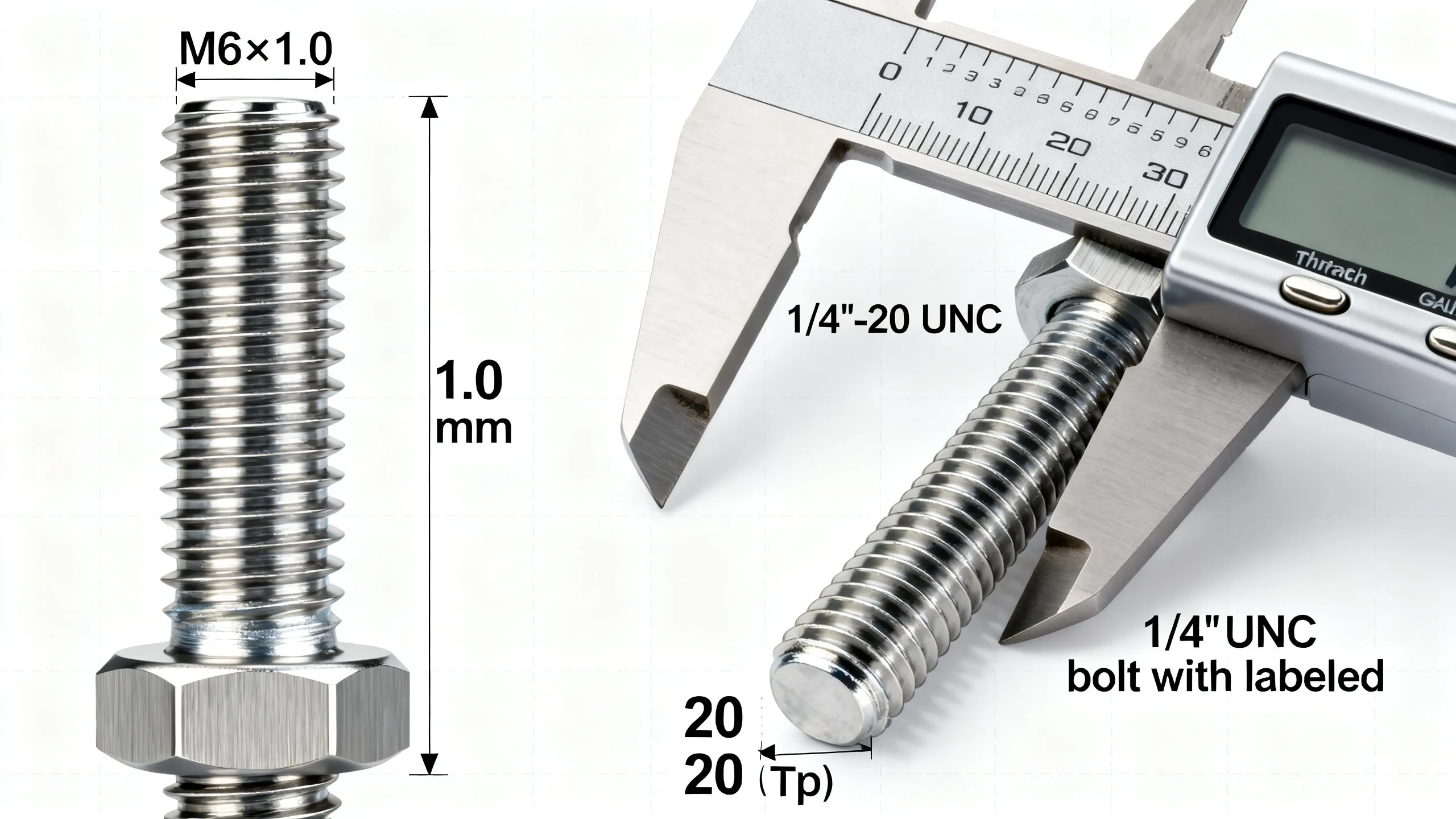
What Is Thread Pitch? A Beginner’s Guide to Fastener Thread Standards

21

Aug

What Is Thread Pitch? A Beginner’s Guide to Fastener Thread Standards

Explains thread pitch fundamentals, measurement methods, and ISO/UNC/UNF standard differences for global buyers.
View More
What Maintenance Practices Extend Pipe Rack Life?

20

Sep

What Maintenance Practices Extend Pipe Rack Life?

Prevent premature pipe rack failure. Master 10 maintenance practices—corrosion control, bolt checks, weld inspections & more to extend life.
View More
How Do You Design a Pipe Rack System Correctly?

20

Sep

How Do You Design a Pipe Rack System Correctly?

Prevent pipe rack failures & code violations. Master load calculations, material specs, layout & compliance for zero downtime. Get guide.
View More
How Should You Maintain a Pipe Rack System?

20

Sep

How Should You Maintain a Pipe Rack System?

Safeguard industrial pipe racks from failure. Master corrosion control, bolt management, weld audits & structural verification to protect uptime. Get guide.
View More

Get a Free Quote

Our representative will contact you soon.
0/1000
Quick Installation Without Specialized Tools

Quick Installation Without Specialized Tools

Extrusion T nuts revolutionize assembly workflows by eliminating the need for drilling, tapping, or complex fastening procedures. Simply align the fastener with the T-shaped slot and slide it into position—no power tools, no pre-drilling, no specialized training required. This intuitive installation method dramatically reduces labor time and associated costs while minimizing skill requirements for assembly technicians. The tool-free advantage means your team spends less time on fastening tasks and more time on productive work. Whether you're assembling machine frames, workstations, or custom fixtures, extrusion T nuts accelerate the entire installation process. This efficiency becomes particularly valuable during high-volume production runs or time-sensitive projects where every minute counts. The simplified installation process also reduces errors and rework, further enhancing productivity and maintaining consistent project timelines throughout your operations.
Flexible Reconfiguration and Adjustment Capabilities

Flexible Reconfiguration and Adjustment Capabilities

One of the standout benefits of extrusion T nuts is their inherent flexibility for repositioning and adjustment without permanent modifications. As your manufacturing needs evolve or equipment configurations change, you can easily loosen bolts and slide extrusion T nuts to new positions along the aluminum profile slot. This non-destructive adjustment approach eliminates costly modifications and preserves your infrastructure investment. This flexibility particularly benefits dynamic work environments where layouts frequently change to accommodate different production runs or product specifications. Your existing aluminum extrusion framework adapts to new requirements rather than requiring expensive replacement or redesign. The ability to reconfigure without damage means you maximize your equipment's usable lifespan while maintaining structural integrity. Industries ranging from automotive assembly to pharmaceutical manufacturing rely on this adaptability to maintain operational efficiency and respond quickly to market demands.
Superior Load Distribution and Structural Stability

Superior Load Distribution and Structural Stability

Extrusion T nuts distribute fastening forces across the entire aluminum profile surface rather than concentrating stress at single drilling points. This distributed-load design creates more stable, secure connections that withstand vibration, thermal cycling, and dynamic operational stresses. The engineering advantage translates directly into improved equipment reliability and extended service life for your complete assembly system. When compared to traditional bolt holes drilled into aluminum, extrusion T nuts preserve profile structural integrity while maintaining exceptional holding power. The T-slot engagement mechanism provides exceptional grip without compromising material properties. This superior stability proves critical in precision manufacturing environments where equipment performance directly impacts product quality. Reduced vibration and improved structural soundness mean less maintenance intervention, fewer unexpected failures, and consistent performance throughout demanding production cycles.